
Skip to content

Ceiling Fan Repair in Pedley, California

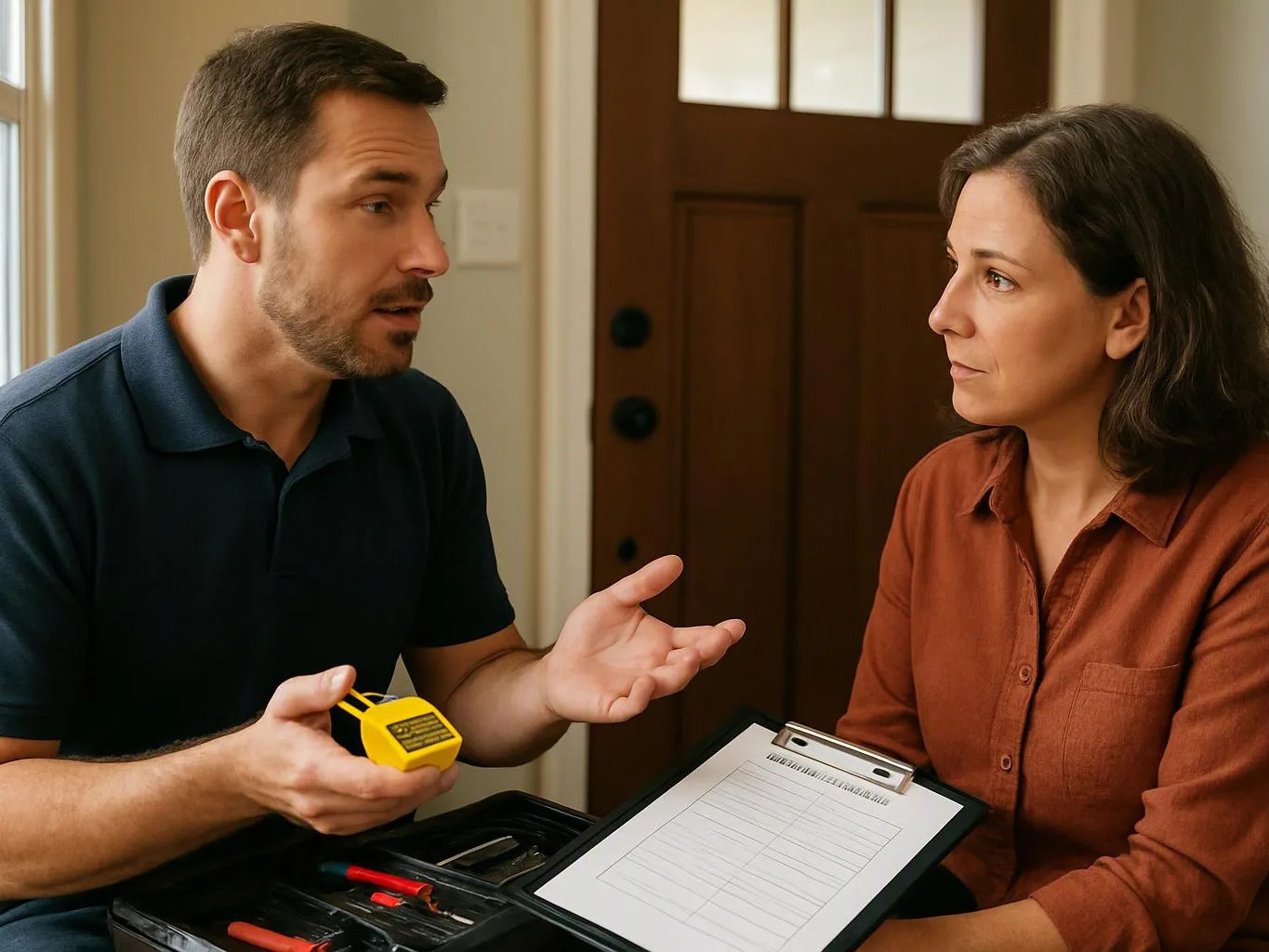
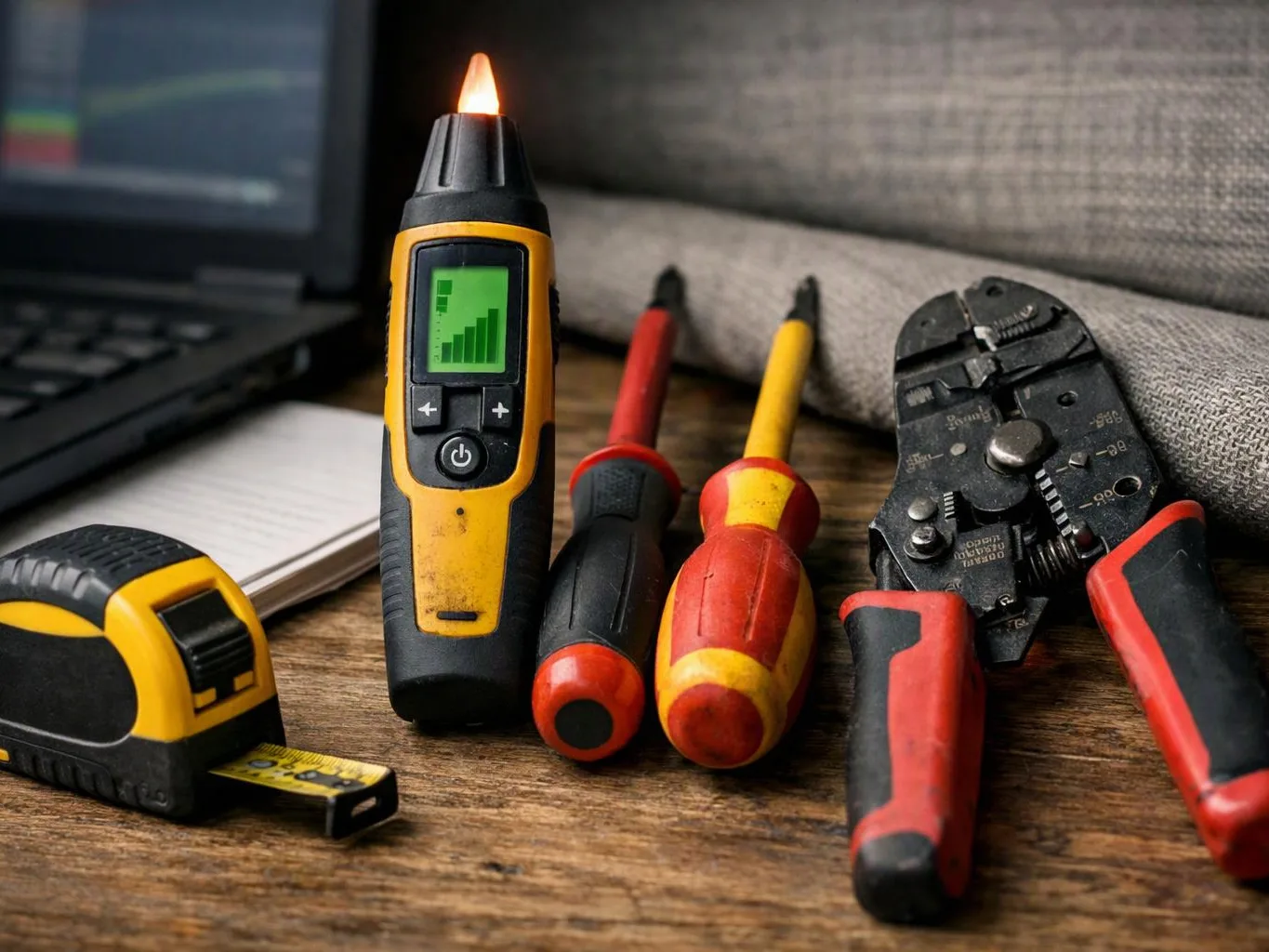
Capacitor replacement starts with a capacitor check in Pedley. We test the fan's speed control, motor housing, and power supply before setting the repair scope.

Licensed & InsuredFree EstimatesSame-Day ServiceServing 61 Communities

Quick Summary: ceiling fan repair in Pedley, California

Ceiling Fan Repair in Pedley is provided by Center Electric Service for homes and businesses across Riverside, surrounding communities, and the Inland Empire. The service covers fan diagnosis, wiring checks, part repair, and capacitor replacement, with licensed and insured electricians available for electrical service.

  • What we do: Center Electric Service provides Ceiling Fan Repair for Pedley, California homes and businesses, including fan diagnosis, wiring checks, and part replacement.
  • What is included: We check the capacitor, speed switch, remote control, motor housing, and power supply before defining the repair.
  • What you get: The ceiling fan runs safely at its intended speed, or the customer receives a clear repair decision when another electrical fault is found.

Can a ceiling fan be repaired if it runs slowly?

Yes, a slow ceiling fan can often be repaired when the capacitor, speed switch, remote control, motor housing, or power supply causes the fault. Capacitor replacement is one possible repair, but testing identifies the actual cause. Turn the fan off if it smells hot, sparks, or trips a breaker, then request an electrical assessment.

Ceiling Fan Repair in Pedley for Slow Fan Problems

Slow rotation creates a different repair decision from a fan that has lost all power. The first question is whether the fan receives steady power and whether its controls send the correct signal to the motor.

We check the capacitor, speed switch, remote control, motor housing, and supply wiring in a planned order. That helps separate a replaceable part from a wiring fault or a motor problem that needs a different scope.

This page serves property owners who want a clear answer about a slow ceiling fan. We repair the fan when the fault fits the service, and we explain when a broader electrical repair is needed.

  • Confirm whether the fan runs at every speed setting.
  • Check the wall switch, remote control, and receiver.
  • Inspect visible wiring and connections for heat or damage.
  • Test the capacitor and motor circuit before choosing parts.
  • Decide whether the fan needs repair or a wider electrical assessment.
A gloved hand holds an electric car charging plug near the vehicle’s charging port

Service Overview

Ceiling Fan Repair is an electrical service that finds and fixes faults affecting fan speed, wiring, controls, or motor operation.

  • Unlike a light fixture repair, this work checks the fan's motor circuit and speed controls as well as the branch wiring.
  • We provide this service for homes and businesses in Pedley and the surrounding Riverside service area.

What This Fan Repair Helps You Decide

Testing identifies the failed part before repair work begins.

A control check helps separate a remote or speed-switch fault from a motor fault.

Repairing the correct part helps the fan operate without repeated guesswork.

A documented finding helps homeowners and businesses plan the next electrical step.

Process

How We Repair A Slow Ceiling Fan

1

Confirm the fan symptom

We ask which speed settings work and whether the wall switch or remote changes the fan's response.

2

Test the power and controls

We isolate the fan and check the supply, wall control, remote receiver, and speed switch.

3

Check the capacitor and motor

We test the capacitor and inspect the motor housing when the fan still runs below its normal speed.

4

Fix the repair list before the visit

We explain the tested fault, identify the needed repair, and provide a free estimate before approved work.

5

Verify fan operation

After the repair, we test the controls and fan operation to confirm that the selected settings respond.

How We Approach Slow Fan Problems

We trace the speed fault

Slow operation does not prove that the capacitor failed. We check the control path, motor housing, and supply wiring before choosing a part.

We match the repair to the finding

The repair scope follows the tested fault. We explain what we found and provide a free estimate before the customer approves the work.

We know when the job needs more

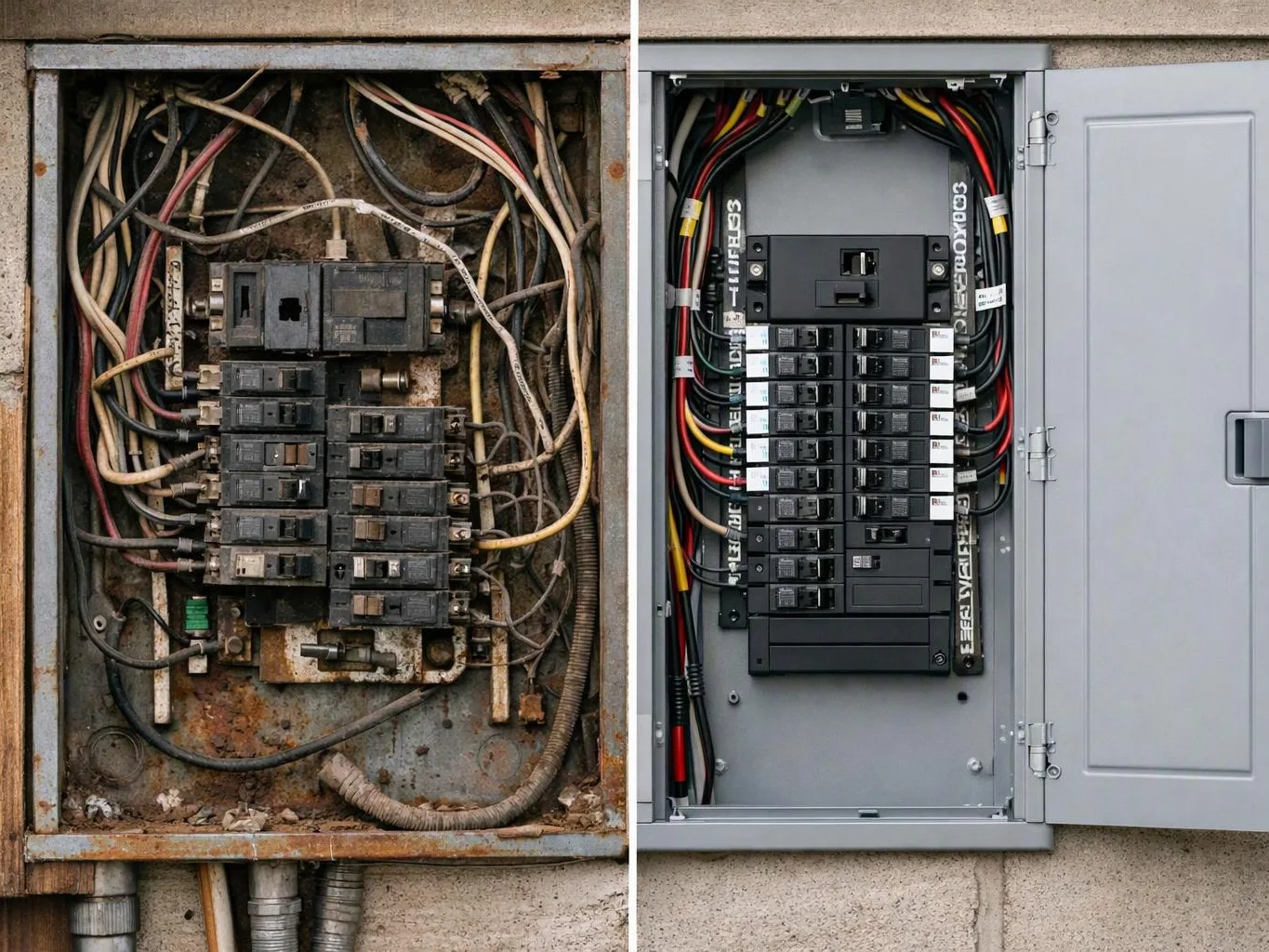
Ceiling fan repair is the wrong fit when the issue comes from a larger panel, branch-circuit, or service-entrance problem. We identify that limit during the electrical assessment.

What Slow Ceiling Fan Repair Includes

Center Electric Service provides comprehensive Ceiling Fan Repair in Pedley. Here's what you get:

  • We inspect the ceiling fan and identify the symptom affecting its speed.
  • We test the capacitor and related speed-control parts.
  • We check the wall switch, remote control, and receiver when those controls affect operation.
  • We inspect accessible wiring connections between the fan and its power supply.
  • We explain whether repair, part replacement, or a broader electrical service fits the finding.

Slow Fan Faults And Repair Decisions

These common findings point to different checks and repair scopes.

Fan symptomWhat we checkLikely service direction
Slow at every settingCapacitor, motor circuit, and supplyTest the speed-control path and motor parts
Remote responds but fan stays slowRemote receiver and capacitorCheck the receiver, controls, and motor circuit
Only one speed setting failsSpeed switch and control wiringRepair or replace the faulty control when confirmed

The Center Electric Service Standard

  • Urgent Assistance
  • Issue Diagnosis
  • Safety First
  • Clear Recommendations

Questions About Slow Ceiling Fan Repairs

Who is a good fit for ceiling fan repair, and who needs a different service?

Homeowners and businesses with a slow, poorly controlled, or intermittently powered fan are good fits for this service. We assess the fan and its connections first. A panel fault, damaged branch circuit, or service-entrance issue needs broader electrical work, so we explain that scope when the fan is not the source.

What does the crew look at first during ceiling fan repair?

The power supply and control path come first during a fan repair assessment. We check the wall switch, remote receiver, visible connections, and fan response before testing the capacitor. This order helps us isolate the fault safely and avoid replacing a part that did not cause the slow speed.

What happens at each stage of ceiling fan repair?

The repair follows inspection, testing, scope approval, and operation checks.

  1. We confirm the speed symptom.
  2. We test the supply and controls.
  3. We check the capacitor and motor circuit.
  4. We explain the repair and provide a free estimate.
  5. We verify the fan after approved work.

We keep the explanation tied to the part we test.

Which part can make a ceiling fan run slowly?

The capacitor is one part that can reduce fan speed, but the speed switch, remote receiver, motor housing, or power supply can also cause the symptom. We test the related circuit and controls before selecting a replacement part. The correct repair depends on the fault found at the fan.

When should I stop using a slow ceiling fan?

A burning smell, buzzing connection, sparking, or repeated breaker trip means the fan should stay off until we assess it. Slow speed alone still calls for testing when the fan cannot reach its normal setting. Keep access clear and tell us about any heat, noise, or recent wiring change.

Why does a remote-controlled fan stay slow after new batteries?

New remote batteries do not fix a receiver, capacitor, speed switch, or motor fault. We test whether the receiver receives the command and whether the motor circuit changes speed. Keep the remote available for the assessment, and note whether the light responds even when the fan remains slow.
Contact

Request A Free Estimate For Ceiling Fan Repair In Pedley

Tell Center Electric Service what the fan is doing, and urgent requests get priority scheduling.

A gloved hand presses a round smoke detector on a beige wall
(951) 577-3540