When should a circuit breaker be replaced instead of repaired?
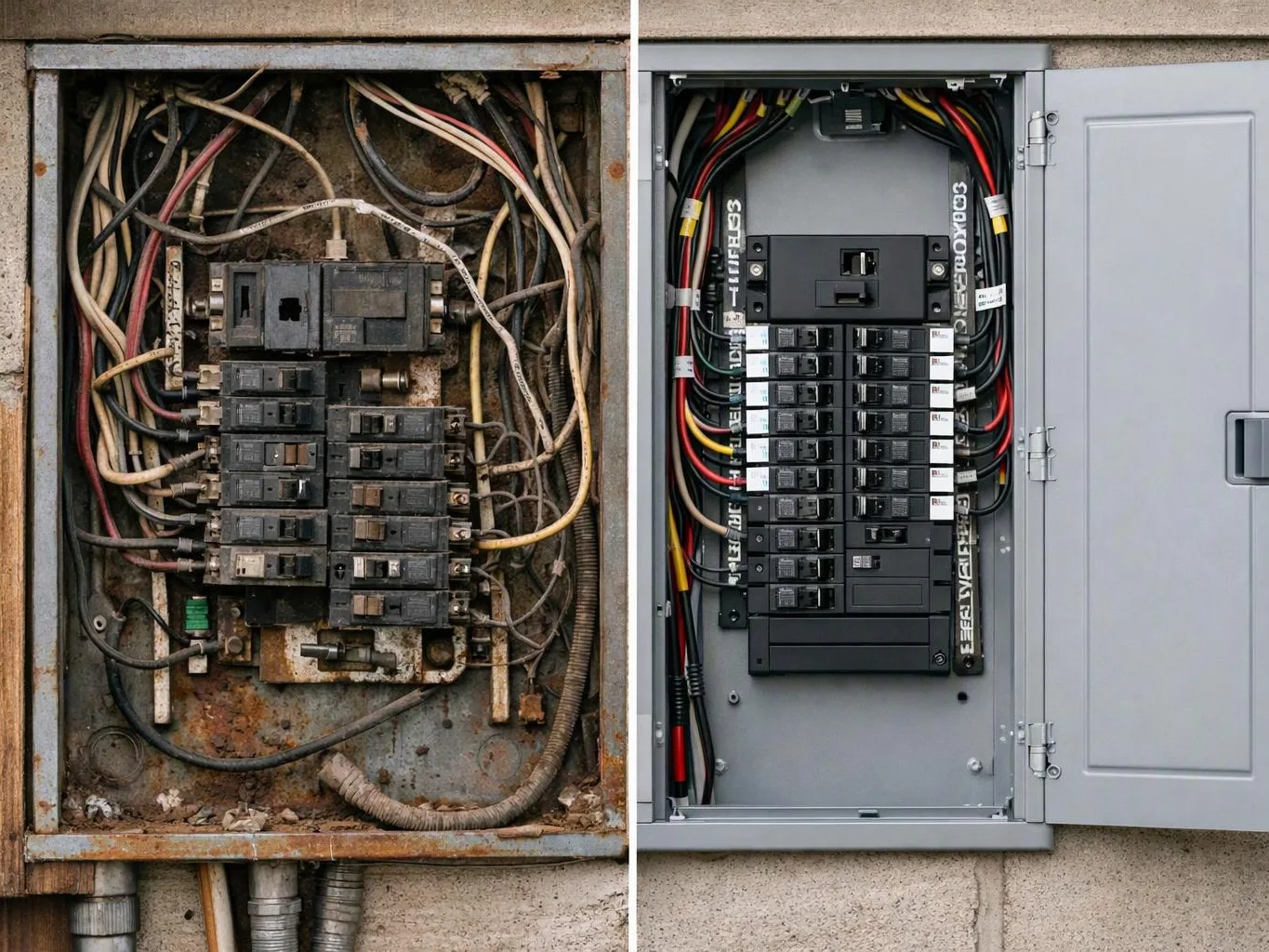
Burn damage means the circuit breaker should be replaced, not repaired. A failed test, loose mechanism, heat discoloration, or obsolete model also supports replacement. We inspect the breaker and circuit first because wiring or panel damage can require separate work. The first FAQ answer from Center Electric Service is based on the observed fault, not a guess.
How is the replacement matched to the property before work starts?
The replacement is matched to the panel, circuit rating, breaker type, and connected load. We inspect the panel label and existing wiring, then confirm the circuit before installation. Circuit tracing helps when labels are unclear. A panel upgrade may be needed if the existing equipment cannot safely support the required breaker.
What should be ready before breaker replacement starts?
Clear access to the electrical panel and note which outlets, lights, or equipment lose power. We need the affected circuit available for testing and isolation. Do not remove the panel cover or handle damaged wiring. Photos of the closed panel and breaker position can help us understand the initial request.
Which warning signs make a breaker problem urgent?
A burning smell, buzzing panel, heat discoloration, or sparking makes the problem urgent. Turn off the affected circuit if you can do so safely, and keep people away from damaged equipment. We inspect the panel and circuit to identify the hazard. Do not keep resetting a breaker that trips repeatedly.
What changes the price of this replacement job?
The breaker type, panel condition, circuit fault, access, and wiring damage change the job cost. A simple device replacement differs from work that needs circuit tracing, a load calculation, or a panel repair. We provide a free estimate after reviewing the affected equipment and the panel condition.
Why might a new breaker still trip after installation?
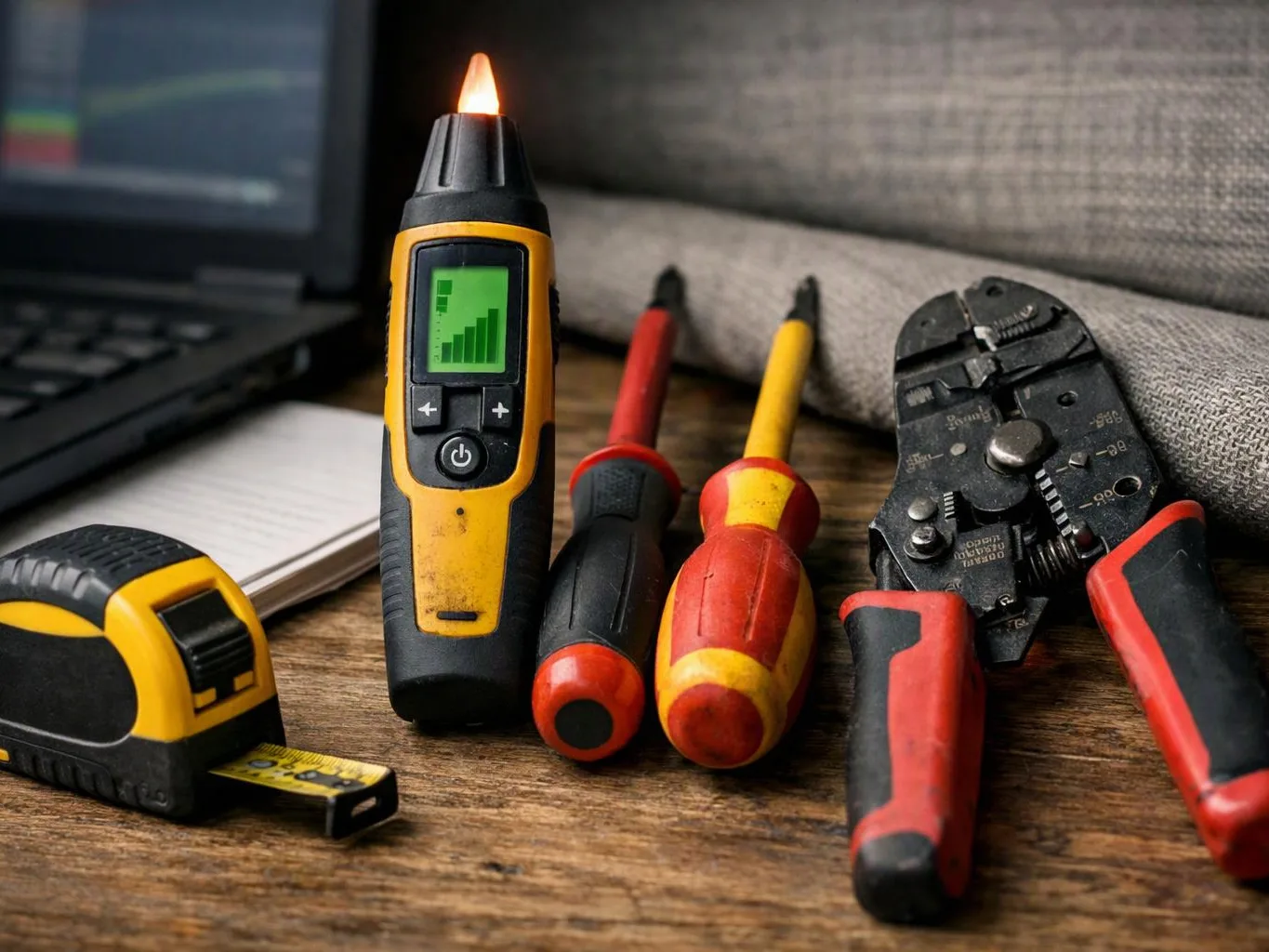
A new breaker can trip when the circuit has an overload, short, ground fault, or damaged wiring. We test the circuit and connected load instead of treating the breaker as the only cause. Unplug affected equipment when safe, leave the breaker off if it will not hold, and request electrical troubleshooting.
What should a customer ask before agreeing to replacement?
Ask which fault was found, what the replacement includes, and whether the panel or wiring needs separate work. We explain the tested circuit, the replacement scope, and any added repair before work begins. You should also ask how the circuit will be tested after installation and which equipment must remain off.