What does a residential electrical safety inspection include?
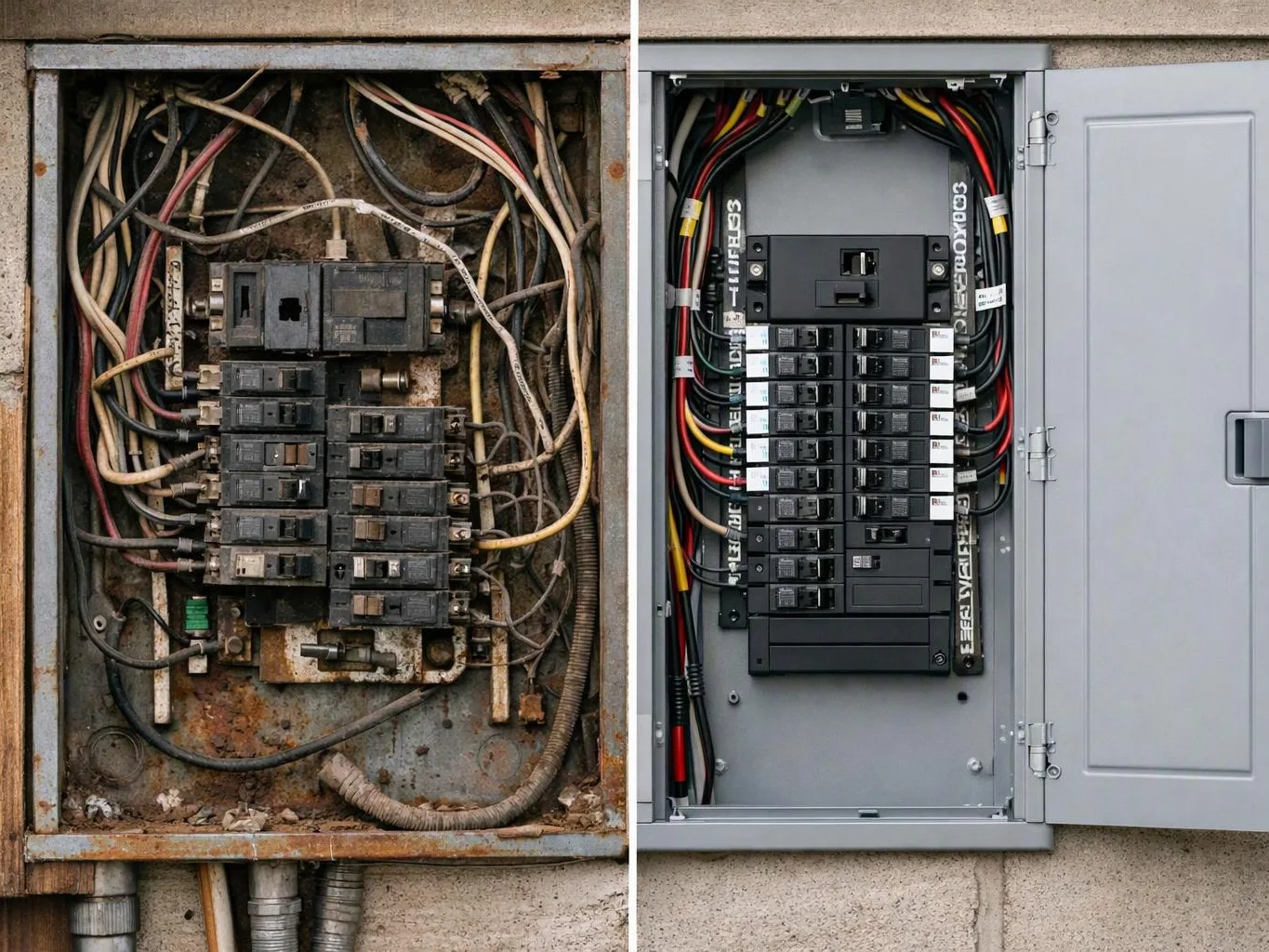
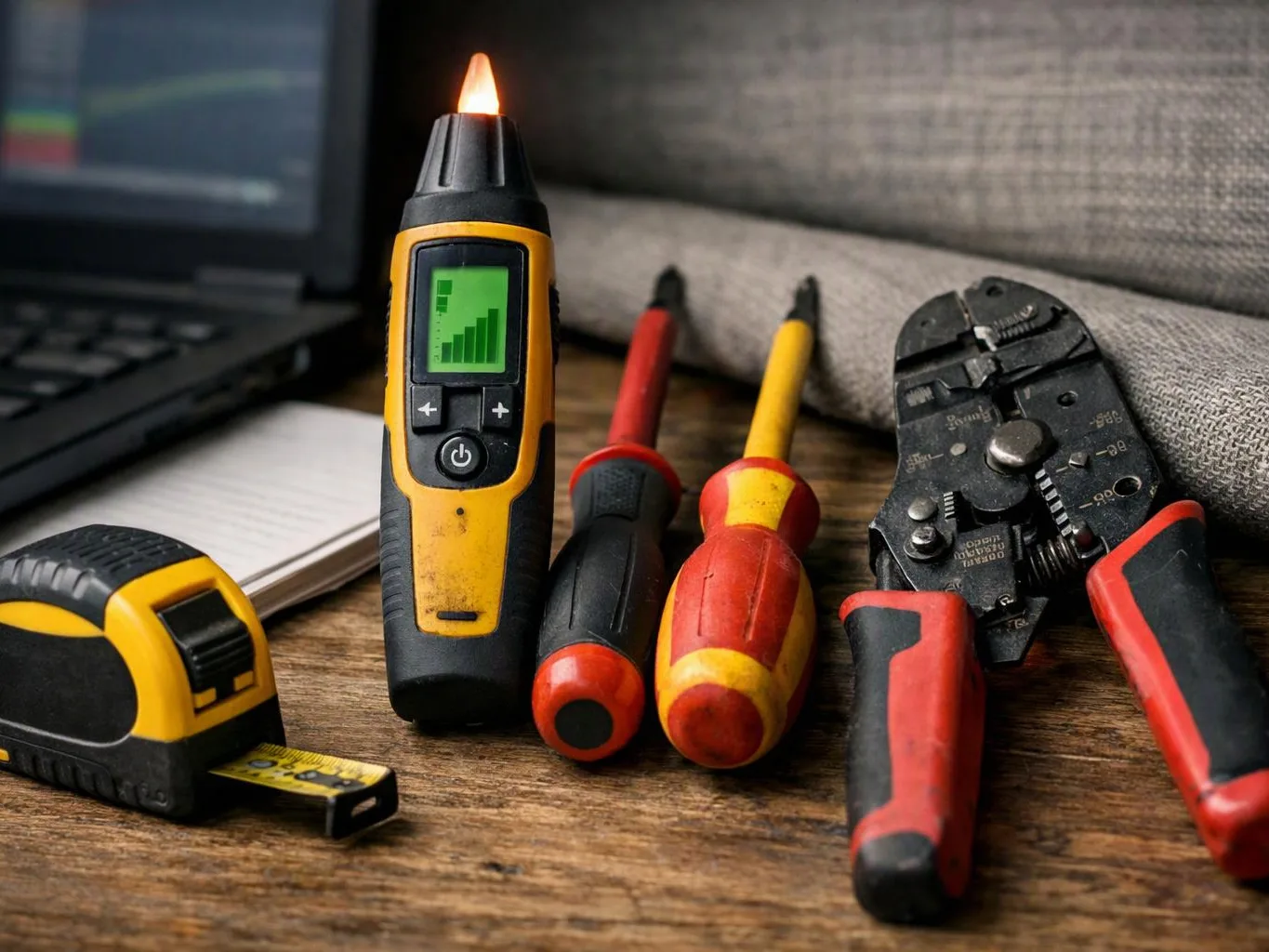
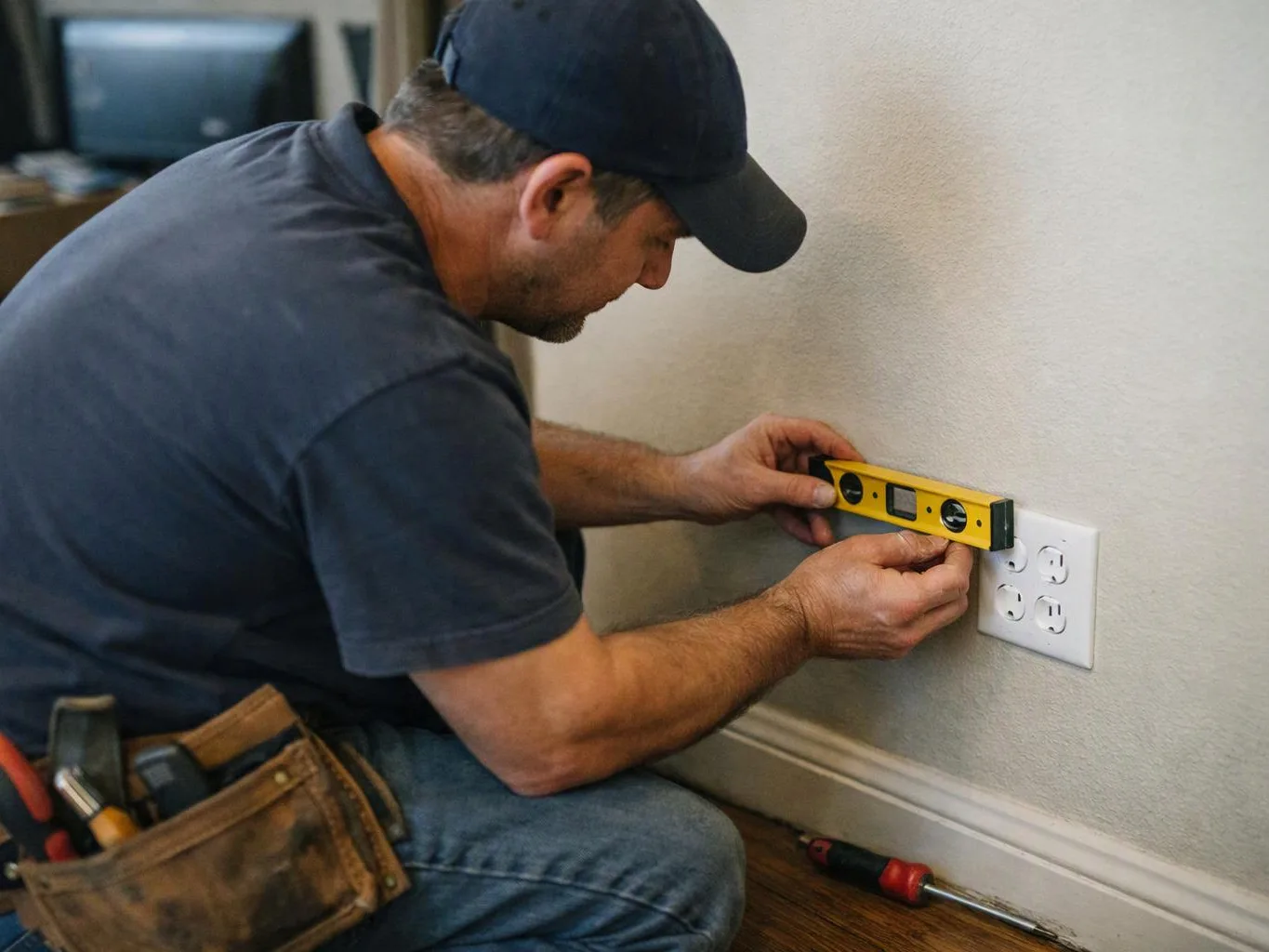
Panel inspection, outlet testing, grounding checks, wiring review, and GFCI testing form the core of a residential safety inspection. Center Electric Service also traces circuits when symptoms point beyond one outlet. The inspection identifies conditions that need repair or more testing, but it does not automatically include corrective electrical work.
Which material changes how long the inspection takes?
Aluminum wiring can add review needs because connections and conductor condition require careful attention. Older wiring types, limited panel access, and unclear circuit paths can also expand the inspection scope. We note the material and access conditions first, then explain whether further testing or repair planning is needed.
How does a safety inspection visit move from the first call to the last step?
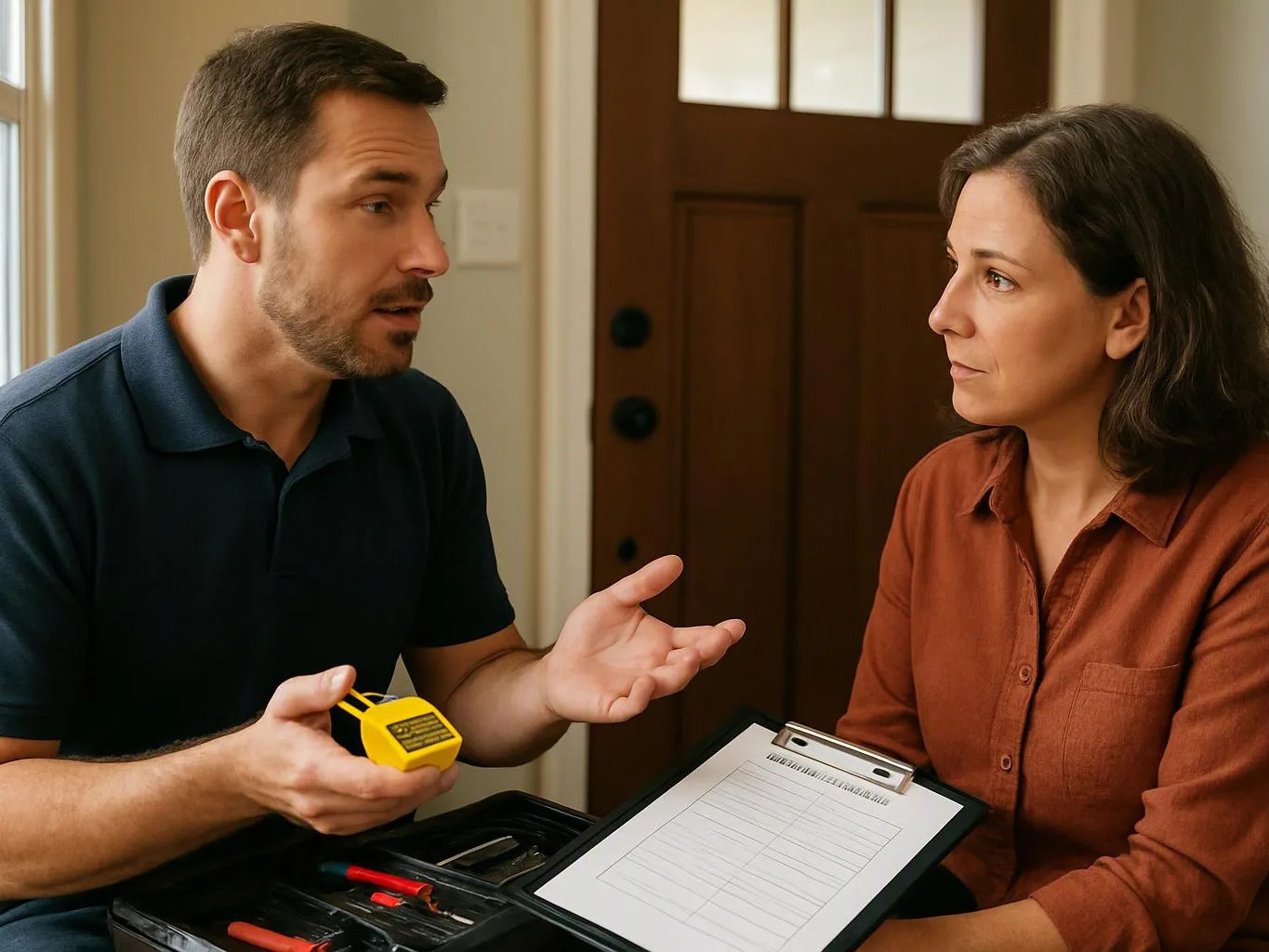
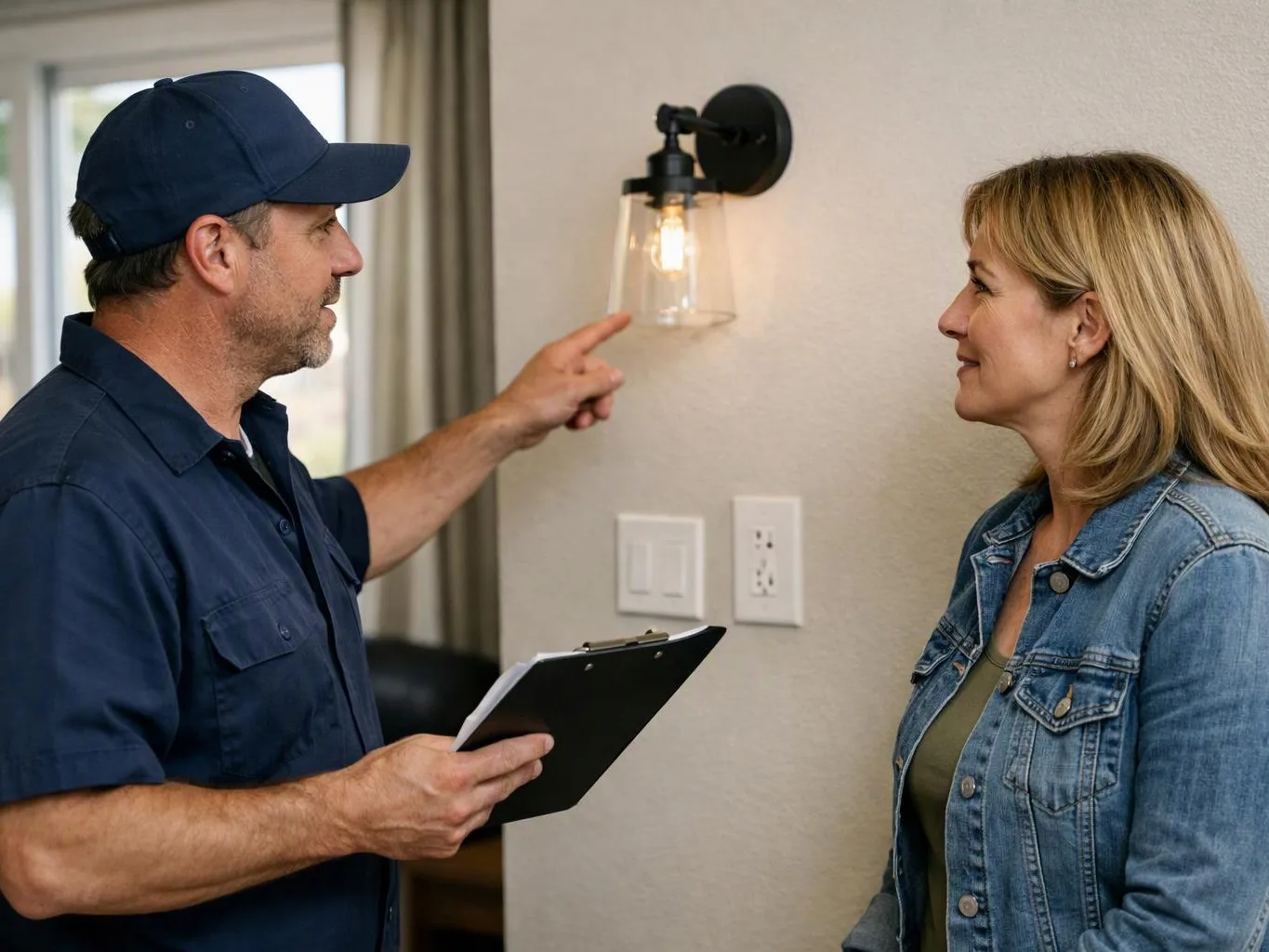
The visit starts with a scope review and ends with explained findings. We then inspect the panel, trace circuits, test outlets and GFCI devices, review visible wiring, and check grounding. The final discussion separates urgent hazards, repair items, and conditions that need more diagnosis.
Why do GFCI outlets trip during normal use?
GFCI outlets trip when they detect an imbalance in electrical current. Moisture, a connected device, a wiring fault, or a failing GFCI device can cause the trip. We test the device and related circuit, then explain whether the issue points to the outlet, connected equipment, or wiring.
What makes the inspection quote change from one property to another?
Property size, panel access, circuit layout, testing areas, and visible wiring conditions shape the quote. A property with unclear circuits may need more tracing than one with clear labels. We review the requested scope and provide a quote before the inspection work begins.
How can a customer tell whether this inspection fits the property?
A safety inspection fits a property when the owner needs a broad review of electrical conditions. It suits pre-purchase concerns, repeated breaker trips, aging outlets, planned remodeling, and routine risk checks. Active sparking, burning smells, or a buzzing panel require urgent electrical attention first.
Which findings need urgent electrical attention?
Sparking outlets, a burning smell, a buzzing panel, or visible heat damage need urgent attention. Stop using the affected device and avoid opening the panel. We can isolate the concern, diagnose the affected circuit, and explain whether repair or replacement is needed.