What problems indicate an electrical panel needs repair?
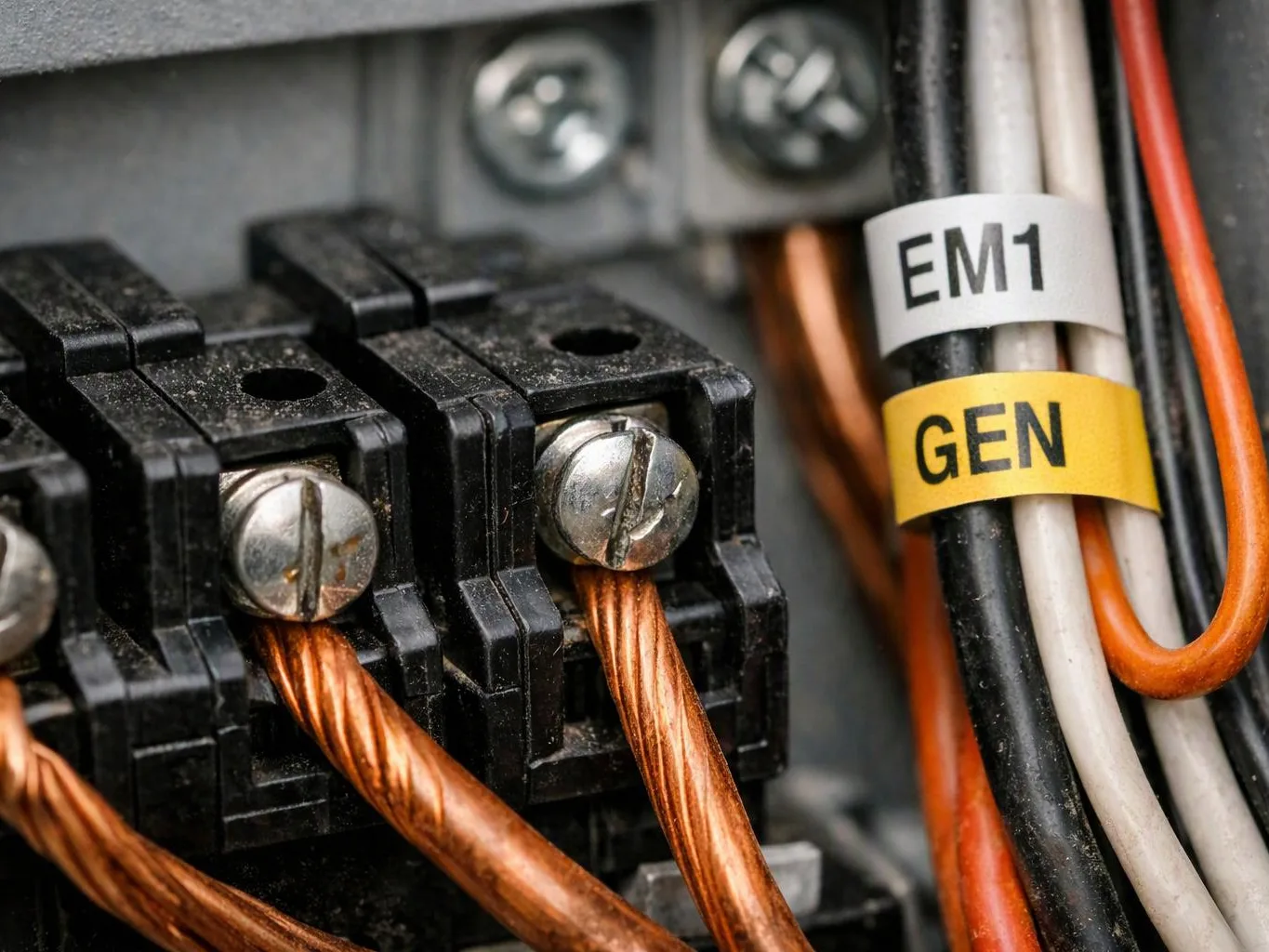
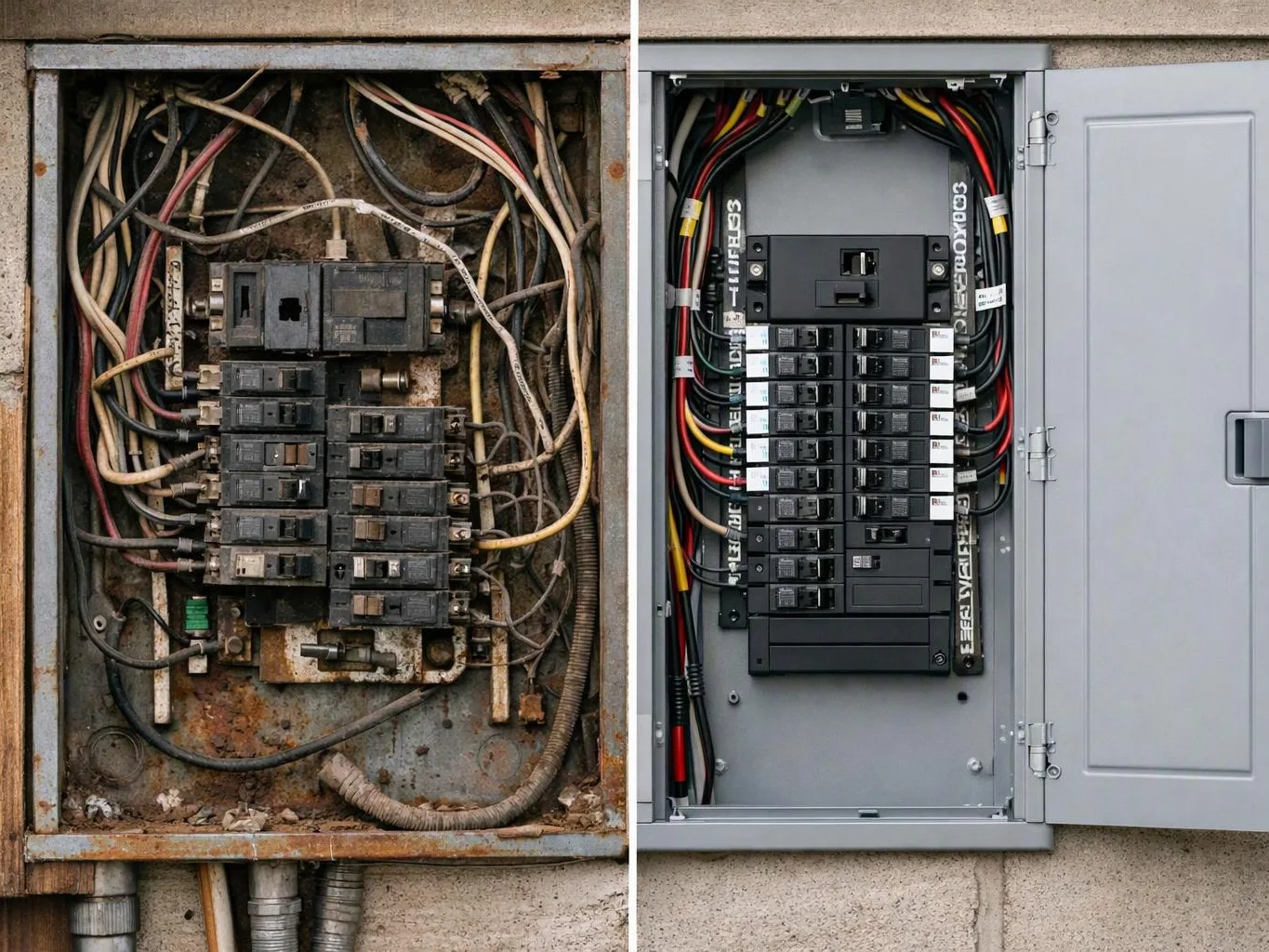
Hot breakers, burn marks, loose connections, panel corrosion, and buzzing noises indicate that the panel needs inspection. Center Electric Service checks the panel and affected circuits before choosing a repair. Repeated trips and flickering lights also matter because they can point to a breaker, wiring, or load problem. Keep damaged equipment off until the fault is assessed.
Who is a good fit for panel repair, and who needs a different service?
Panel repair fits a contained breaker, terminal, or circuit fault in an otherwise suitable panel. A panel upgrade fits properties that need more capacity or have wider panel damage. We inspect the equipment and explain which scope matches the condition. Electrical troubleshooting may come first when the source of the fault is not clear.
What happens at each stage of panel repair?
Panel repair starts with inspection, circuit tracing, scope setting, part repair, and testing. We check heat marks, breakers, terminals, wiring, and connected equipment before working. The repair then addresses the identified fault, and testing verifies the affected circuit. This sequence helps separate a single-part repair from a larger upgrade.
What does the crew look at first during panel repair?
The first check covers visible damage, breaker condition, panel heat, terminal tightness, and signs of arcing. We then trace the affected circuit and review the load tied to it. A burning smell or sparking outlet calls for immediate caution. Keep clear of damaged equipment while we assess the electrical system.
Which part of this job changes the estimate?
The repair scope changes the estimate because a breaker replacement differs from wiring correction or a panel upgrade. Access, panel condition, circuit length, and required parts also affect the work. We review those details before preparing a free estimate. No fixed amount applies to every panel fault.
When should I stop resetting a tripped breaker?
Stop resetting a breaker when it trips again, feels hot, buzzes, or shows damage. Repeated resets can leave the underlying fault active. We inspect the breaker, circuit, and connected load to find the cause. Turn off affected equipment and keep people away from a panel with smoke, sparks, or a burning smell.
How do I know whether a panel needs repair or an upgrade?
A contained fault supports repair, while limited capacity or broad damage points toward an upgrade. We check the panel condition, circuit demand, breaker spaces, and wiring before making that call. The assessment also considers whether new equipment or added circuits are planned. We explain the difference so you can choose the right scope.