How do electricians find the cause of repeated power loss?
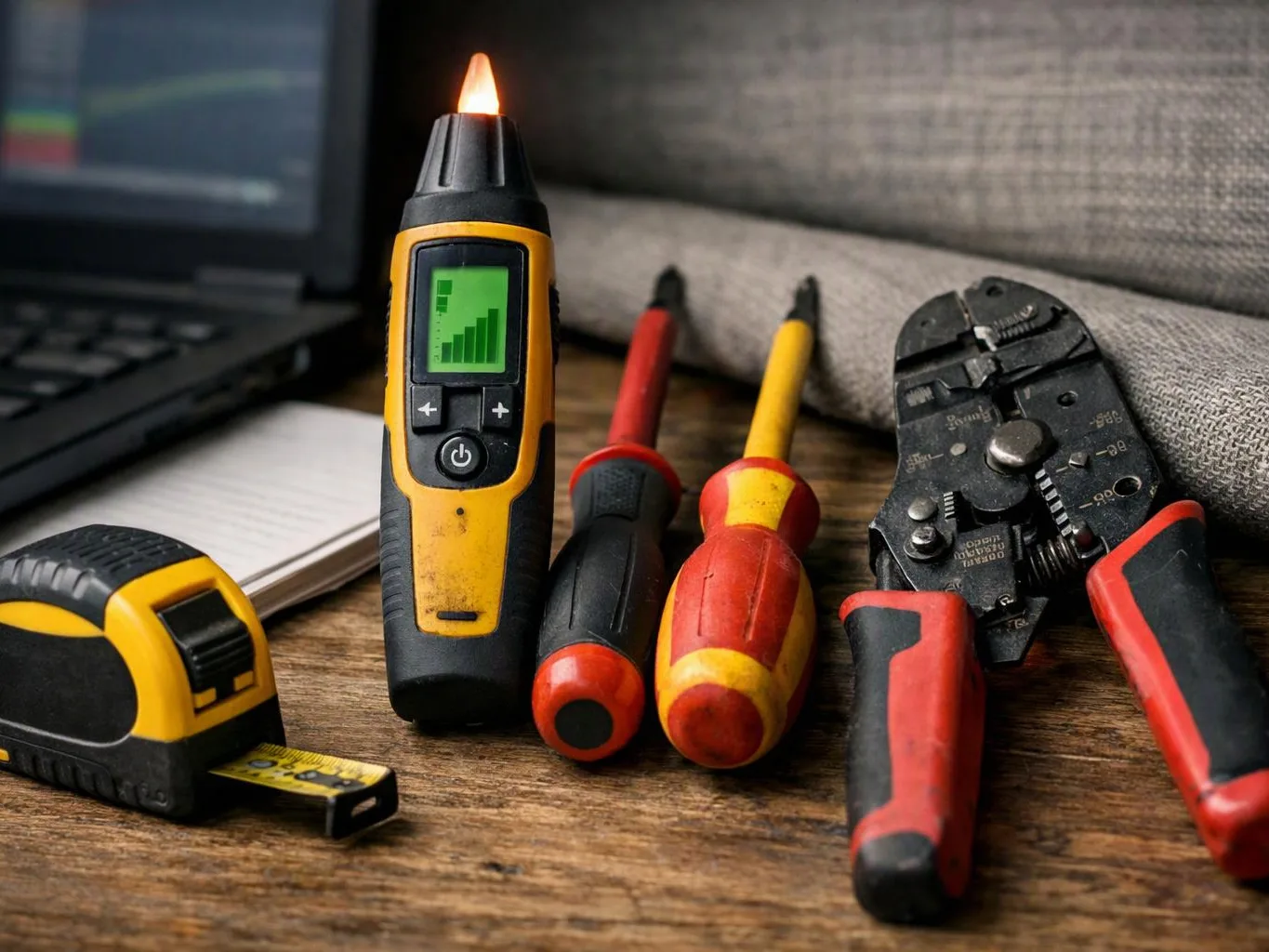
Circuit testing finds repeated power loss by tracing voltage, continuity, connected loads, and breaker behavior. Center Electric Service starts with the affected circuit and follows the path until the fault is isolated. We then explain whether the issue points to a breaker, connection, device, conductor, or larger panel concern.
What should be ready before electrical troubleshooting starts?
Access to the panel and affected rooms helps electrical troubleshooting start with useful information. Keep the panel area clear, note which equipment was running, and identify any recent changes. Do not remove covers or handle damaged wiring. Photos of the panel and affected outlet can help us understand the symptom before the visit.
Which condition changes the time needed for circuit testing?
The number of affected circuits changes the time needed for circuit testing. Limited panel access, hidden wiring, shared loads, and intermittent faults can also add testing steps. We explain the scope after checking the symptom and circuit path, since a single dead outlet differs from repeated loss across a property.
What should I ask before agreeing to electrical troubleshooting?
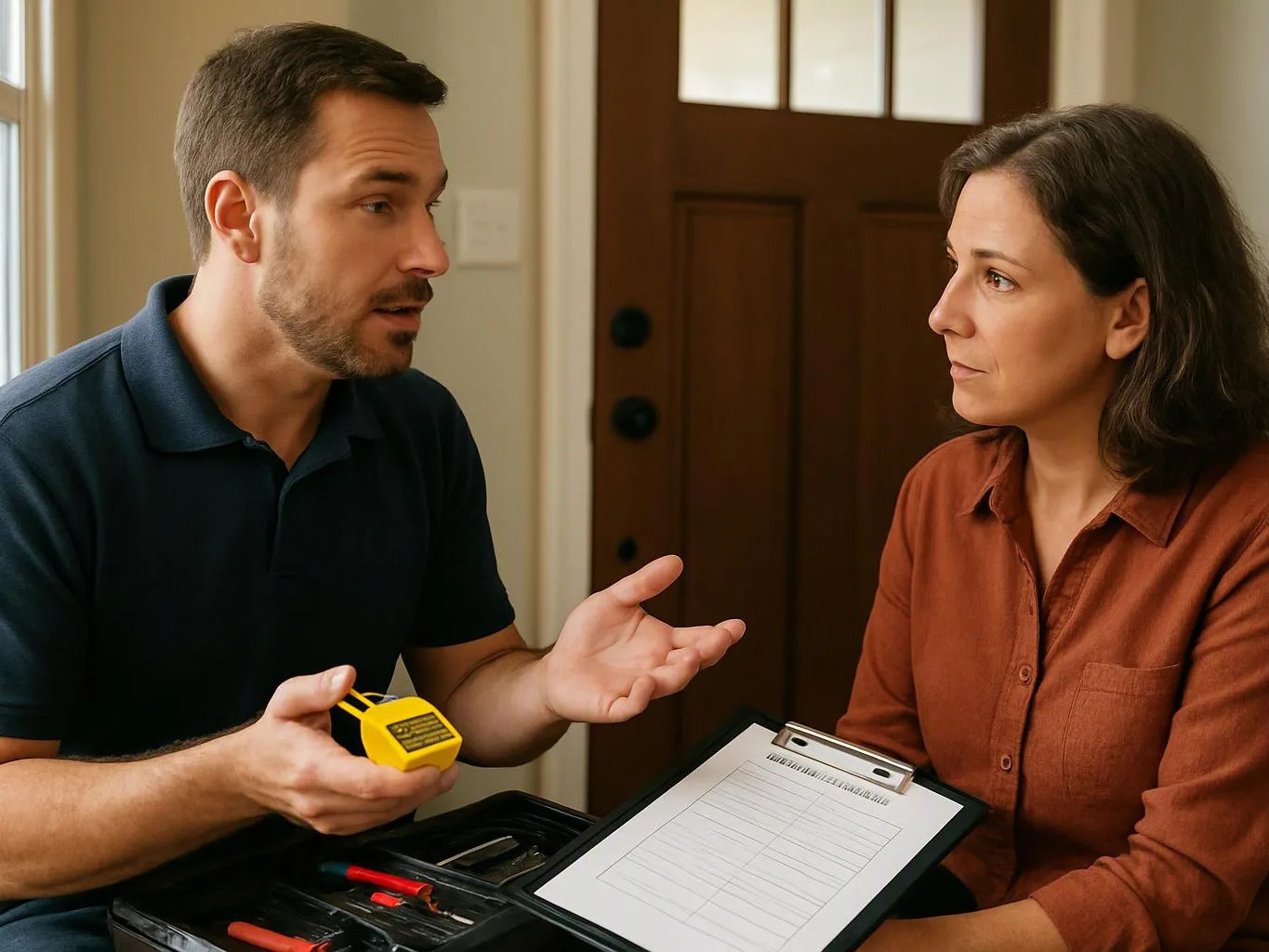
Ask which circuits will be checked, what testing will be used, and what findings would lead to repair or replacement. A clear discussion should cover panel access, affected equipment, safety limits, and the estimate process. We explain the diagnosis and recommended scope before repair work proceeds.
Why does a breaker keep tripping after I reset it?
A breaker that keeps tripping can point to excess load, a short, a damaged device, or a wiring fault. Repeated resets do not identify the cause and can leave the underlying issue active. We check the breaker, circuit load, connections, and affected devices to decide whether repair or replacement is needed.
Can electrical troubleshooting include panel and breaker problems?
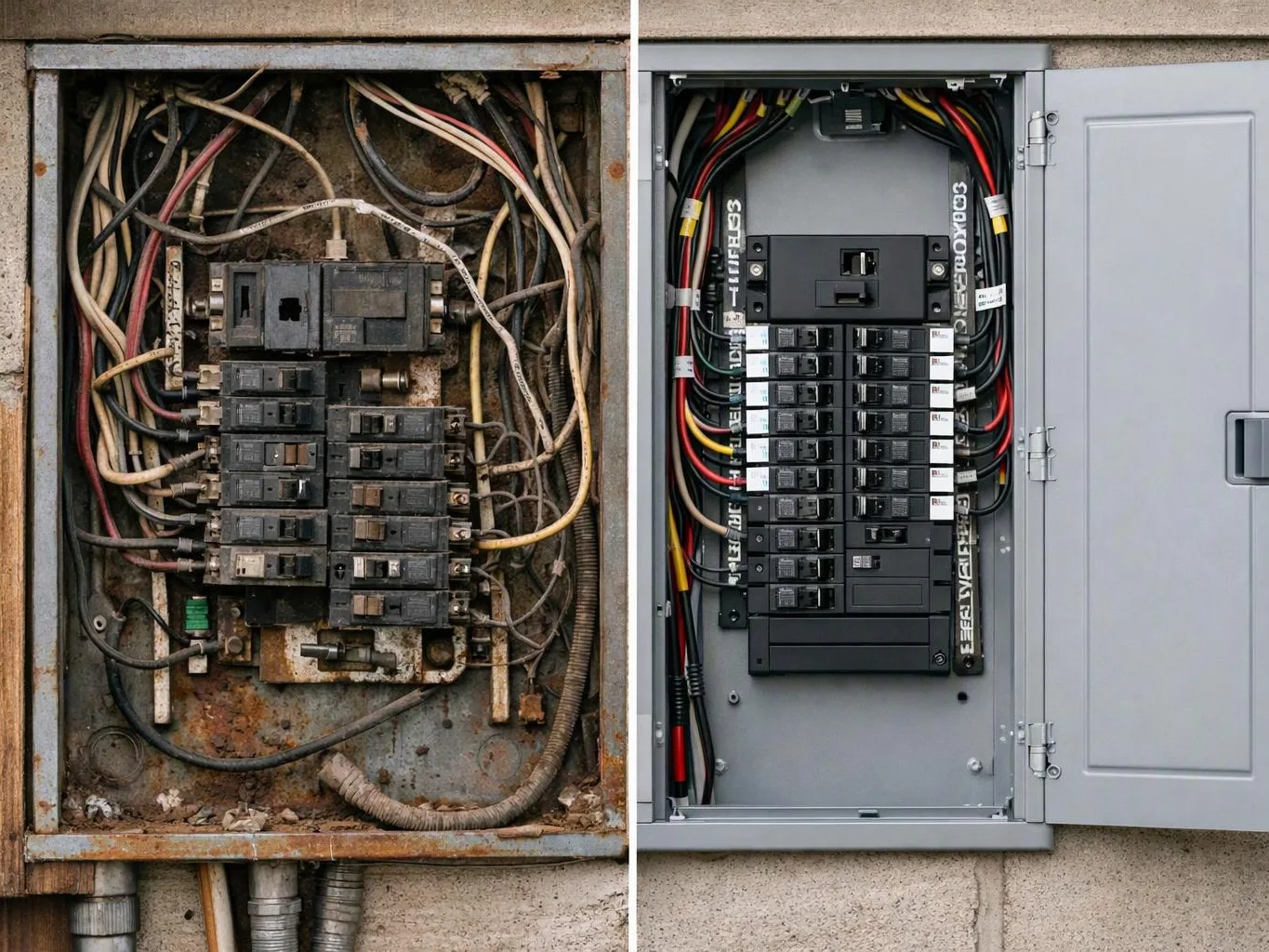
Yes, electrical troubleshooting can include panel and breaker diagnosis when those parts relate to the power loss. We inspect the breaker, test the circuit, and trace connected loads before recommending replacement or panel work. A panel upgrade is a separate project when the existing equipment needs more capacity or a broader change.
When should I stop using the affected circuit?
Stop using an affected circuit when you notice a burning smell, sparks, a buzzing panel, or a warm switch plate. Turn off equipment if it is safe to do so and keep people away from damaged parts. Our 24-hour emergency electricians can assess urgent electrical hazards.