What does a residential electrical safety inspection include?
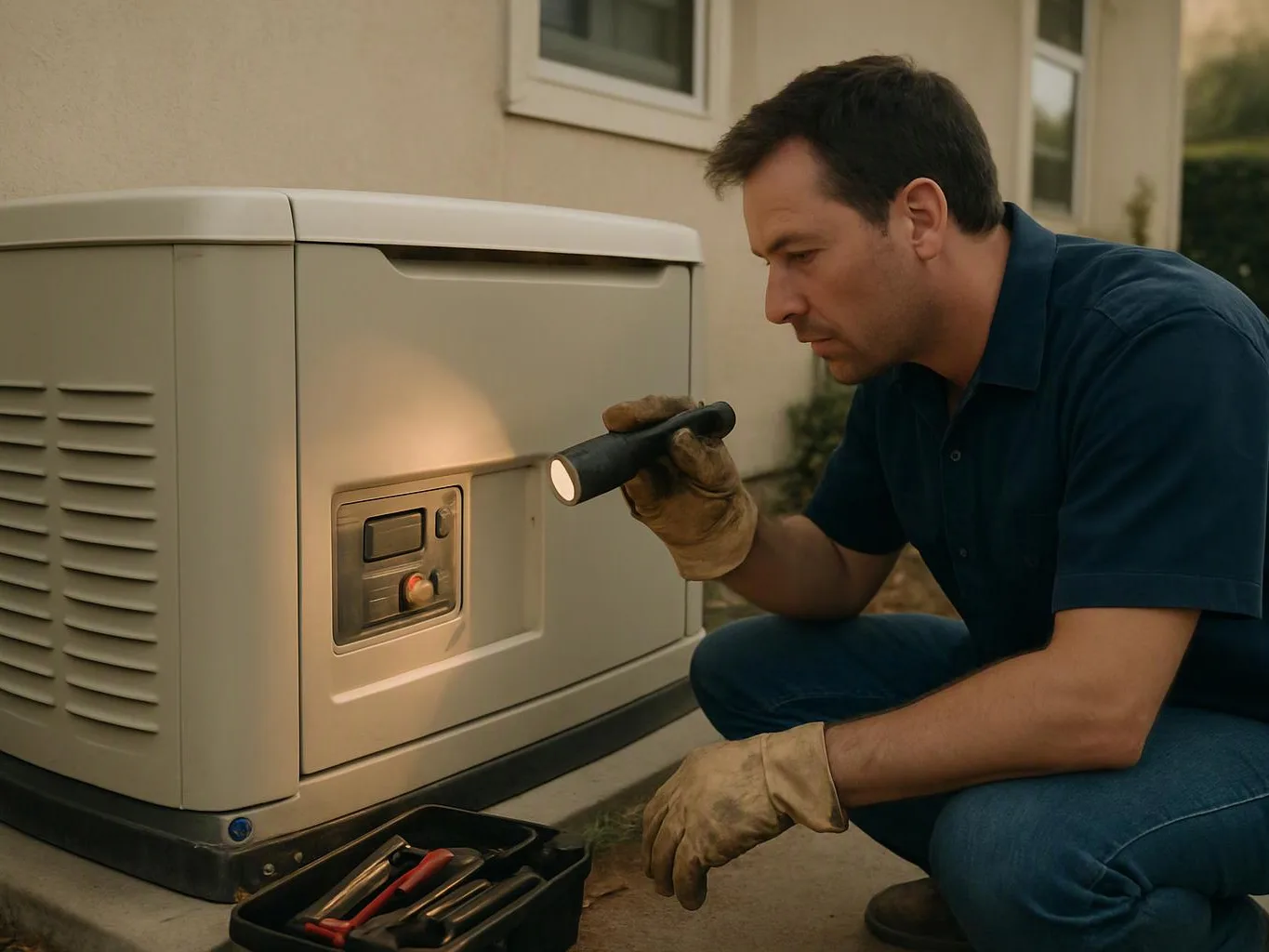
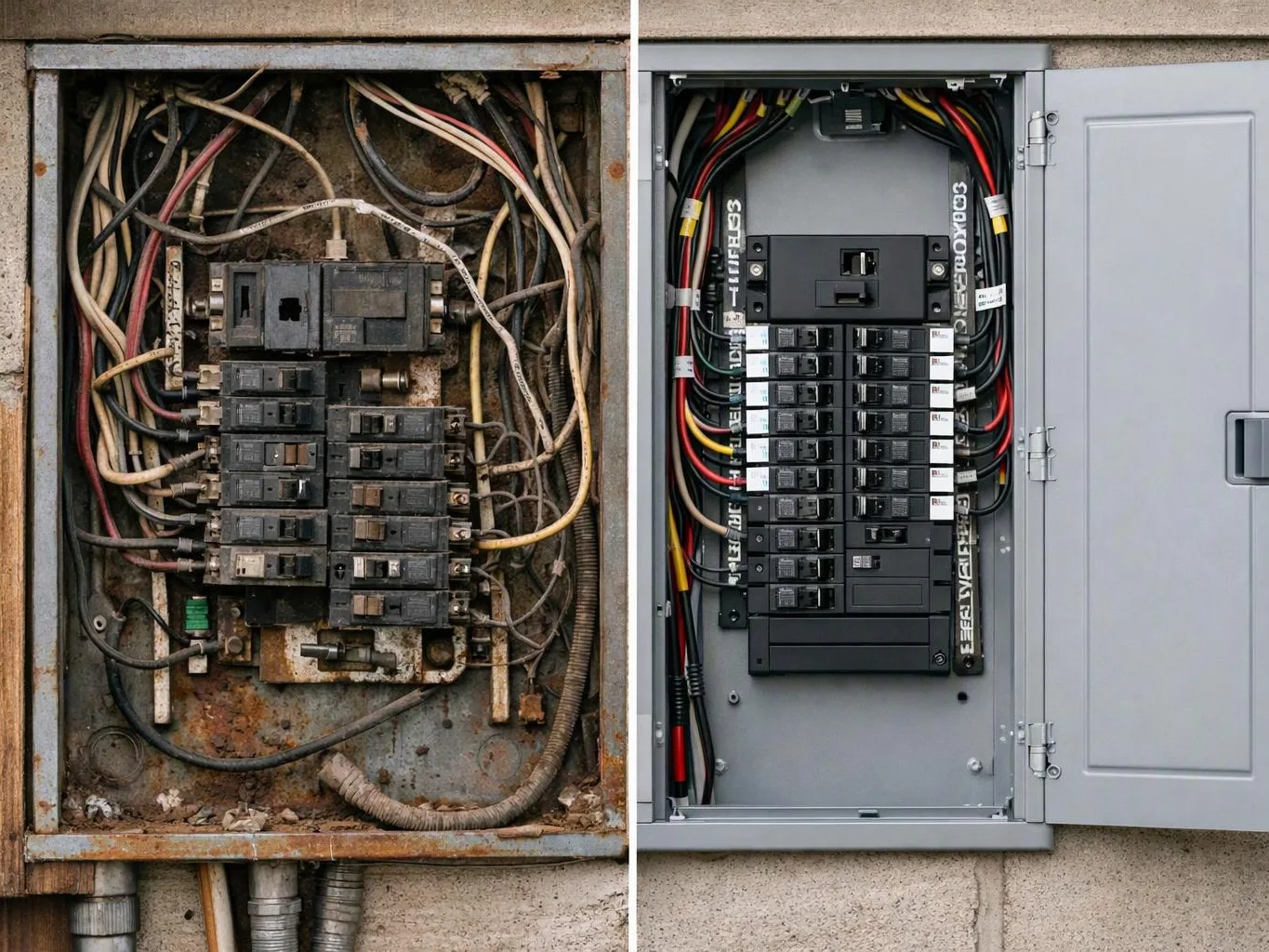
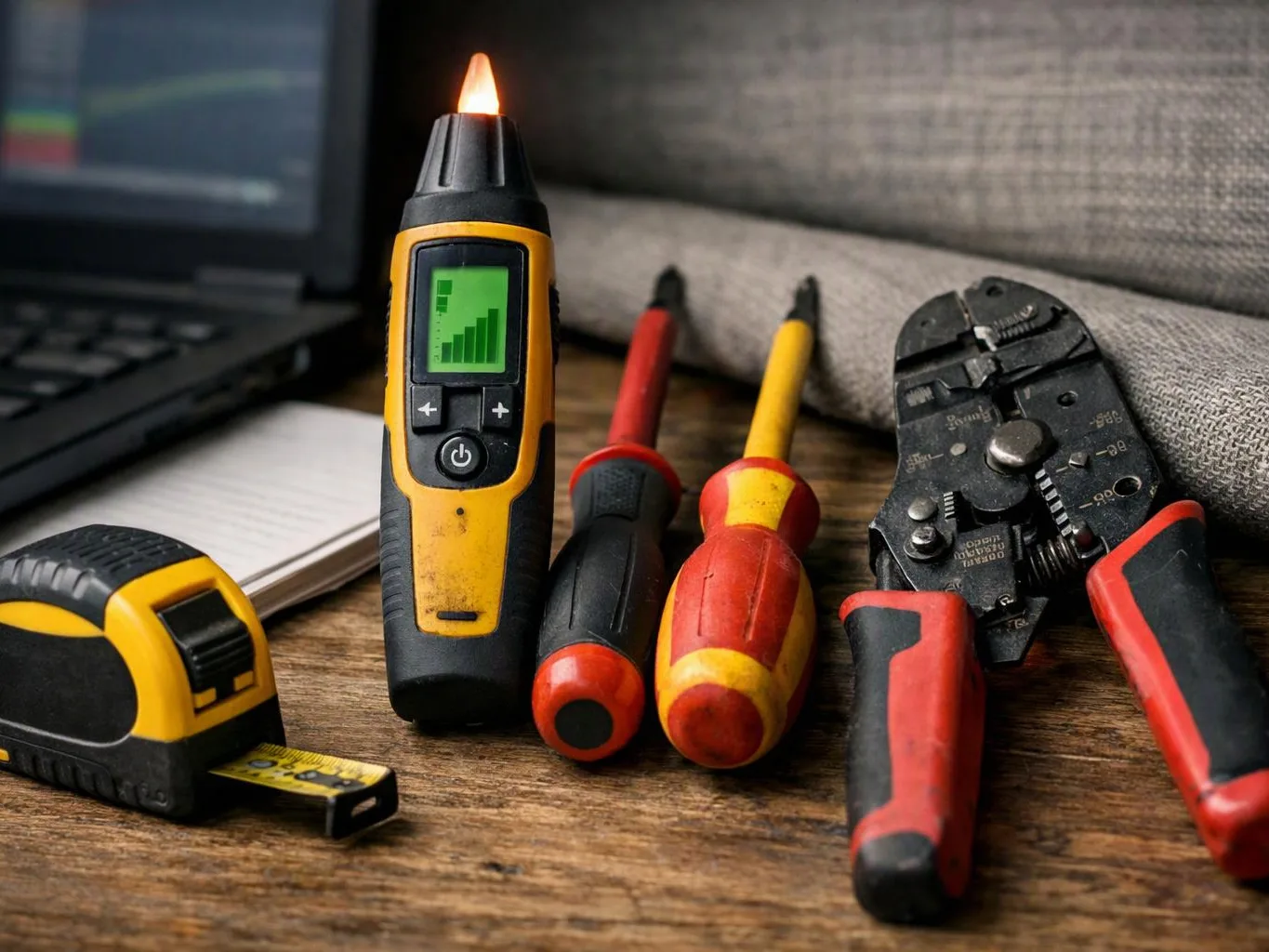
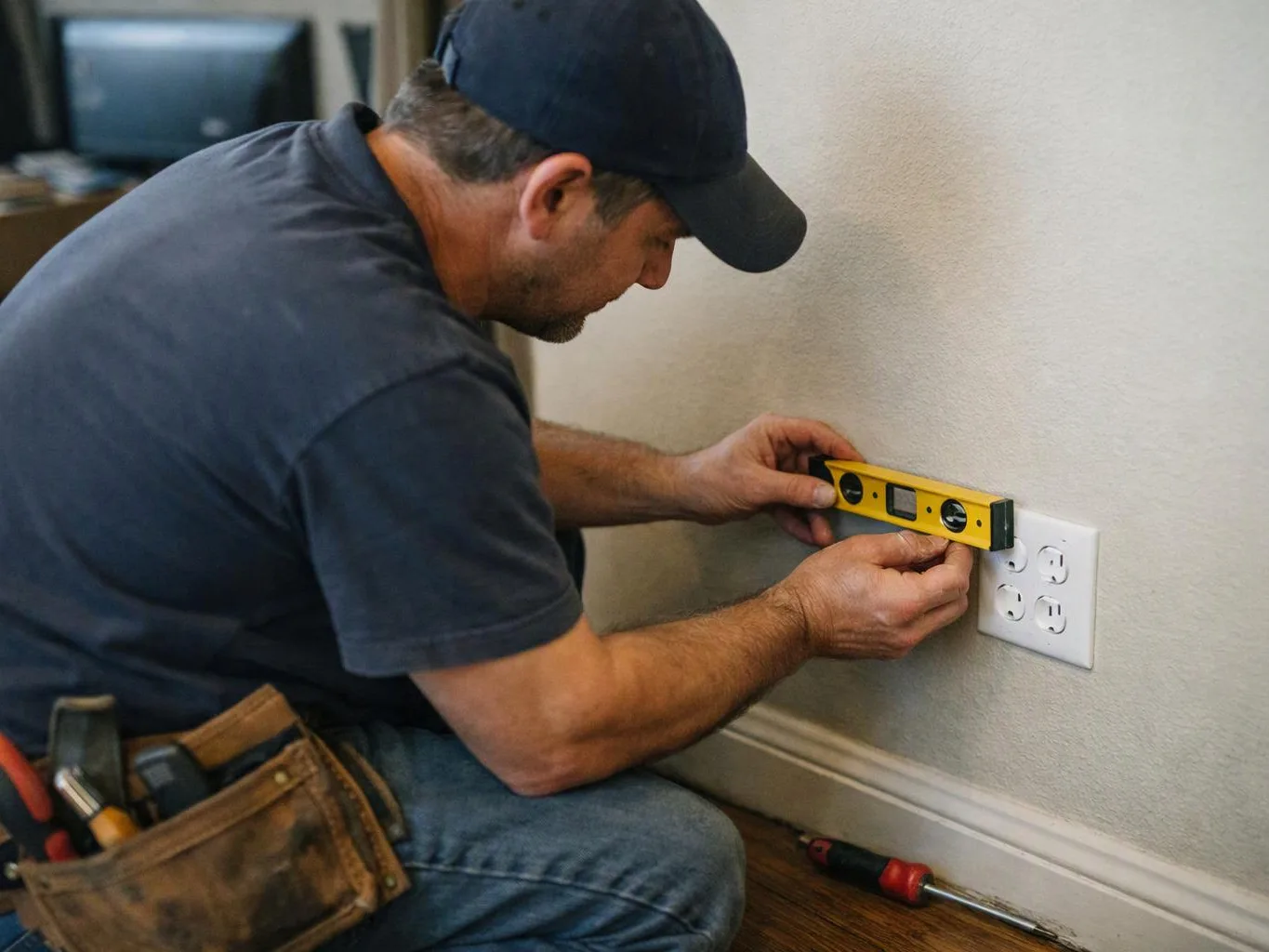
Panel inspection includes the panel, breakers, visible wiring, outlets, switches, grounding, and GFCI protection. Center Electric Service checks these areas for unsafe conditions and explains the needed next step. The inspection can identify whether a property needs repair, replacement, adjustment, or more troubleshooting. It does not replace repair work when a dangerous fault is already known.
Which part of the property decides the inspection scope?
The property’s electrical layout and reported symptoms decide the inspection scope. A panel issue may require circuit tracing, while dead outlets call for outlet and wiring checks. We also consider access to panels, subpanels, switches, and GFCI devices. Share the affected rooms and symptoms so the inspection starts with the right areas.
Which material changes how long the inspection takes?
Older or altered wiring can add inspection work because connections, grounding, and circuit paths need closer review. Aluminum wiring, knob-and-tube wiring, and concealed conductors require careful identification before repair advice. We inspect what is accessible, explain any limit, and identify whether further access or repair work is needed.
How does a safety inspection move from the first call to the last step?
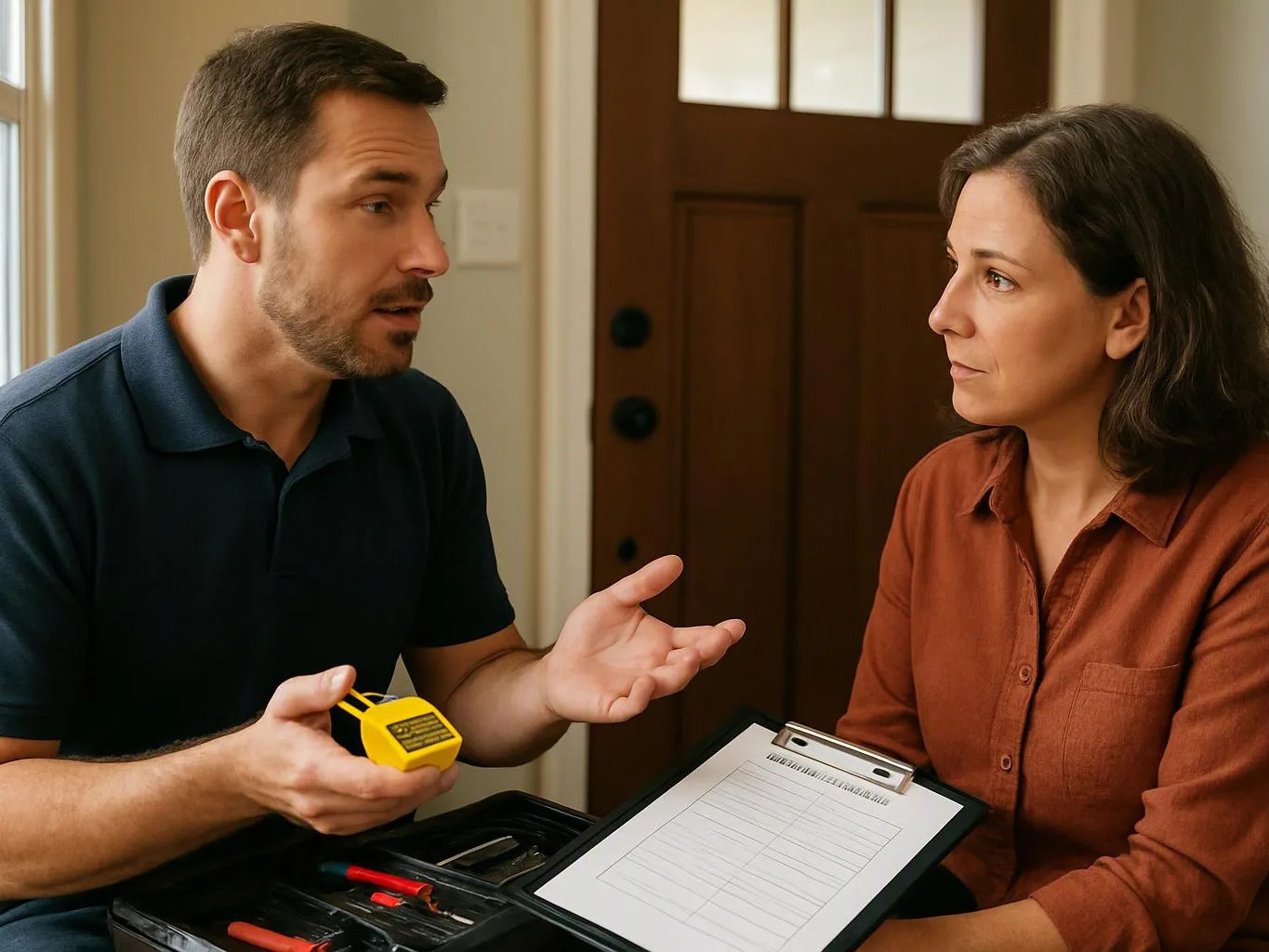
The process moves from symptom review to panel checks, circuit testing, findings, and repair guidance. We review the concern, inspect accessible electrical parts, test related circuits, and explain the result. Free estimates are available when the findings point to repair or installation work.
When should I request an inspection for a commercial property?
A commercial property should receive an inspection when electrical symptoms affect work areas, equipment, lighting, or customer spaces. Our team checks the panel, circuits, outlets, wiring, and GFCI protection that relate to the concern. Keep the affected equipment out of use if it shows heat, sparks, or a burning smell until we assess it.
Why does a GFCI outlet keep tripping?
A GFCI outlet keeps tripping when it detects current leaking from the intended circuit path. We test the device, inspect connected outlets, and trace related wiring for moisture, damage, or a connected fault. Reset the device once after removing the load, but request service if it trips again or will not reset.
Who provides electrical safety inspections in La Verne?
Center Electric Service provides electrical safety inspections for residential and commercial properties in La Verne. We review panels, circuits, outlets, grounding, wiring, and GFCI protection. Our 24-hour emergency electrician availability also supports urgent electrical calls, while planned inspection requests can include a free estimate.