Skip to content

Electrical Troubleshooting and Diagnostics in Claremont, California

We trace electrical faults for homes, businesses, and commercial properties across Claremont. Our checks focus on wiring paths, circuit parts, and safe repair decisions.

Quick Summary: Electrical diagnostics in Claremont, California

Electrical troubleshooting and diagnostics in Claremont is provided by Center Electric Service for homes, businesses, and commercial properties. The service covers circuit tracing, voltage checks, wiring faults, outlets, switches, panels, lighting, and electrical safety inspections.

  • What we do: Center Electric Service provides electrical troubleshooting and diagnostics for Claremont, California properties, including circuit tracing, voltage testing, wiring checks, and outlet faults.
  • What is included: Circuit tracing, voltage testing, insulation checks, panel inspection, outlet testing, switch testing, lighting fault checks, and safety inspections.
  • What you get: The customer receives a clear fault location and a practical decision about repair, replacement, or further electrical work.

Why do hidden wiring problems need more than an outlet check?

Hidden wiring problems can sit between the outlet, switch, panel, and other circuit parts. Electrical testing checks the full path so Center Electric Service can identify an open connection, poor bond, damaged insulation, or unexpected voltage.
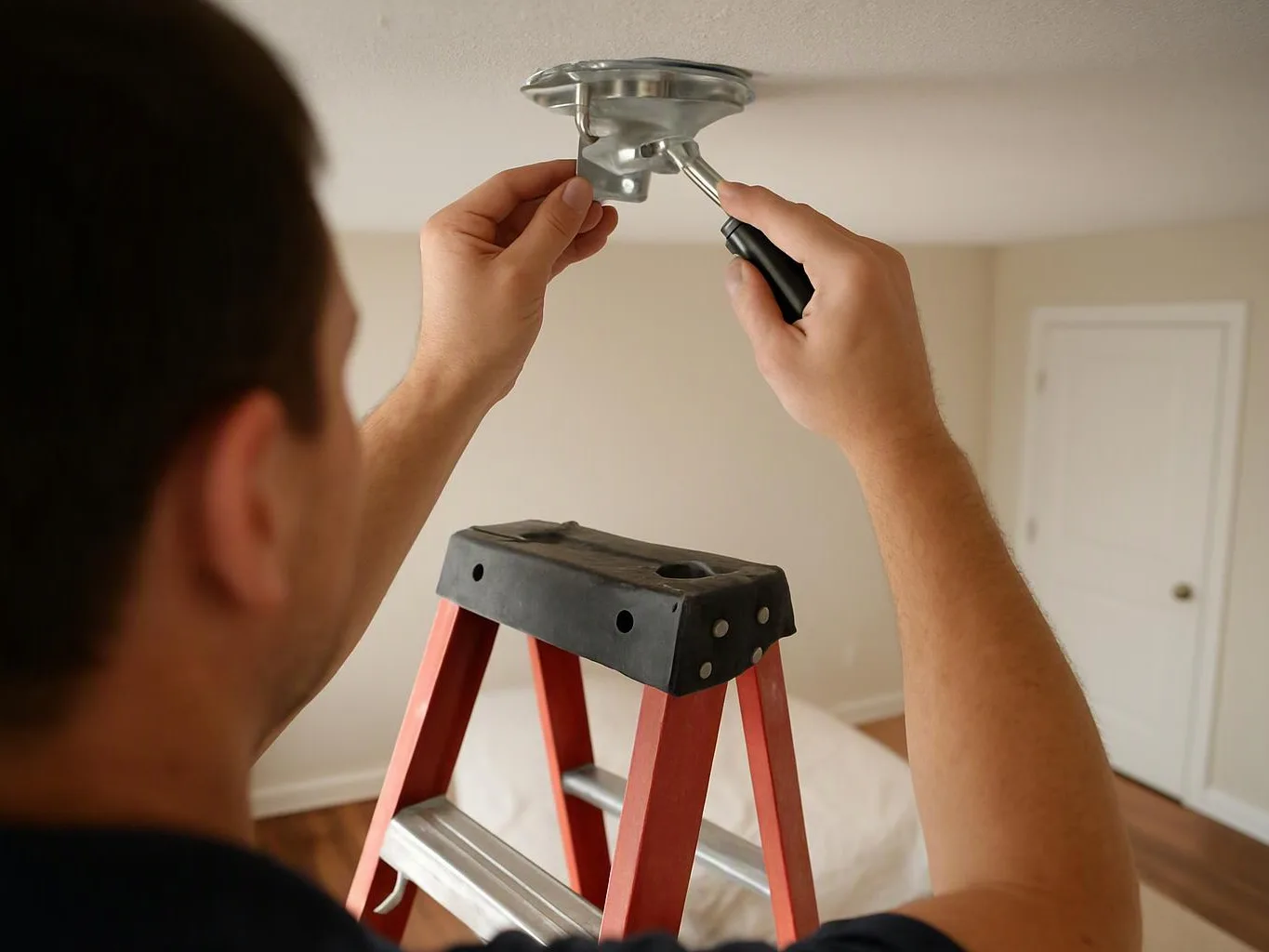
Electrical diagnostics for hidden wiring faults in Claremont

This service focuses on a buyer who sees a symptom but cannot locate its source. A dead outlet might involve the receptacle, a loose connection, a tripped breaker, or another point on the circuit.

Customers get a fault check before choosing the next job. We inspect accessible parts, test the circuit, trace its path, and explain what the findings mean. The work can support an outlet repair, switch replacement, lighting repair, panel work, or wiring update.

The service has a clear limit. It identifies electrical faults and helps set repair scope, but it does not replace the repair or installation work that follows unless that work is separately requested.

  • Record which outlets, switches, lights, or circuits show the problem.
  • Check for visible heat marks, loose covers, damaged cords, or unusual sounds.
  • Note whether the fault affects one point or several points on the same circuit.
  • Ask for a quote after the fault location and repair scope are explained.
A modern living room shows wall controls, a sofa, coffee table, TV, and a lake view through sliding doors

Service Overview

Electrical troubleshooting and diagnostics is a service that tests circuits and wiring to locate faults and explain their cause.

  • It differs from a basic repair because testing finds the fault path before we replace or repair the affected part.
  • Center Electric Service provides this work for residential, business, and commercial properties in Claremont.

What electrical troubleshooting includes for your property

Center Electric Service provides comprehensive Electrical troubleshooting and diagnostics in Claremont. Here's what you get:

  • We inspect outlets, switches, lighting points, breakers, and accessible wiring connected to the reported symptom.
  • We test voltage at relevant points to identify missing, weak, or unexpected power.
  • We trace the circuit path to connect the affected device with its panel and other circuit parts.
  • We check wiring connections and insulation condition when the fault calls for deeper testing.
  • We explain whether the next step involves a repair, replacement, panel work, or wiring update.
  • We can connect diagnostic findings with safety inspections, lighting work, outlet repairs, and circuit repairs.
Process

How we test and locate an electrical fault

1

Record the reported symptom

We note what stopped working, which controls are involved, and whether the fault affects one point or several points.

2

Inspect accessible circuit parts

We examine the panel, outlets, switches, lighting points, and visible wiring for damage, heat marks, loose parts, or signs of wear.

3

Test voltage at key points

We measure voltage at the source and affected devices, then compare the findings across the circuit.

4

Trace the circuit path

We follow the circuit between the panel and connected devices to locate an open connection, failed part, or wiring fault.

5

Explain the repair scope

We share the findings and outline whether the next step involves a device repair, circuit repair, panel work, or wiring update.

How we approach hidden electrical faults

Find the fault path first

We connect the reported symptom to the circuit path, panel, and affected device. Customers get findings they can use before approving repair work.

Match tests to the symptom

A dead outlet needs a different check from a buzzing panel or repeated light failure. We choose tests that fit the part and the reported behavior.

Know when diagnosis is not enough

Testing is the wrong job when the customer already has a defined repair scope and needs installation or replacement only. We can handle those electrical services when requested.

What fault testing changes for the customer

Testing narrows the repair scope before parts are replaced.

A mapped circuit gives customers a clearer view of which outlets, switches, or lights share the fault.

Measured results help separate a device problem from a wiring or panel problem.

Early checks can reveal heat, insulation, or connection concerns that deserve prompt attention.

Customers can request a quote using findings tied to the actual electrical work.

Electrical tests and the faults they help locate

Each test answers a different question about the circuit, so we match the method to the reported symptom.

Test methodWhat it checksWhat it helps decide
Continuity testingWhether a conductor has an unbroken pathWhether an open wire or failed connection needs attention
Voltage testingPower at selected circuit pointsWhether the fault sits at the source, wiring, or device
Insulation resistanceSeparation between conductorsWhether damaged insulation or an unwanted current path needs review
Thermal imagingUnusual heat at accessible electrical partsWhether a connection or device needs closer inspection

The Center Electric Service Standard

  • System Assessment
  • Safe Solutions
  • Systematic Troubleshooting
  • Tailored Electrical Work

Questions about locating hidden wiring problems

How does continuity testing identify hidden wiring problems?

Continuity testing identifies whether a conductor forms an unbroken path through the circuit. Center Electric Service uses the result with voltage checks and circuit tracing to locate an open wire, loose connection, or failed component. The test does not show every fault by itself, so we compare it with the reported symptom and other measurements before setting the repair scope.

What test checks whether a circuit has unexpected power?

Voltage testing checks power between selected conductors and circuit points. We compare readings at the panel, device, and accessible connections to identify missing or unexpected voltage. Customers should avoid opening energized electrical parts themselves, especially when a panel, warm plate, or damaged outlet is involved.

Which part of the property decides the testing scope?

The affected circuit decides the testing scope because its panel connection, wiring path, and connected devices determine what we inspect. A single dead outlet may need a focused check, while several failed points can require circuit tracing and deeper wiring tests. We set the scope from the symptom and accessible electrical layout.

When does insulation resistance testing help?

Insulation resistance testing helps when wiring may have damaged insulation or an unwanted current path. We use it when visual checks and basic voltage measurements do not explain the symptom. The result can guide a wiring repair or replacement decision, but the affected circuit and access determine which test is suitable.

Why can a new outlet fail when the outlet itself looks fine?

A new outlet can fail when the circuit has a loose connection, missing feed, damaged conductor, or upstream device problem. We test the outlet and trace power back through the circuit to find the actual fault. Replacing the visible outlet alone may not address a problem elsewhere in the wiring path.

What should I photograph before requesting an electrical assessment?

Photos of the affected outlet, switch, light, panel label, and visible damage give us useful starting information. Include the surrounding wall and any heat marks, but do not remove covers to take a closer photo. Tell us what stopped working and whether other circuit points show the same symptom.

Which material changes how wiring diagnostics are done?

Aluminum wiring, older insulation, and damaged conductors can change the testing approach. We identify the wire material and condition before recommending a repair method. Circuit access also matters because concealed wiring may require additional tracing, opening, or related repair work after the fault is located.
Contact

Request a Free Estimate for Electrical Diagnostics in Claremont

Start with the specific fault, affected circuit, or warning sign. Center Electric Service will review the testing and repair scope with you.

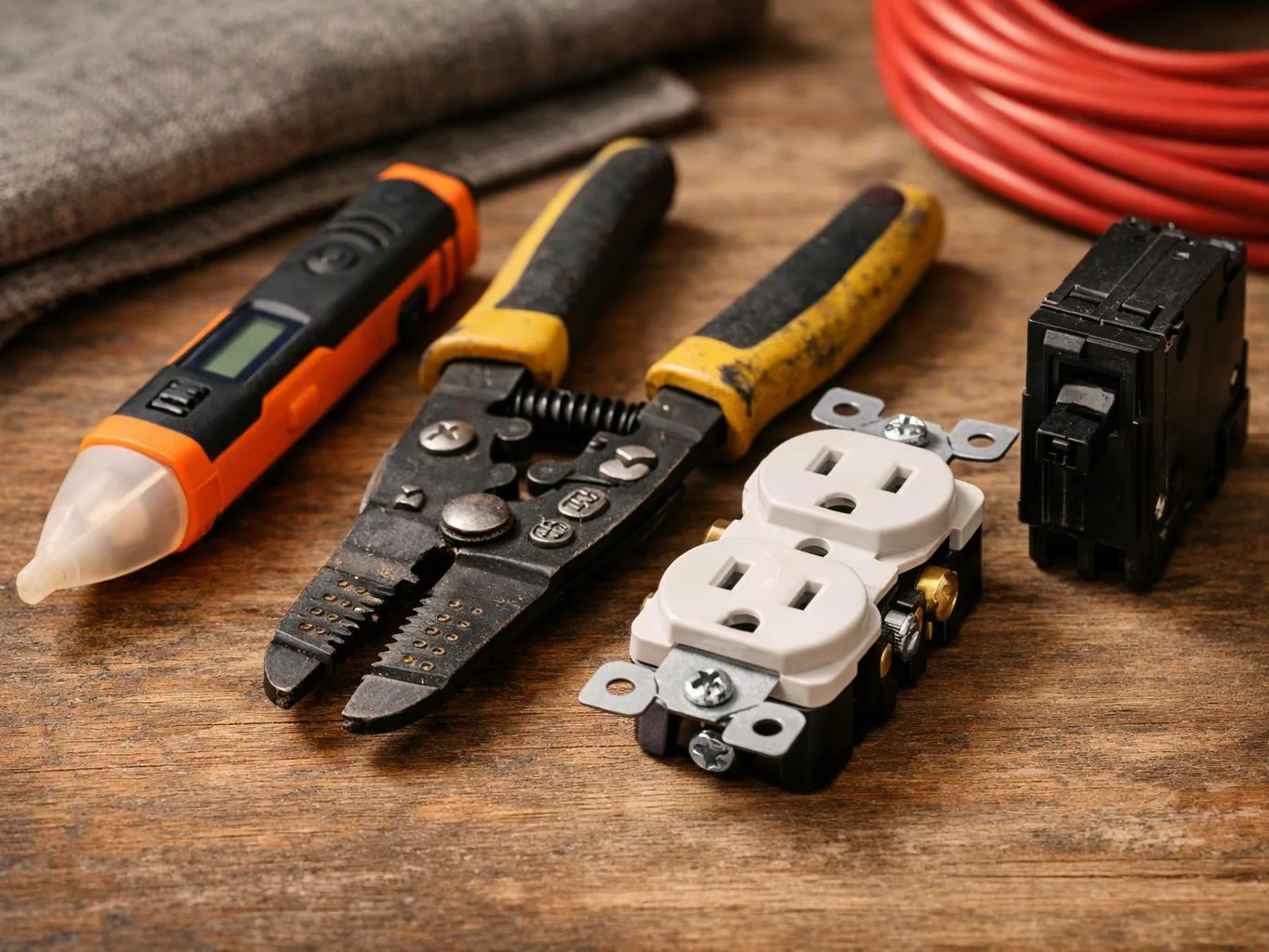
Electrical tools and parts lie on a wooden surface, including wire strippers, an outlet, a tester, and cables

ZIP Codes We Serve in Claremont, California

91711

Electrical troubleshooting and diagnostics in Other Areas

(951) 577-3540