How do electricians diagnose recurring breaker trips?
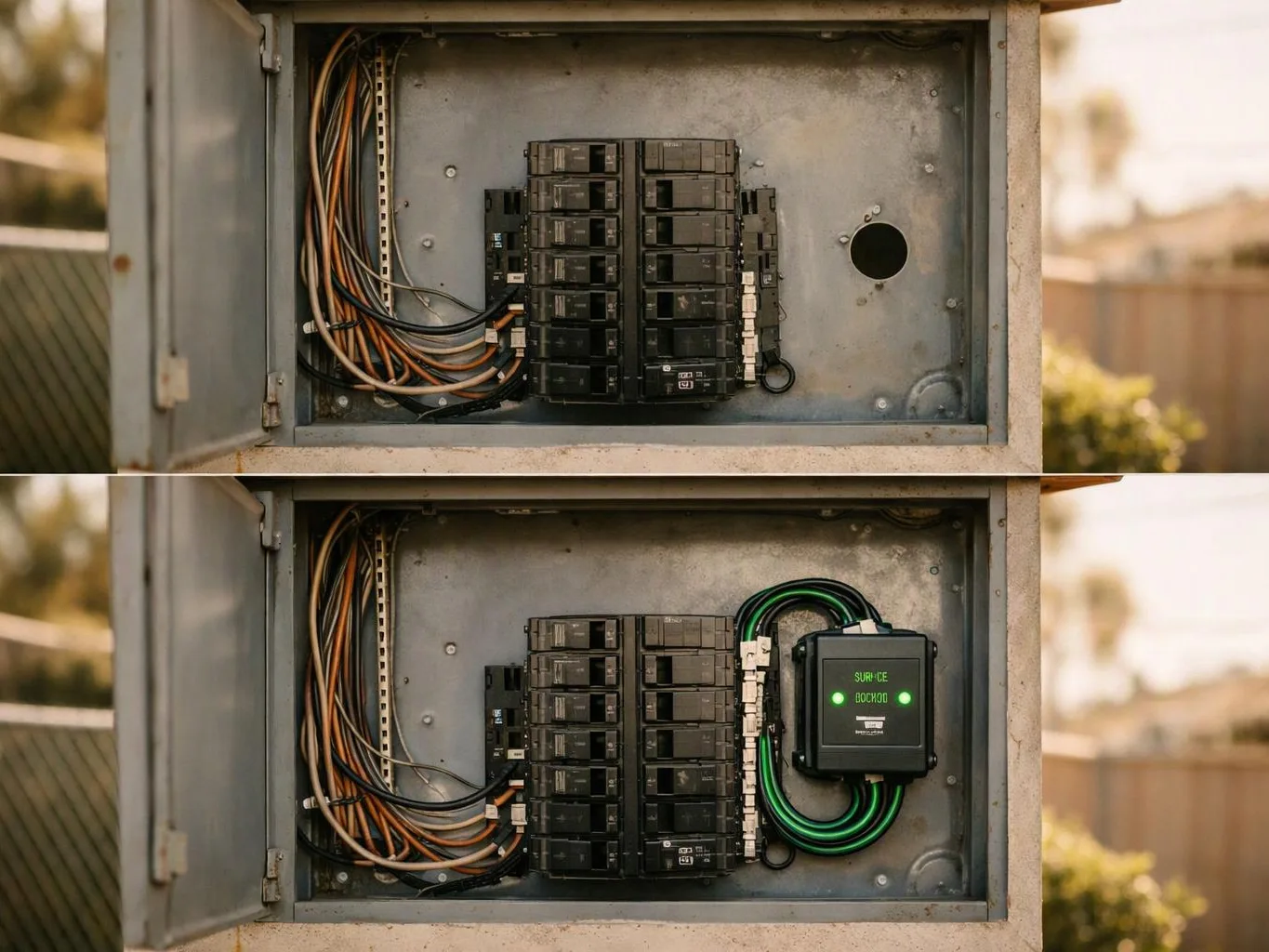
A recurring breaker trip is diagnosed by isolating the circuit and testing its load, wiring, and connected devices. Center Electric Service checks for a short circuit, ground fault, overload, or insulation damage. We inspect the panel first, then trace the circuit through outlets, switches, fixtures, and equipment. The findings determine whether the next step is repair, replacement, or further inspection.
What does the crew look at first during electrical diagnostics?
The electrical panel and affected circuit receive the first check. We note the tripped breaker, inspect visible connections, and identify what was operating when the fault appeared. Circuit tracing then follows the path to outlets, switches, lights, or equipment. This approach helps separate a panel issue from a fault farther along the circuit.
Which parts can cause one outlet to stop working?
A failed connection, tripped upstream device, damaged outlet, or wiring fault can stop one outlet from working. We test the outlet and check nearby devices on the same circuit. The inspection also covers the breaker and accessible wiring. A dead outlet can point to a larger circuit problem, so repeated resets are not a safe diagnosis.
When should I stop resetting a tripped breaker?
Stop resetting a breaker when it trips again after one reset or shows heat, buzzing, or a burning smell. We inspect the circuit to find the cause before restoring regular use. Keep clear of damaged outlets and switches, and turn off the affected circuit if it can be done safely. Repeated trips need testing, not repeated resets.
Why does a breaker trip only when equipment runs?
Equipment can trip a breaker when its load exceeds the circuit capacity or when the equipment or wiring has a fault. We measure the circuit load and test the connected equipment and wiring. The result helps separate an overload from a short circuit or ground fault. That distinction guides the repair scope.
What should be checked before electrical troubleshooting is scheduled?
The reported symptom, affected breaker, connected equipment, and visible damage should be recorded first. Photos of the panel label and affected outlet can help explain the problem. Do not remove panel covers or open energized equipment. We use the information to focus the assessment and identify the parts that need testing.
How does a circuit repair differ from an electrical inspection?
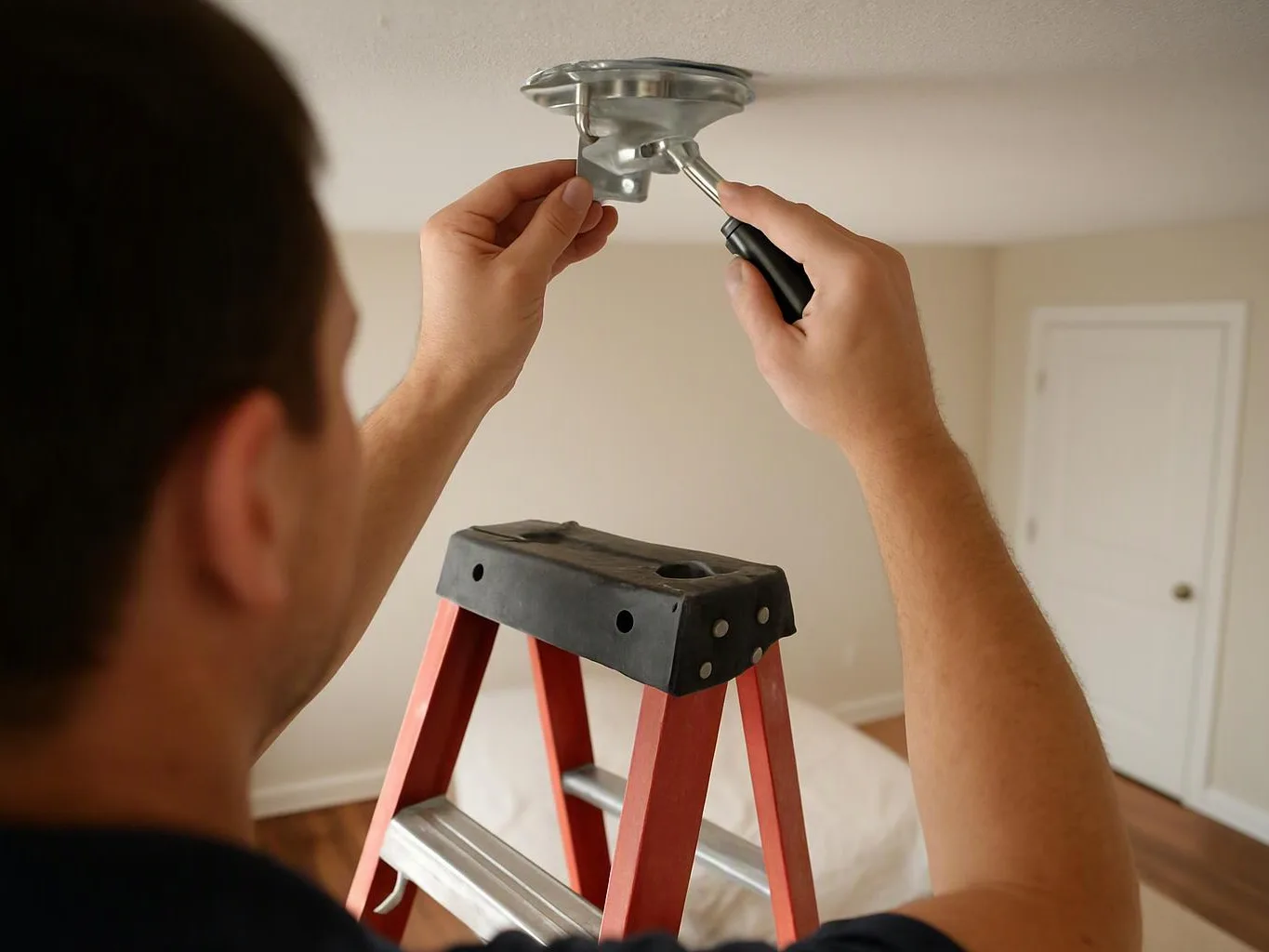
A circuit repair addresses a known fault, while an electrical inspection reviews system condition and safety more broadly. We use diagnostics to locate the cause of a specific symptom. We perform inspections when the property owner needs a wider review of panels, wiring, outlets, grounding, or code-related concerns. The selected service should match the decision you need to make.