How do electricians find the cause of repeated power loss?
Circuit testing finds repeated power loss by following voltage, continuity, load, and fault points. We start with the affected circuit and panel, then trace connected devices and wiring. The findings show whether the cause is a breaker, loose connection, failed device, overloaded path, or damaged conductor. We explain the repair scope after testing.
What should I do before requesting electrical troubleshooting?
The affected circuit and equipment should remain unused if heat, sparking, smoke, or a burning smell appears. Note which areas lost power and whether the breaker trips again. Keep access open to the panel and affected devices. Do not remove covers or handle exposed wiring before we assess the condition.
Which part of the property decides the troubleshooting scope?
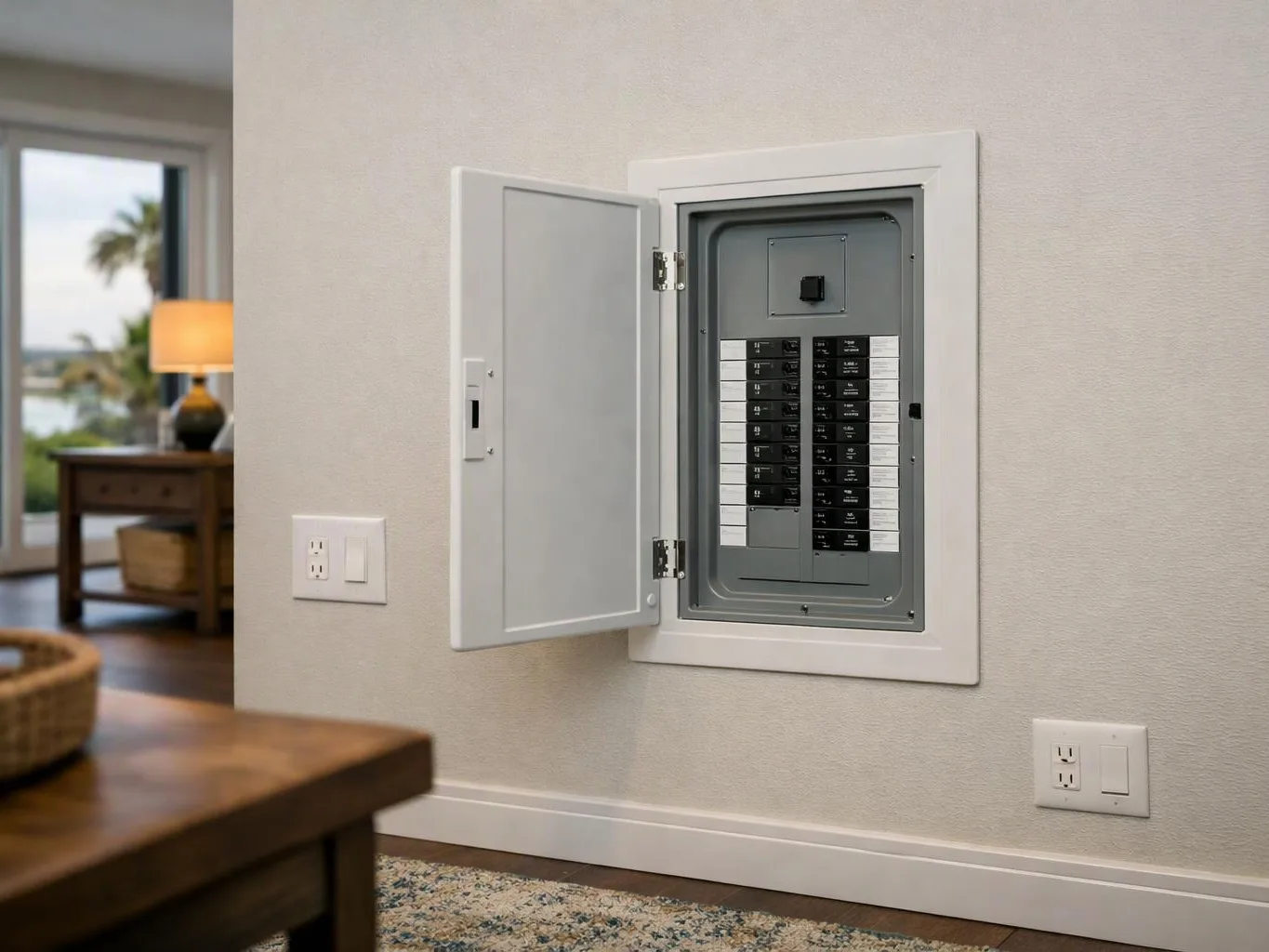
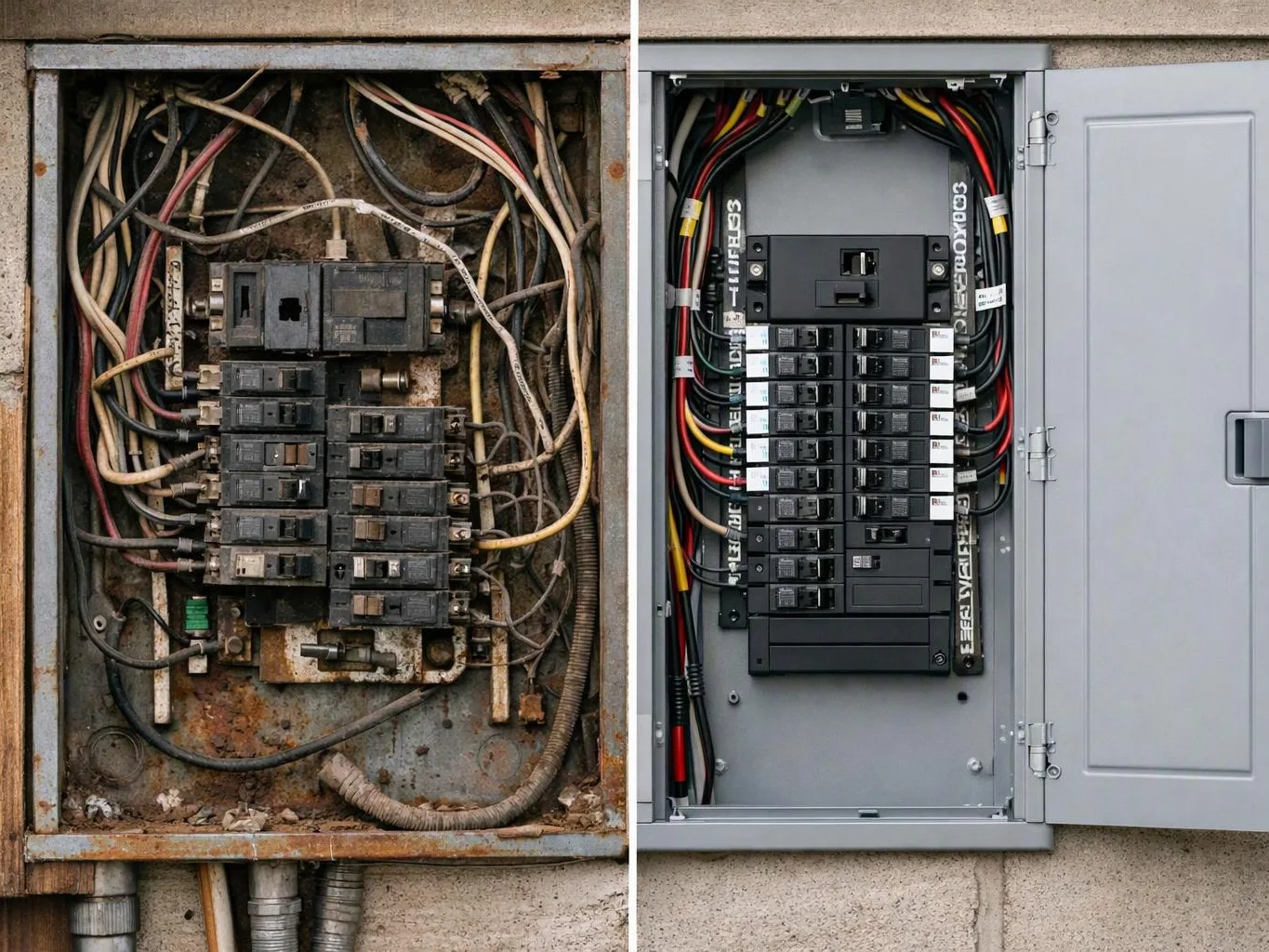
The affected circuit decides the initial troubleshooting scope. Panel condition, branch wiring, outlets, switches, and connected equipment can expand the work. We check the full path when symptoms cross rooms or devices. That approach helps separate one failed component from a wider electrical issue.
When does a tripped breaker need more than a reset?
A breaker needs further testing when it trips again, feels hot, buzzes, or interrupts power repeatedly. We inspect the breaker and trace its circuit before replacing anything. Repeated trips can point to a load problem, damaged wiring, a failed device, or a panel concern.
How does a troubleshooting visit move from the first call to the last step?
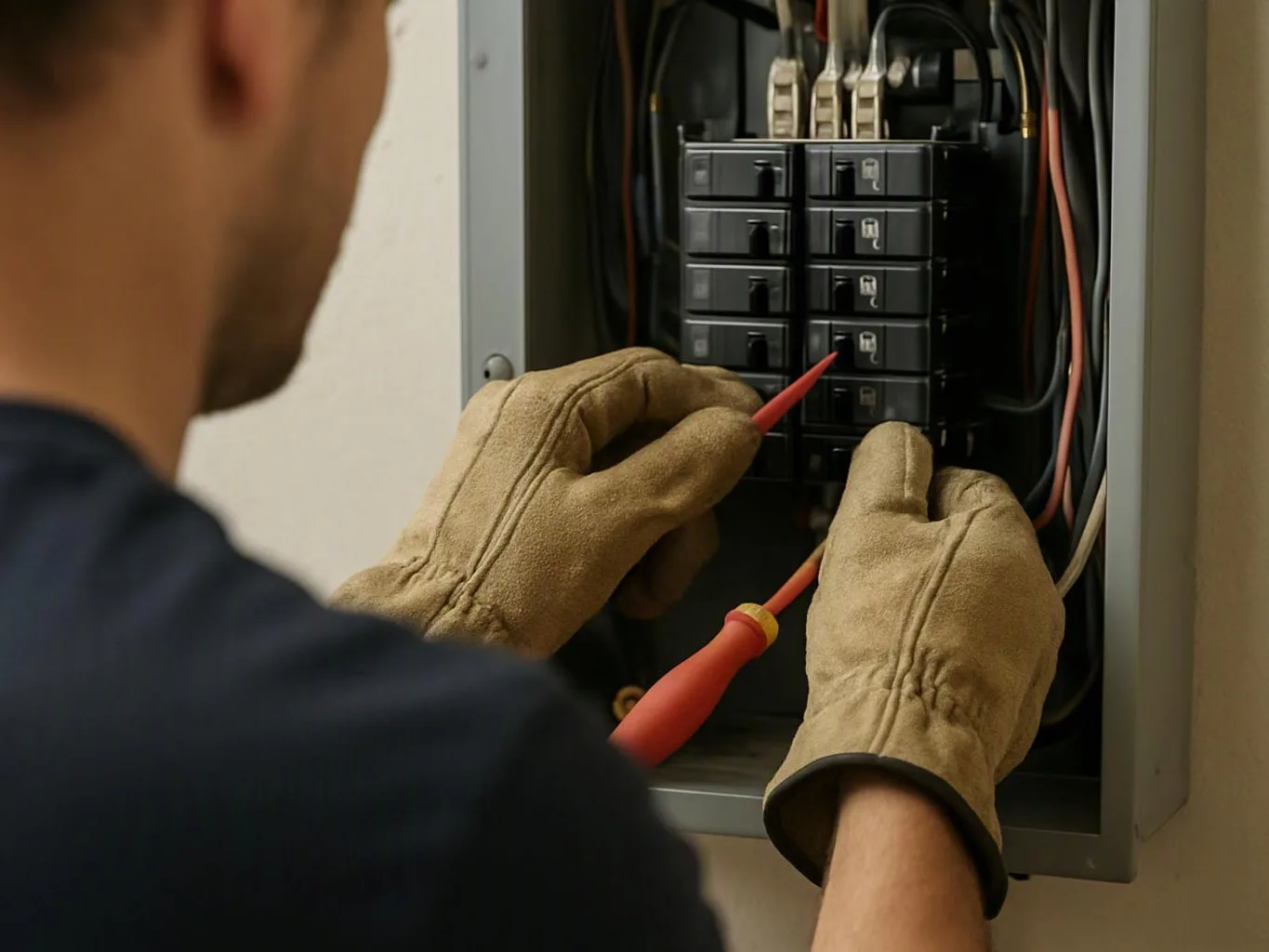
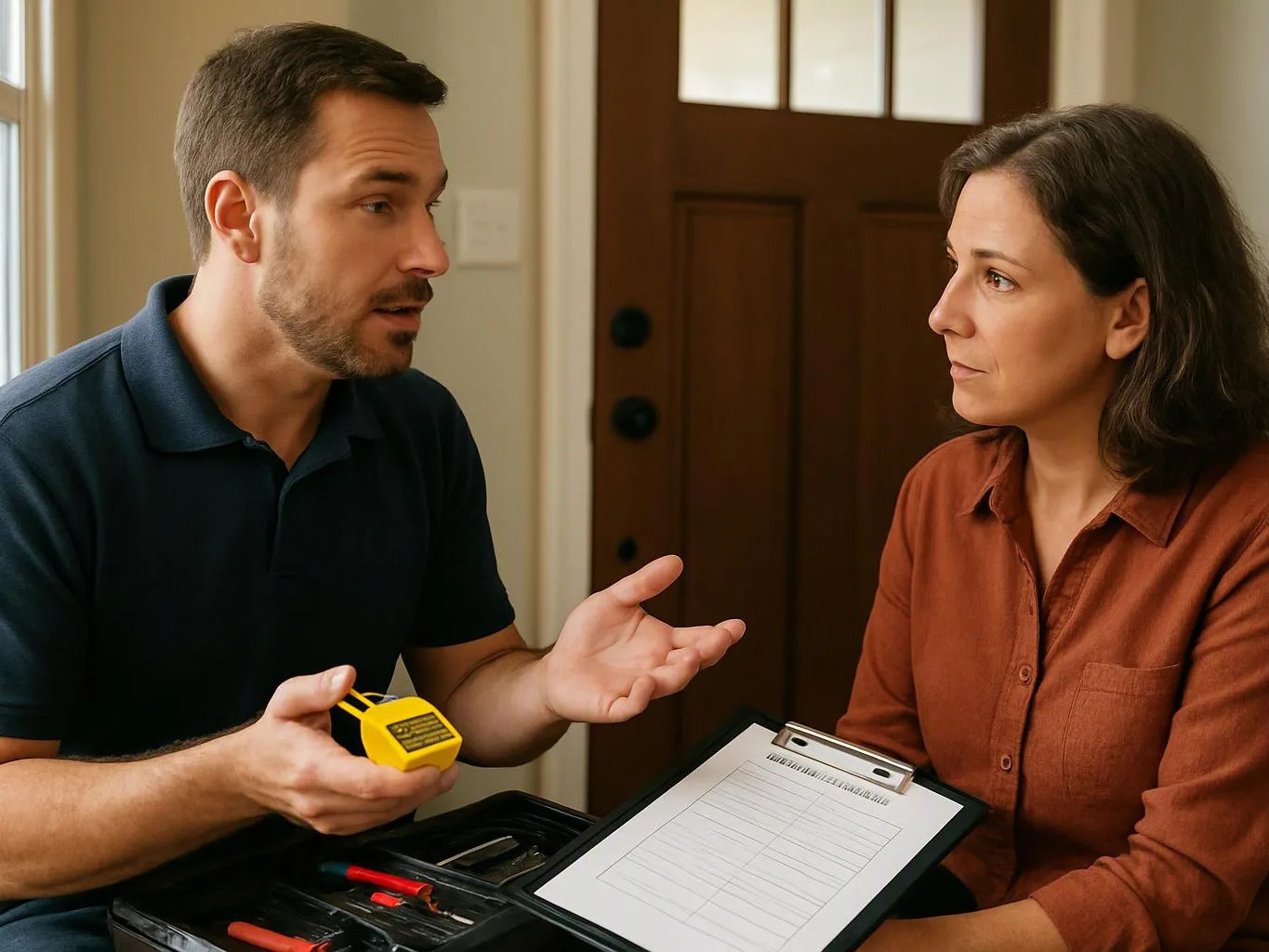
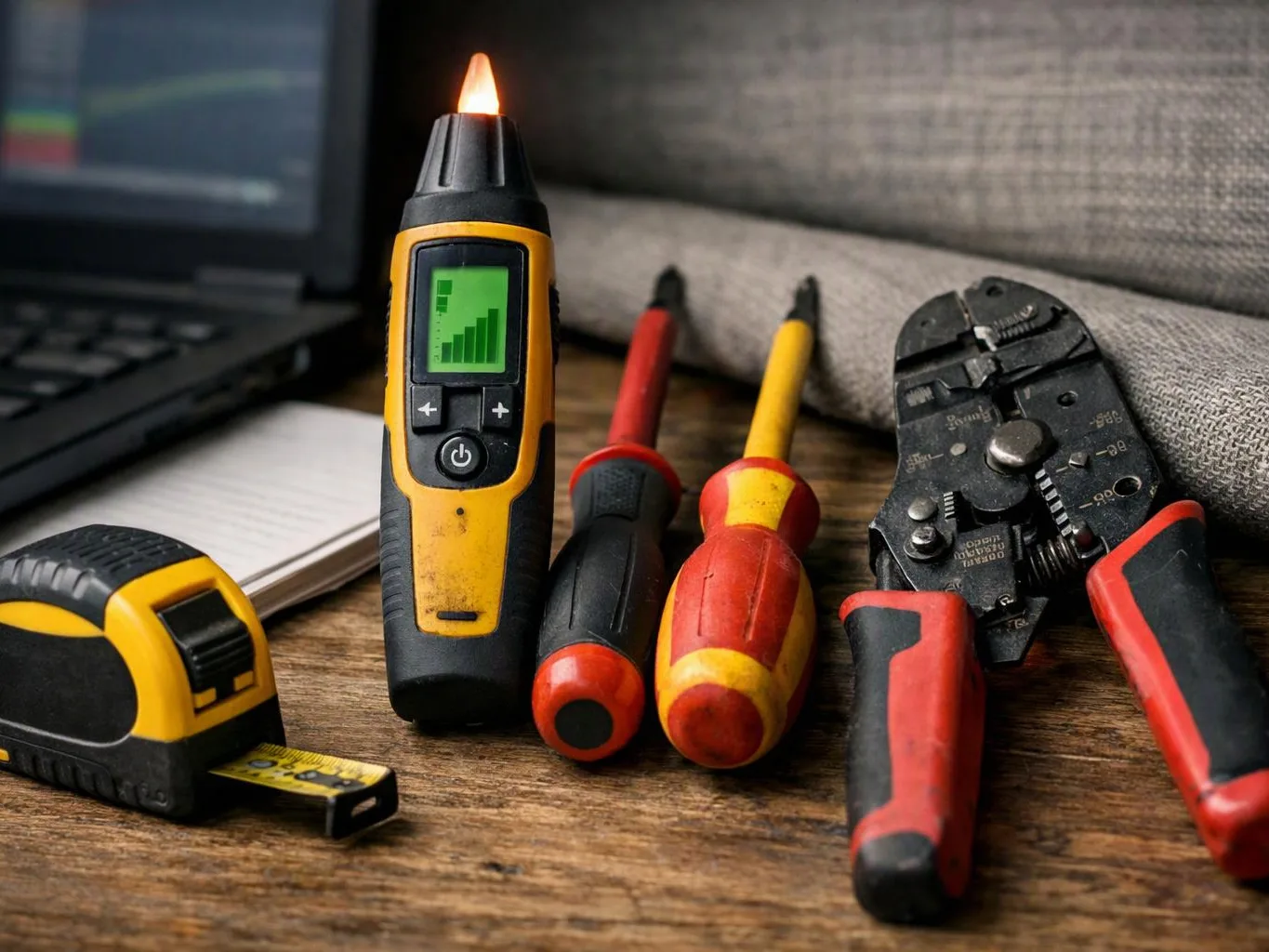
The visit moves from symptom review to inspection, testing, fault isolation, and a repair estimate. We identify affected circuits, check the panel, take voltage readings, trace loads, and test continuity. The final step is a plain explanation of the finding and the work needed to correct it.
Can electrical troubleshooting fit both homes and businesses?
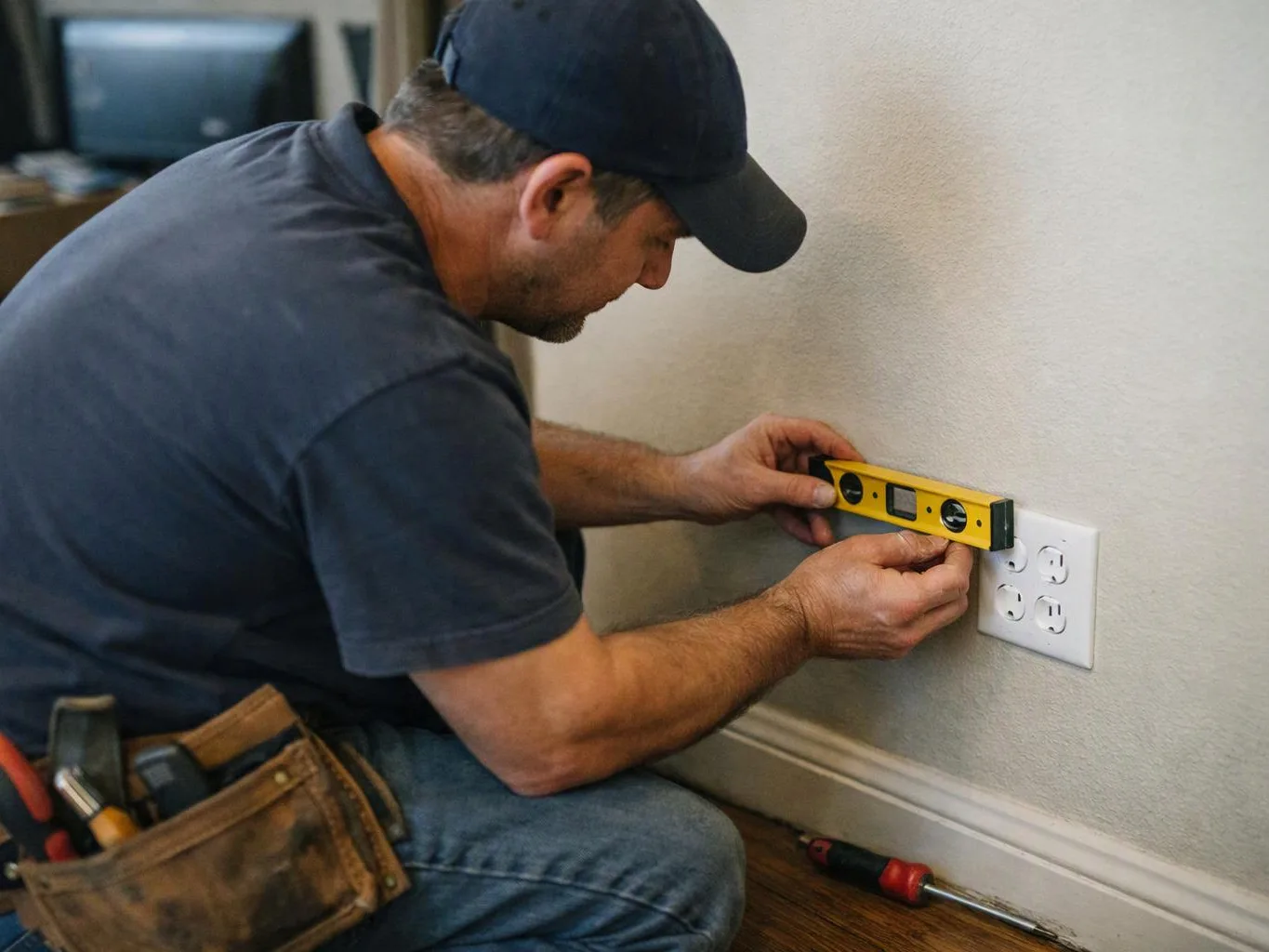
Electrical troubleshooting fits homes and businesses when a property has unexplained power loss, circuit trips, faulty wiring, or electrical surges. We adjust the inspection to the panel, branch circuits, equipment, and access available at the property. Commercial service also considers equipment downtime and safe access around operating areas.