What maintenance does landscape lighting require?
Fixture adjustment, lens cleaning, bulb replacement, cable inspection, and transformer testing keep outdoor lighting working as intended. Center Electric Service checks these parts based on the symptoms you describe. We also look for loose fixtures, damaged cable, and failed sockets. The inspection helps separate a small maintenance task from a wider electrical repair.
What should be ready before outdoor lighting work starts?
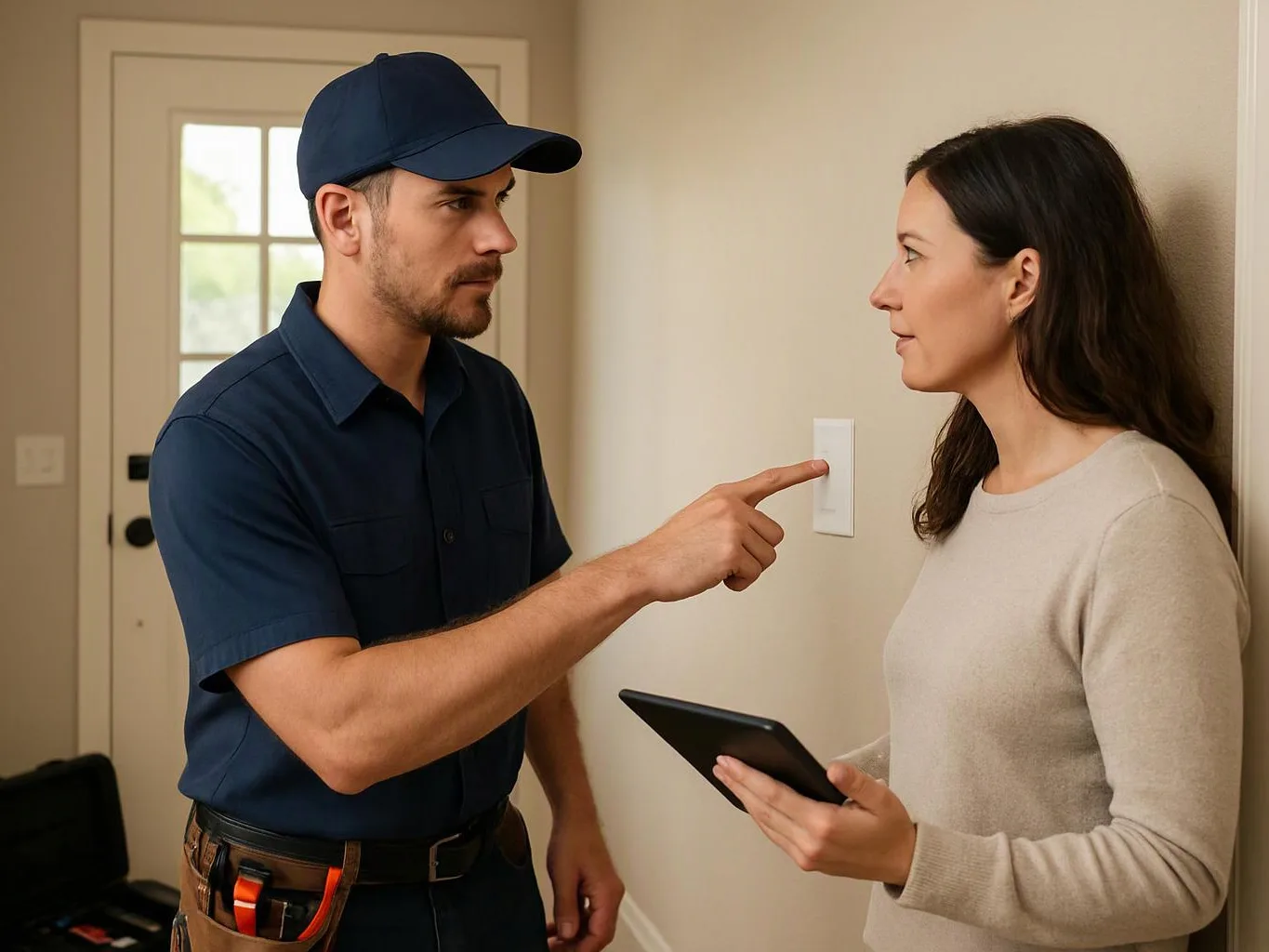
Access to the fixtures, transformer, and visible cable helps us inspect the lighting system. Clear leaves, stored items, and movable objects from those areas when possible. Keep notes about dark fixtures, flickering lights, or recent yard changes. Photos can also help us understand the affected area before scheduling an assessment.
What should a customer ask before agreeing to the work?
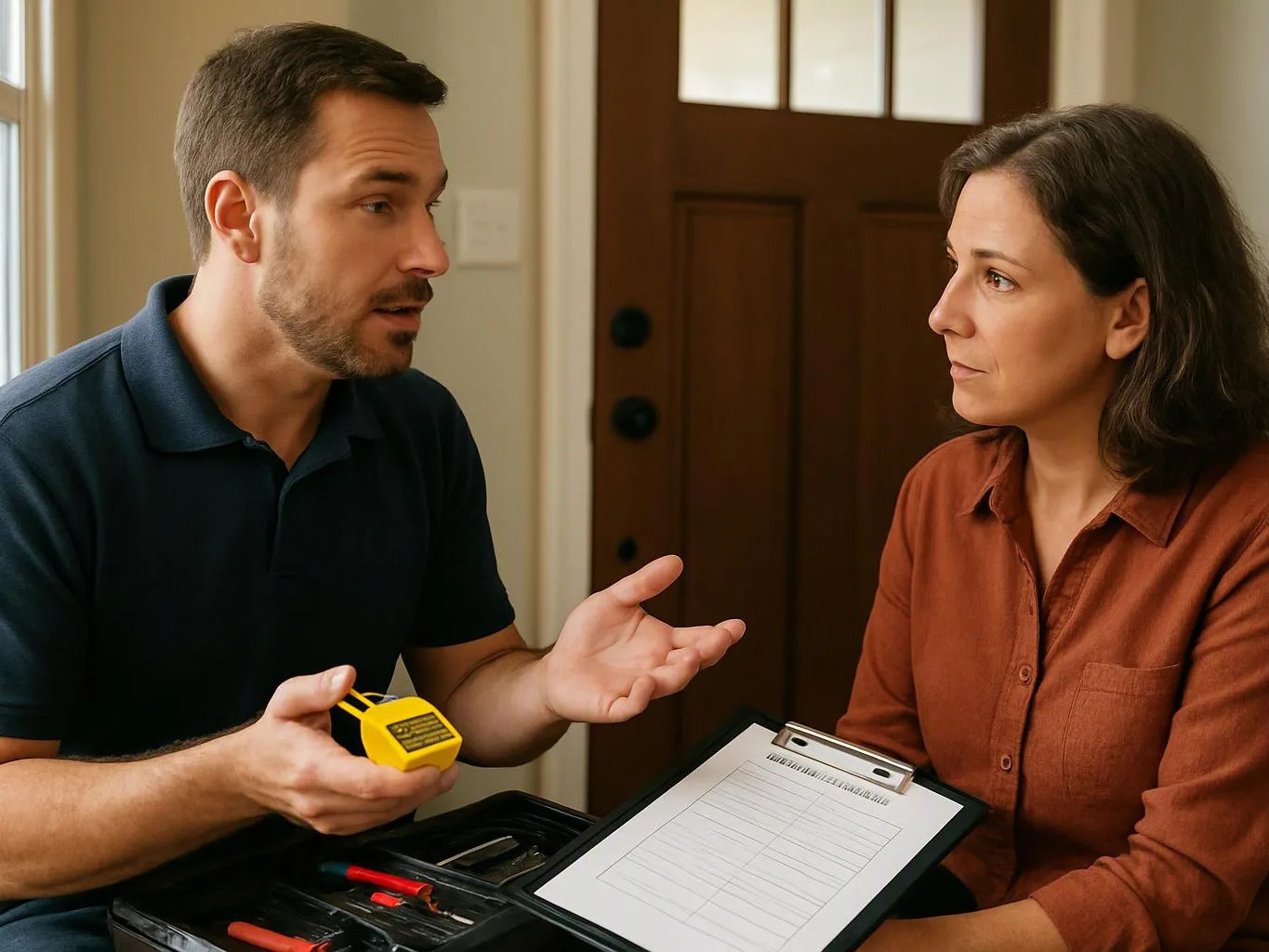
The work scope should state which fixtures, bulbs, cables, lenses, and transformer parts will be checked or changed. Ask whether the recommendation covers maintenance, repair, or new installation. We explain the cause we found, the work selected, and the parts that remain outside the stated scope.
Which property condition changes the time needed for lighting work?
Cable access, buried connections, damaged fixtures, and transformer location can change the time needed for the work. Dense planting or fixed surfaces may limit access to cable and connections. We inspect the site first, then explain how access and the condition of each part affect the work plan.
How do you tell whether a bulb or cable caused the outage?
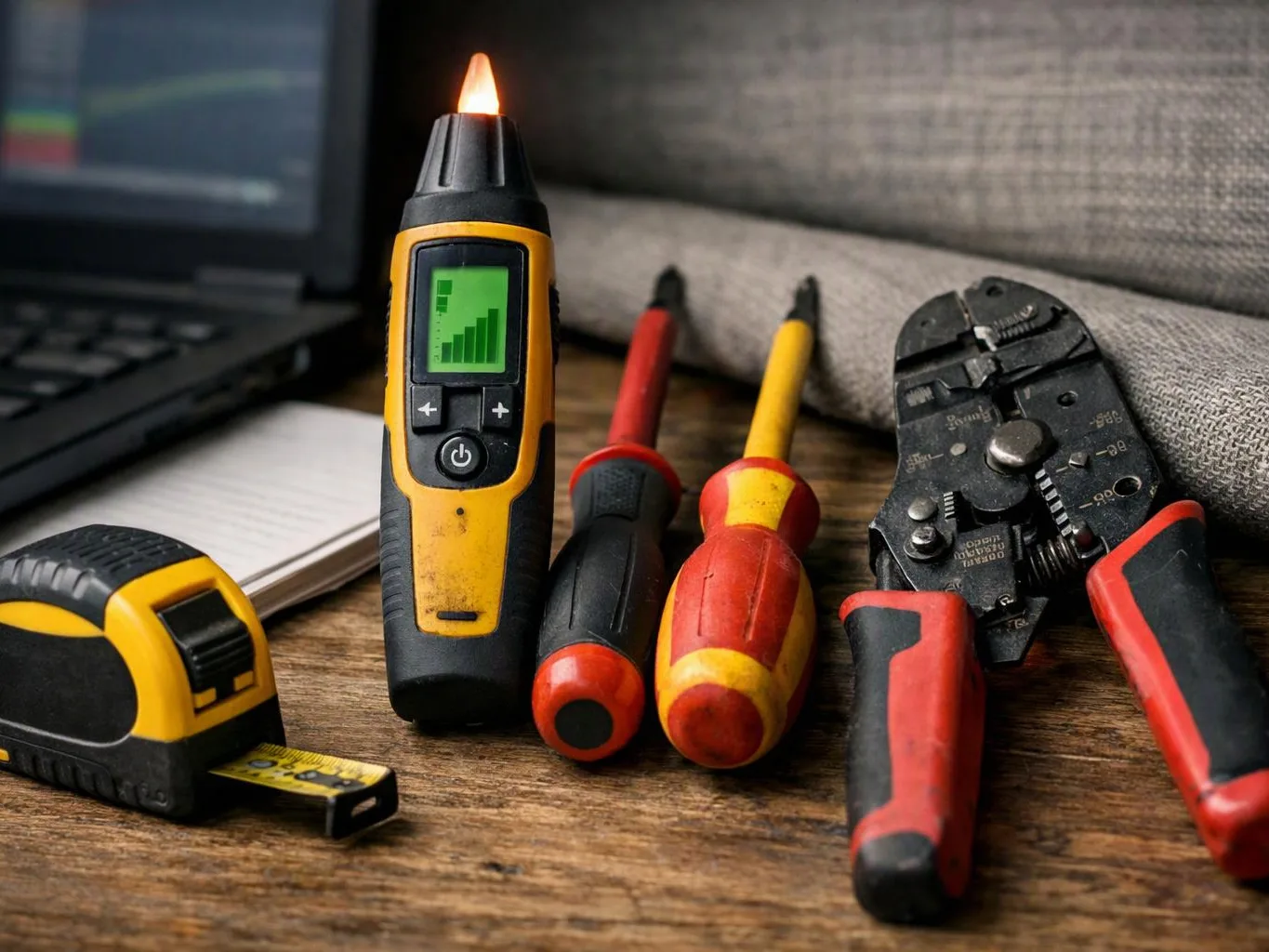
A single dark fixture often points to a bulb, socket, or fixture issue, while several dark fixtures can point to cable or transformer trouble. We test the affected fixture and trace the connected section. That check helps prevent unnecessary bulb replacement when the fault sits elsewhere.
When should outdoor lighting receive an electrical inspection?
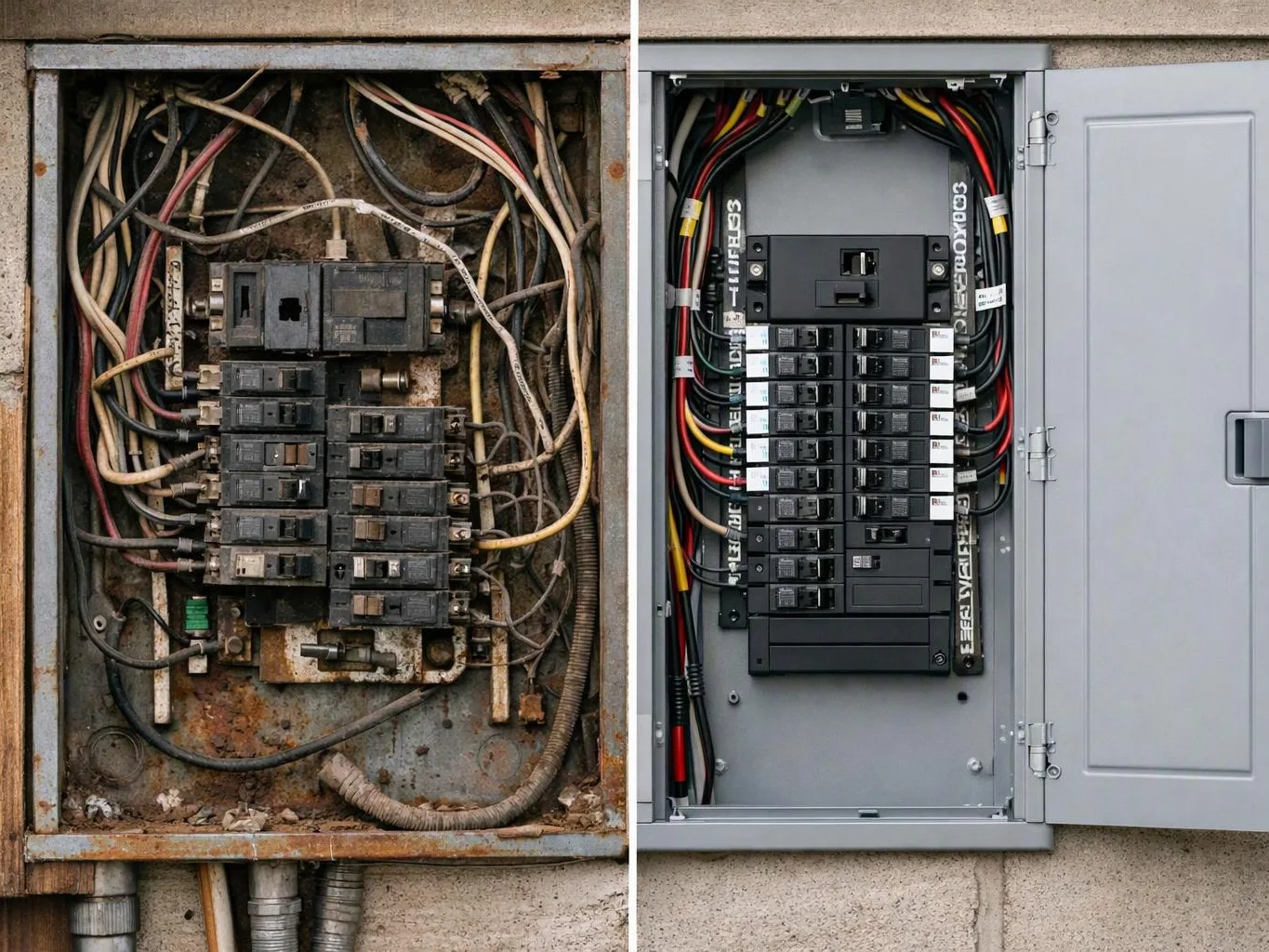
An electrical inspection is appropriate when lights flicker, several fixtures fail, cable looks damaged, or the transformer shows signs of trouble. We inspect the system before recommending repairs. Turn the lighting off if you see exposed conductors, sparking, or a burning smell, then request electrical service.
Why do outdoor lights create glare after a yard change?
Fixture position and lens direction can send light toward windows, driveways, or walkways after the surrounding yard changes. We check the aim, height, lens, and nearby obstructions. Adjustment may correct the glare, but a damaged housing or unstable base may need separate repair.