How is low-voltage landscape lighting installed?
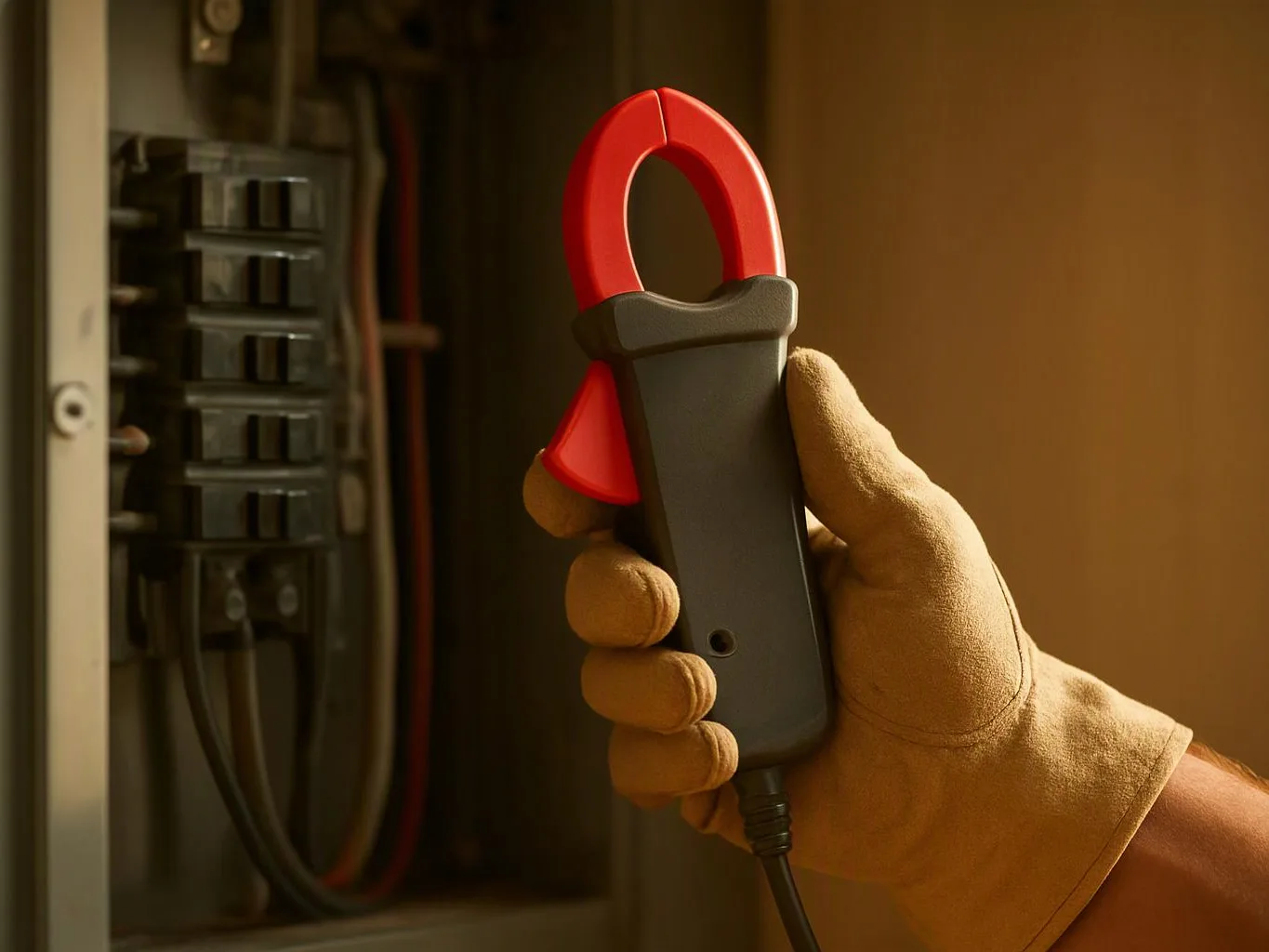
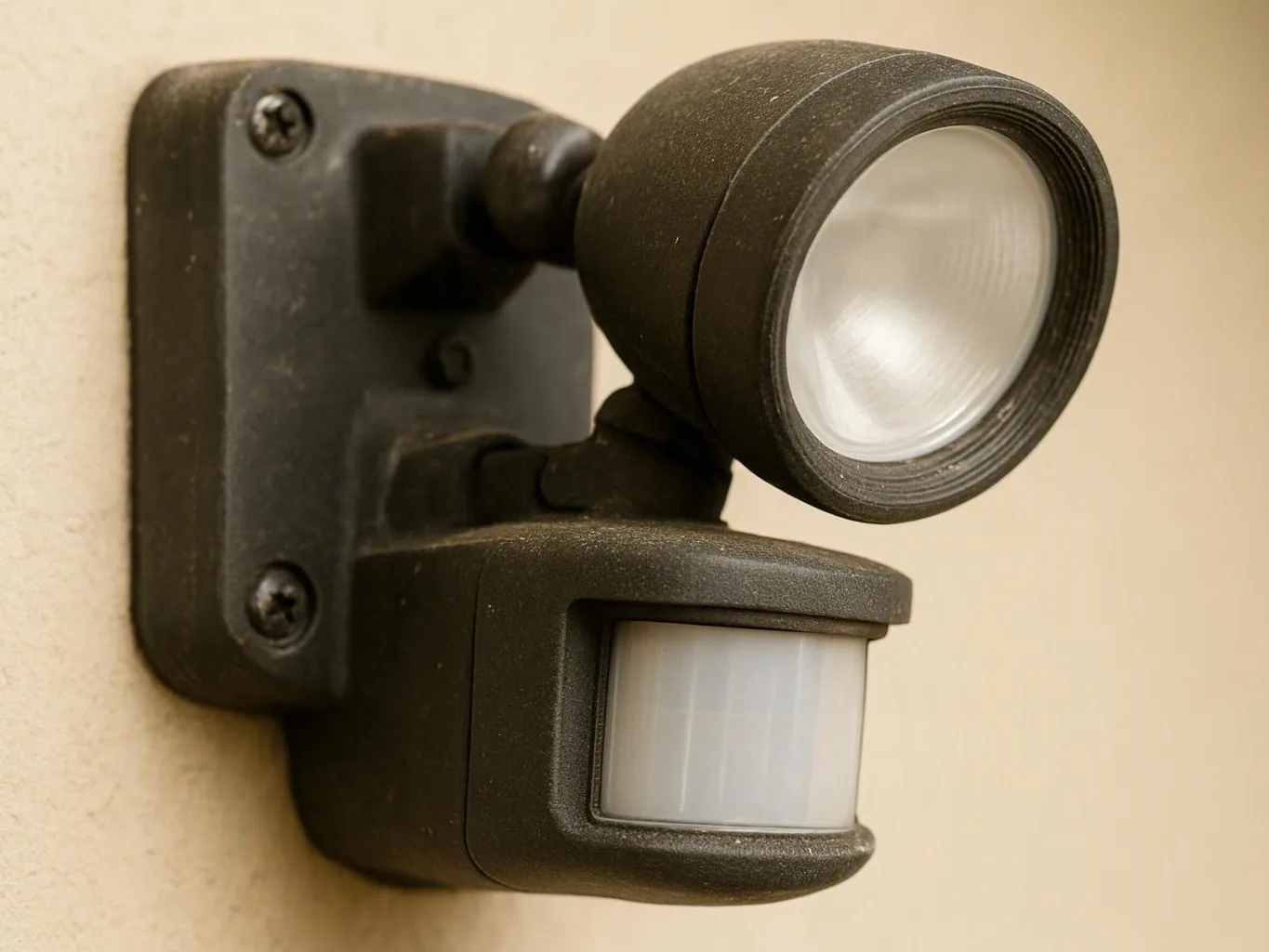
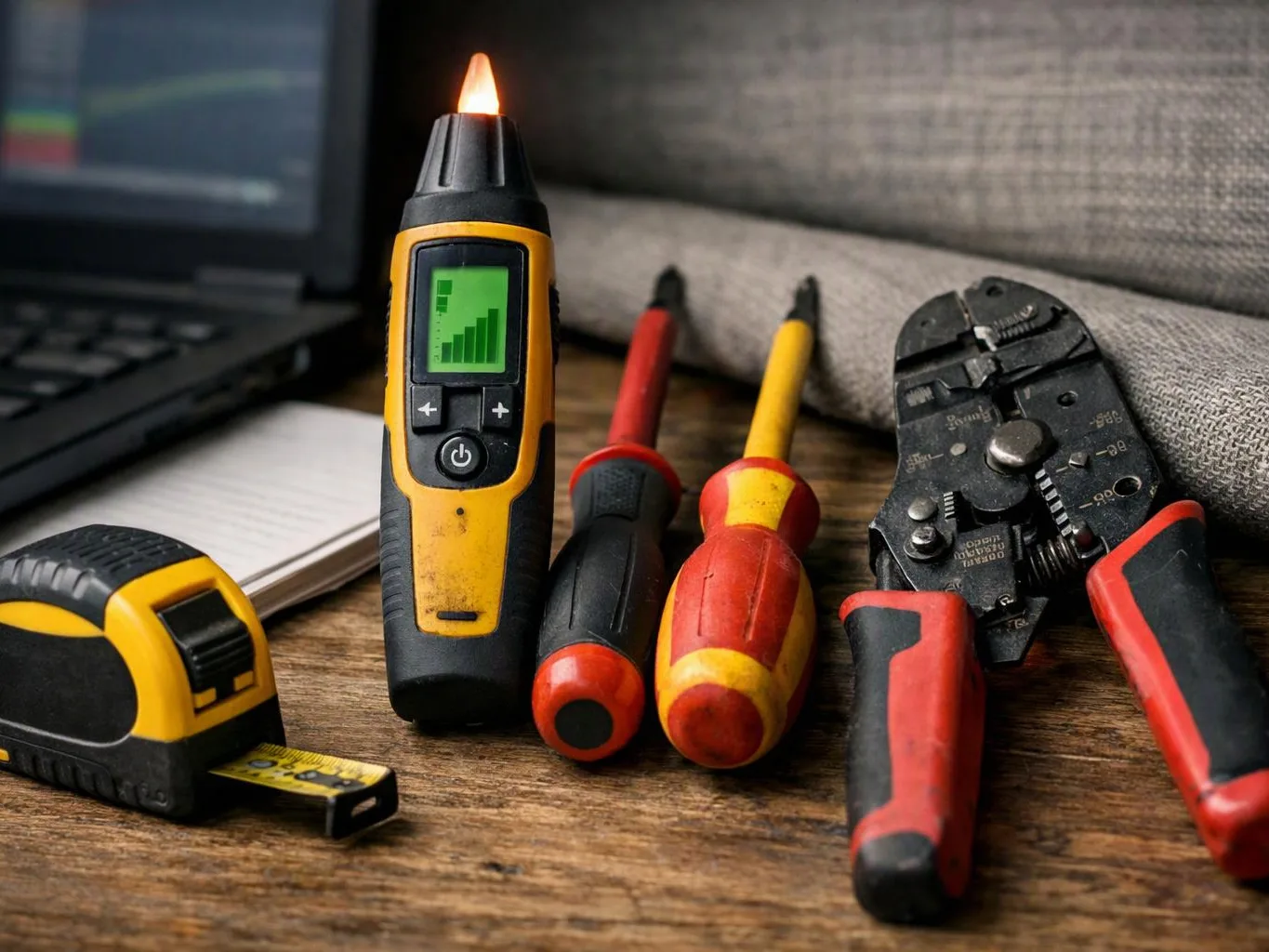
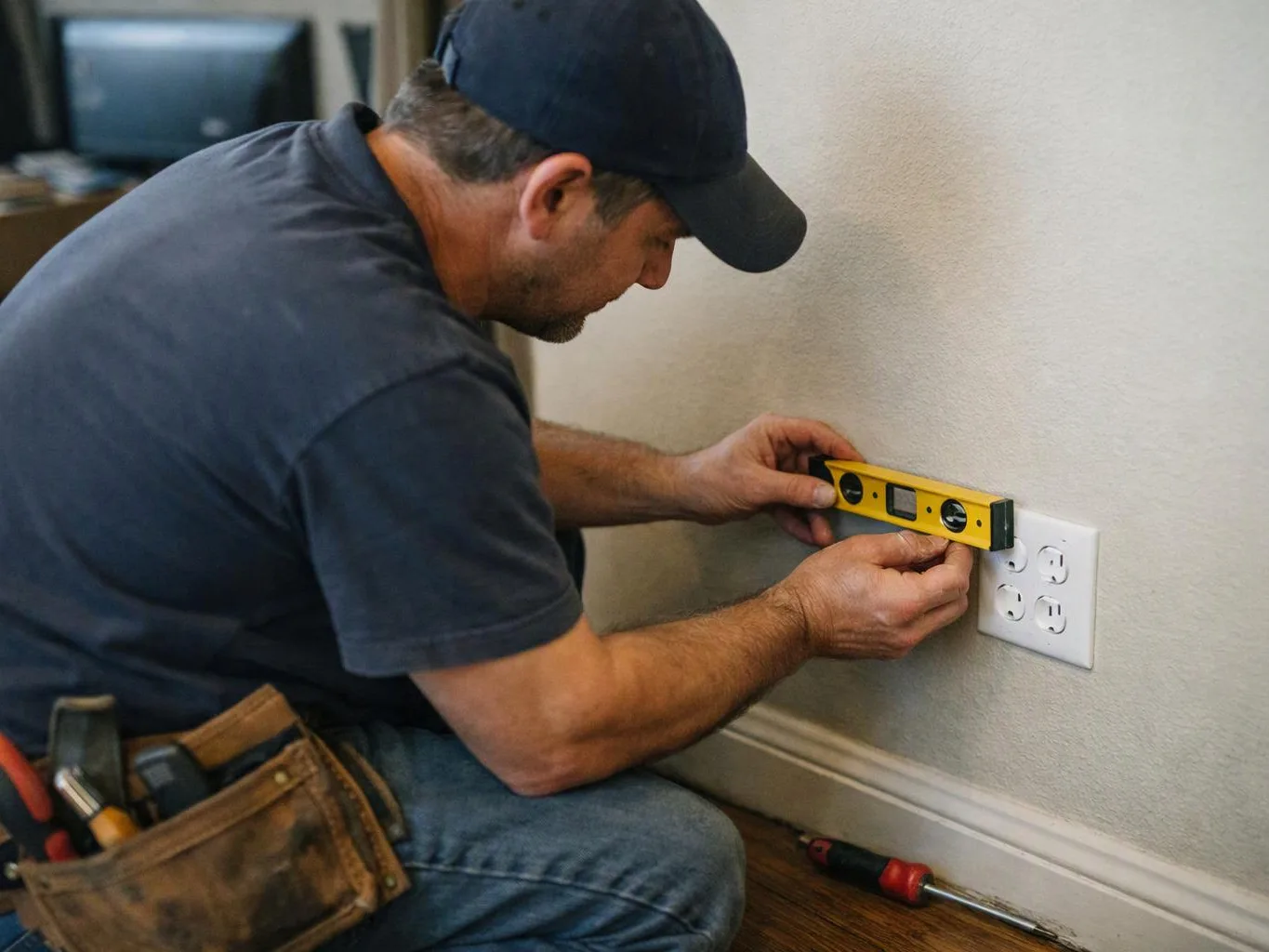
Buried cable is routed from a transformer to the outdoor fixtures, then connected and tested. Center Electric Service maps the fixture layout, checks the power supply, places the cable, and connects the controls. We test voltage at the transformer and fixtures after installation. This process helps identify loose connections and voltage drop before the system is placed into regular use.
What does the crew look at first during landscape lighting installation?
The fixture layout and available electrical supply are checked first. We confirm the cable path, transformer location, access points, and control needs before setting the installation scope. The inspection also looks for existing lighting faults that could affect the new circuit. A clear route helps us plan the work without guessing at buried connections.
What should be checked before outdoor lighting is scheduled?
The property should have a defined lighting layout, an accessible power source, and a clear cable route. We also need to know which areas need timer control and whether existing lights already have faults. Keep plants, stored items, and outdoor equipment clear of the planned work area. Those details help us prepare an accurate estimate.
Which part of the job can change the estimate?
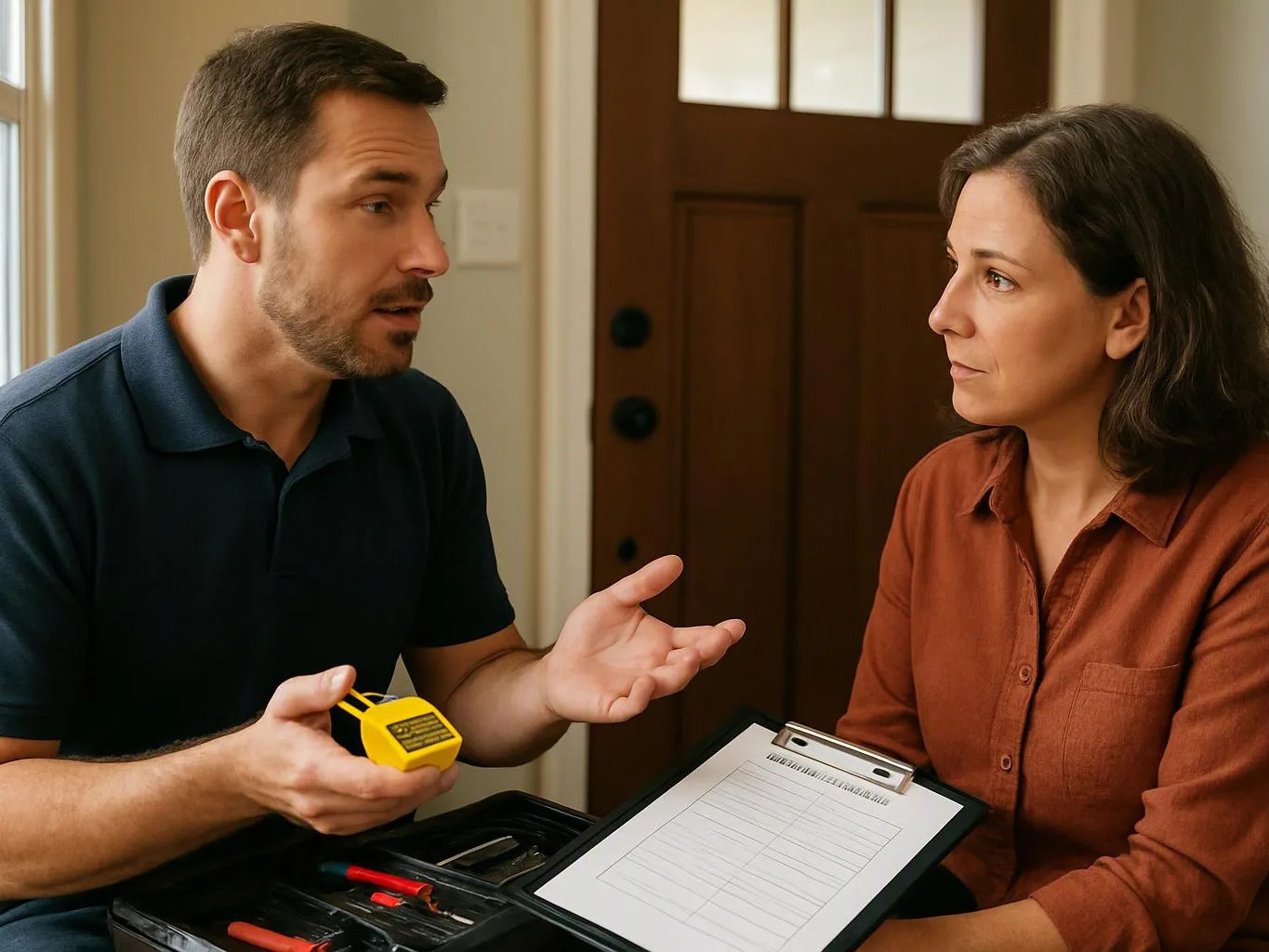
Cable routing, fixture count, transformer capacity, access, and existing wiring affect the estimate. Longer runs can require more cable and closer voltage checks, while damaged connections add repair work. We review the site conditions and proposed lighting plan before preparing the price. Free estimates are available for this service.
Who is a good fit for landscape lighting installation, and who needs another service?
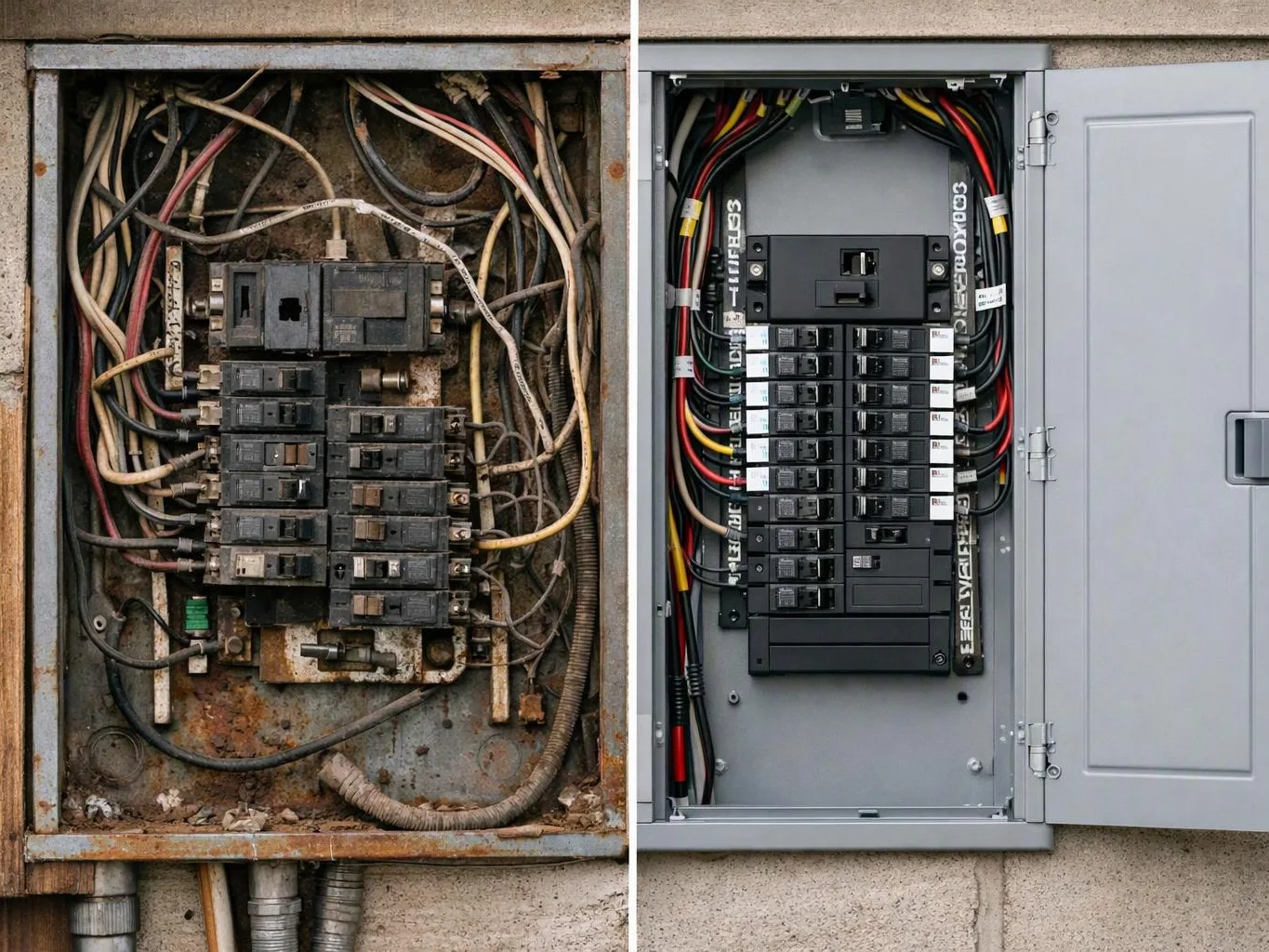
Homeowners, businesses, and property managers with outdoor lighting goals are good fits for this service. We install low-voltage circuits, controls, and connections for planned lighting layouts. A property with a main power failure, damaged service entrance, or unsafe panel needs electrical troubleshooting first. We can assess that broader issue before discussing landscape lighting.
Why do distant landscape lights look dim?
Distant fixtures often look dim because voltage drops along a long cable run or a connection has weakened. We measure voltage at several points, inspect the connectors, and test the transformer output. The repair may involve correcting a connection, revising the cable route, or addressing the power supply. We explain the cause before proposing work.
When should a lighting system be checked urgently?
A burning smell, sparking connection, buzzing control, or repeated breaker trip calls for urgent electrical attention. Stop using the affected lighting circuit and keep people away from damaged equipment. We inspect the circuit, isolate the unsafe section, and identify the repair needed. Do not handle exposed cable or wet electrical connections.