How should motion sensor security lights be positioned?
Center Electric Service positions motion lights toward the intended movement path, with mounting height and sensor angle matched to the coverage area. We check detection range, trigger zones, and nearby obstructions before final testing. The fixture should light the target area without pointing the sensor toward unwanted movement or reflective surfaces.
What does the first visit check before installation?
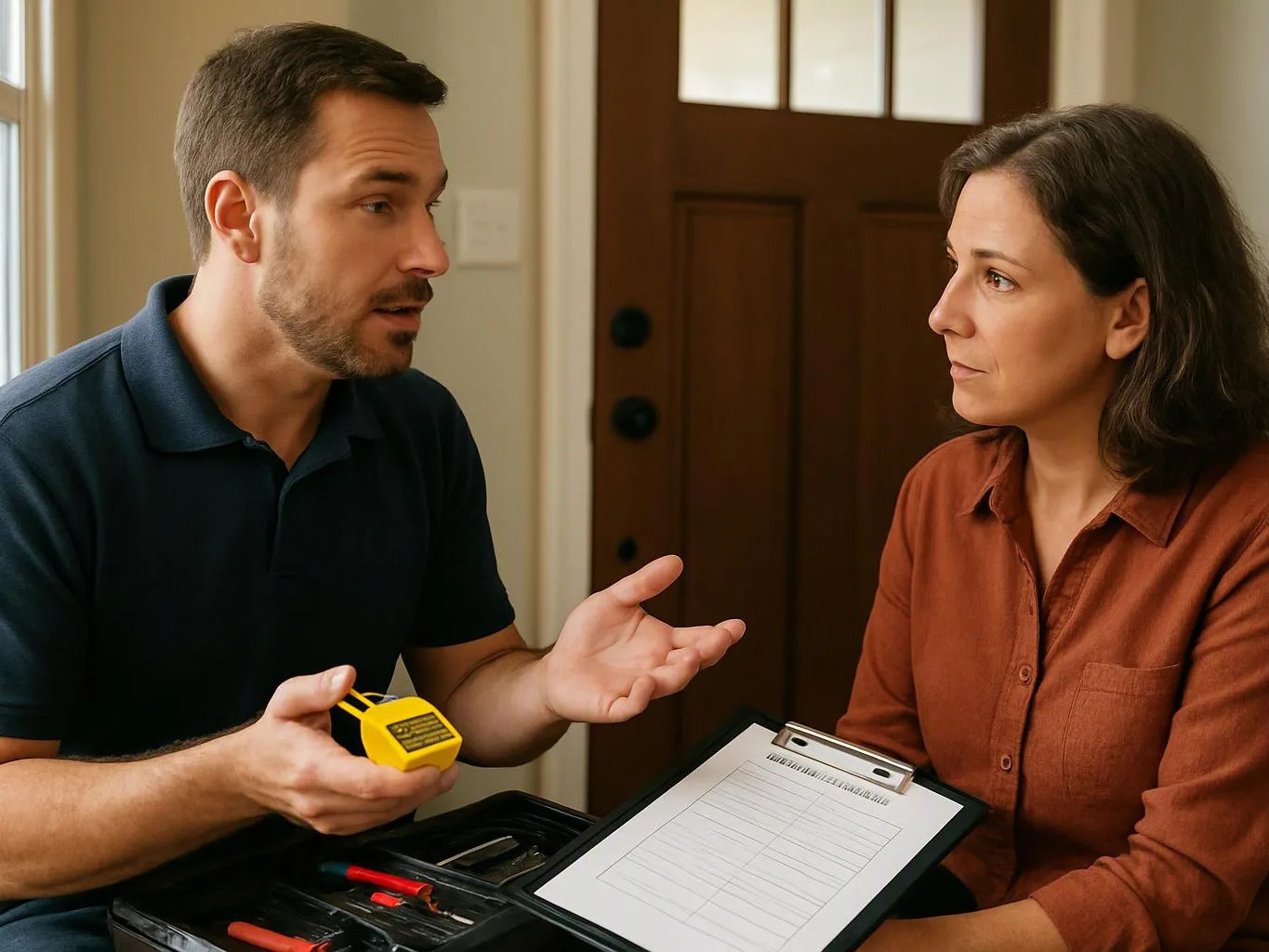
The first visit checks the lighting area, mounting surface, circuit, wiring path, fixture position, and sensor coverage. We also look for dead outlets, weak connections, or a breaker issue that could affect the work. Customers receive a quote based on the inspection and selected coverage.
Which part of the property decides the lighting scope?
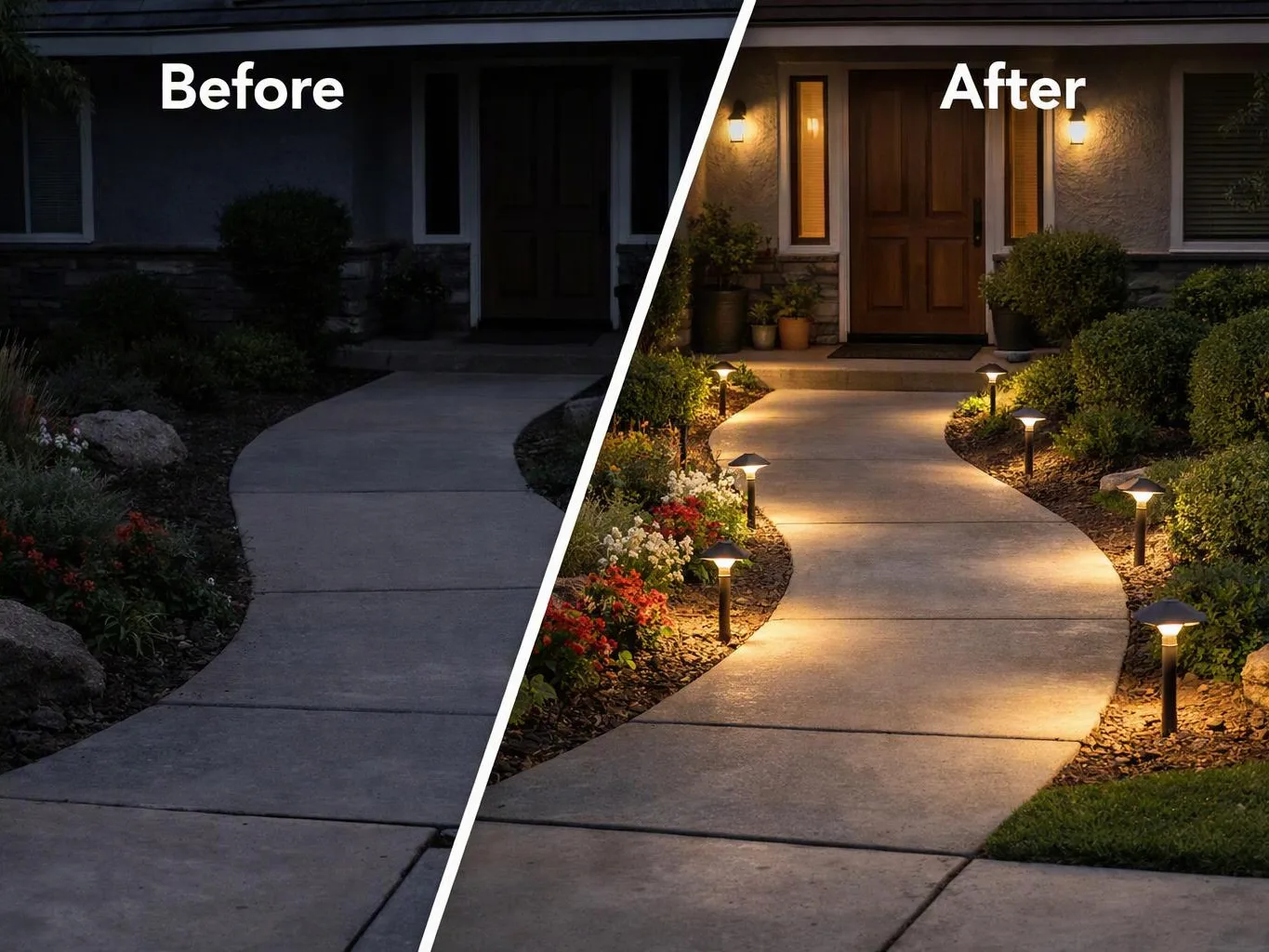
The target area decides the lighting scope because entry points, walkways, side yards, and parking areas need different coverage. We review access, fixture position, wiring distance, and the sensor field for that area. The selected location also determines whether one circuit or related electrical work is needed.
When does security lighting need electrical troubleshooting?
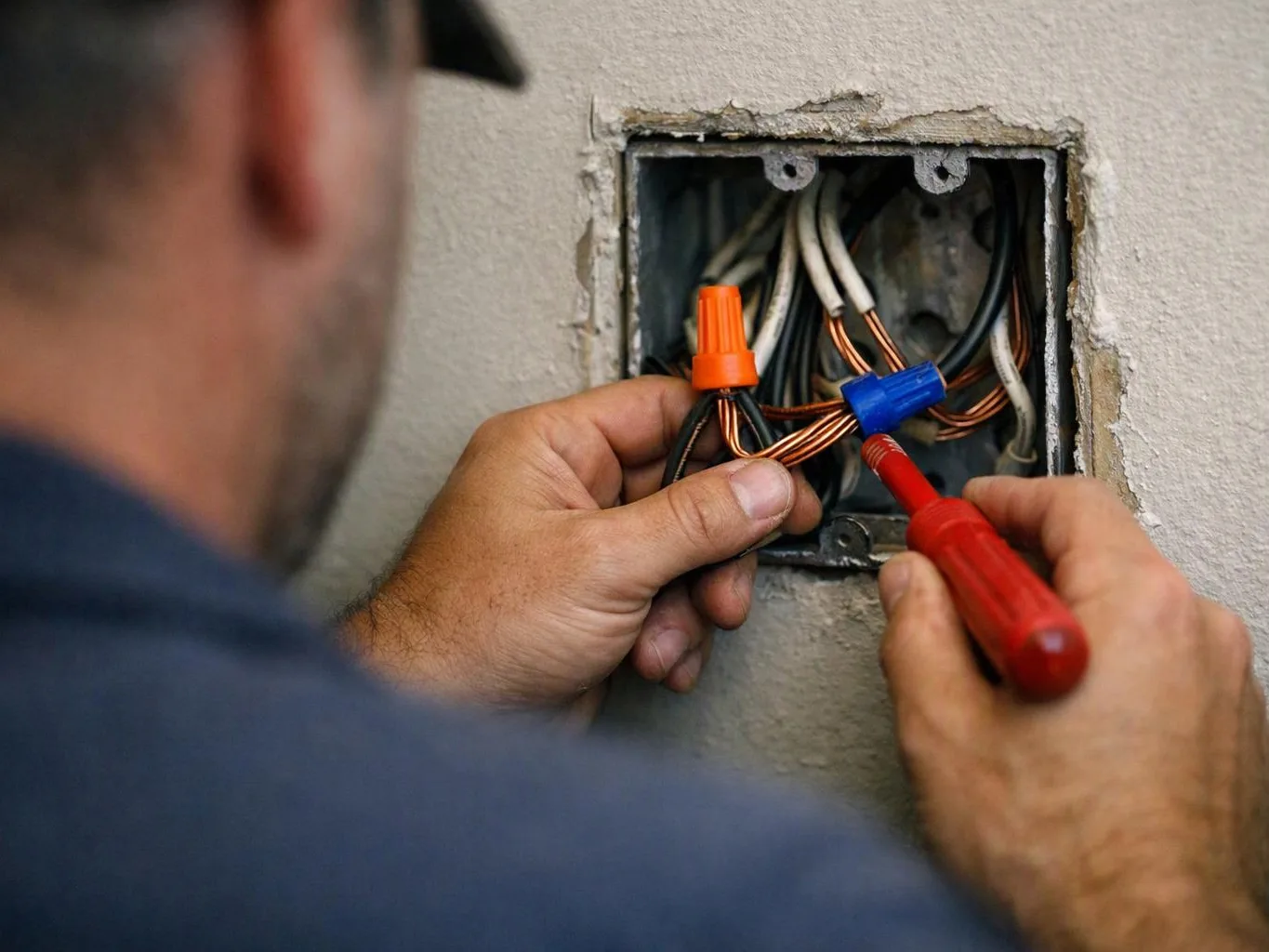
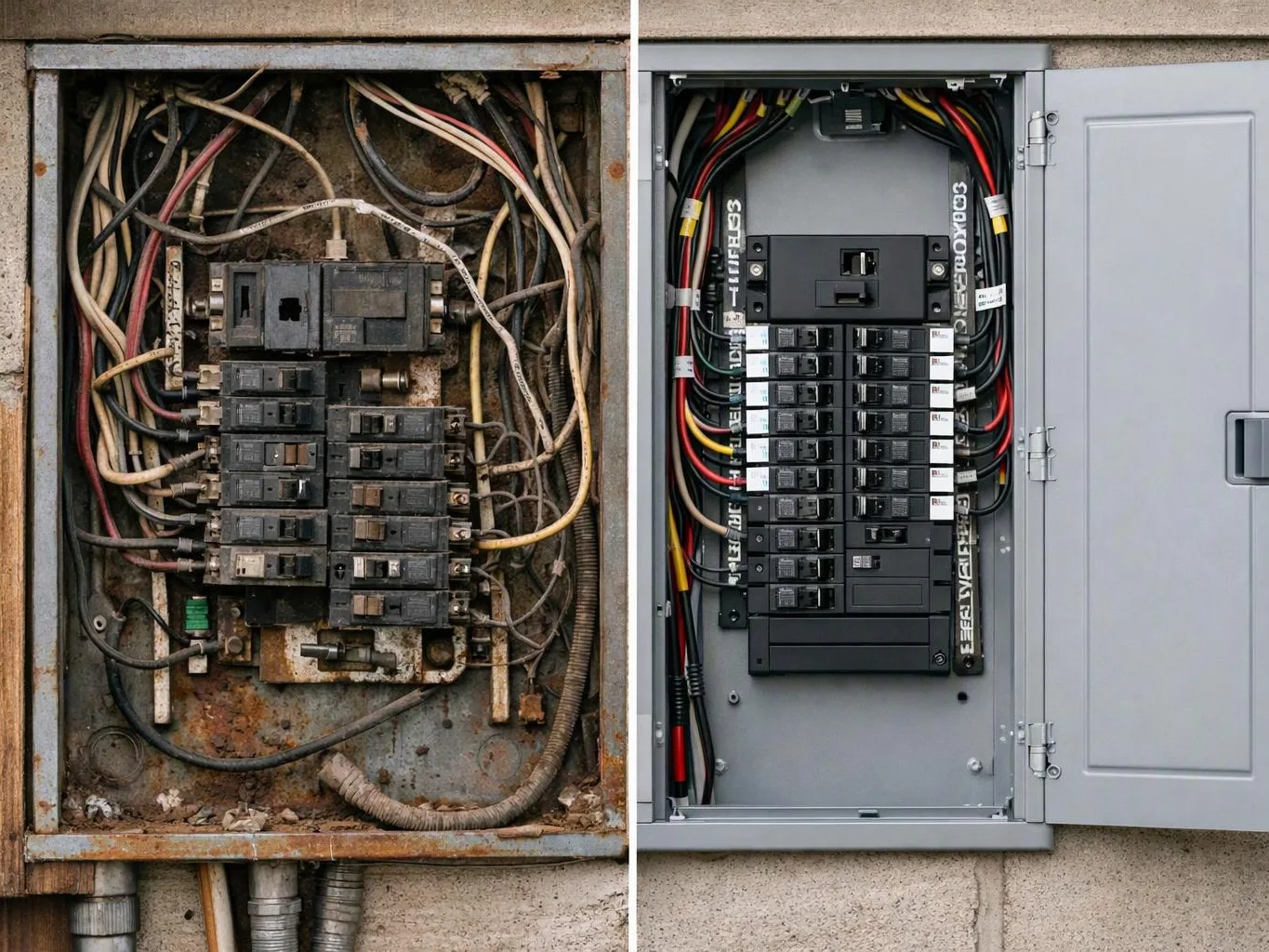
Electrical troubleshooting is needed when a fixture stays off, flickers, trips a breaker, or has a dead switch or outlet. We test the fixture and trace the circuit to separate a sensor issue from a wiring or power problem. Our team then explains the repair or installation scope.
Why does a motion light activate without movement?
Unwanted activation usually comes from a sensor aimed at moving objects, heat sources, or an unsuitable trigger zone. We inspect the sensor angle, detection range, fixture location, and nearby activity. Adjusting the coverage may solve the issue, while damaged wiring or controls require electrical repair.
How does a lighting visit move from the first call to the last step?
The visit moves from a property discussion to an electrical check, fixture placement, sensor adjustment, installation, and testing. We first identify the area that needs light and review the existing circuit. Customers receive a quote, then we complete the agreed work and explain the tested controls.
What makes one fixture unsuitable for a large property area?
A single fixture is unsuitable when its light spread or sensor field cannot cover the intended area. We compare the target space with the fixture position, detection range, and wiring access. The work may call for a different layout, added fixture, or electrical changes after the assessment.