What problems can cause flickering lights?
An overloaded circuit, loose wiring, faulty switch, voltage fluctuation, or neutral fault can cause flickering lights. We check the panel, circuit connections, switches, outlets, and fixtures to identify the source. Flicker that comes with buzzing, heat, burning odor, or breaker trips needs prompt attention. Turn off the affected equipment if doing so is safe.
What does the crew look at first during electrical troubleshooting?
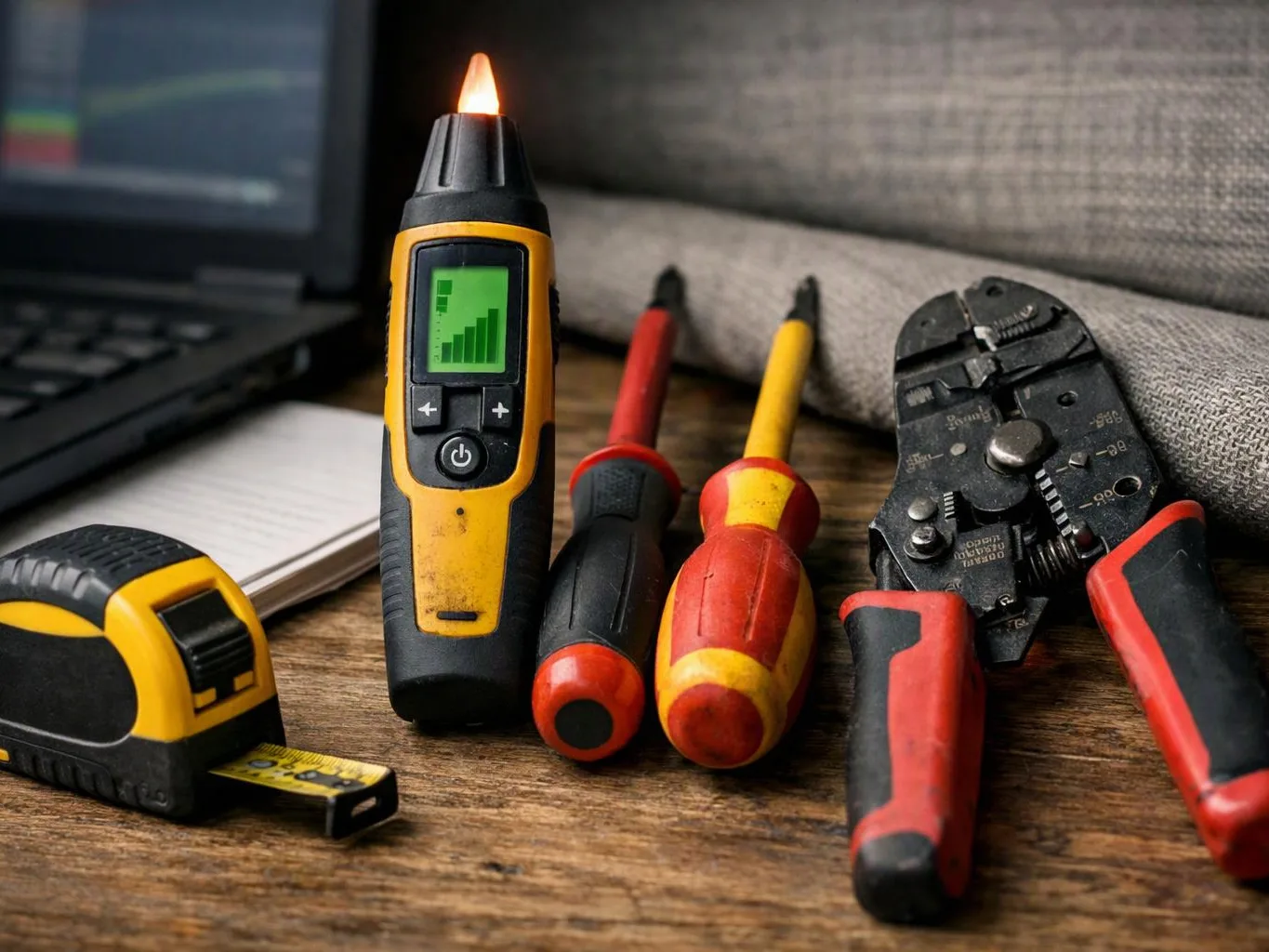
The affected circuit is checked first, including its breaker, visible connections, switches, outlets, and light fixtures. We ask when the flicker occurs and whether other equipment changes at the same time. Circuit tracing and voltage testing then help locate the fault. This order keeps the inspection tied to the symptom instead of guessing from one part alone.
What should be checked before electrical troubleshooting is scheduled?
The symptom pattern should be checked before scheduling, including which lights flicker and whether a breaker trips. Note warm switch plates, buzzing sounds, burning smells, sparking, and recent appliance or lighting changes. Do not remove panel covers or handle damaged wiring. These details help us prepare for the right circuit and access points.
Who is a good fit for electrical troubleshooting, and who needs a different service?
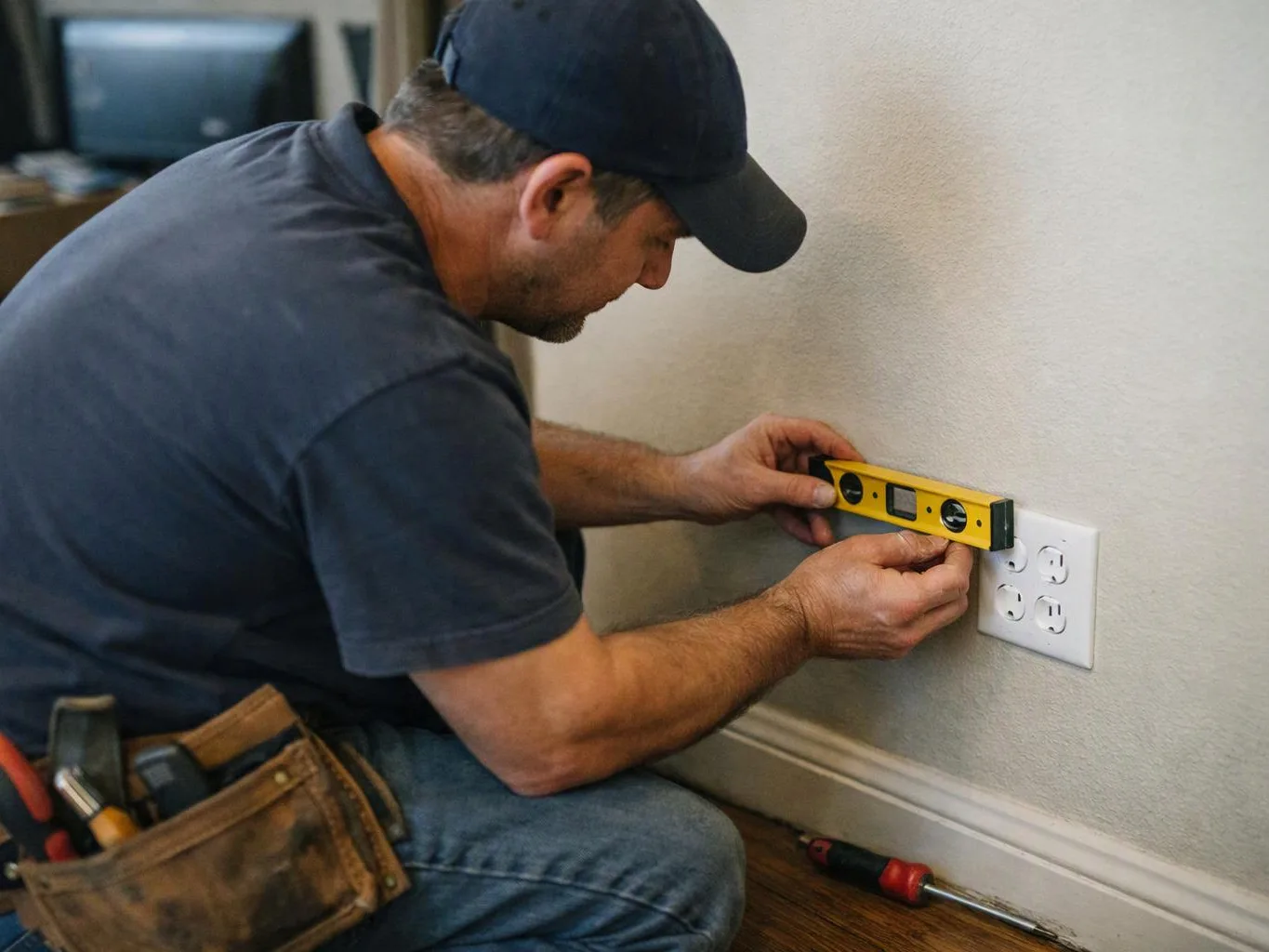
Homeowners and businesses with an existing electrical symptom are good fits for troubleshooting. We inspect flickering lights, dead outlets, tripping breakers, faulty switches, and suspected wiring faults. A planned light, outlet, or ceiling fan addition needs an installation scope. A panel upgrade may be needed when the existing system lacks capacity after diagnosis.
Which parts can make flickering lights worse?
Loose connections, damaged switches, weak neutral paths, overloaded circuits, and failing breakers can worsen flickering lights. Our team checks each part that connects to the affected circuit. We also look for heat marks, buzzing, or signs of arcing. Stop using a circuit that shows burning odor, sparks, or repeated trips until it is assessed.
How does the property owner prepare for an electrical assessment?
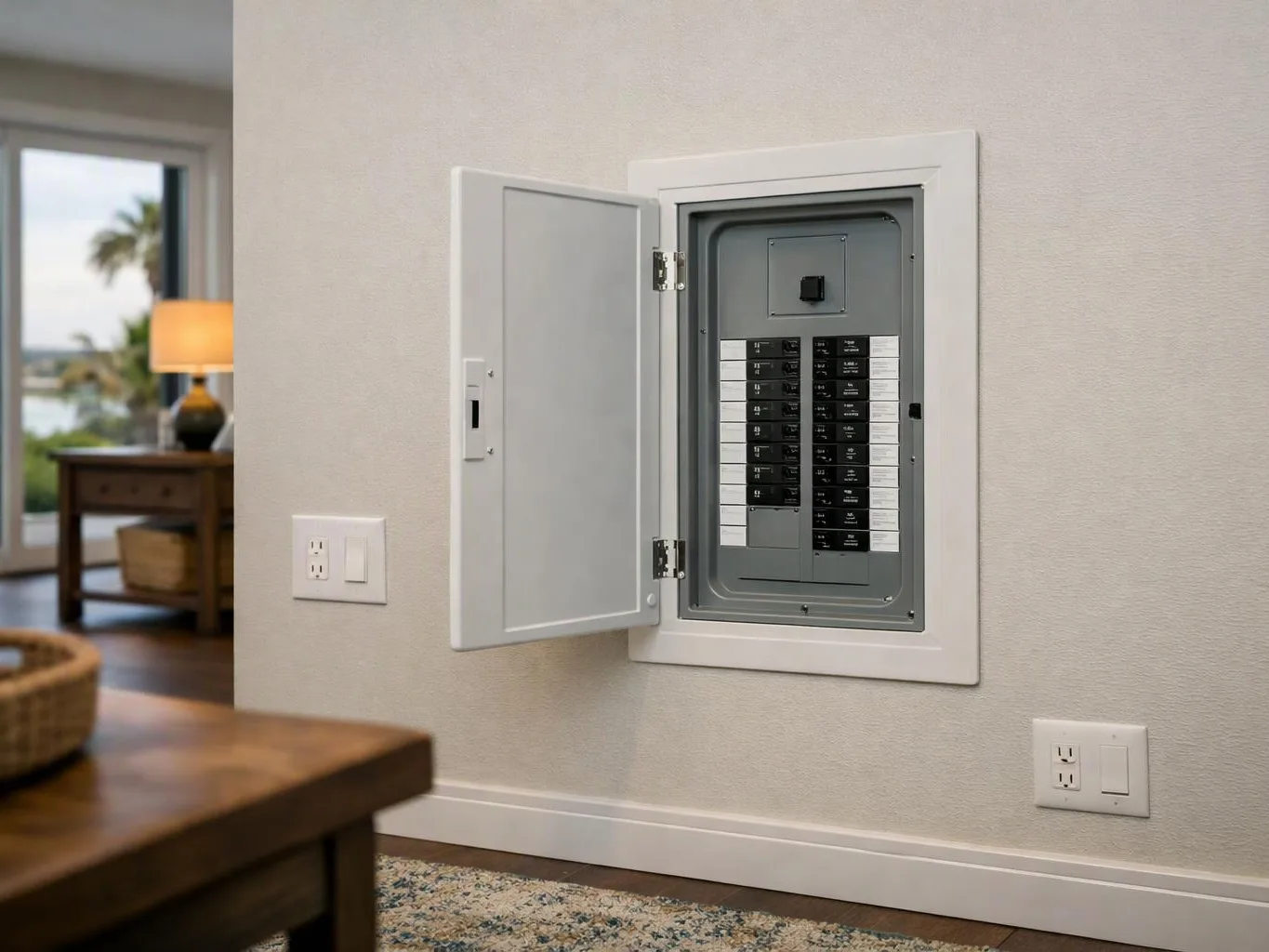
Clear access to the electrical panel, affected switches, outlets, and fixtures before the assessment. Keep a note of appliances or equipment that run when the flicker starts. Photos of visible damage can help, but do not open the panel or touch exposed wiring. These steps give us useful information without adding a safety risk.
Can troubleshooting lead to a panel upgrade?
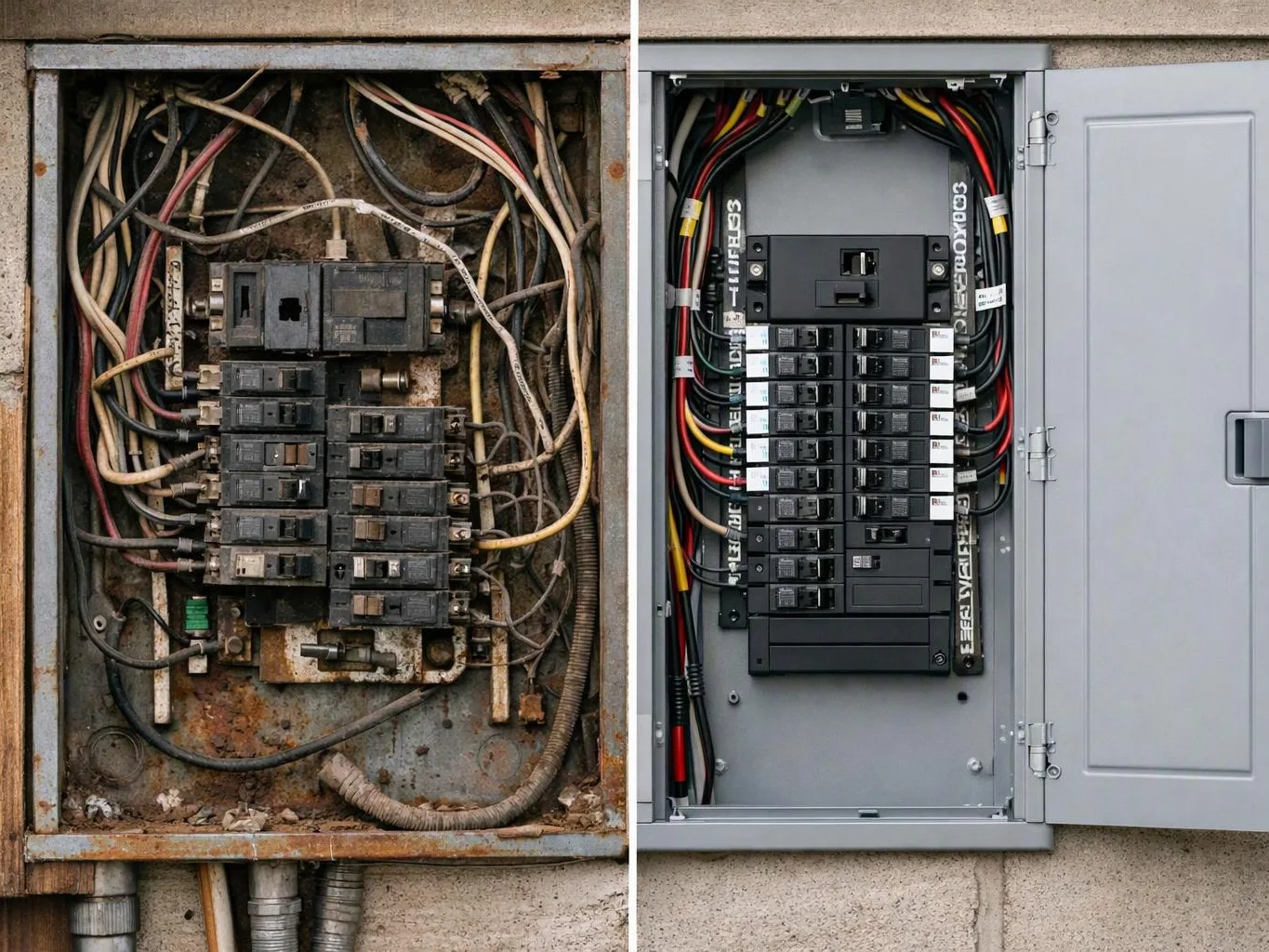
Yes, troubleshooting can show that a panel upgrade is needed when circuit capacity does not meet the property’s electrical load. We first identify the fault and trace connected loads. A load calculation can then guide the proposed panel or service entrance work. The estimate should separate diagnosis, repair, and any larger installation scope.