What wiring is needed for smart home devices?
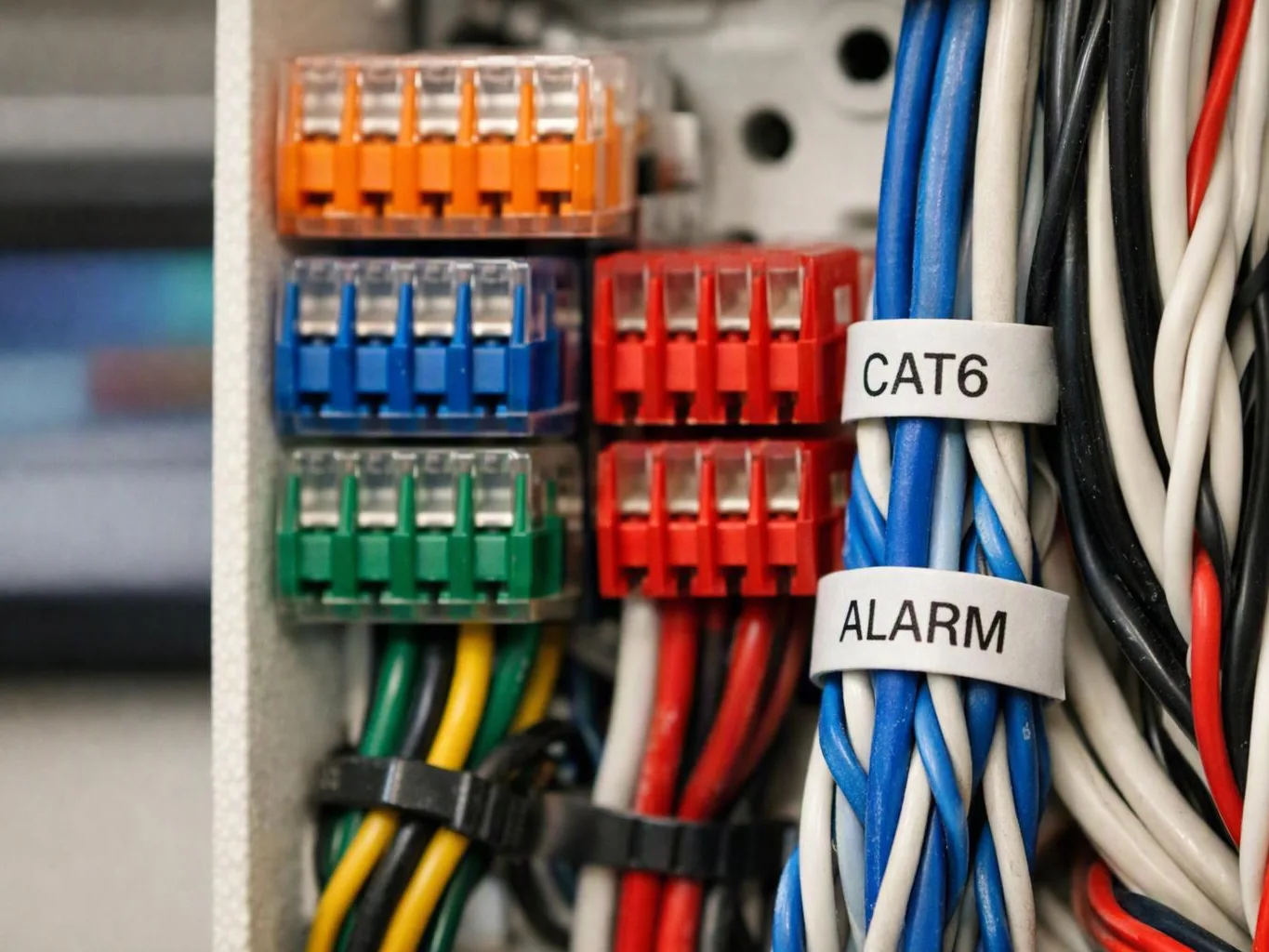
Coaxial cable supports compatible video and signal connections, while Ethernet cable supports wired network devices. Low-voltage wire can serve controls and sensors, and speaker wire carries audio signals. The right choice depends on the device, route, connection type, and existing wiring. Center Electric Service reviews those points before setting the installation scope.
What should be checked before smart home wiring is scheduled?
Device locations, cable paths, wall access, existing outlets, switches, and circuit capacity should be checked first. Customers should also list the equipment they plan to install and note any dead outlets or weak connections. We use that information to separate new wiring from repairs, lighting work, or panel upgrades.
Who is a good fit for smart home wiring, and who needs a different service?
Smart home wiring suits customers adding connected lighting, cameras, speakers, displays, controls, or wired network points. A panel repair, service entrance upgrade, or active electrical hazard needs a separate electrical service focus. We identify that distinction during the site review and explain the work each issue requires.
What happens at each stage of smart home wiring?
The work starts with device locations, access, and existing wiring. We then map routes, select cable types, install the planned runs, connect related electrical parts, and test the finished points. Customers receive a clear scope before installation, so the wiring work matches the intended devices and property layout.
Which cable works best for a smart camera or display?
Ethernet cable suits compatible networked devices, while coaxial cable suits compatible video or signal connections. The device type, connection method, route, and equipment location decide the choice. We check the existing path and explain whether new cable or a related outlet and circuit change is needed.
When should smart device wiring include lighting or outlet work?
Lighting or outlet work belongs in the scope when the device needs a new control point, receptacle, box, or circuit connection. We inspect the related switch, outlet, circuit, and wall access before combining the work. This helps customers separate smart wiring from a simple outlet or switch replacement.
Why does a wired connection keep failing after installation?
A failing wired connection can result from damaged cable, a poor termination, an unsuitable cable type, or a fault in the connected equipment. We trace the cable path, check connection points, and test the related outlet or circuit. The findings determine whether the fix needs new cable, a connection repair, or electrical service.