Skip to content

Smart Home Wiring in Woodcrest, California

We plan smart home wiring around how your home or business will use connected devices. Our residential and commercial team keeps access, cable paths, and future changes in view.

Quick Summary: Connected home wiring in Woodcrest, California

Smart home wiring in Woodcrest is provided by Center Electric Service for homes, businesses, and commercial properties. The service covers planned cable paths, ceiling outlets, media cabinets, network closets, and related electrical work across Riverside County.

  • What we do: Center Electric Service provides smart home wiring for Woodcrest, California homes, businesses, and construction projects.
  • What is included: Key capabilities include ceiling outlet planning, wall-cavity wiring, media cabinet connections, network closet wiring, conduit pathways, testing, and code-compliance updates.
  • What you get: The property receives planned wiring paths that support connected devices and future electrical changes.

Why should smart home wiring use ceiling outlets in Woodcrest, California?

Ceiling outlets suit devices that need power above rooms, such as access points, sensors, and smart lighting. Their location affects cable access, finish work, and future service. We review the ceiling structure and nearby pathways before placing wiring.

Connected home wiring for Woodcrest properties

Smart home wiring serves owners who want planned locations for connected lighting, network equipment, sensors, and other devices. The job is more focused than a general electrical repair because the wiring plan must match the way the property will be used.

The main decision is whether the property needs new paths, better access, or both. We review the [smart home wiring] service scope alongside the [Woodcrest] location, then discuss ceiling outlets, wall cavities, media cabinets, network closets, and conduit pathways.

A typical project may include circuit tracing, outlet work, lighting connections, and testing. We don't assume every device belongs on the same circuit. We set the work scope around the equipment, access, and existing wiring that we find.

  • Choose the rooms and device locations that need power or data.
  • Identify access points through walls, ceilings, media cabinets, and network closets.
  • Check existing circuits, outlets, switches, and wiring before new work begins.
  • Decide whether conduit pathways should support future changes.
  • Request a free estimate for the defined project scope.
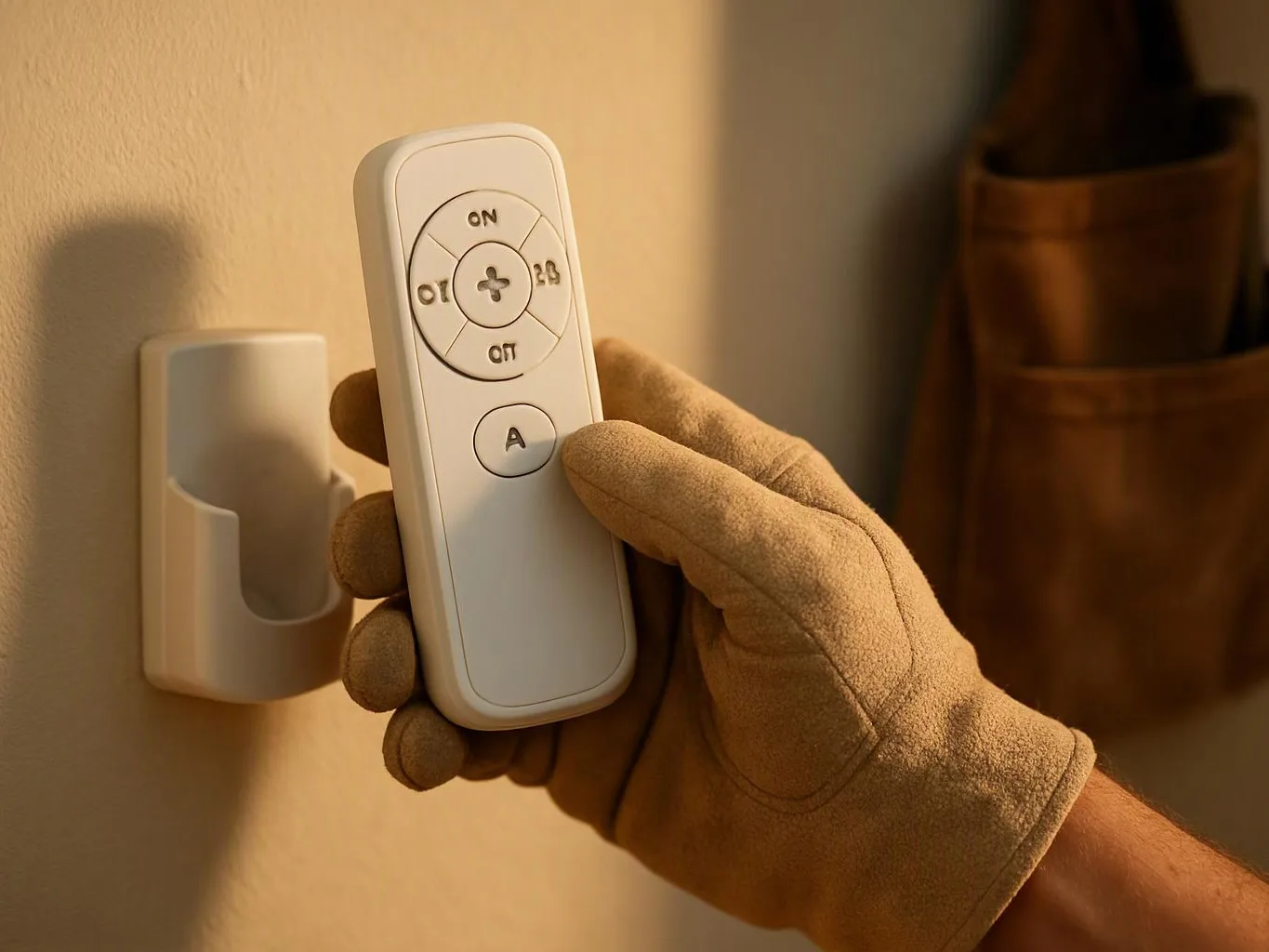
A gloved hand holds a white remote beside a wall-mounted holder in warm indoor light

Service Overview

Smart home wiring is an electrical and low-voltage layout that connects power, data, and control points for connected devices.

  • Unlike a basic outlet repair, this work plans device locations and cable paths before walls or ceilings are closed.
  • Center Electric Service provides this work for Woodcrest homes, businesses, and commercial properties across Riverside County.

What planned wiring changes for your property

Planned cable paths reduce the need to reopen finished walls when device locations are known early.

A central media cabinet or network closet can make future service easier to trace.

Conduit pathways give some projects a practical route for later cable changes.

Clear device locations help us set the right electrical scope before installation begins.

Careful testing supports reliable electrical performance after the wiring work is complete.

What connected home wiring includes

Center Electric Service provides comprehensive Smart home wiring in Woodcrest. Here's what you get:

  • We plan wiring routes for connected devices in homes, businesses, and commercial properties.
  • We install or prepare ceiling outlets where device placement calls for overhead power.
  • We route wiring through accessible wall cavities and approved conduit pathways.
  • We organize connections at a media cabinet or network closet when the project needs a central point.
  • We troubleshoot related circuits, outlets, switches, and lighting connections.
  • We test the completed work and review code-compliance needs for the property.

What to expect from our wiring approach

Plan device locations before wiring

The first decision is where connected devices will sit. We map those points before choosing routes through walls, ceilings, cabinets, or conduit.

Check the existing electrical system

We inspect related circuits, switches, outlets, and panels so new wiring fits the property’s current electrical layout.

Keep future access in view

A network closet or media cabinet can help with circuit mapping and later service. We discuss access before the work starts.

Know when another job fits better

Smart home wiring is the wrong starting point when the immediate issue is a burning smell, sparking outlet, or active circuit fault. We address the electrical hazard first.

Process

How we plan and install connected home wiring

1

Map device locations

We mark the rooms, ceiling points, cabinets, closets, and other locations that need power or data.

2

Inspect access and existing circuits

We check wall cavities, ceiling access, panels, outlets, switches, and related circuits before choosing the route.

3

Set the wiring scope

We explain the planned paths, materials, access needs, and related electrical work so you can decide how to proceed.

4

Install the planned pathways

We run wiring through suitable wall cavities or conduit pathways and organize connections at the selected cabinet or closet.

5

Test and review the work

We test the installed connections and discuss any code-compliance updates or follow-up electrical work.

Choosing a wiring path for connected devices

Each path suits a different access and service need.

Wiring pathBest fitMain planning point
Wall cavitiesRooms with workable wall accessFinish repair and cable routing
Media cabinetCentral equipment connectionsCabinet space and cable organization
Network closetDedicated network equipmentPower, access, and circuit tracing
Conduit pathwaysDefined or changeable cable routesRoute access and material selection

The Center Electric Service Standard

  • System Assessment
  • Safe Solutions
  • Systematic Troubleshooting
  • Tailored Electrical Work

Questions about connected home wiring

Where should smart home wiring be installed?

Ceiling outlets should serve overhead devices, while wall cavities, media cabinets, network closets, and conduit pathways support other connection points. Center Electric Service maps each location before installation. Device use, access, existing circuits, and future service needs guide the layout. We also check related outlets, switches, and wiring.

How does a smart home wiring visit move from the first call to the last step?

The visit moves from project review to testing and verification. We discuss device locations, inspect access and existing circuits, set the wiring scope, install the planned paths, and test the work. Your estimate reflects the locations, materials, access needs, and related electrical tasks that we identify.

Which material changes how long smart home wiring takes?

Conduit changes the installation path because we must plan its route and access points. Wall and ceiling finishes also affect the work, along with the distance between device locations and the media cabinet or network closet. We review these conditions before setting the project schedule.

How can a customer tell whether smart home wiring fits the property?

Smart home wiring fits a property that needs planned power or data locations for connected devices. The property should also have workable access through walls, ceilings, cabinets, closets, or conduit pathways. We review the current electrical layout and the device plan before recommending the right scope.

What information helps Center Electric Service prepare a wiring estimate?

Device locations, room access, existing outlets, and the planned equipment help us prepare an estimate. Photos of panels, switches, media cabinets, and network closets can also clarify the starting point. We use that information to discuss circuit tracing, cable paths, access needs, and related electrical work.

Why does a network closet need planning before new wiring?

A network closet needs planning because cable routes, power points, equipment space, and future access meet in one area. We review the closet layout and trace related circuits before adding connections. This helps keep the wiring organized and gives us a clearer path for testing and later service.

Can smart home wiring include lighting, outlets, and switches?

Yes, smart home wiring can include related lighting, outlet, and switch work when the project scope calls for it. We inspect the existing circuits first and connect the new work to the planned device layout. Separate repairs or panel work can be reviewed as part of the estimate.

Contact

Get a Free Estimate for Smart Home Wiring in Woodcrest

Get a free estimate for planned device locations, wiring paths, ceiling outlets, cabinets, closets, and related electrical work from Center Electric Service.

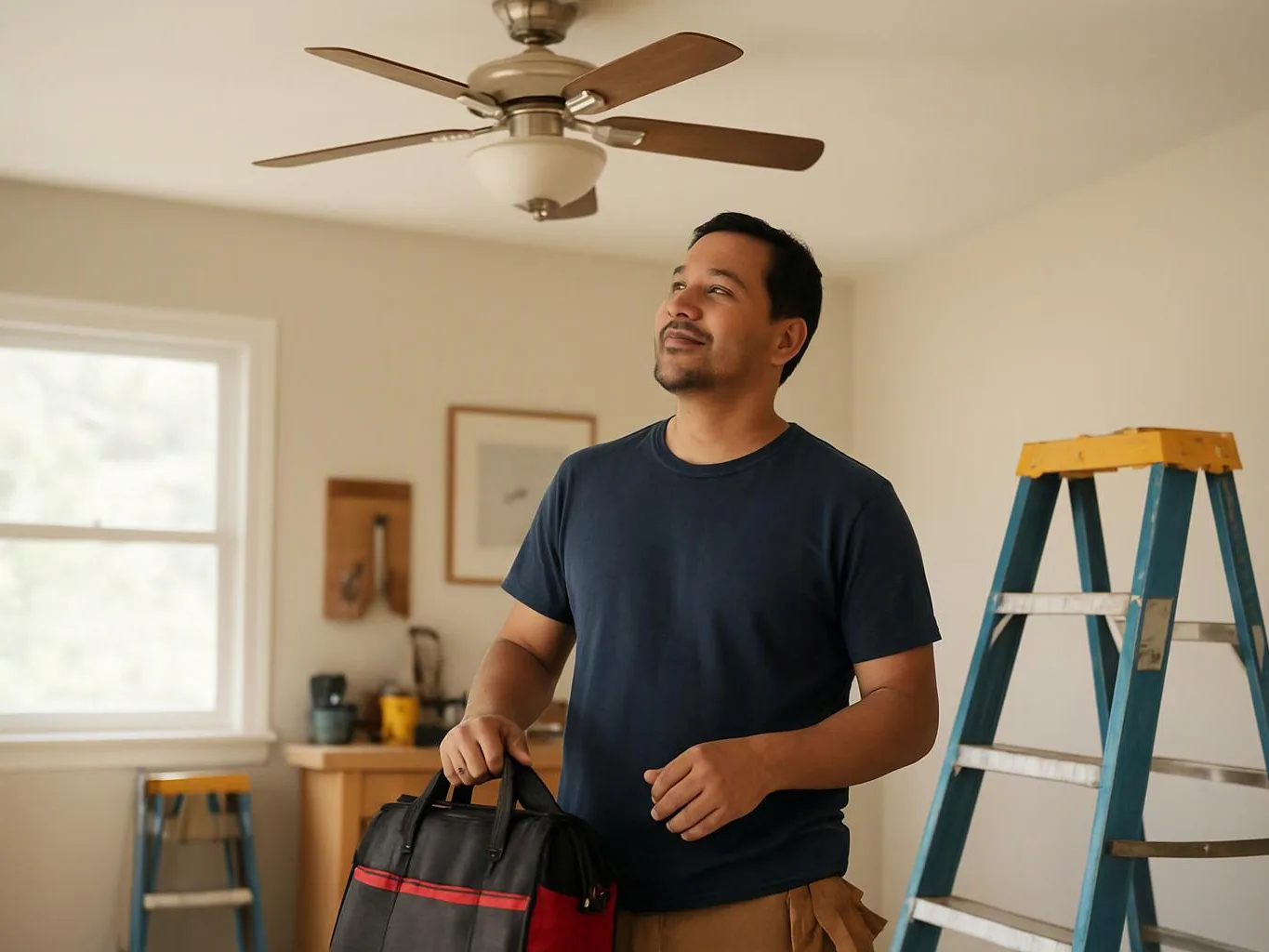
A man stands in a room with ladders, looking up at a ceiling fan and holding a tool bag
(951) 577-3540