Where should smart home wiring be installed?
Ceiling outlets should sit near planned overhead devices, while wall cavities, media cabinets, and network closets should follow the device layout. Center Electric Service checks access, circuit paths, and future service needs before setting the route. Conduit pathways can help where concealed access is not suitable. The best location keeps cords short, connections reachable, and testing practical.
What should be checked before smart home wiring is scheduled?
Device locations, circuit access, wall construction, and cable routes should be checked before scheduling. We also review the media cabinet or network closet location and the need for conduit pathways. Photos of the electrical panel, planned device areas, and accessible walls can help us discuss the scope. A site review confirms what the property can support.
Who is a good fit for smart home wiring, and who needs a different service?
Planned device installations, remodels, new construction, and connected office layouts fit smart home wiring. A sparking outlet, burning smell, buzzing panel, or repeated breaker trip needs electrical troubleshooting first. We can review connected-device wiring after the immediate electrical fault receives attention. That order helps keep the work focused on the actual risk.
What happens at each stage of smart home wiring?
The work moves from device mapping to route planning, scope review, installation, and testing.
- We mark device and equipment locations.
- We trace routes to power and network areas.
- We explain the scope and provide a free estimate.
- We install wiring through suitable cavities or conduit.
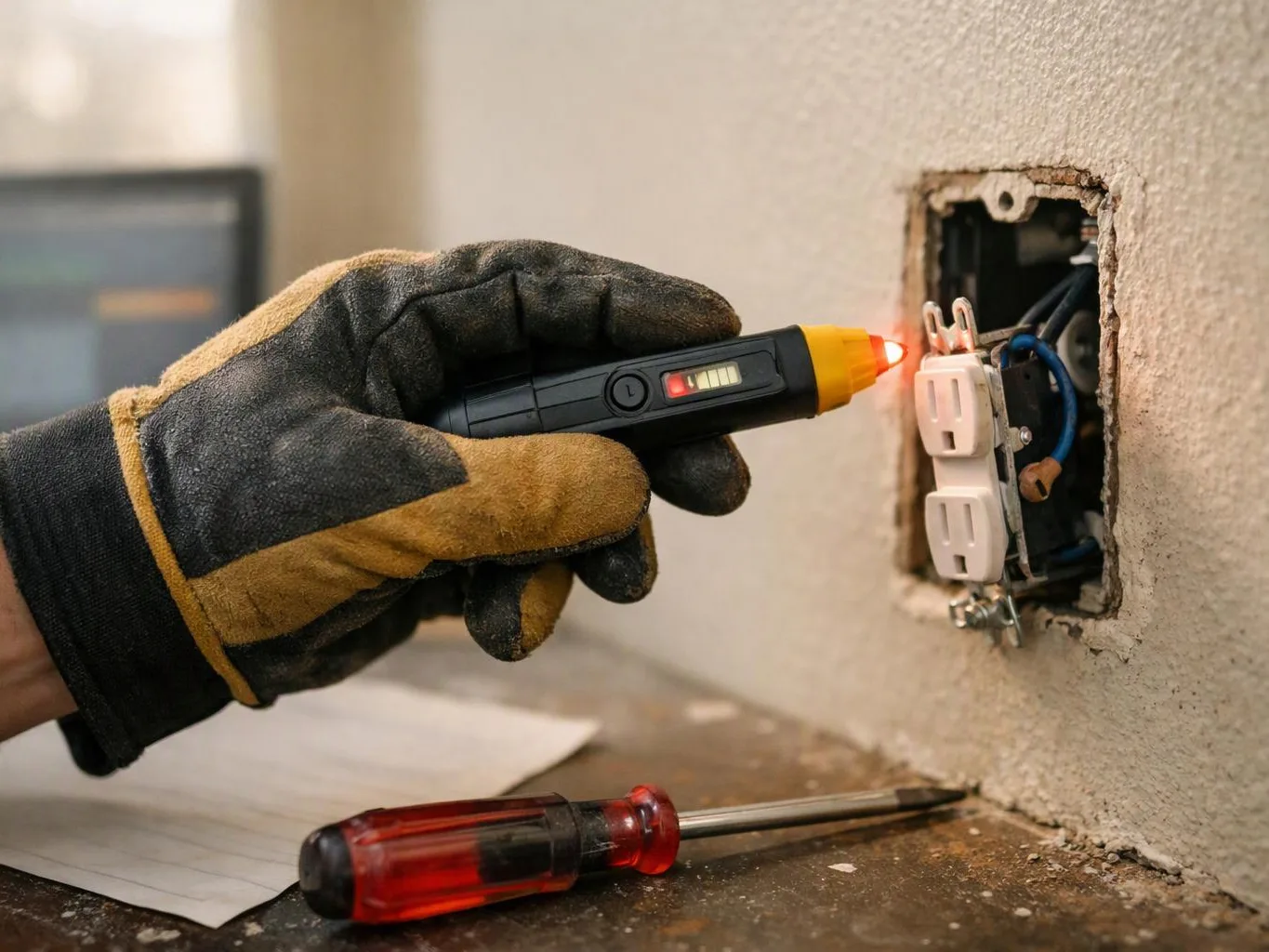
- We test connections and review access points.
Which property areas need the closest wiring plan?
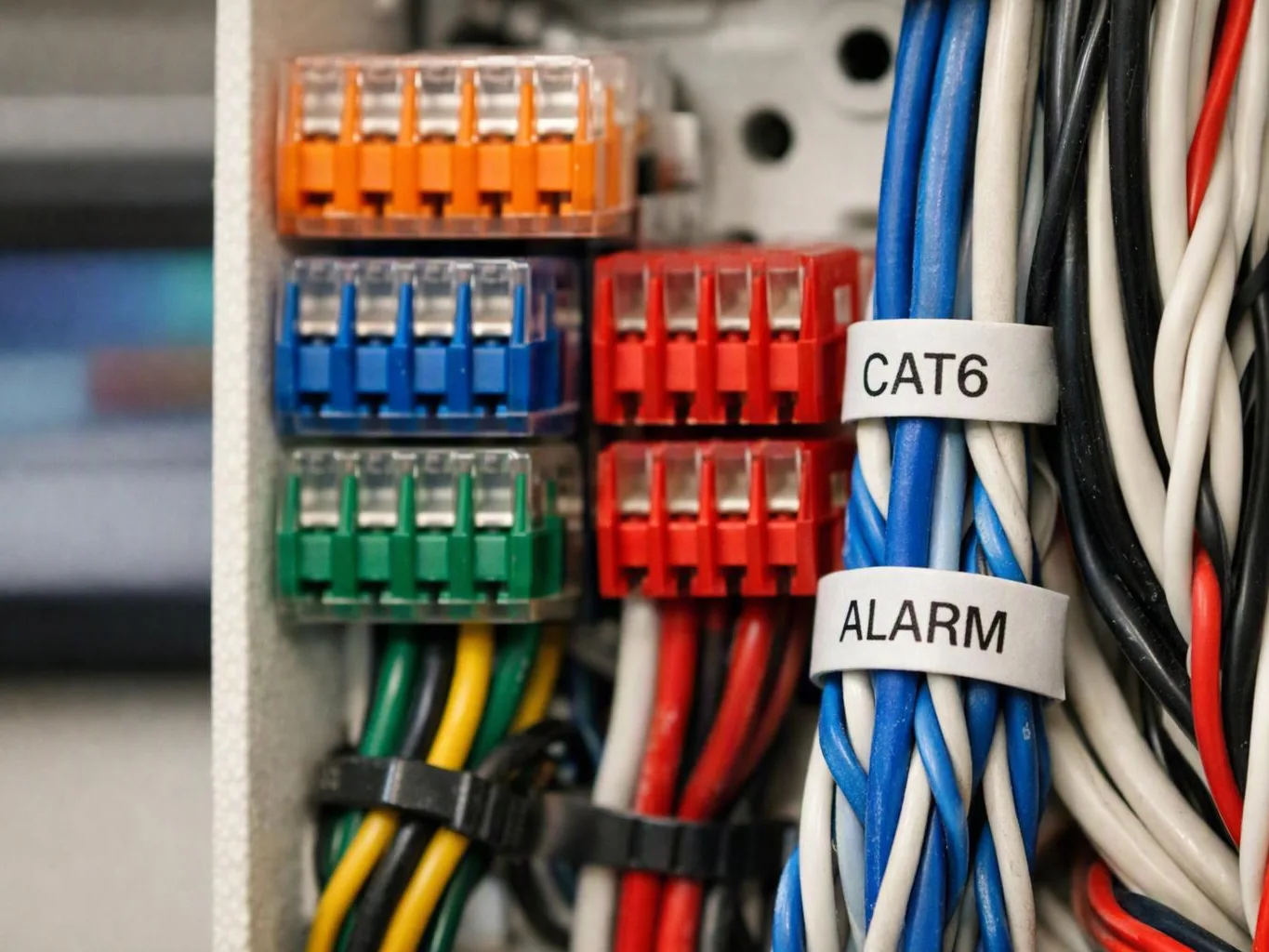
Media cabinets, network closets, wall cavities, and conduit pathways need the closest planning. Each area affects access, cable routing, equipment grouping, and future testing. We check whether the proposed route stays serviceable and whether nearby electrical work is needed. The layout should follow the devices, not force every device into one connection point.
Why does device placement change the wiring scope?
Device placement changes the route, access point, circuit needs, and amount of concealed work. A ceiling-mounted sensor may need a different path than a display beside a media cabinet. We review each location and connect it to the right power or network area. That review helps keep the wiring plan accurate before installation.
How should I prepare for a smart home wiring estimate?
A device list, room plan, equipment locations, and panel photos help us review the job. Note which areas are finished, which walls are open, and where you want the media cabinet or network closet. We use that information to discuss access, route options, circuit tracing, and the work included in the free estimate.