Should smoke detectors use hardwired power or batteries?
Interconnection wiring and hardwired alarms are often the better fit when the property has suitable electrical access, while battery-powered alarms fit locations without that access. We inspect the existing power path, mounting points, and battery backup before recommending the setup. The final choice depends on the property layout and the condition of its electrical system.
Who is a good fit for smoke detector installation, and who needs another service?
Center Electric Service installs smoke alarms for residential and commercial properties that need new, replaced, or linked units. Customers with panel faults, damaged circuits, or wider wiring problems may need electrical repair beyond alarm installation. We identify that difference during the power and connection check.
What does the crew look at first during the installation?
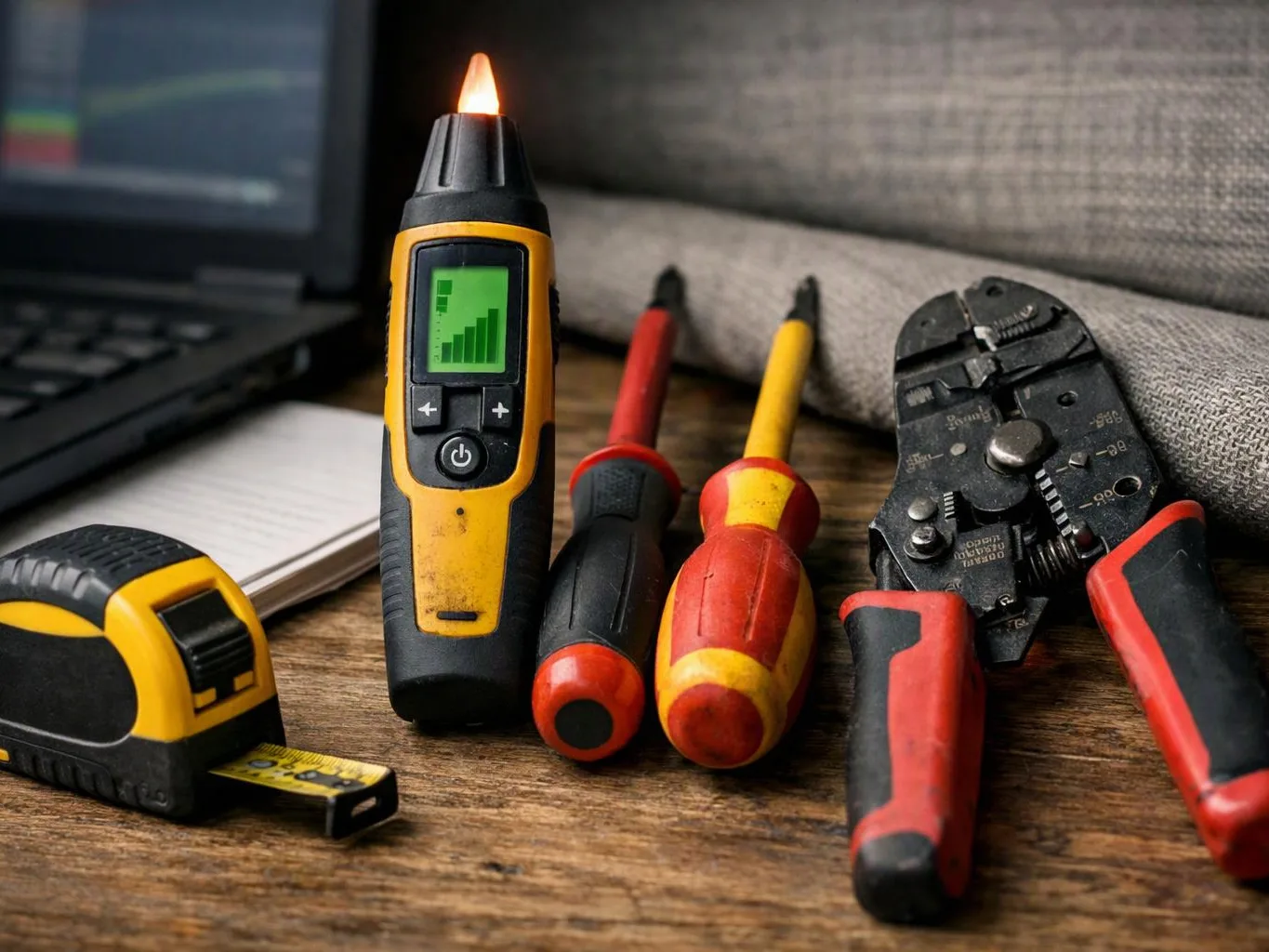
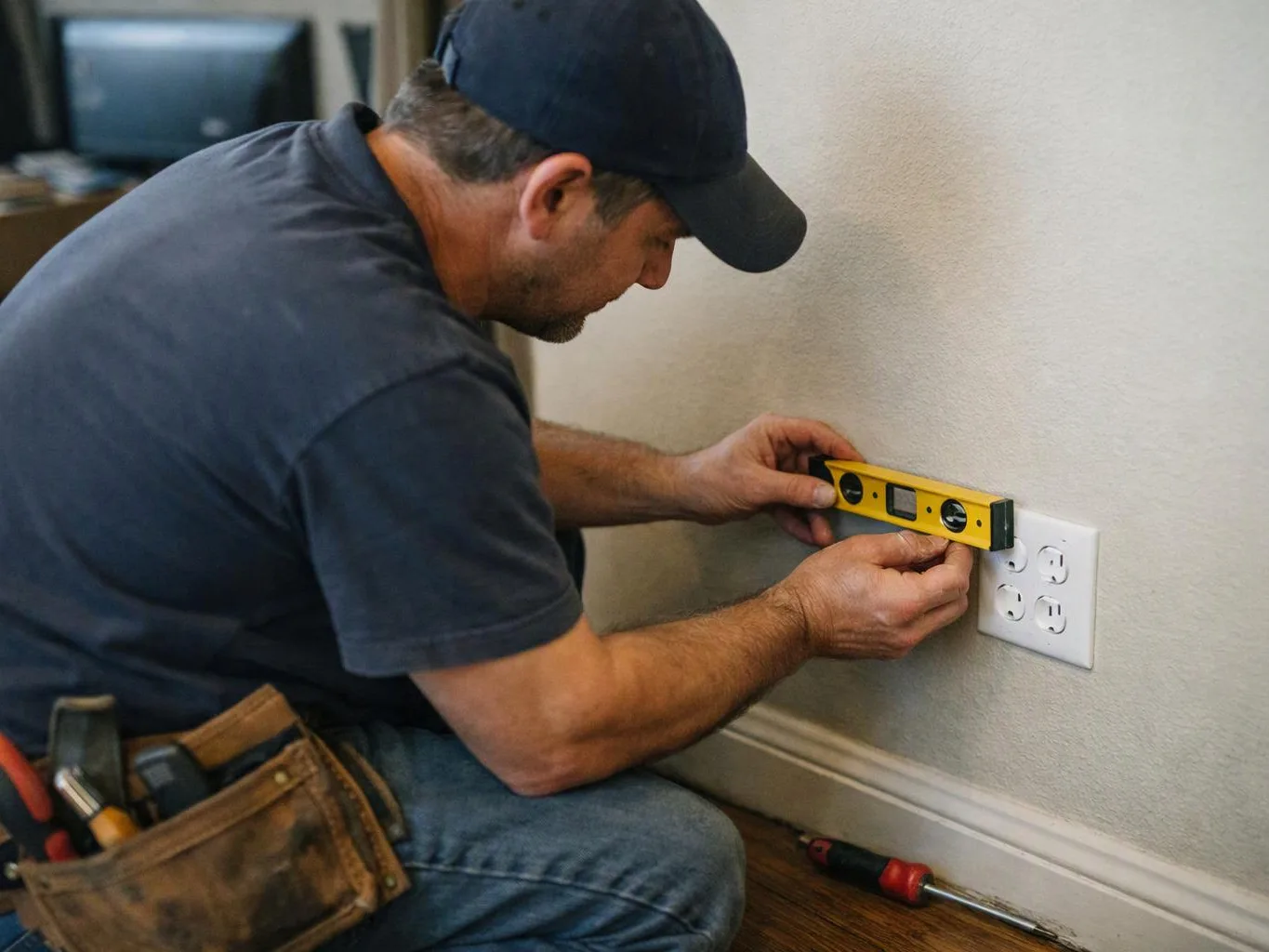
The first check covers the mounting surface, existing bracket, nearby power, and access to the alarm location. We then inspect battery backup and alarm links when the system uses connected units. This order helps us separate a mounting issue from a wiring or power fault.
What happens at each stage of the smoke alarm installation?
The work starts with an inspection, then moves to power and wiring checks, alarm mounting, connection, and testing. We check each alarm's sound, power status, and link to other units. If a separate electrical repair appears, we explain that scope before proceeding with that work.
How do battery backup and hardwired alarms work together?
Battery backup keeps compatible hardwired alarms powered when normal electrical power stops. We test the hardwired supply and the backup battery, then check whether connected alarms signal one another. Customers should replace weak batteries and request service when an alarm still chirps or loses power.
When should a business request linked smoke alarms?
A business should request linked alarms when occupants need an alert that can be heard across connected areas. We review room access, ceiling surfaces, power routes, and testing points before installation. Property managers should identify restricted areas and keep access clear for the inspection.
Why does a new smoke alarm fail its test button?
A failed test can result from lost power, a weak battery, a poor connection, or an alarm fault. We check the power source, battery backup, wiring, bracket connection, and alarm response. Do not rely on a silent alarm, and request an electrical check if the test still fails.