When is whole house rewiring necessary?
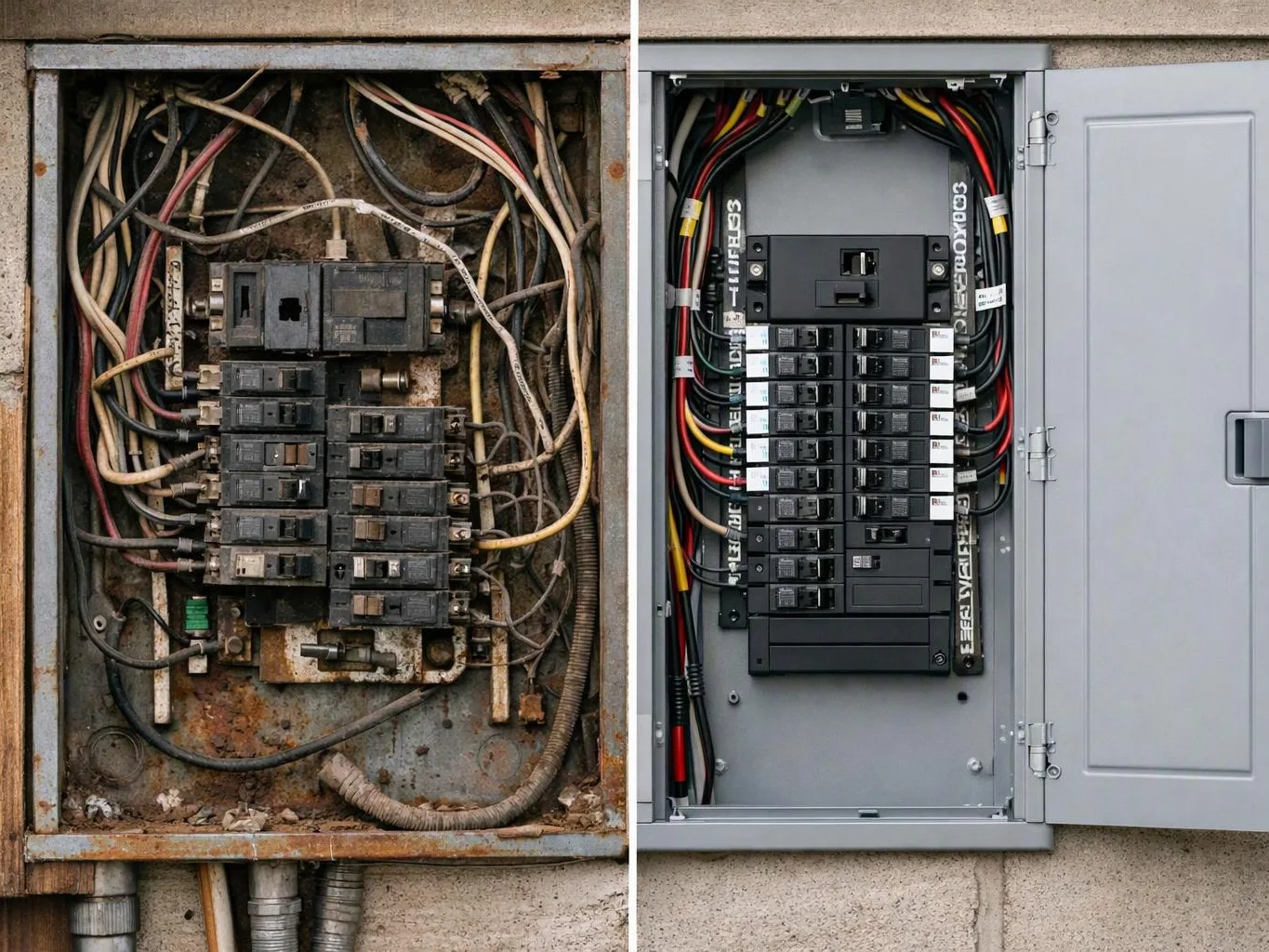
Insulation damage makes whole house rewiring necessary when wire coverings are unsafe across multiple circuits. Old wiring, overloaded circuits, repeated breaker trips, and unsafe connections can support the same decision. Center Electric Service checks the panel, circuit paths, outlets, switches, and grounding before setting the scope.
What does the crew look at first during a rewiring assessment?
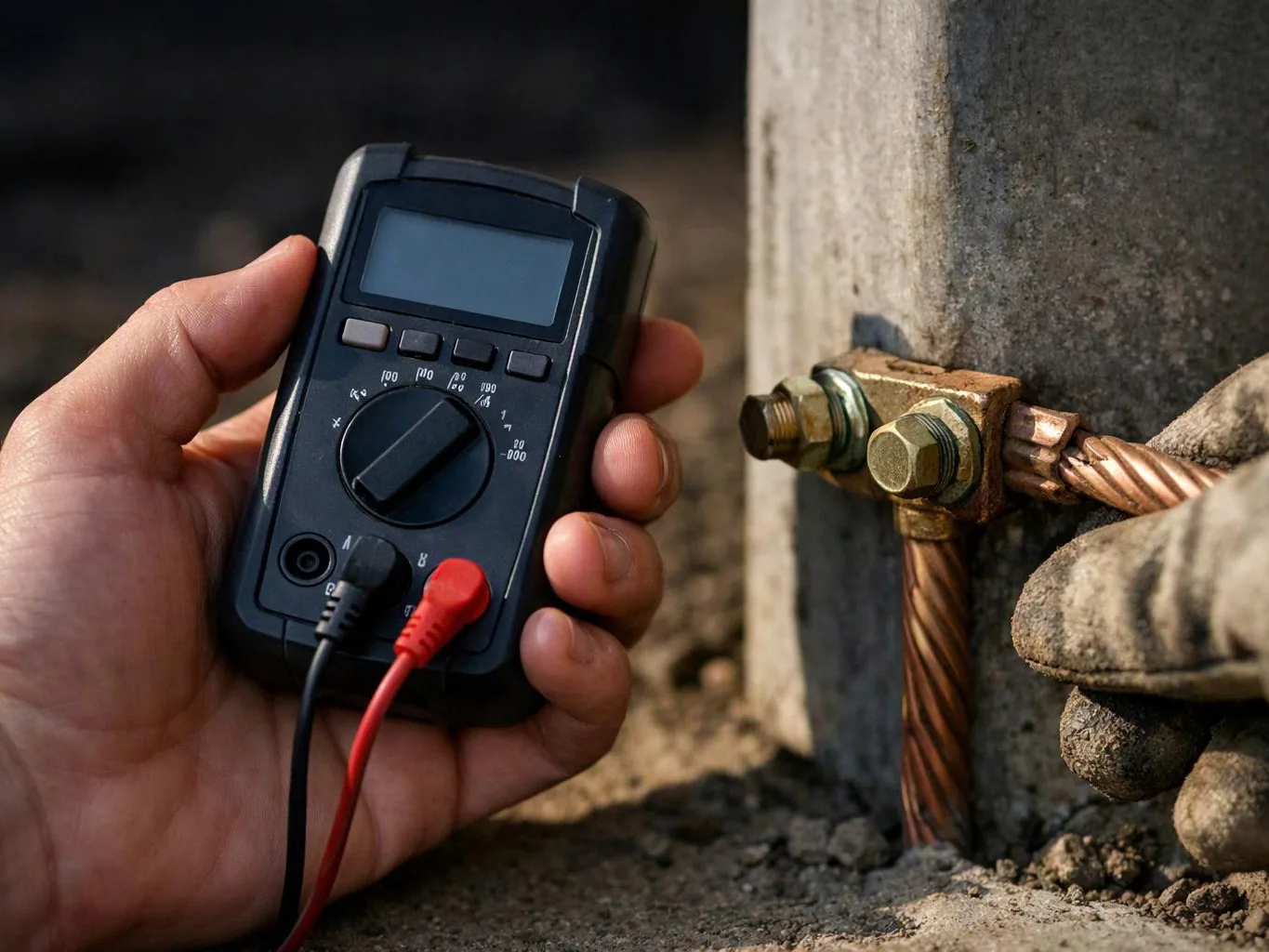
The electrical panel and visible wiring receive the first inspection. We check breaker connections, circuit condition, grounding, outlets, switches, and signs of heat or damage. Circuit tracing then shows how power moves through the property. That information helps us separate a full rewiring need from a limited repair.
What happens at each stage of a whole-house rewiring job?
The rewiring process moves from inspection to circuit mapping, replacement, connection, and testing.
- We inspect the panel and existing wiring.
- We trace circuits and set the scope.
- We replace approved wiring and connect devices.
- We test circuits and verify operation.
Which part of the job changes the estimate most?
The amount of wiring that needs replacement usually drives the estimate most. Access, circuit count, panel capacity, grounding work, and included outlets or switches also affect the scope. We review those items during the assessment and provide a free estimate for the planned work.
How can a house be rewired without removing all drywall?
Rewiring can sometimes use accessible spaces, existing routes, and carefully placed openings, but the building layout controls the method. We inspect access above ceilings, below floors, and near electrical boxes before planning the work. The estimate explains where access is needed and which surfaces may require repair.
Why should I avoid resetting a breaker that keeps tripping?
A breaker that keeps tripping can point to an overloaded circuit, damaged wiring, or a fault in connected equipment. Our team isolates the affected circuit and checks the panel, wiring, outlets, and load. Leave the breaker off if the issue returns, especially when you notice heat, sparks, or a burning smell.
What should be checked before rewiring is scheduled?
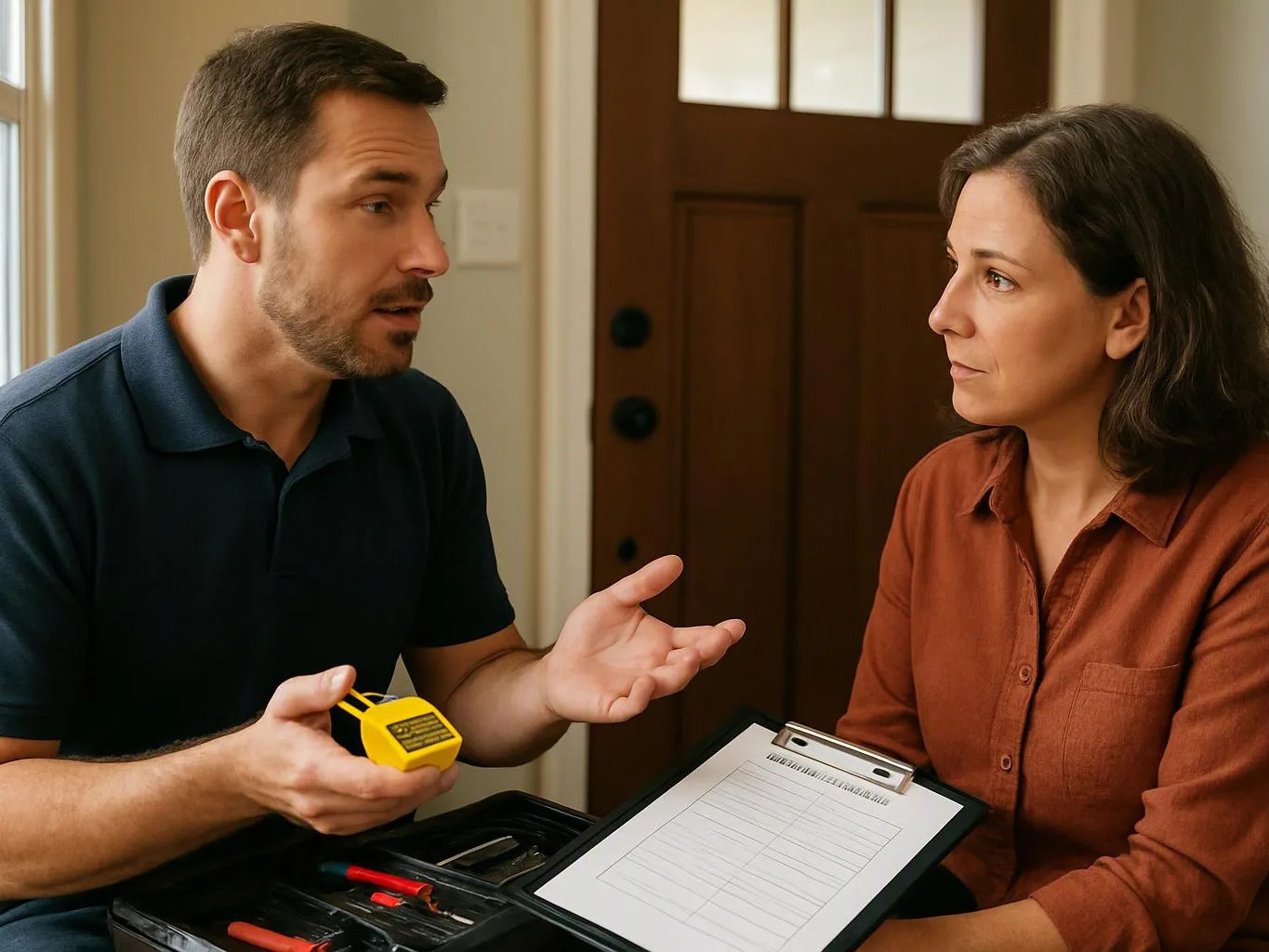
The property’s panel, circuit layout, wiring condition, grounding, access, and electrical loads should be checked first. We also review which outlets, switches, lights, and equipment belong in the scope. Photos of the panel and visible wiring can help start the discussion, but an on-site assessment sets the work plan.