
What Is Electrical Load?
Electrical Load is the amount of electrical power that connected devices and equipment draw from a circuit or electrical system. The load changes as equipment starts, stops, or changes operating levels. Electricians assess load to identify circuit demand, match equipment to available capacity, and locate conditions that may cause breaker trips or voltage problems.
Quick Facts About Electrical Load
Category
Electrical system measurement
Used for
Circuit assessment and troubleshooting
Common confusion
Load is not the same as voltage
Also called
Load, Electrical demand
Often discussed with
Electrical Troubleshooting, Electrical Safety Inspection
Key Takeaways About Electrical Load
- Load reflects equipment demand, not just the circuit's voltage.
- Motors and heating equipment may draw more power during operation.
- Electrical load is not the same as a circuit breaker rating.
How Electrical Load Works
Electrical Load describes the demand created when equipment draws current from a power source. Lights, receptacles, air-conditioning equipment, water heaters, and motors all add demand when they operate. A circuit carries that demand through its conductors and protective devices.
Related glossary terms: Dedicated Circuit, Load Management, Load Shedding.
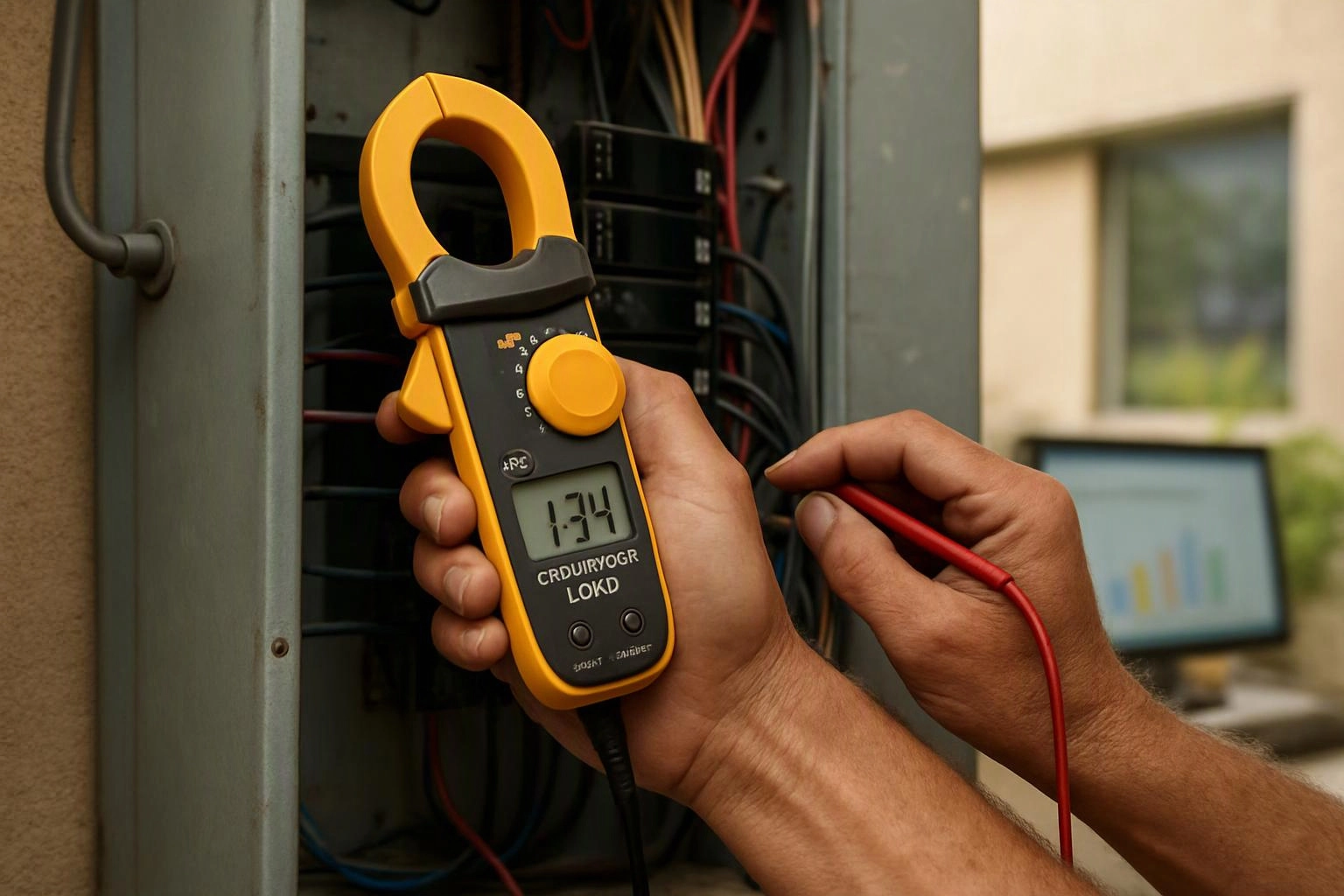
Load changes with the equipment's operating state. A motor may draw a stronger starting current before settling into normal operation, while a heating element draws power while it produces heat. During electrical troubleshooting, an electrician compares the observed demand with the circuit's conductors, connections, and circuit breaker. This process can reveal an overloaded branch circuit, a loose connection, or equipment that is drawing more power than expected.
From the Center Electric Service team
When we troubleshoot an electrical problem, we identify which equipment is operating and check how its demand relates to the circuit. We also inspect the breaker, conductors, and connections for signs that the circuit is carrying an abnormal load. This helps us separate equipment faults from wiring problems.
Electrical Load in Practice: A Real-World Example
A homeowner reports that a breaker trips when an air-conditioning unit and another large appliance run together. An electrician checks the electrical load during operation and inspects the circuit connections to determine whether the demand or a wiring fault is causing the interruption.
Related Terms
Dedicated Circuit
Dedicated Circuit is an electrical branch circuit that serves one appliance or fixed load without sharing…
Load Management
Load Management is a method of controlling electrical demand so connected equipment stays within the available…
Load Shedding
Load Shedding is the controlled reduction of electrical demand by disconnecting selected circuits or equipment. A…
Voltage Drop
Voltage Drop is the reduction in electrical pressure that occurs as current travels through a conductor…
Center Electric Service
Have Questions About Electrical Load?
Contact Center Electric Service for practical guidance on Electrical Load and related 24 hour electrician work in Riverside.