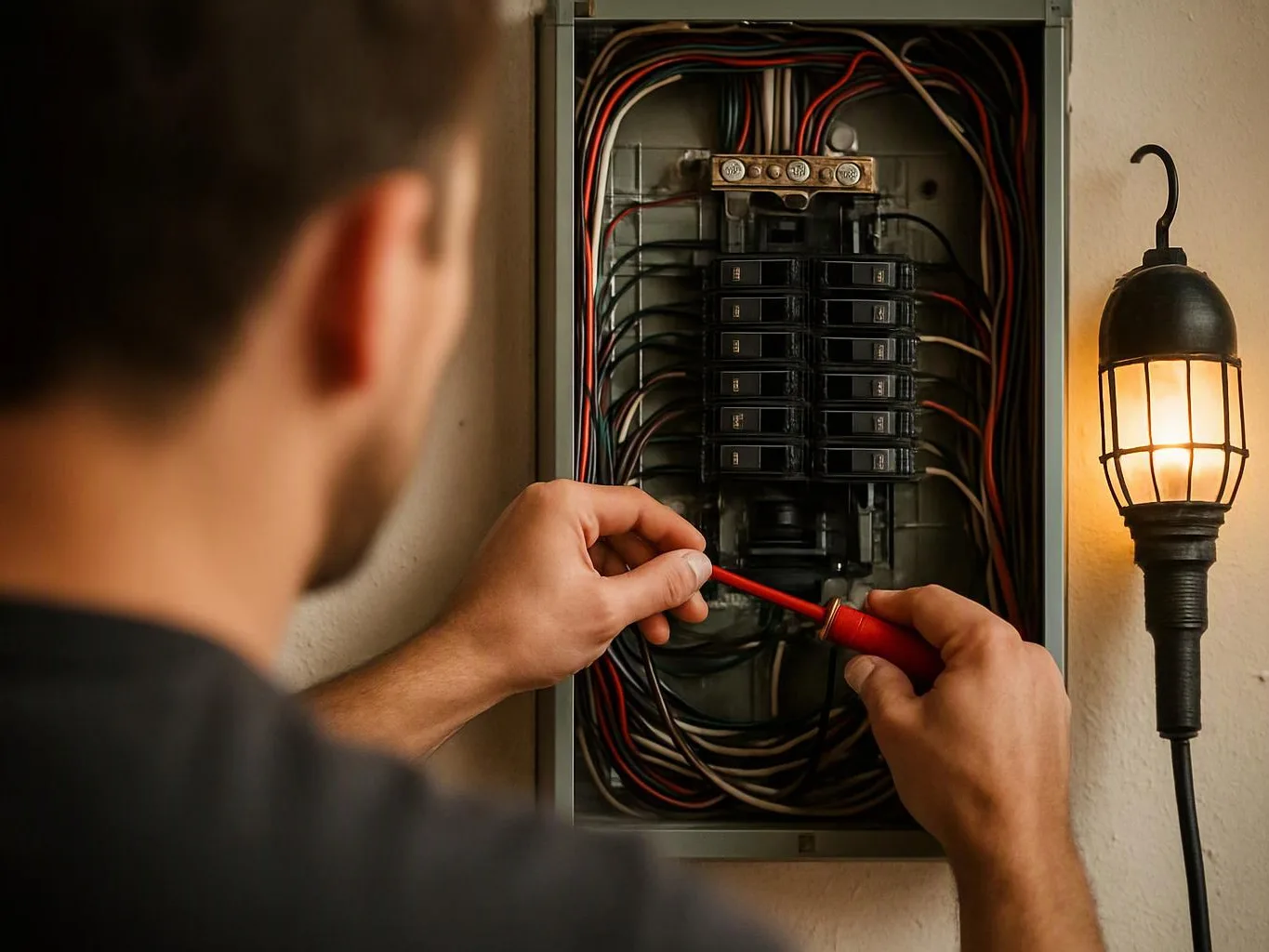
Dead Outlet Not Working: Causes and Electrical Repair Solutions
A dead outlet not working may result from a tripped breaker, tripped GFCI receptacle, loose connection, damaged receptacle, or wiring fault. Center Electric Service checks the circuit, identifies the cause, and completes the appropriate outlet or electrical repair.
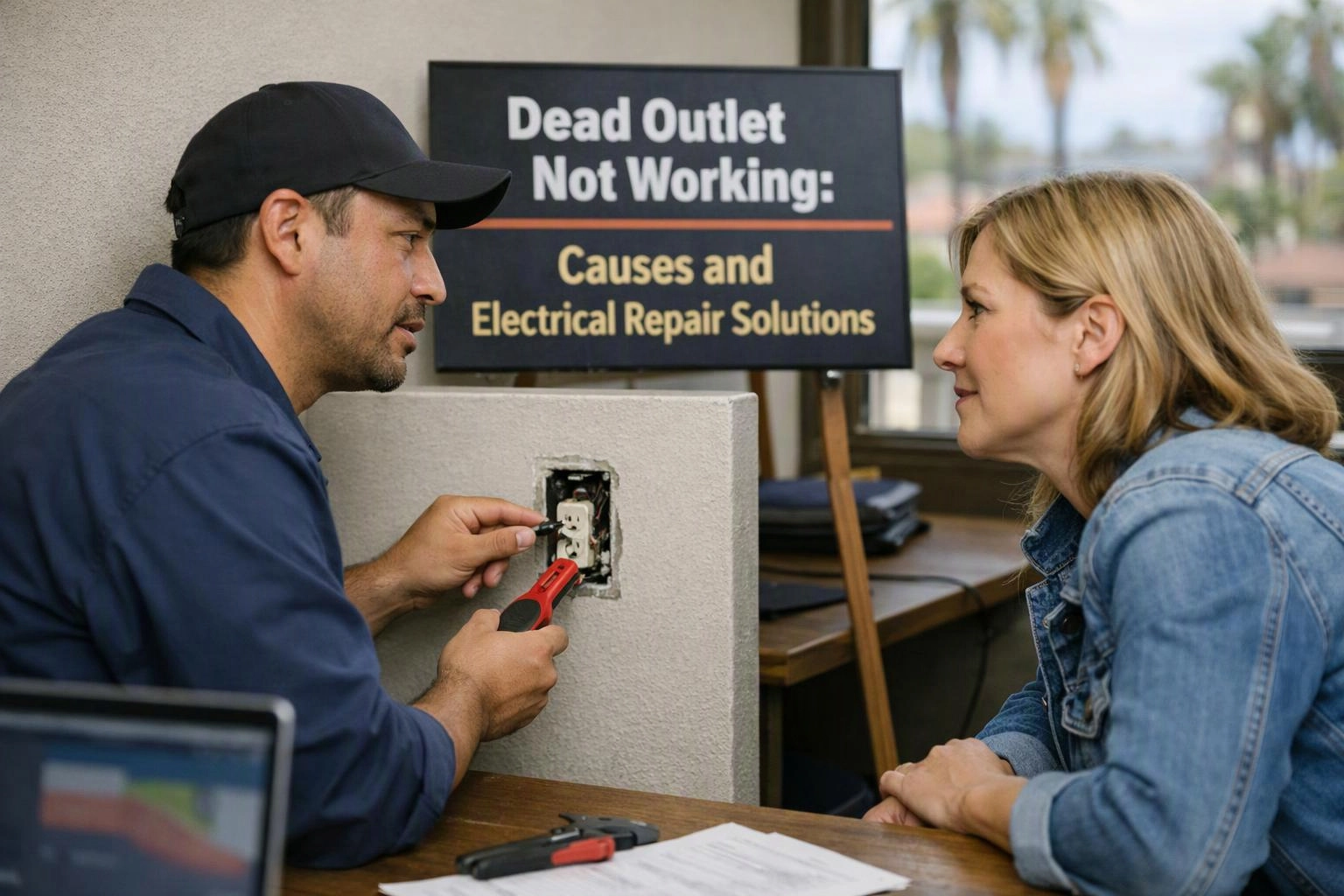
What Does a Dead Outlet Mean?
A dead outlet is an electrical receptacle that does not deliver power when the circuit should be energized. Center Electric Service traces the power interruption through the receptacle and its branch circuit to identify the fault.
An outlet with no power may affect one device, one section of a room, or other outlets connected to the same electrical circuit. Our team checks the outlet, circuit protection, and wiring path before recommending a repair.
Signs Your Outlet Has an Electrical Problem
Outlet symptoms can show that a receptacle or its circuit needs attention. Stop using the outlet if the condition creates an electrical safety concern.
Our crew inspects the outlet and surrounding circuit when symptoms point to more than a simple reset. Electrical troubleshooting helps prevent a hidden connection problem from being overlooked.
Why Is One Outlet Not Working?
A nonworking outlet commonly results from a tripped breaker or GFCI, a loose connection, a damaged receptacle, or a fault elsewhere on the circuit. We test the full circuit when the outlet itself is not the source of the problem.
Other causes can include a fault inside a junction box or an overloaded electrical circuit. Our team uses circuit testing to locate the actual failure before completing an electrical repair.
Safe Checks to Make Before Electrical Repair
You can safely check the plug, the correct circuit breaker, and nearby GFCI reset buttons without opening the outlet or touching exposed wiring. These checks can identify a simple power interruption while keeping you away from live electrical parts.
Do not remove the outlet cover or touch wiring during a homeowner check. Center Electric Service handles voltage testing and wiring inspection when a reset does not restore power.
How We Diagnose a Dead Outlet
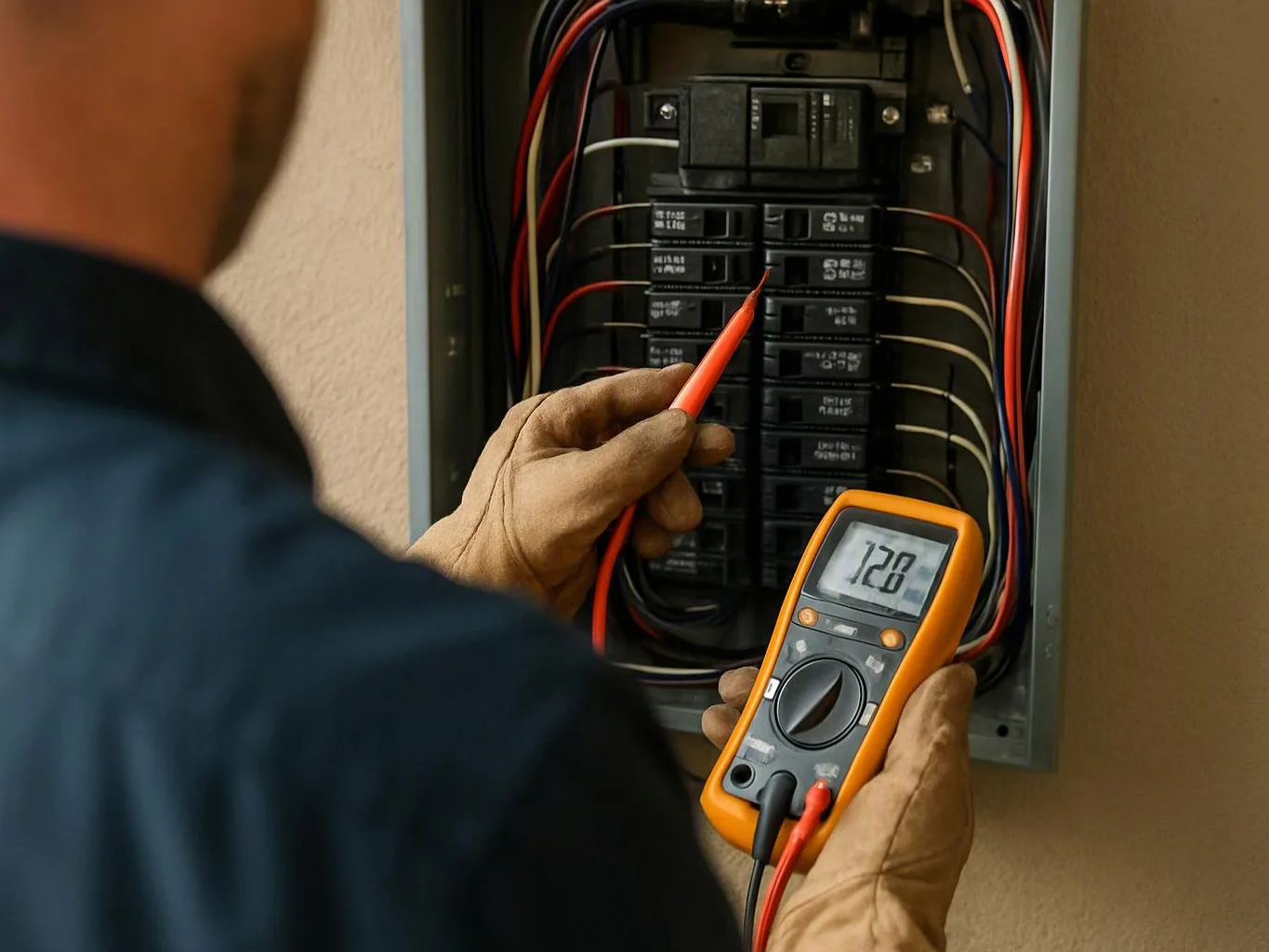
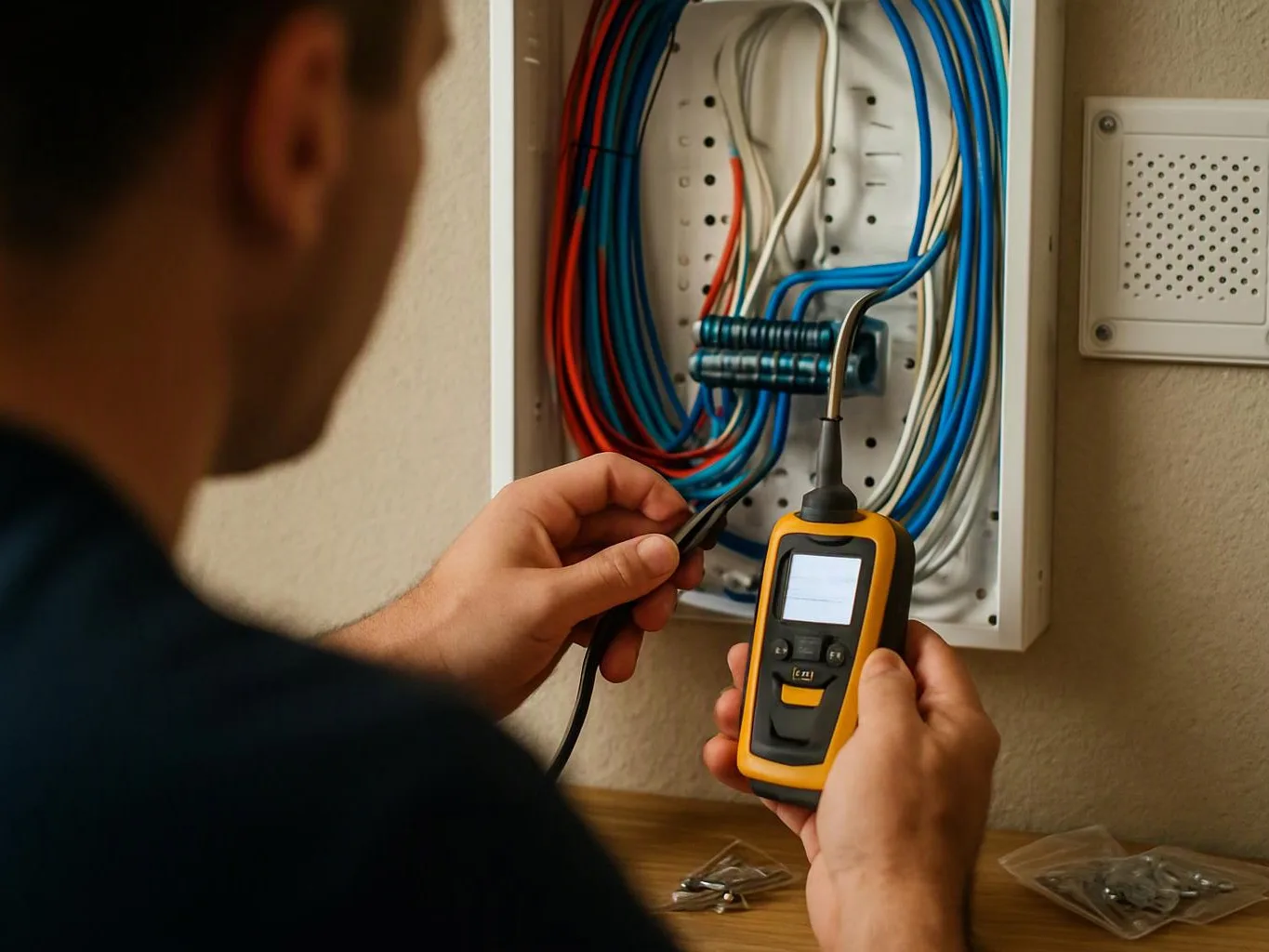
Center Electric Service diagnoses a dead outlet by checking the receptacle, circuit protection, voltage path, and wiring connections to locate the actual fault. Our team begins with electrical troubleshooting that follows the power path through the branch circuit.
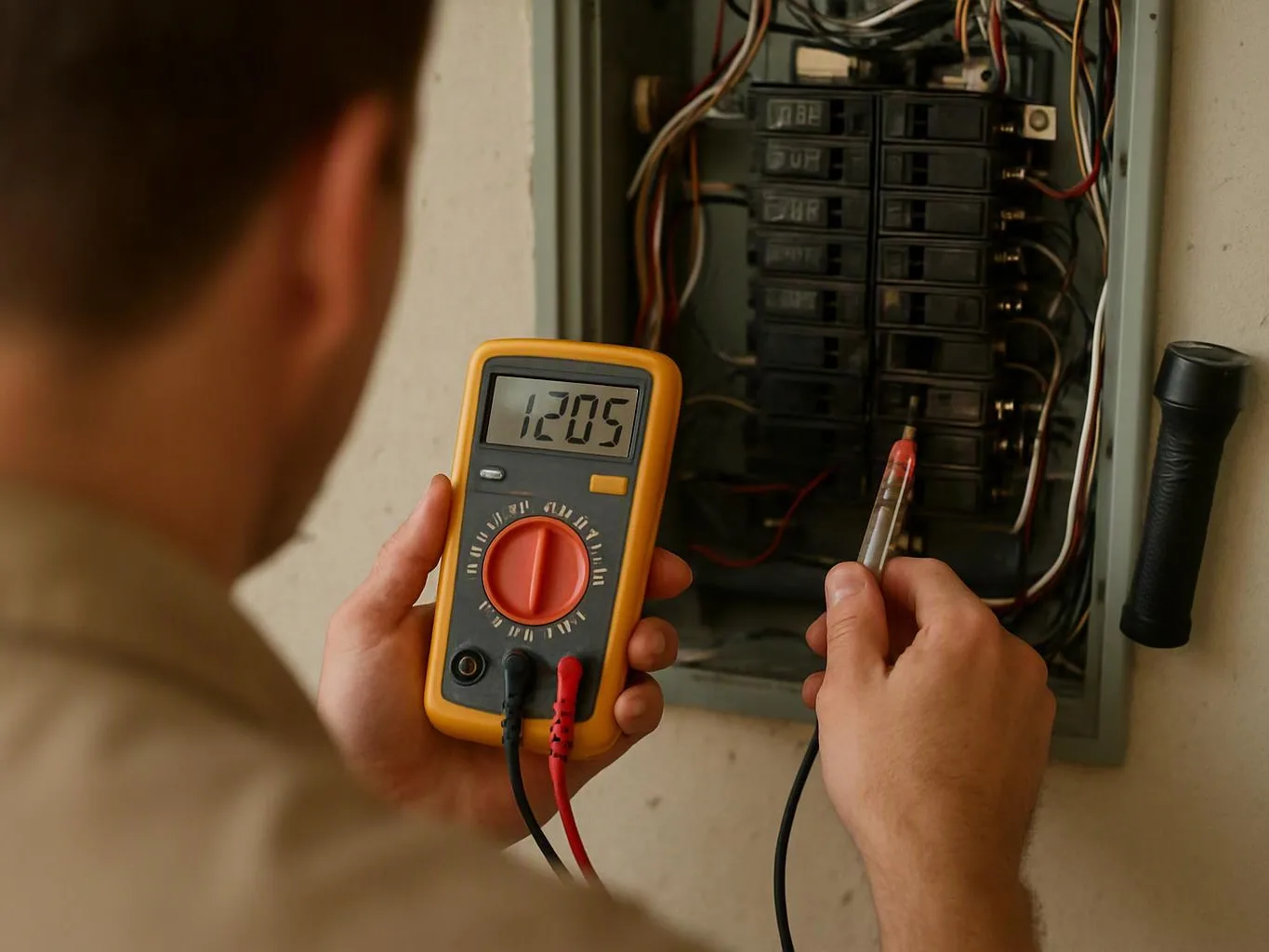
We use voltage testing to determine whether power reaches the outlet and whether the hot and neutral conductors are functioning correctly. Circuit tracing can then show whether the problem is at the outlet, another connection, a junction box, or the electrical panel.
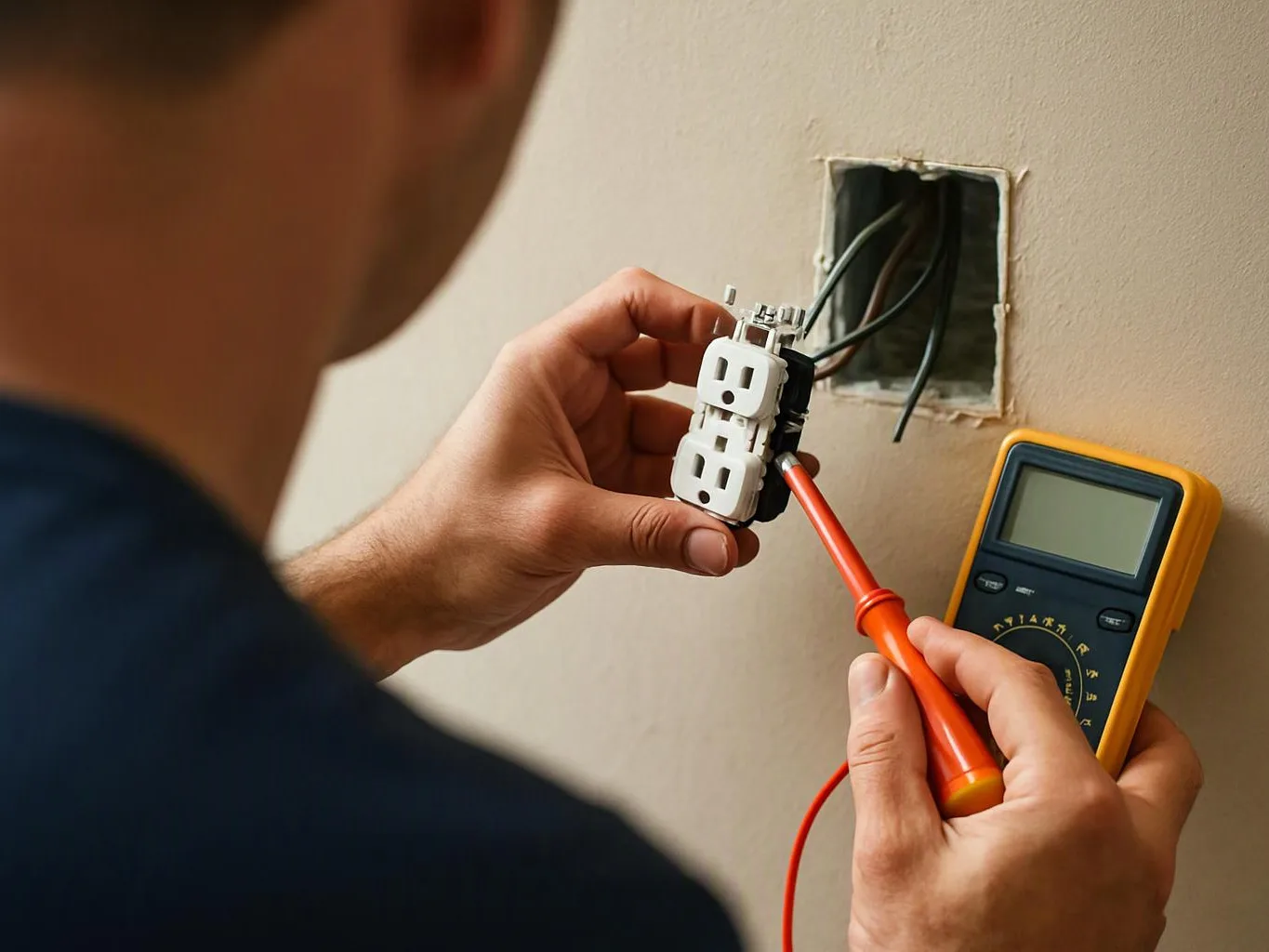
Our crew completes an outlet inspection before choosing outlet repair, receptacle replacement, or wiring repair. This approach avoids replacing a working receptacle when the real issue is elsewhere on the circuit.
When a Dead Outlet Needs Electrical Repair
A dead outlet needs electrical repair when resetting the circuit does not restore power or when the receptacle, wiring, or circuit shows damage. We address the confirmed fault and test the circuit after the repair.
Outlet repair may correct a failed connection or damaged terminal. Receptacle replacement may be appropriate when the device has burn marks, loose internal parts, or signs of electrical arcing.
More extensive wiring damage can require access to the outlet box, junction box, or other parts of the branch circuit. Our team evaluates whether the issue is isolated or connected to a larger need, such as whole-home rewiring.
For a focused repair, you can review our Outlet and switch repair service. We explain the work needed before starting.
How to Prevent Future Outlet Problems
Electrical maintenance can reduce outlet problems by keeping circuit loads, connections, and protective devices in good condition. Our team can inspect recurring faults when the same outlet or circuit repeatedly loses power.
We can inspect the circuit when an outlet problem returns after a reset. Repeated trips or recurring power loss may point to a circuit fault that needs testing.
What Changes the Cost of Repairing This Outlet?
The cost of repairing a dead outlet depends on whether the fault is in the receptacle, circuit protection, accessible wiring, or a broader electrical system; we provide free estimates after assessing the work. Our estimate reflects the actual outlet repair scope found during inspection.
Receptacle replacement may involve less work than tracing an open circuit or reaching a concealed wiring connection. Circuit troubleshooting, wiring access, and the condition of the outlet box can also affect the repair plan.
A wider issue may require work across several circuits or consideration of whole-home rewiring. We explain what caused the failure, what the repair includes, and which parts of the electrical system need attention.
Free Estimates Available helps you request an assessment before repair decisions are made.
How We Restore Power Safely
Center Electric Service restores power safely by isolating the fault, repairing the affected components, and completing final testing. Our process keeps the repair focused on the confirmed electrical problem.
Our crew explains the repair before work begins and checks related connections when the fault could extend beyond one outlet. This diagnostic path helps prevent a temporary reset from hiding a continuing problem.
When Should You Stop Troubleshooting the Outlet?
Stop troubleshooting and leave the circuit off when the outlet is hot, discolored, sparking, buzzing, or producing a burning smell. These signs can indicate an electrical shock hazard, damaged wiring, or electrical arcing.
Do not remove the cover or continue resetting the breaker when these conditions appear. Contact Center Electric Service so we can isolate the circuit and inspect the outlet safely.
Questions About a Dead Outlet
Why does only one outlet stop working?
One outlet can stop working because of a damaged receptacle, loose connection, or open circuit between that outlet and the panel. Center Electric Service checks the outlet and the connected branch circuit to locate the interruption.
Can a tripped GFCI cause another outlet to lose power?
Yes, a tripped GFCI can remove power from another outlet connected downstream on the same circuit. Resetting the correct GFCI may restore power, but our team checks the circuit if the outlet remains dead.
Should I replace an outlet that feels warm?
Yes, stop using a warm outlet and leave the circuit off until the cause is checked. A warm receptacle can have a loose connection, excessive circuit load, or internal damage that requires outlet repair or replacement.
Why is my outlet still dead after resetting the breaker?
An outlet can remain dead after a breaker reset because of a tripped GFCI, loose connection, damaged receptacle, or wiring fault. Center Electric Service uses circuit testing to determine where power stops reaching the outlet.
Can a dead outlet indicate a larger wiring problem?
Yes, a dead outlet can indicate a larger wiring problem when several outlets are affected or the fault returns after a reset. We trace the circuit and explain whether the repair is limited to one receptacle or involves broader wiring work.
A dead outlet needs a safe diagnosis when a reset does not restore power or when the receptacle shows damage. Center Electric Service checks the circuit, explains the repair, and restores power through the appropriate electrical work.
Contact Center Electric Service for an assessment and Free Estimates Available for the repair scope.