When to Call an Electrician for Damaged Outlets and Switches
Damaged outlets and switches need Center Electric Service when they show heat, sparks, burning odors, loose connections, exposed wiring, or repeated electrical problems; stop using the affected device and arrange an electrical inspection.
What Warning Signs Mean an Outlet or Switch Needs an Electrician?
An outlet or switch needs Center Electric Service when visible damage, heat, unusual sounds, burning odors, sparks, shocks, or unreliable operation suggest an electrical fault. We inspect the affected electrical device and the circuit before completing outlet and switch repair.
Some warning signs point to damage inside the wall or electrical box. Stop using the device when any of these conditions appear.
What Should You Do Before the Outlet or Switch Is Repaired?
Electrical safety comes first, so stop using the damaged outlet or switch and turn off the circuit only when you can identify it and do so safely. We can complete power isolation and inspect damaged wiring when the circuit condition is uncertain.
Keep people away from water-exposed electrical devices. Do not touch wet outlets, switches, exposed conductors, or damaged faceplates, and do not reset a circuit breaker repeatedly when it continues to trip.
If you smell smoke or see active sparking, leave the area and contact emergency services when needed. Once the immediate danger is controlled, our team can perform electrical troubleshooting and identify the source of the problem.
DIY or Call Us for Outlet and Switch Problems?
Limited DIY electrical checks are appropriate when they do not involve opening the electrical box or touching wiring. Center Electric Service handles circuit testing, wiring inspection, grounding checks, and repairs when the cause is unclear or the device shows damage.
Use the comparison below to decide which actions are limited to visual checks and which tasks require our team.
| Factor | What you can do yourself | What we do |
|---|---|---|
| Visual condition | Look for cracks, scorch marks, movement, or exposed wires without removing the cover. | We inspect the outlet, switch, faceplate, and electrical box for heat or physical damage. |
| Power isolation | Turn off the circuit breaker only when you can identify the correct circuit safely. | We confirm isolation and test the circuit before handling the device or wiring. |
| Outlet replacement | Do not replace an outlet when there is heat, sparking, shock, water exposure, or uncertain wiring. | We replace the receptacle when appropriate and check the connections and grounding. |
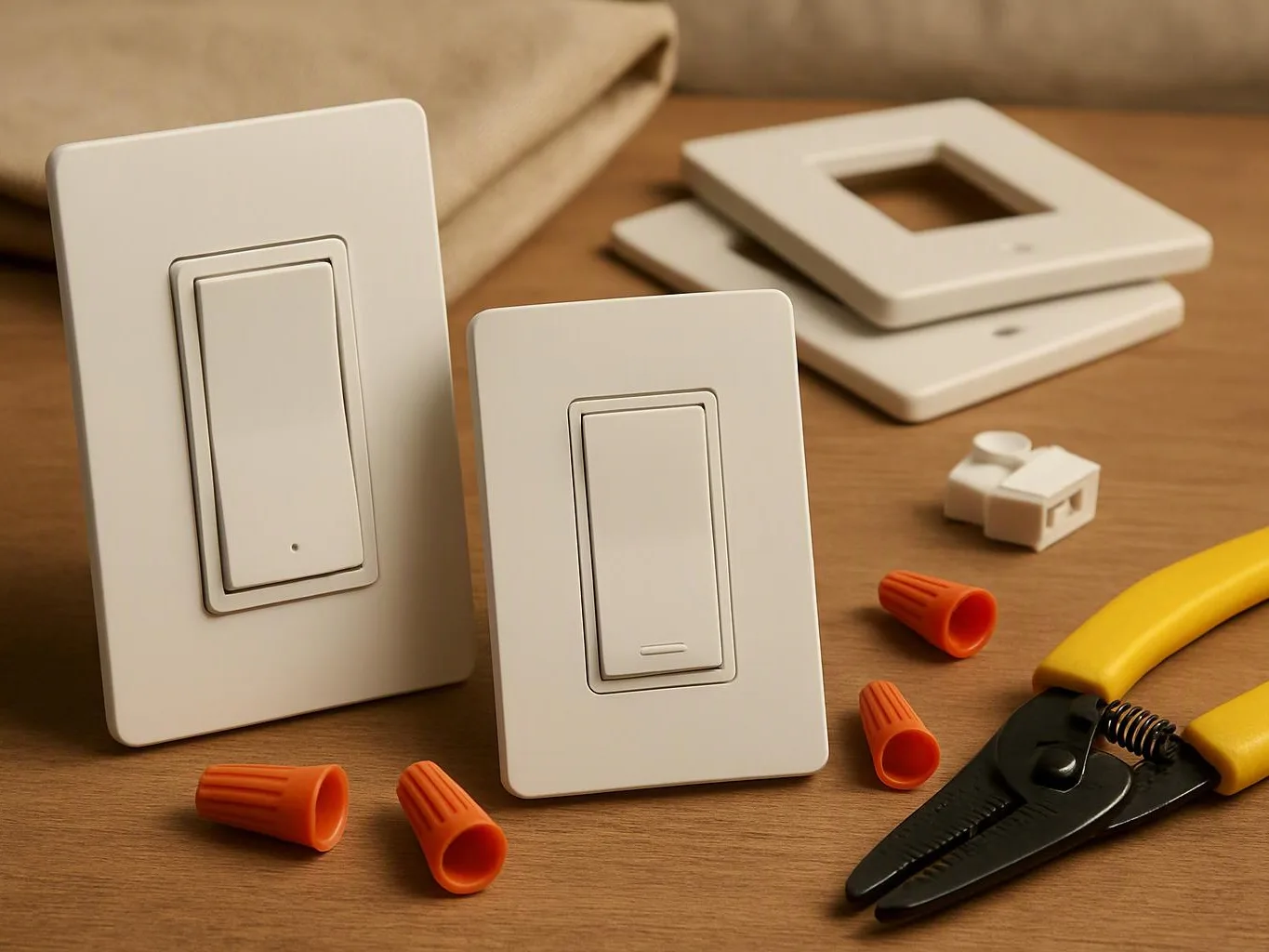
| Switch replacement | You can note whether a toggle switch, dimmer switch, or three-way switch operates reliably. | We identify the switch mechanism and verify each connection before completing the repair. |
| Fault diagnosis | Avoid opening the box when the circuit trips or the cause is not clear. | We perform electrical troubleshooting, circuit testing, wiring inspection, and grounding checks. |
How Does Center Electric Service Check a Damaged Outlet or Switch?
Center Electric Service checks the affected device, circuit, connections, and surrounding wiring to identify the fault before completing the appropriate outlet or switch repair; Free Estimates Available.
Our team begins with a visual inspection of the outlet box or switch box. We look for heat damage, loose wiring connections, damaged insulation, and signs that the device has shifted or been stressed.
We then use voltage testing and diagnostic testing to evaluate the circuit breaker, conductors, and electrical connections. Our inspection includes the grounding conductor, grounding terminal, hot wire, and neutral wire when those parts are involved.
After we identify the cause, we explain the electrical repair scope and complete the needed work. The repair may involve the outlet, switch mechanism, wiring connection, grounding, or a related circuit problem.
What Can Cause an Outlet or Switch to Fail?
A loose electrical connection can cause heat, intermittent power, buzzing, or visible damage at an outlet or switch. We inspect the terminals and wiring to determine whether the device or the connection has failed.
An overloaded circuit can place excess demand on the building electrical system and may cause a circuit breaker to trip. Our team checks the circuit condition and connected loads when repeated interruptions occur.
An aged receptacle or damaged switch can wear out and stop holding plugs or operating reliably. We assess the device and recommend outlet or switch repair when replacement is the safer option.
Faulty wiring, moisture intrusion, or a ground fault can create a shock risk and affect connected devices. We trace the affected circuit and check grounding before restoring safe operation.
What Changes the Cost of Repairing a Damaged Outlet or Switch?
The repair cost depends on whether the problem is limited to the outlet or switch, extends into the wiring or circuit, or requires related electrical troubleshooting; Center Electric Service explains the work included in the estimate.
A simple outlet replacement or switch replacement has a different scope from wiring repair inside an electrical box or wall. Access to wiring can also affect the work because concealed or damaged conductors may require additional inspection.
Our team also considers circuit troubleshooting, grounding problems, repeated breaker trips, and electrical panel conditions. Free Estimates Available, and our estimate explains the repair scope before work begins.
When Is an Outlet or Switch Problem an Electrical Emergency?
Smoke, active sparking, strong burning odors, severe heat, exposed energized wiring, or electric shock make an outlet or switch problem urgent and unsafe to use. Electrical fire hazard signs require immediate power isolation only when it can be done safely.
Water and electricity create a serious shock risk, so do not touch a wet outlet, switch, or nearby wiring. Leave the area when smoke or fire is present and contact emergency services when necessary.
After the immediate hazard is controlled, we inspect the sparking receptacle, damaged switch, circuit breaker, and surrounding electrical wiring. Our electrical safety check identifies whether the fault is limited to the device or reaches deeper into the circuit.
Questions About Damaged Outlets and Switches
Can a damaged outlet cause a breaker to trip?
Yes, a damaged outlet can cause a breaker to trip when a short circuit, overloaded circuit, ground fault, or damaged wiring affects the circuit. Center Electric Service tests the outlet and circuit to identify the cause.
Is a warm electrical outlet dangerous?
Yes, a warm electrical outlet can indicate overheating, a loose connection, an overloaded circuit, or a failing receptacle. Stop using the outlet and arrange an inspection.
Should I replace a cracked outlet cover myself?
You can replace a cover only when the outlet and wiring are cool, dry, stable, and free from other damage. Stop and arrange an inspection when the device is loose, warm, scorched, sparking, or exposing wiring.
Why does a light switch make a buzzing sound?
A buzzing light switch can result from a loose connection, a failing switch mechanism, incompatible dimmer use, or circuit trouble. Stop using the switch when buzzing continues or heat appears.
Can a loose outlet be repaired without replacing the wiring?
Yes, a loose outlet may be repaired without replacing the wiring when the box, conductors, and connections remain safe and undamaged. An inspection is needed to confirm the repair scope.
What should I do if an outlet shocks me?
Stop using the outlet, move away from the area, and arrange an electrical inspection. Do not touch the outlet again until Center Electric Service checks the circuit, wiring, and grounding.
Damaged outlets and switches can involve a failing device, loose connection, grounding problem, or deeper circuit fault. Contact Center Electric Service for outlet and switch repair, electrical troubleshooting, and a clear estimate of the work needed.
Contact Center Electric ServiceRelated Resources
Electrical Panel Upgrade Process: What to Expect Step by Step
How It WorksWhole-Home Rewiring Process: Inspection, Planning, Installation, and Testing
Compared ToElectrical Panel Upgrade vs. Panel Replacement: Which Option Fits Your Property?
Compared ToWhole-Home Rewiring vs. Partial Rewiring: Comparing Electrical Repair Options