Whole-Home Rewiring vs. Partial Rewiring: Comparing Electrical Repair Options
Residential electrical rewiring compares whole-home and partial work by scope, suitability, wiring condition, access, circuit capacity, and future electrical demand. Center Electric Service inspects the electrical system, maps affected circuits, and explains whether targeted repairs or broader wiring replacement provides the safer long-term solution.
What Is the Difference Between Whole-Home and Partial Rewiring?
Whole-home rewiring replaces electrical wiring across the property, while partial rewiring replaces or repairs wiring within selected circuits, rooms, or problem areas.
Whole-home rewiring addresses the residential electrical system as a connected whole. Partial rewiring focuses on a defined electrical circuit, room, or localized fault when the remaining wiring is suitable for continued service.
We inspect the electrical wiring, electrical circuits, connections, and protective devices before recommending a rewiring scope. Our goal is to match the repair to the actual condition of the system.
Whole-Home Rewiring vs. Partial Rewiring at a Glance
Whole-home rewiring provides broader system renewal, while partial rewiring limits work to verified problem areas and may suit a property with otherwise serviceable wiring.
The right comparison depends on more than the visible fault. We consider wiring deterioration, access behind walls, circuit requirements, panel condition, and the property’s future electrical needs.
| Factor | Whole-Home Rewiring | Partial Rewiring | Project Implication |
|---|---|---|---|
| Rewiring scope | Broad property-wide wiring replacement | Selected circuits, rooms, or problem areas | Broader work affects more of the electrical system |
| Cost drivers | More affected wiring, access, circuits, and restoration | Fewer affected areas when the fault is contained | The final quote depends on verified repair scope |
| Project timeline | Broader work generally requires more coordination | Targeted work generally limits the work area | Access and surface restoration affect scheduling |
| Electrical maintenance | Creates a more consistent wiring system | Leaves unaffected wiring in service | Future maintenance depends on remaining wiring condition |
| Property suitability | Suitable for widespread deterioration or modernization | Suitable for an isolated, diagnosable problem | Inspection determines which option fits |
What Are the Advantages of Whole-Home Rewiring?
Whole-home rewiring is usually the stronger option when wiring problems are widespread, the system is outdated, or future electrical demand requires broader planning.
We can plan branch wiring, grounding conductors, outlets, switches, and junction boxes as part of one coordinated electrical system upgrade.
Best for: properties with widespread electrical faults, aging wiring, capacity limits, or interconnected safety concerns.
What Are the Advantages of Partial Rewiring?
Partial rewiring is usually the stronger option when inspection identifies a localized wiring defect and the remaining electrical system is suitable for continued service.
We isolate the affected circuit or room and complete targeted electrical repair without extending the work into areas that do not require wiring replacement.
Best for: a contained fault, a single circuit concern, or room-specific wiring work where the wider system remains suitable.
Which Rewiring Option Fits Your Electrical Problem?
The better option depends on whether inspection finds an isolated defect or interconnected problems across the electrical system.
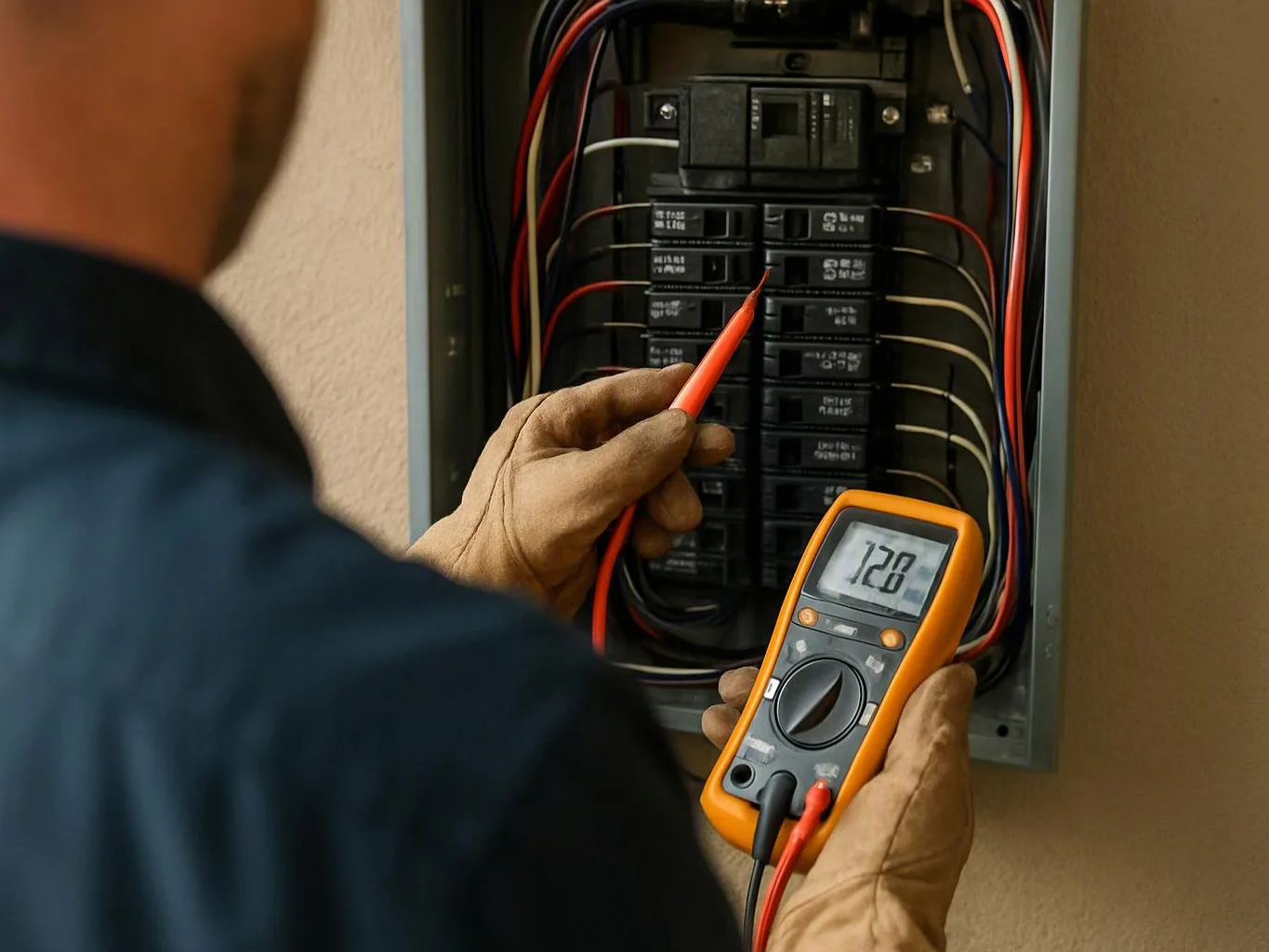
Electrical troubleshooting and diagnostics helps us identify the source of symptoms before we define the repair. We use circuit testing and circuit mapping to review wiring condition, electrical load, and the relationship between circuits and the electrical panel.
Knob-and-tube wiring, aluminum wiring, an overloaded circuit, or grounding deficiencies may require broader evaluation. We determine whether those conditions are isolated or part of a larger electrical system problem.
When the recommended work involves the entire property, our Whole-home rewiring service can address coordinated wiring replacement and system modernization.
When Does Partial Rewiring Make Sense?
Partial rewiring makes sense when localized wiring damage is limited to a single circuit, room, or clearly identified connection.
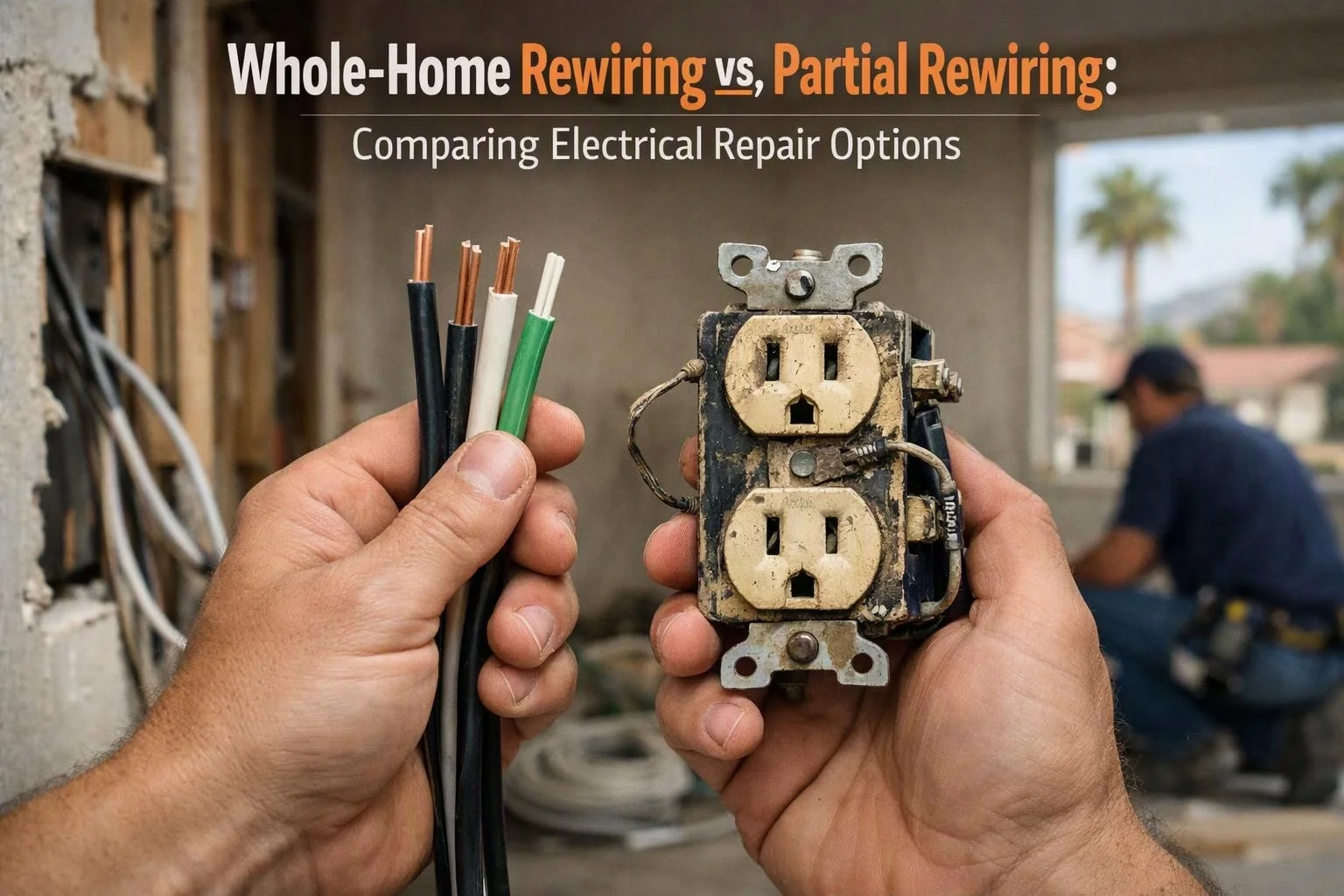
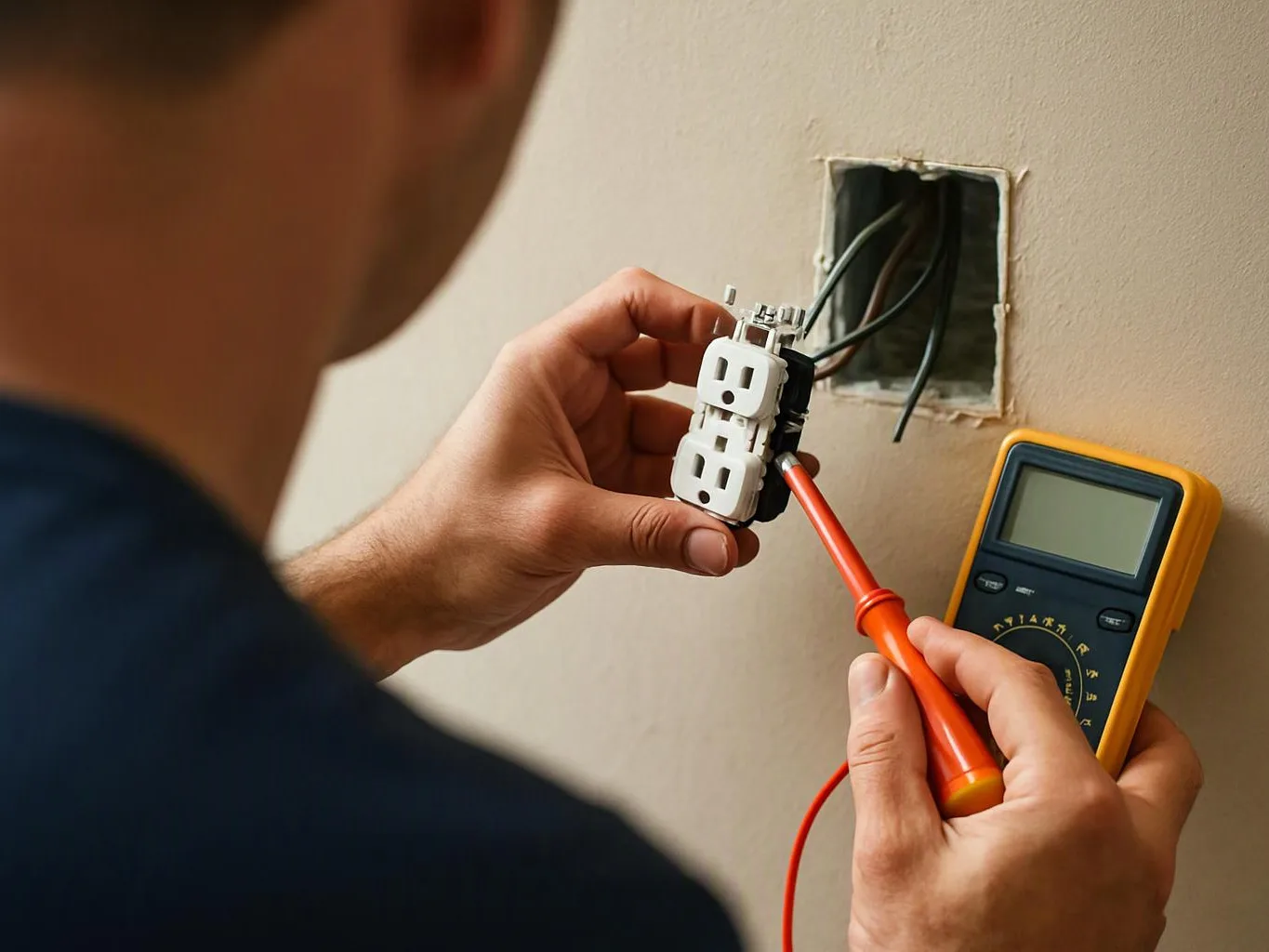
We use fault isolation and circuit testing to confirm that the problem does not extend into other parts of the electrical system. Partial rewiring can also fit a room renovation when new circuit protection or wiring is needed in that area.
When Is Whole-Home Rewiring the Safer Choice?
Whole-home rewiring is the safer choice when wiring deterioration, repeated electrical faults, or grounding deficiencies affect multiple areas.
We also consider whole-home work when insufficient circuit capacity limits the property’s electrical load or when electrical system modernization is part of a larger renovation. A coordinated plan can address related circuits, the panel, and grounding paths together.
What Changes the Cost of Whole-Home or Partial Rewiring?
Rewiring cost depends on the affected area, wiring access, circuit requirements, panel condition, surface restoration, and any additional electrical repairs identified during diagnostics.
Property size and circuit count influence the amount of electrical wiring involved. Wiring accessibility also matters because access behind walls and ceilings can affect labor and restoration needs.
We review the electrical panel, grounding system, outlets, switches, and junction boxes when they relate to the repair scope. Permit requirements and renovation conditions may also affect the work included in a quote.
Our team explains the repair scope and provides upfront pricing. Free Estimates Available makes it easier to review the recommended work before rewiring begins.
How We Assess the Right Rewiring Scope
Center Electric Service identifies the rewiring scope through inspection and diagnostics, then explains the recommended work and provides upfront pricing with free estimates available.
What Should You Do Before Rewiring Begins?
Homeowners should document electrical symptoms, avoid disturbing damaged wiring, and arrange an evaluation when warning signs or renovation plans affect the electrical system.
Clear notes about power interruptions, a burning odor, warm outlets, or tripped breakers can help us target the inspection. You should stop using equipment connected to visibly damaged wiring and avoid opening electrical devices.
How Do You Choose Between Targeted Repairs and Full Rewiring?
Choose targeted repairs for a contained, diagnosable problem and consider full rewiring when defects, capacity limits, or aging wiring extend across the property.
We connect the immediate repair to long-term electrical planning. That approach helps you weigh electrical reliability, future load, home improvement plans, and maintenance needs before selecting a repair scope.
Our team can explain whether partial rewiring solves the identified problem or whether full electrical system replacement better supports the property’s future use.
Questions About Whole-Home and Partial Rewiring
Can partial rewiring solve an electrical problem in one room?
Yes, partial rewiring can solve an electrical problem in one room when testing confirms that the fault is localized and the remaining system is suitable for service. Center Electric Service checks the room circuit and related connections before defining the repair.
Does partial rewiring address wiring behind the walls?
Yes, partial rewiring can address wiring behind walls when that wiring belongs to the defined repair area. We assess wiring accessibility and explain any wall or ceiling access and surface restoration involved.
When should old wiring be replaced throughout a house?
Old wiring should be replaced throughout a house when inspection finds widespread deterioration, repeated faults, grounding deficiencies, or circuit capacity limits across the property. We use diagnostic findings to determine whether whole-home work is appropriate.
Can electrical troubleshooting determine whether full rewiring is necessary?
Yes, electrical troubleshooting can help determine whether full rewiring is necessary by locating faults, reviewing circuit capacity, and evaluating wiring condition. We combine diagnostic testing with circuit mapping before recommending targeted or whole-home work.
What should a rewiring estimate include?
A rewiring estimate should identify the affected circuits or areas, wiring access needs, panel-related work, surface restoration, permit requirements, and additional repairs found during diagnostics. We explain the recommended repair scope and provide upfront pricing with Free Estimates Available.
Center Electric Service evaluates your wiring condition, circuit capacity, access, and future electrical demand before recommending partial or whole-home rewiring. Contact us to review the electrical repair scope and request an estimate.