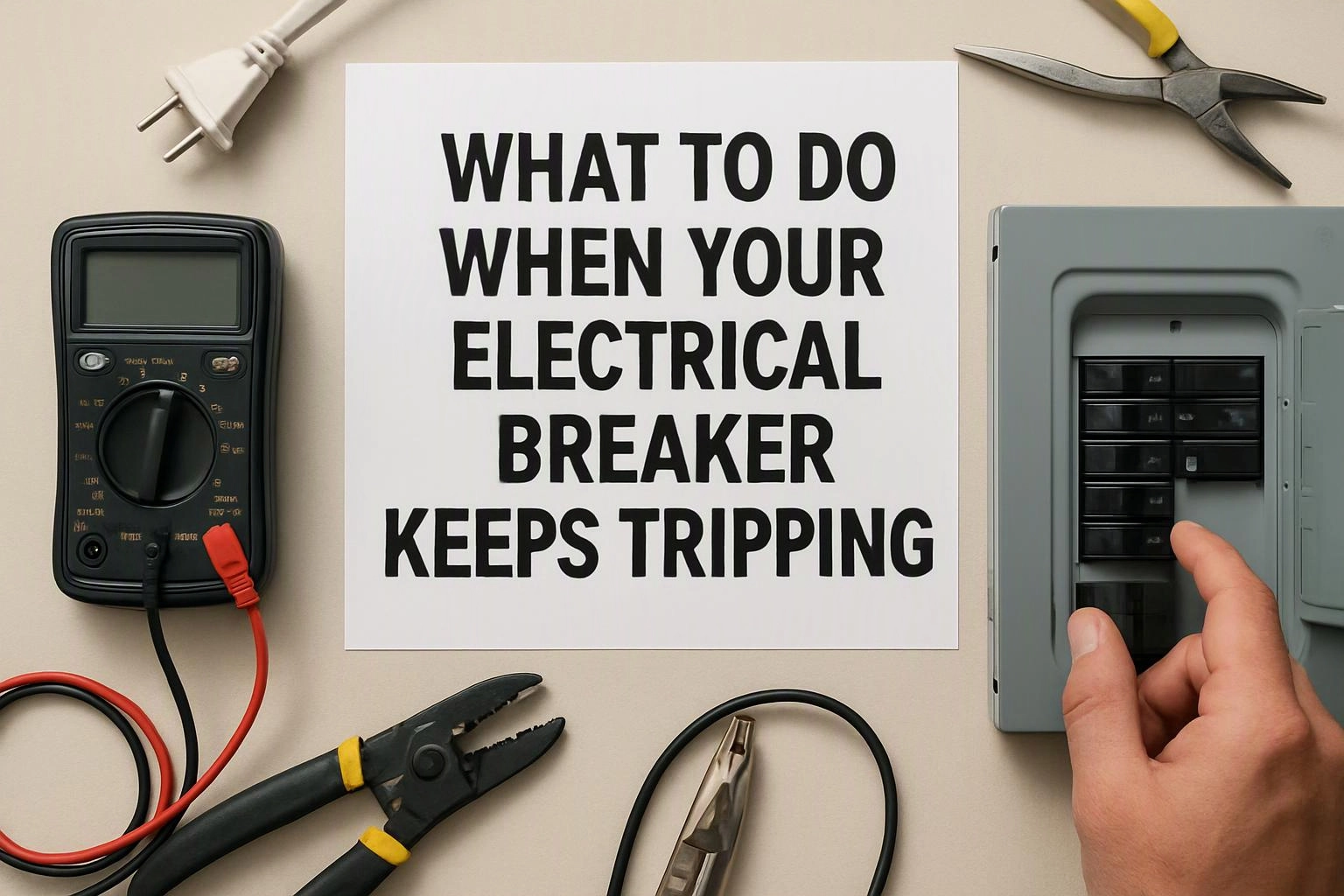
What to Do When Your Electrical Breaker Keeps Tripping
An electrical breaker keeps tripping when a circuit is overloaded, a device or wire has a fault, or the breaker or panel needs attention. Turn off or unplug affected devices, reset the breaker only once if safe, and stop resetting it when it trips again. Center Electric Service can diagnose the circuit, repair outlets or switches, or assess whether an electrical panel upgrade is needed.
What Does a Tripping Electrical Breaker Mean?
An electrical breaker is a circuit-protection device that interrupts power when current or fault conditions become unsafe. This response helps limit damage from overcurrent, a short circuit, or a ground fault.
The breaker may be a single-pole or double-pole device, and some circuits also use GFCI or arc-fault protection. We identify which protection is operating and trace the circuit before recommending a repair.
What Signs Should You Check When a Breaker Keeps Tripping?
Repeated trips, heat, odors, sounds, sparks, and visible damage show that the circuit needs attention. Check the area without removing covers or touching damaged parts.
What Commonly Causes an Electrical Breaker to Keep Tripping?
The common causes are an overloaded circuit, a faulty appliance or connection, a wiring fault, or a breaker and panel problem. Our team separates these possibilities through circuit testing and inspection.
What Can You Safely Do Before Electrical Troubleshooting?
Safe homeowner checks can reduce immediate load, but they do not identify hidden wiring faults. Use these steps only when the electrical panel and nearby area are dry and undamaged.
If the breaker will not stay on, leave the circuit off and contact us for electrical safety guidance and diagnosis.
When Should You Stop Resetting the Breaker?
Stop resetting the breaker when it trips again, or when you notice heat, burning odors, sparks, water exposure, or exposed wiring. These conditions indicate an electrical hazard that can worsen when power is restored.
Keep people away from damaged outlets, switches, and panels. We locate the fault, make the area safe, and repair the affected circuit or component.
How Can You Help Prevent Repeated Breaker Trips?
Prevention starts with distributing electrical loads, removing damaged equipment, keeping outlets dry, limiting extension-cord dependence, and addressing recurring trips through diagnosis. These habits reduce strain but cannot correct a hidden electrical fault.
How We Diagnose a Breaker That Keeps Tripping
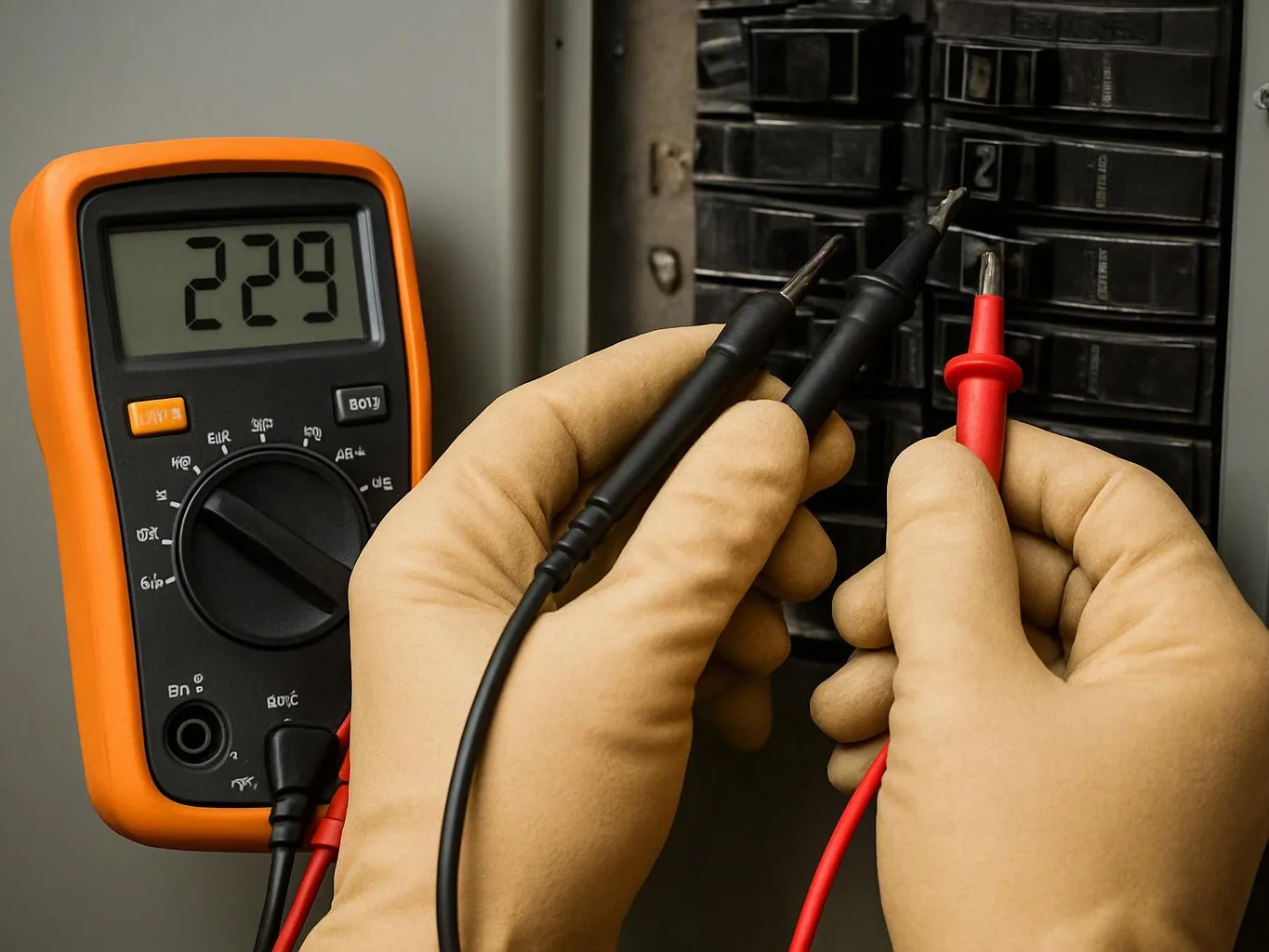
Electrical troubleshooting and diagnostics traces the affected circuit, checks connected devices and wiring, inspects the breaker and panel, and identifies the repair that addresses the cause.
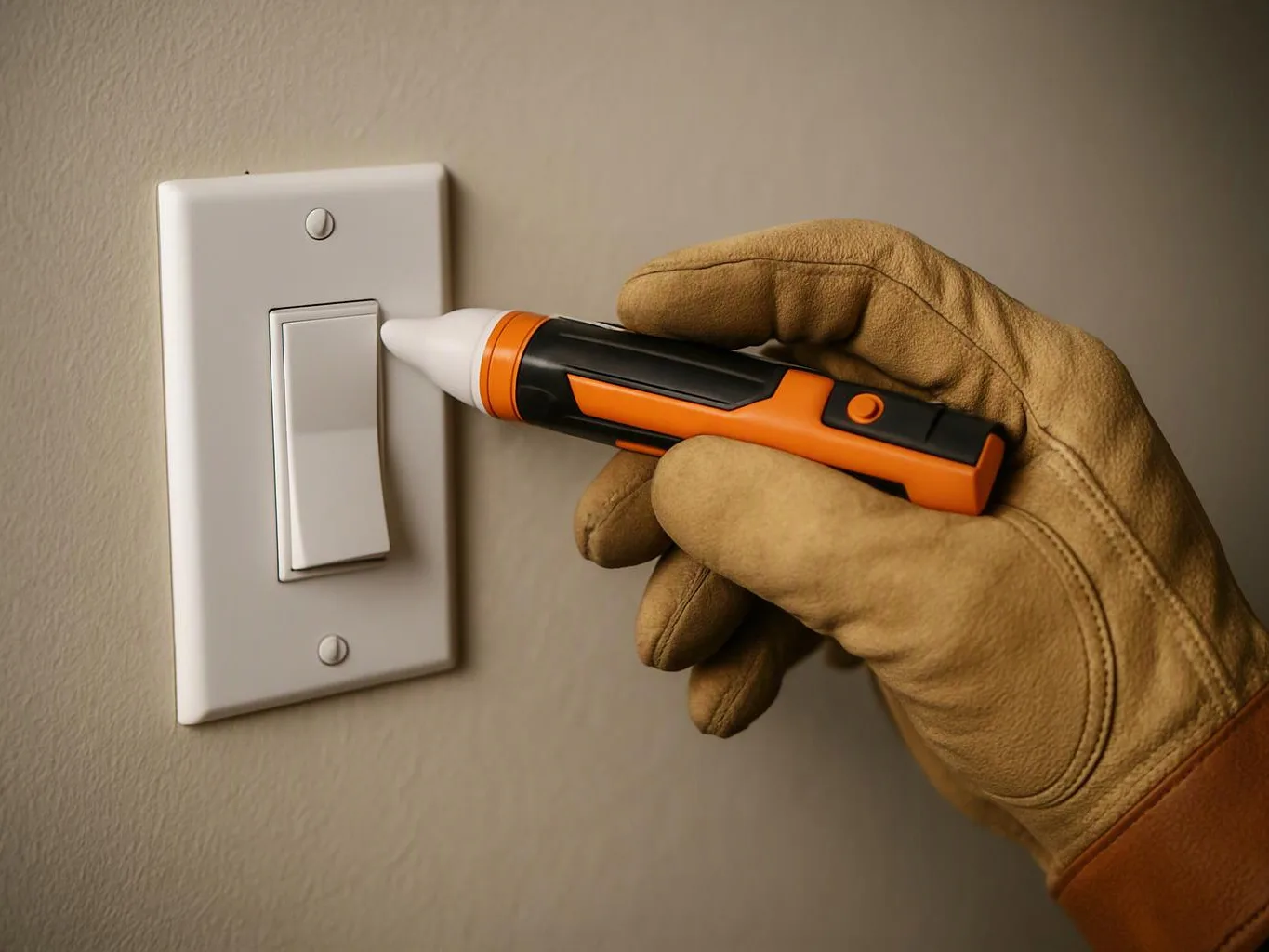
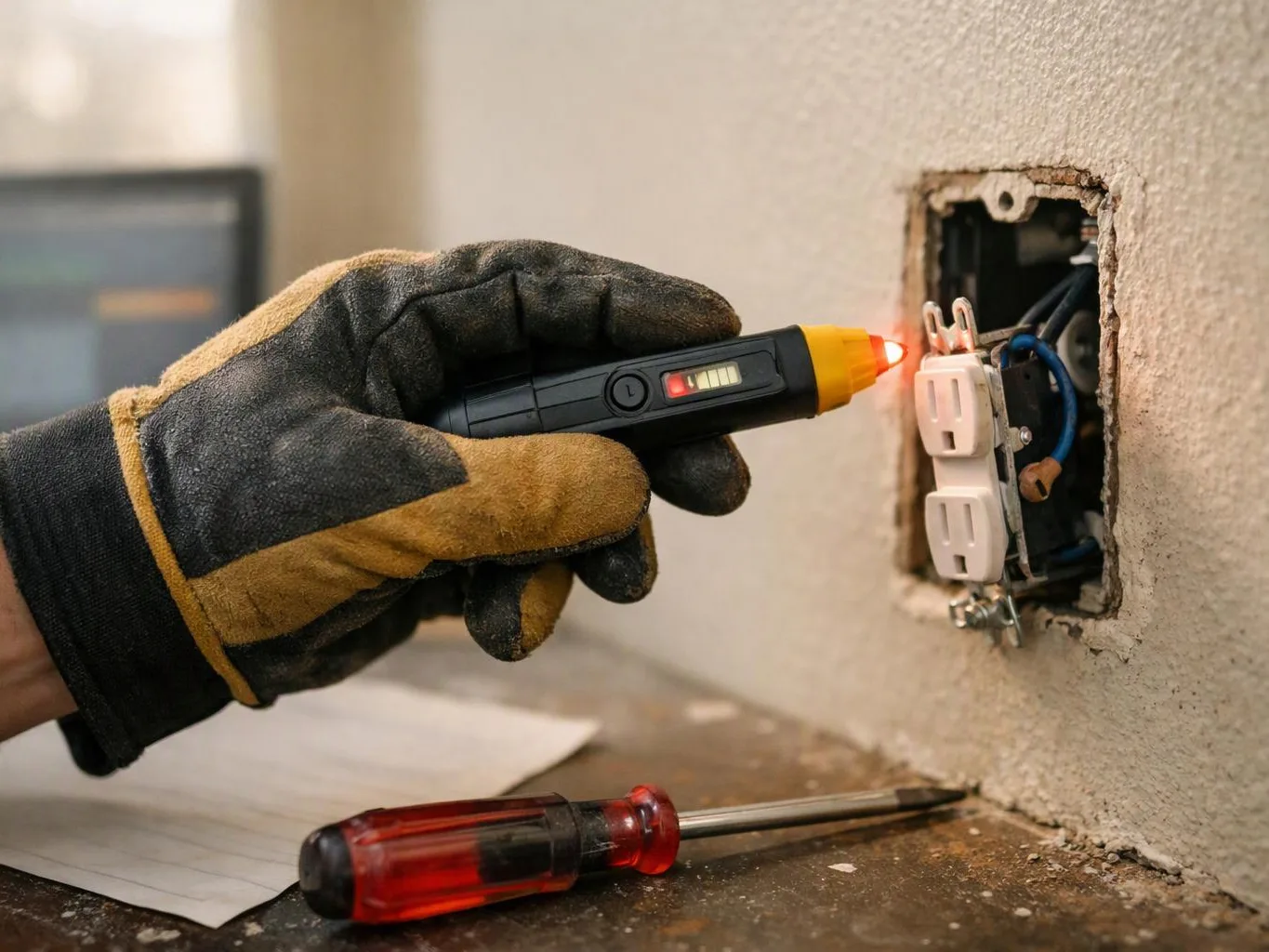
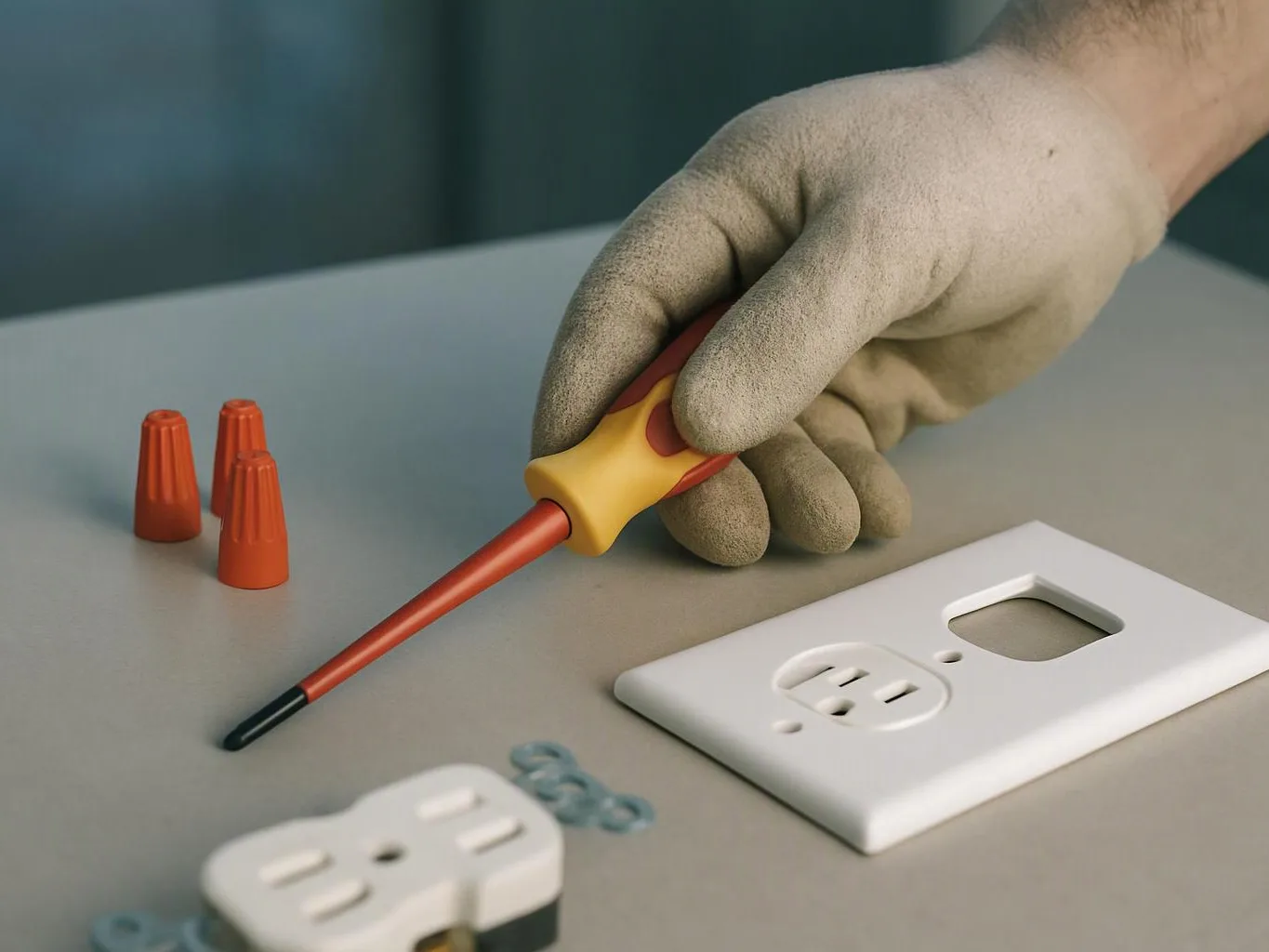
We test the circuit in a controlled way and inspect outlets, switches, connections, and circuit wiring. When the fault is at an outlet or switch, we complete outlet and switch repair; when panel capacity or condition is the issue, we assess an electrical panel upgrade.
Our findings help separate a faulty appliance from a short circuit, ground fault, or damaged wiring problem.
What Does the Electrical Repair Quote Include?
An electrical repair quote should identify the affected circuit, the diagnosed cause, the recommended repair, and the work included. We explain the diagnostic findings and the repair path before work begins.
Center Electric Service provides Free Estimates Available and explains upfront pricing before work begins. The cost depends on the fault, access to the circuit, the condition of the wiring, and whether the repair involves an outlet, switch, breaker, or panel.
To obtain an exact quote, contact us with details about when the breaker trips, which areas lose power, and any signs of heat or damage.
When Is an Electrical Panel Upgrade the Right Solution?
An electrical panel upgrade may be appropriate when the panel cannot safely support the home's electrical demands or recurring circuit problems point to panel limitations. We base that recommendation on the panel condition, available capacity, circuit breakers, and measured electrical load.
| Panel finding | What it may mean | Our next step |
|---|---|---|
| Repeated trips with normal appliance use | The circuit or panel may not handle the electrical load safely | Test the circuit and review panel capacity |
| Heat, corrosion, or visible panel damage | The panel or its connections may need repair or replacement | Inspect the enclosure, breakers, and connections |
| New high-demand equipment cannot fit the existing setup | The available capacity may not match the home's needs | Evaluate the load and outline upgrade options |
Questions About a Breaker That Keeps Tripping
Why does my breaker trip when I plug in an appliance?
Center Electric Service checks whether the appliance creates an overload, short circuit, ground fault, or connection problem. Unplug the appliance and leave the breaker off if it trips again.
Why does the breaker trip immediately after I reset it?
A breaker that trips immediately after reset usually indicates an active overload, short circuit, ground fault, or damaged circuit wiring. Leave the breaker off and arrange circuit testing.
Can a bad outlet cause a breaker to keep tripping?
Yes, a damaged or loose outlet can create a fault that trips the circuit breaker. We inspect the outlet, its connections, and the wiring before completing outlet repair.
Should I replace a breaker that keeps tripping?
No, replacing a breaker without finding the cause may leave an overload or electrical fault unresolved. We inspect the circuit and panel before deciding whether the breaker needs replacement.
Can repeated breaker trips damage an electrical panel?
Yes, repeated fault conditions can place stress on breaker and panel connections. We inspect the panel and affected circuit to determine whether repair or an electrical panel upgrade is needed.
Center Electric Service can trace a breaker that keeps tripping, identify the cause, and explain the repair for the circuit, outlet, switch, or electrical panel.
Contact Center Electric Service