Electrical Burning Smell: Finding the Source and Preventing Damage
Electrical burning smell can indicate overheating, damaged wiring, a failing connection, or an overloaded electrical component. Turn off the affected circuit if safe, avoid using the source, and contact Center Electric Service for electrical troubleshooting and diagnostics. Free Estimates Available.
What Does an Electrical Burning Smell Mean?
An electrical burning smell is a warning sign that electrical material, insulation, a connection, or a component may be overheating or breaking down. The odor can point to an electrical fault and may increase electrical fire risk if the heat source remains active.
We inspect the affected area to help identify whether the problem involves electrical wiring, wire insulation, a connection, or a connected device. Contact Electrical troubleshooting and diagnostics when the source is not clear or the odor continues.
What Signs Often Appear With an Electrical Burning Smell?
Electrical burning smells often appear with visible, audible, or temperature-related warning signs. These symptoms can help show where we should begin fault tracing, but they do not prove that the nearest device caused the problem.
We treat smoke, melting plastic, and active heat as urgent fire safety concerns. Stop using the affected equipment and move away from the area if conditions worsen.
Where Should You Look for the Smell?
The source may be near an outlet, switch, light fixture, appliance cord, electrical panel, or concealed wiring, so the strongest smell does not always identify the failed component. Odor can travel through air gaps, device boxes, and a wall cavity.
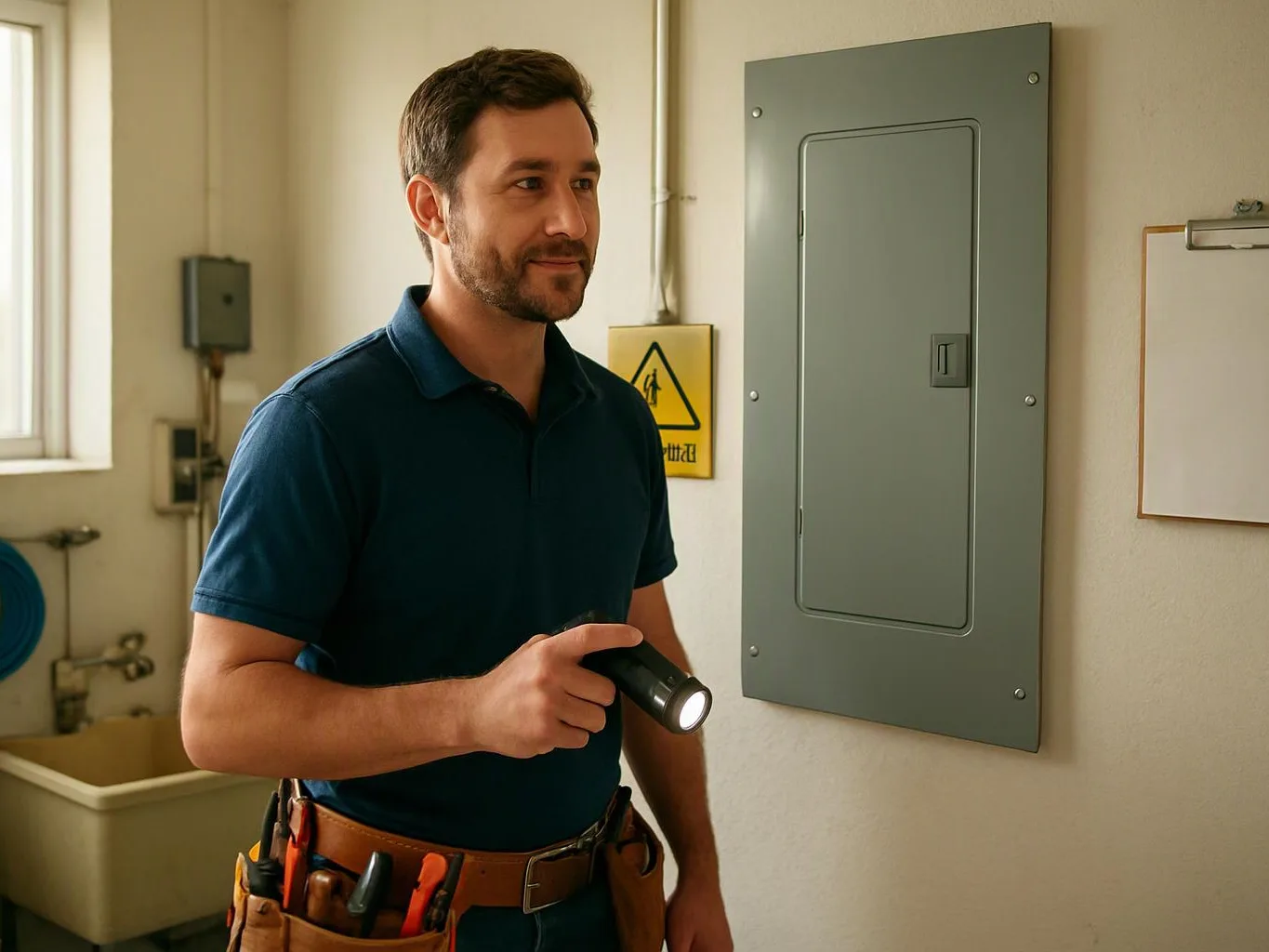
We start with the area where the burning electrical odor is strongest and then follow the related circuit. Our inspection considers the electrical outlet, light switch, light fixture, appliance cord, and electrical panel before we decide where the fault is located.
What Common Problems Cause an Electrical Burning Smell?
Common causes include heat at a connection, excessive demand, damaged insulation, or a component that is starting to fail. We use the symptoms and circuit condition to separate an isolated device problem from a broader wiring concern.
We check for an overheating wire, a loose terminal, and signs of a short circuit during diagnosis. The repair should address the source of heat, not only the odor.
What Should You Do When You Smell Burning Electrical Odor?
When you smell burning electrical odor, stop using the suspected equipment, isolate the circuit only if it is safe, and contact Center Electric Service for diagnosis. Smoke or visible fire requires immediate evacuation and fire response.
Power isolation can reduce ongoing heat, but turning off a breaker does not repair the cause. If fire is present, leave the building and use fire response procedures before contacting us.
How We Trace and Diagnose the Electrical Smell
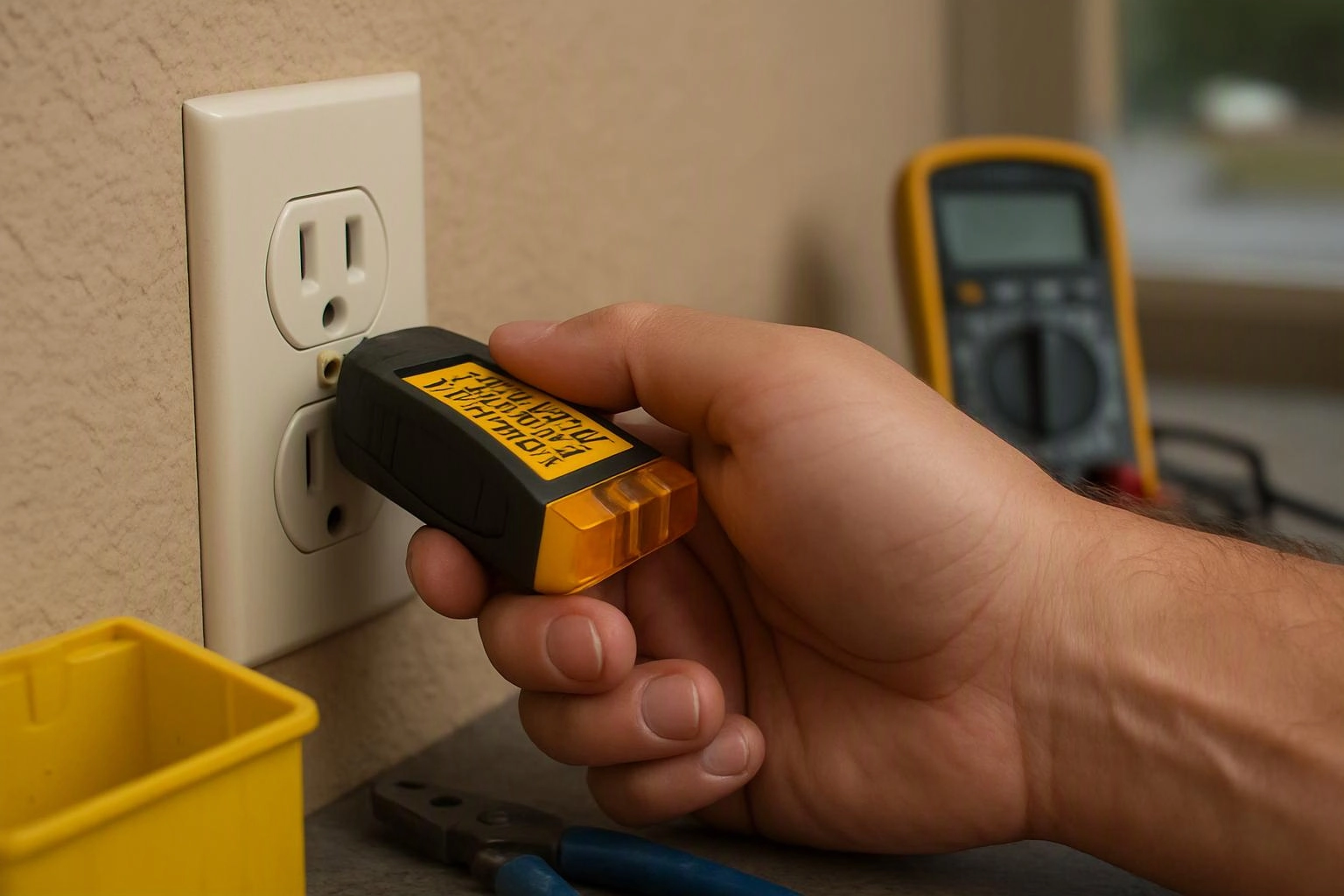
We trace the odor by inspecting accessible electrical components, identifying heat or damage, testing the affected circuit, and locating the fault before recommending corrective work. Our electrical troubleshooting and diagnostics process focuses on the source of the problem and the condition of connected parts.
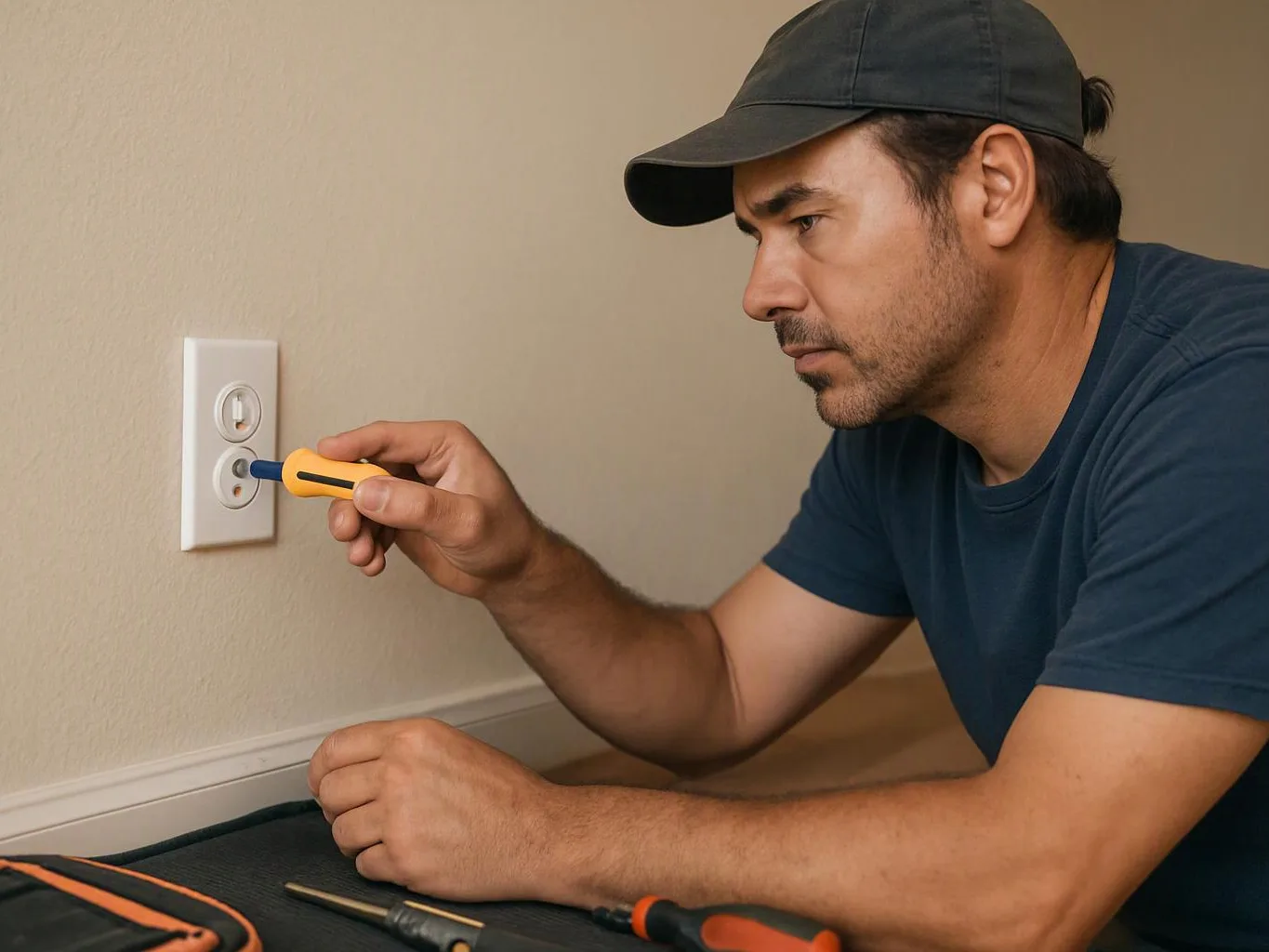
Our team begins with a visual inspection of outlets, switches, fixtures, cords, and the electrical panel. We then use circuit testing, connection testing, and thermal inspection where appropriate to look for abnormal heat, damaged insulation, or a failing component.
We explain what we find before repair work is planned. Free Estimates Available.
What Repairs May Prevent Further Electrical Damage?
The repair depends on the failed component and may involve correcting a connection, replacing damaged wiring, upgrading the electrical panel, or planning whole-home rewiring. We match the corrective work to the fault and the condition of the surrounding electrical system.
A loose connection may need secure termination or component replacement. Damaged wire insulation may require electrical repair, while an overloaded circuit may require circuit changes or an electrical panel upgrade.
We discuss whole-home rewiring when damage, aging wiring, or repeated faults extend across multiple circuits. The goal is to remove the source of heat and restore safe operation.
How Can You Prevent Electrical Burning Smells?
Prevention starts with controlling circuit load and watching for early changes in outlets, cords, fixtures, and the panel. We can inspect electrical conditions when warning signs return or when you are unsure whether a circuit can support its connected equipment.
We check outlet condition, cord condition, panel condition, and circuit load during an inspection. Early electrical repair can help limit damage before a small fault affects more wiring.
What Changes the Scope of Electrical Smell Diagnosis?
The scope depends on where the fault is located, how accessible the wiring is, whether the circuit has additional damage, and whether the electrical panel can support the connected load. A visible outlet problem may require a different investigation from an odor that comes from a wall cavity.
We consider fault location, wiring accessibility, circuit condition, and electrical panel capacity before recommending work. We also explain when a focused circuit repair is appropriate and when whole-home rewiring needs to be evaluated.
The quote reflects the access, testing, damaged materials, and corrective work identified during our inspection. We provide the details needed to make an informed repair decision.
How Center Electric Service Helps Resolve the Problem
Center Electric Service diagnoses the source, explains the needed corrective work, and provides Free Estimates Available before work is planned. We use electrical troubleshooting and diagnostics to connect the odor with the actual fault.
Our team can address damaged wiring and loose connections, assess an electrical panel upgrade, and discuss whole-home rewiring when the condition of the system calls for broader work. We keep the repair plan focused on safety, access, and the condition of the affected circuit.
Contact Center Electric Service to discuss an electrical burning smell and arrange the next step.
Questions About Electrical Burning Smells
Can an electrical burning smell go away on its own?
An electrical burning smell can fade when a hot component cools, but the underlying fault may remain active. Center Electric Service checks the related circuit and components before you resume using the source.
Why does my outlet smell like burning plastic?
A burning plastic smell from an outlet can indicate overheating at the receptacle, a loose connection, an overloaded circuit, or damaged wire insulation. Stop using the outlet and arrange electrical testing before restoring normal use.
Why do I smell burning when I turn on a light?
A burning smell when a light turns on can come from the light fixture, lamp, switch, wiring, or a connection that heats under load. Turn off the light and have the circuit inspected if the odor returns.
Can a burning electrical smell come from inside a wall?
A burning electrical smell can come from inside a wall when concealed wiring, a splice, or a device box overheats. Do not open the wall or handle hidden wiring; isolate power only if safe and arrange fault tracing.
Should I turn off the breaker when I smell burning?
Yes, turn off the circuit breaker only when you can reach it safely and there is no active fire, smoke, or severe heat. Leave the area and use fire response procedures when fire is present, then contact Center Electric Service for diagnosis.