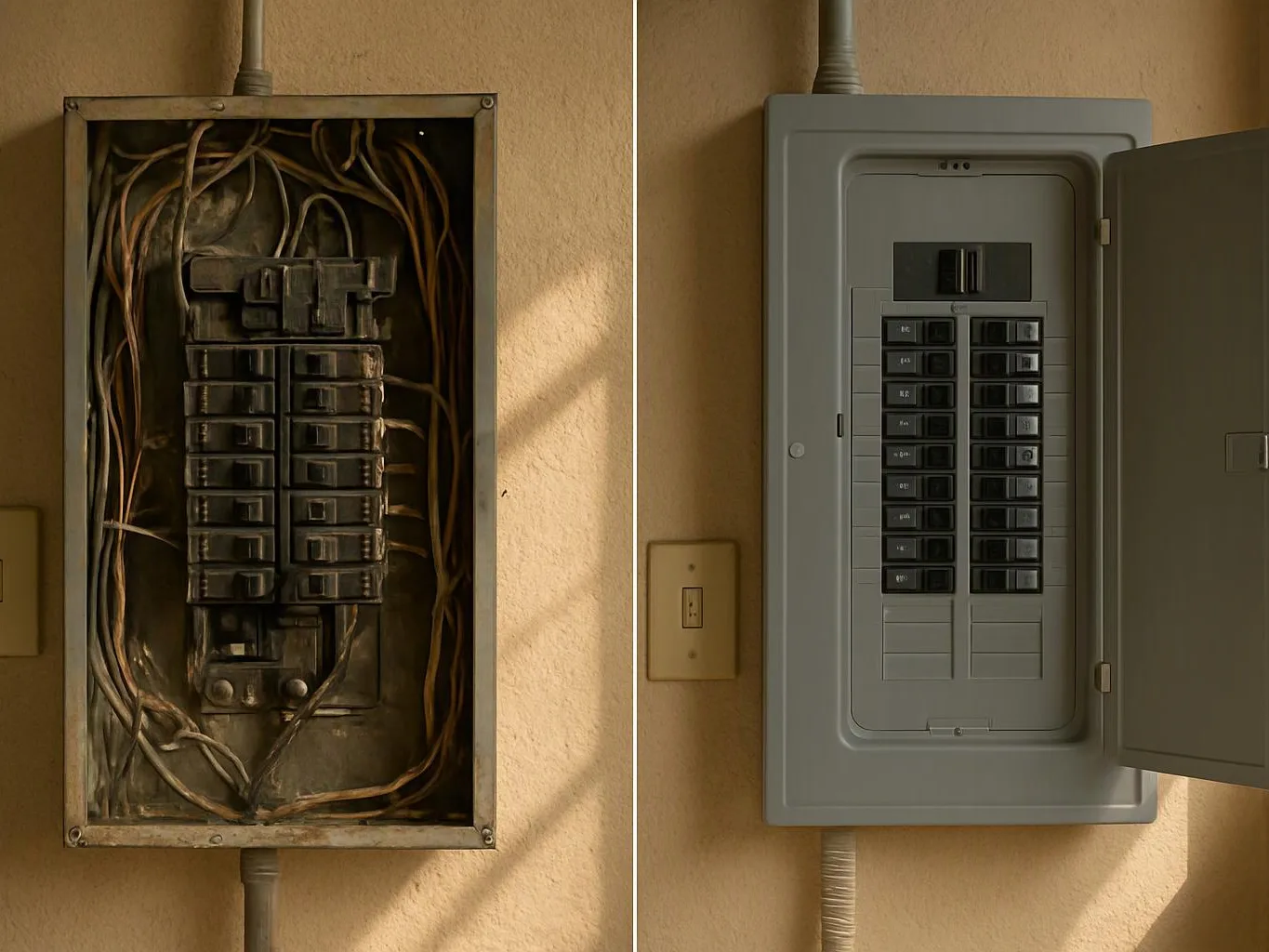
Flickering Lights: Electrical Causes, Risks, and Repair Options
Flickering lights can result from loose connections, circuit overloads, incompatible components, or electrical equipment faults. Center Electric Service diagnoses the source, checks for safety risks, and recommends the appropriate repair, lighting work, or panel upgrade.
What Do Flickering Lights Mean?
Flickering lights mean that a light fixture, connection, circuit, or electrical supply may not be delivering steady power. The visible symptom can appear as blinking lights, pulsating lights, or intermittent light.
A flicker limited to one fixture may point to a bulb, socket, switch, or local wiring connection. Flickering across several rooms may point to a lighting circuit, electrical panel, or voltage fluctuation. We separate these patterns during electrical troubleshooting so the repair addresses the source.
Quick picks depend on the pattern: check the bulb for a single-light flicker, check compatibility for an LED and dimmer issue, and request electrical diagnosis when several lights flicker or other warning signs appear.
What Signs Can Show a More Serious Electrical Problem?
Serious electrical problems are more likely when light flicker appears with heat, noise, odor, visible damage, or circuit interruption. We treat these combinations as a reason to stop using the affected equipment and assess the electrical system.
These signs can involve loose wiring, electrical arcing, overheating, or an overloaded circuit. Our team checks the affected lighting circuit and related equipment before recommending continued use.
What Causes Lights to Flicker?
Lights flicker when the bulb, fixture, control, circuit, or incoming electrical supply does not maintain stable operation. The likely cause depends on whether the problem affects one light or multiple lights.
We compare the symptom with the condition of the bulb, fixture, dimmer switch, branch circuit, and electrical panel. That comparison helps us distinguish a local lighting fault from a broader electrical system issue.
When Can Flickering Lights Create a Safety Risk?
Flickering lights create a safety risk when the symptom occurs with heat, burning odors, buzzing, sparks, damaged wiring, or repeated breaker trips. These conditions can indicate electrical fire risk, electric shock exposure, arcing, or overheating.
Exposed wiring, scorch marks, and a warm switch require extra caution. Turn off the affected circuit breaker if you can do so safely, keep clear of damaged parts, and contact Center Electric Service for an assessment.
A circuit breaker that trips repeatedly is a warning, not a reset routine. We identify whether the cause is a faulty load, wiring problem, overloaded circuit, or panel issue before restoring normal use.
How Can You Check Flickering Lights Safely?
Safe checks focus on visible, accessible parts and do not involve opening a switch, fixture, outlet, or electrical panel. Stop checking if you notice heat, burning odor, sparks, exposed wiring, or a breaker that keeps tripping.
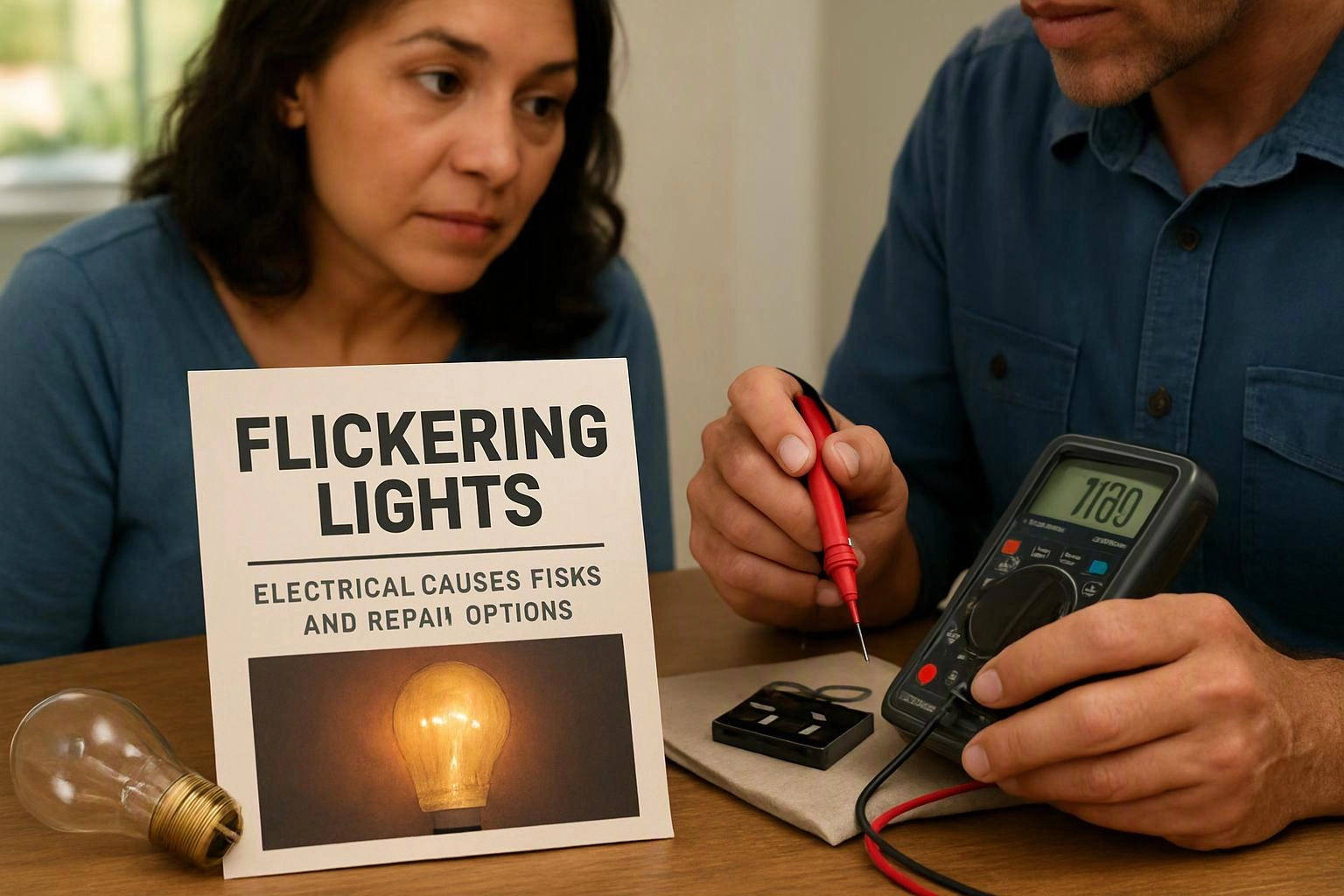
Do not remove covers or handle electrical wiring during a home check. We complete the electrical safety assessment and diagnostic testing when the source is not visible or the symptom continues.
How We Diagnose the Source of Flickering Lights
Center Electric Service diagnoses flickering lights by separating fixture problems from circuit, wiring, panel, and incoming power issues. We begin with the reported pattern, affected rooms, recent changes, and any warning signs.
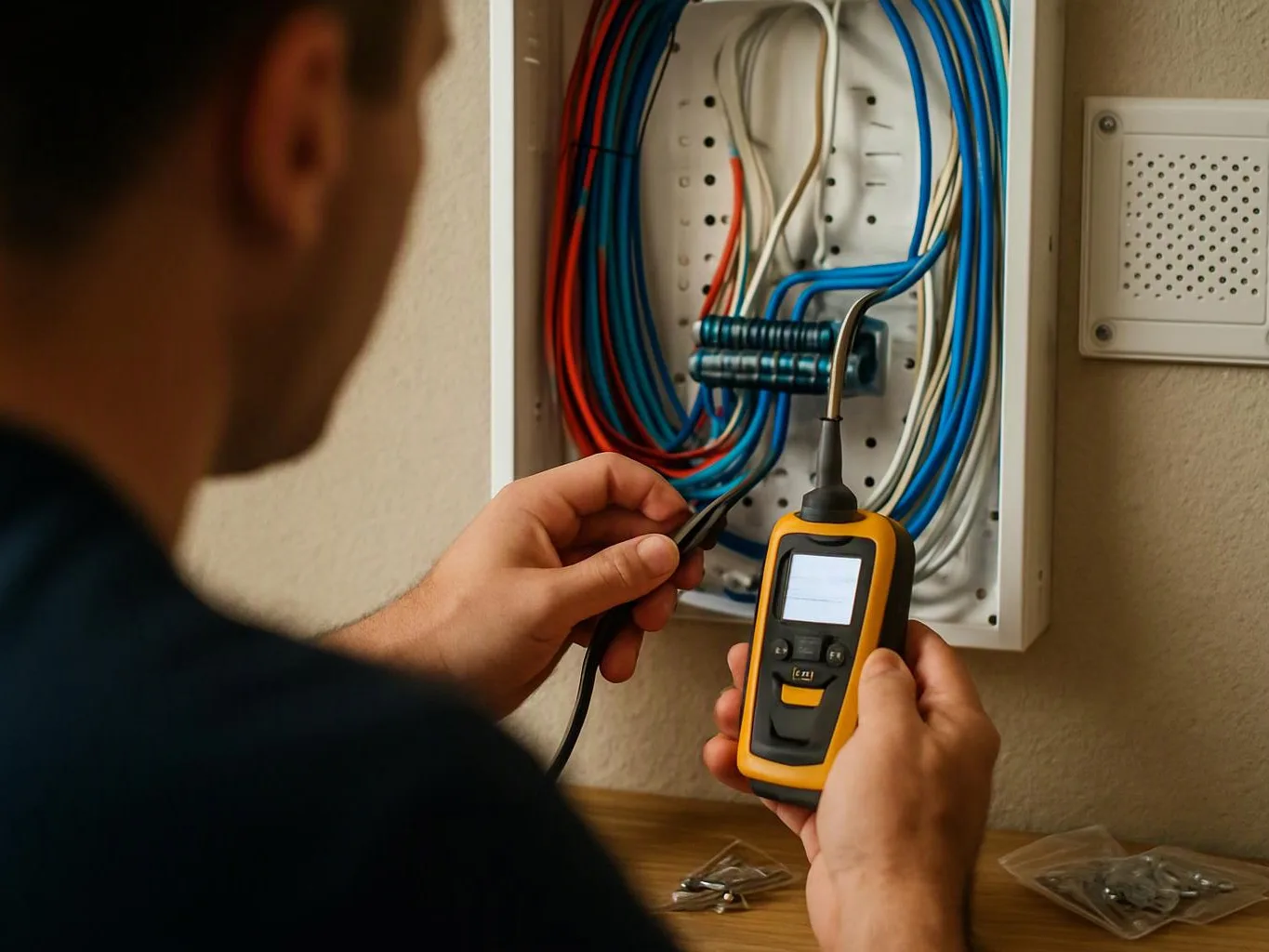
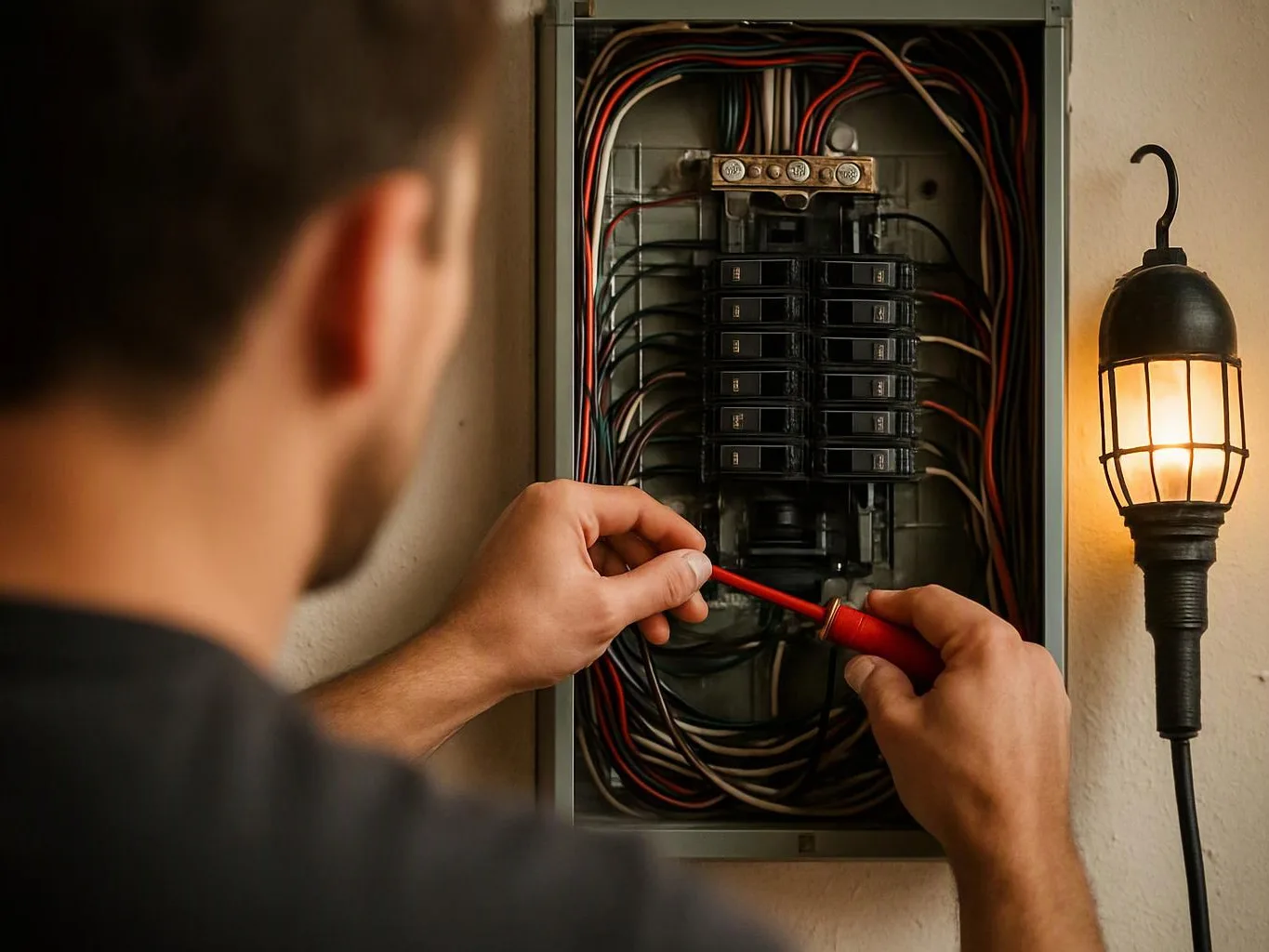
Our team inspects the light fixture, LED bulb, dimmer switch, visible wiring connection, and circuit breaker. We then use diagnostic testing to evaluate the lighting circuit and electrical panel when the symptom suggests a wider fault.
For service details, see Electrical troubleshooting and diagnostics. We use the findings to define the repair scope and explain why that option fits the cause.
Which Repair Option Fits the Electrical Cause?
The right repair option depends on the failed part, the condition of the circuit, and the access needed to correct the problem. We do not recommend replacing unrelated parts before identifying the source.
| Option / System | Best For | Typical Lifespan / Turnaround | Key Trade-Offs |
|---|---|---|---|
| Light bulb replacement | A loose, failed, or incompatible bulb | Depends on bulb condition and access | Will not correct wiring or circuit faults |
| Light fixture repair | A damaged socket, fixture, or local connection | Depends on fixture condition and replacement parts | May require fixture replacement when damage is extensive |
| Dimmer replacement | An incompatible LED and dimmer combination | Depends on access and compatibility | The replacement must match the bulb and load |
| Wiring or circuit repair | A loose connection, damaged wire, or overloaded circuit | Depends on wiring access and circuit condition | The source may be behind finished surfaces |
| Electrical panel upgrade or lighting installation | A panel-related flicker, capacity concern, or planned lighting change | Depends on system scope and site conditions | Requires broader planning than a fixture repair |
We explain the corrective work, affected components, and access requirements before proceeding. Lighting installation may be appropriate when the existing fixture or control no longer suits the intended use.
How Can You Prevent Flickering Lights?
Flickering lights can be reduced by matching components, keeping loads suitable for the circuit, and addressing changes early. We include these factors when we assess lighting repairs or new installation work.
Our team can review the lighting circuit before a new fixture or control is added. Early electrical troubleshooting helps prevent a small component issue from being confused with a larger circuit fault.
What Changes the Cost of Repairing Flickering Lights?
The cost of repairing flickering lights depends on whether the fault is in the bulb, fixture, switch, wiring, circuit, or electrical panel, and on the access and corrective work required.
Diagnostic complexity increases when several lights are affected, the flicker is intermittent, or the wiring is concealed. Circuit condition, panel work, fixture selection, and lighting installation scope can also change the work required.
We provide Free Estimates Available after reviewing the problem and defining the repair scope. Our estimate explains the recommended work and the factors that shaped it.
How Do You Get the Right Repair Recommendation?
The right repair recommendation comes from identifying the exact source of the flicker before replacing parts or changing the circuit. Center Electric Service reviews the symptom, performs electrical diagnosis, and connects the findings to a practical repair plan.
When requesting an estimate, describe whether one fixture or several lights are affected, whether an appliance triggers the issue, and whether you noticed buzzing, heat, odor, or breaker trips. This information helps our team prepare for the correct troubleshooting and lighting work.
We compare the required repair with options such as fixture work, dimmer replacement, wiring repair, lighting installation, or an electrical panel upgrade. Contact us through our contact page to discuss the flickering lights and request an estimate.
Questions About Flickering Lights
Why do my lights flicker when I turn on an appliance?
Lights can flicker when an appliance changes the load on a circuit or exposes a voltage fluctuation. Center Electric Service checks the affected circuit, connections, and electrical panel to determine whether the issue is local or system-wide.
Why are my LED lights flickering with a dimmer?
LED lights may flicker with a dimmer when the bulb and dimmer are not compatible or when the control does not suit the lighting load. We check the bulb, dimmer, fixture, and wiring before recommending a compatible replacement.
Can a bad light switch cause flickering?
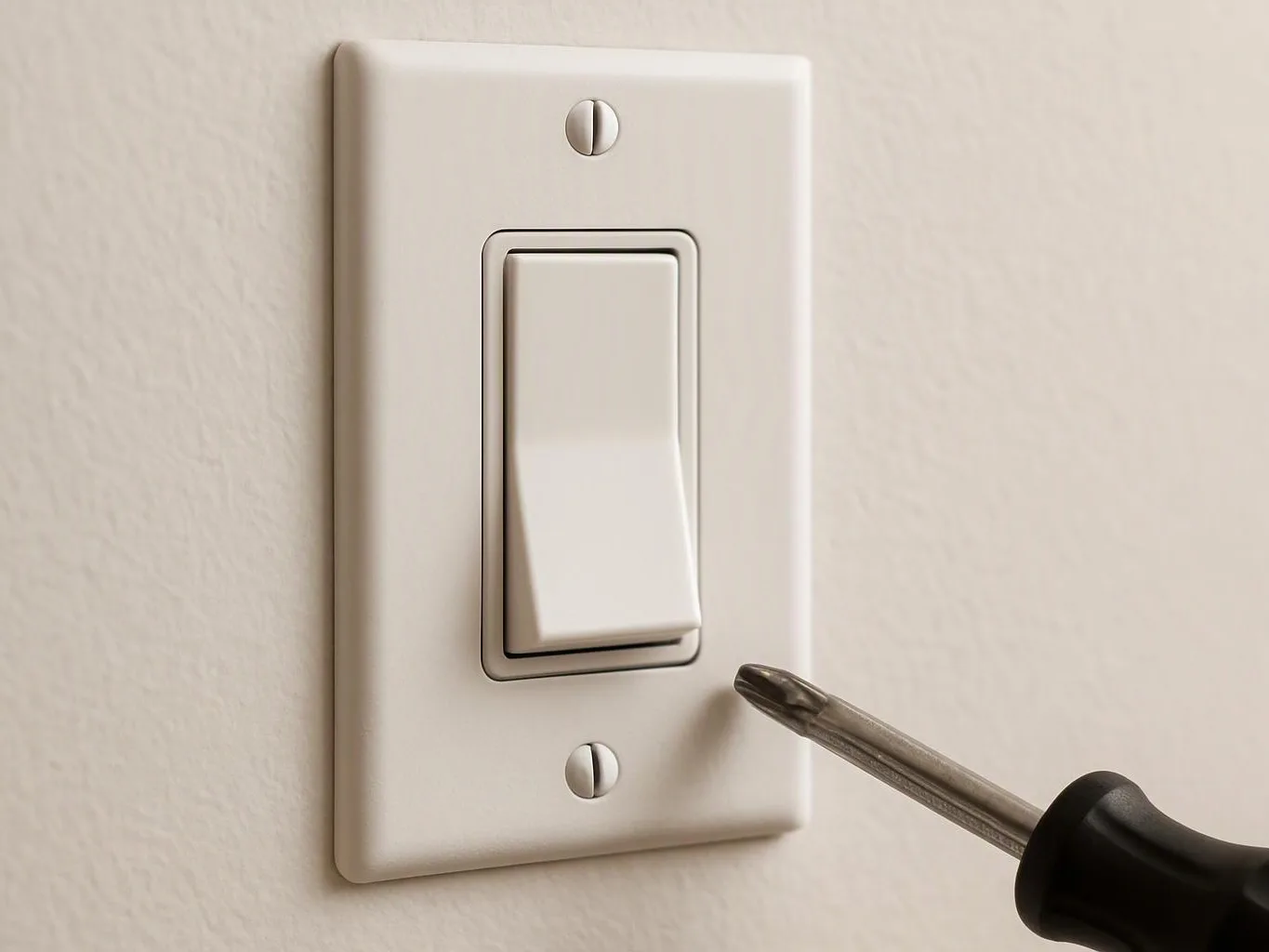
Yes, a faulty light switch can cause flickering when its internal contacts or connections do not maintain steady power. We inspect the switch and connected wiring to determine whether switch replacement or a broader repair is needed.
Should I turn off a light that is flickering?
Yes, turn off a flickering light when the symptom is persistent or appears with heat, buzzing, burning odor, sparks, or visible damage. We assess the fixture and circuit before the light is returned to normal use.
Why are multiple lights flickering at the same time?
Multiple flickering lights can point to a shared lighting circuit, electrical panel issue, loose connection, or voltage fluctuation. We trace the affected circuits and test the relevant connections to locate the source.
Can flickering lights damage appliances?
Flickering lights can signal unstable power that may affect sensitive electrical equipment. We investigate the voltage condition, circuit load, and panel connections so the underlying electrical issue can be addressed.