Smoke and Carbon Monoxide Detector Installation Planning
Smoke and carbon monoxide detector installation planning starts with mapping sleeping areas, fuel-burning appliances, electrical access, detector placement, interconnection, testing, and future maintenance; Center Electric Service handles the installation and coordinates both systems when needed.
Get a Free Estimate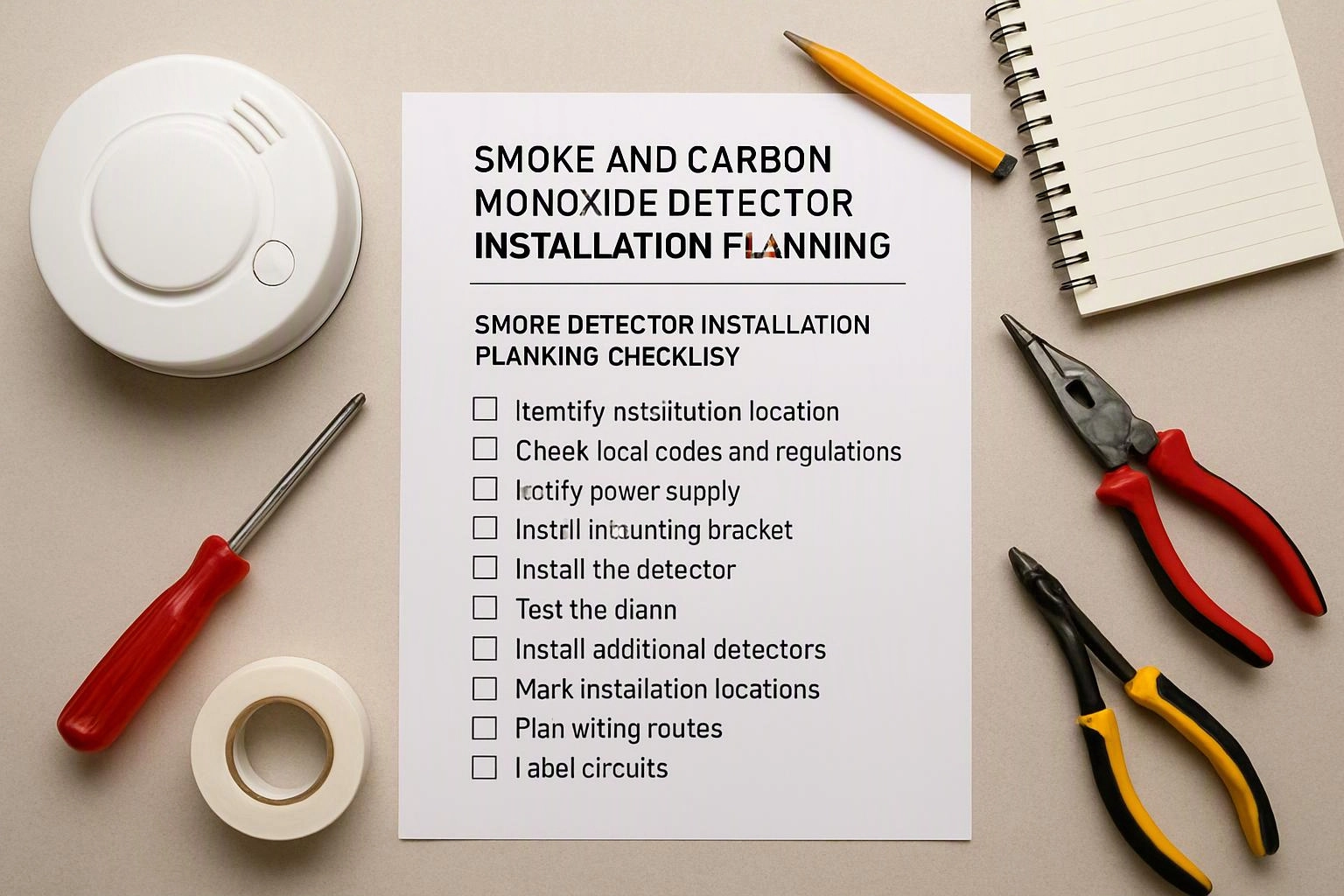
Smoke and carbon monoxide detector installation planning guides detector placement, electrical requirements, coordinated installation, testing, and maintenance decisions. Our team reviews the home layout and existing electrical conditions before we define the installation scope.
What Should a Smoke and Carbon Monoxide Detector Installation Checklist Cover?
A smoke and carbon monoxide detector installation checklist should cover the home layout, detector locations, power source, interconnection, accessibility, testing, and maintenance plan.
Where Should Smoke and Carbon Monoxide Detectors Be Planned?
Detector placement should account for sleeping areas, circulation paths, fuel-burning equipment, and locations where alarms can be heard and reached for testing.
A smoke alarm is generally planned near bedrooms, in sleeping areas, along hallways, and near stairways so occupants can hear it. We also review ceiling and wall conditions to place the alarm where it can be tested and maintained safely.
A carbon monoxide alarm is planned near sleeping areas and in parts of the home affected by fuel-burning equipment. An attached garage also matters because vehicle exhaust can create a carbon monoxide concern.
How Do Room Layout and Fuel-Burning Equipment Affect Detector Placement?
A floor plan shows how bedrooms, hallways, and fuel-burning equipment relate to one another, which helps determine detector placement.
We review the locations of a furnace, water heater, fireplace, and gas appliance. The plan also accounts for an attached garage, doors, ceiling changes, and areas where an alarm may be difficult to hear or reach.
Our team uses those details to coordinate smoke alarm and carbon monoxide alarm locations with the electrical installation. We do not treat every room as having the same detection needs.
When Do You Need Both Smoke and Carbon Monoxide Detector Installation?
Both services are needed when the home requires protection from fire smoke and carbon monoxide sources. Coordinating the work helps keep detector placement, power, and testing consistent.
How Do Smoke and Carbon Monoxide Detector Services Work Together?
The two services work together by coordinating the site assessment, placement plan, electrical work, interconnection, and final testing; the quote depends on access, wiring, power requirements, detector count, and the condition of the existing system.
Our team reviews the installation scope before work begins. We explain which conditions affect the work and prepare an exact quote after reviewing the site.
Cost drivers include existing wiring, ceiling or wall access, junction boxes, detector type, detector quantity, and the condition of the current system. We include the relevant installation tasks in the quote so the scope is clear.
What Electrical and Safety Details Should Be Checked Before Installation?
Electrical planning should verify the available power source, wiring condition, junction boxes, battery backup, interconnection compatibility, and safe access for testing.
A hardwired detector uses an electrical connection and may include a battery backup for a power outage. We inspect the branch circuit and existing wiring to confirm that the planned alarms can operate safely and communicate with one another.
A junction box must be suitable for the detector connection and securely mounted. Our crew also checks whether interconnected alarms and the existing wiring are compatible with the selected system.
Accessibility affects safe testing, battery replacement, dust removal, and future maintenance. We plan the work so the test button and battery compartment can be reached without unsafe access.
How We Plan and Complete Detector Installation
Center Electric Service plans detector installation by reviewing the home, selecting compatible equipment, completing the electrical connection, and testing the finished system.
What Changes the Cost of a Detector Installation Plan?
Detector installation cost changes with the number and type of detectors, wiring access, existing electrical conditions, interconnection requirements, and the work needed to restore accessible surfaces; Center Electric Service can prepare an exact quote after reviewing the installation scope.
Existing wiring may reduce the amount of new wiring required when it is suitable for the planned system. New wiring can require access through ceilings or walls, along with properly placed junction boxes.
Hardwired detectors, battery backup, and interconnected alarms can have different installation requirements. Detector quantity and the distance between locations also affect the scope of electrical work.
We review ceiling access, wall access, surface repair needs, and the condition of the existing system before preparing the quote. You can request an exact quote through our contact page after we discuss the property and planned work.
How Should Installed Detectors Be Tested and Maintained?
Installed detectors should be tested from their accessible locations, checked for audible operation and power, kept clear of dust, and included in a recurring maintenance plan.
Use the test button according to the manufacturer’s instructions and confirm that the alarm sound can be heard from nearby sleeping areas. We complete functional testing during installation and explain the owner’s testing responsibilities.
A carbon monoxide alarm and smoke alarm need clear openings for their sensors. Dust can affect operation, so the detector should be kept clean using the care method recommended by its manufacturer.
Battery backup requires attention after power outages and during routine checks. We help document detector locations, test results, battery changes, and replacement planning in a maintenance record.
What Should You Ask Before Scheduling Detector Installation?
Before scheduling, confirm the detector types, planned locations, power and interconnection method, access requirements, testing process, and what the quote includes.
Ask whether the installation uses a hardwired connection, battery backup, or both. Confirm how the selected alarms will connect to the electrical circuit and whether existing wiring can support the planned system.
Ask which ceiling and wall areas need access and how the crew will test the completed installation. We explain the installation scope, functional testing, and owner instructions before work begins.
Center Electric Service can review your detector placement plan and prepare a quote based on the property’s electrical conditions and access needs.
Questions About Detector Installation Planning
Can smoke and carbon monoxide detectors be installed together?
Yes, smoke and carbon monoxide detectors can be installed together when their locations, power sources, and interconnection method are compatible. Center Electric Service coordinates the placement plan, electrical connection, and functional testing for both systems.
Should hardwired smoke detectors have battery backup?
Yes, a hardwired smoke detector should use battery backup when the selected system is designed for it and the installation requirements call for it. Battery backup helps the detector remain powered during a power outage.
Can existing smoke detector wiring be reused for new alarms?
Existing smoke detector wiring can be reused when its condition, power source, junction boxes, and interconnection compatibility support the new alarms. We inspect the existing wiring before deciding whether reuse is suitable.
What should be included in a detector installation quote?
A detector installation quote should identify the detector types, planned locations, electrical connection, wiring access, interconnection work, functional testing, and owner instructions. We base the quote on the reviewed installation scope and existing electrical conditions.
Contact Center Electric Service to review your smoke and carbon monoxide detector installation plan, electrical access, interconnection needs, and testing requirements.
Request a Detector Installation Quote