Lighting Repair, Fixture Installation, and Lighting Design Options
Lighting repair questions should cover the symptom, circuit safety, fixture condition, installation needs, and lighting goals; Center Electric Service uses those answers to assess repairs, plan installations, and recommend suitable lighting options.
Get a Free EstimateWhich Lighting Repair Questions Should You Discuss First?
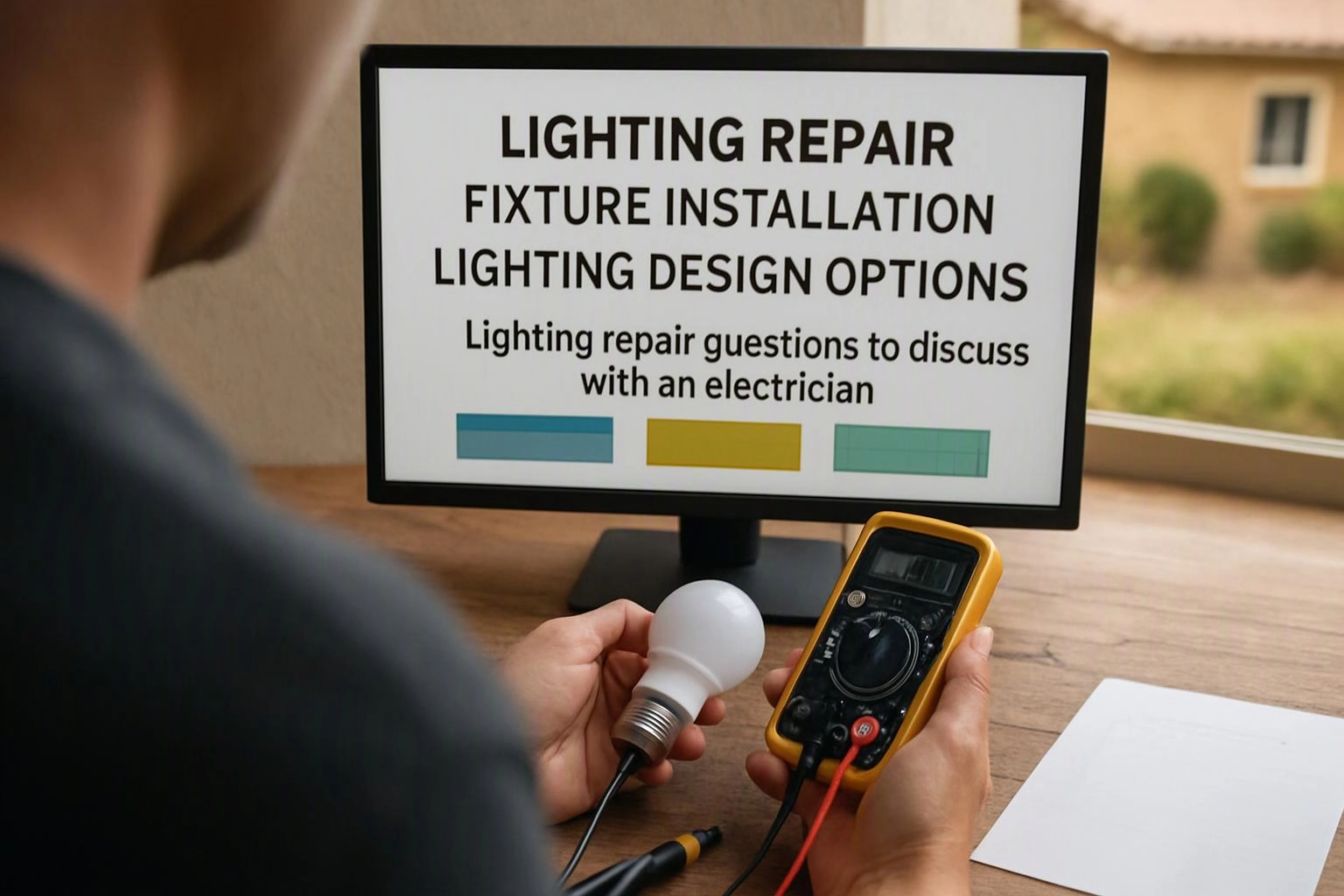
Lighting repair questions should establish what the light is doing, when the problem began, which controls are affected, and whether warning signs indicate an electrical safety concern. We use these details to guide safe testing before recommending a repair.
When Do Lighting Repair and Installation Belong in the Same Project?
Lighting repair and installation belong in the same project when existing electrical problems affect a planned fixture, when new lighting needs circuit changes, when a ceiling fan and light share a control, or when indoor and outdoor lighting require coordinated wiring. Combining related work can help us plan access and avoid repeating disruptive work.
How Do Lighting Services Work Together?
Lighting services work together through an assessment, safety correction, installation planning, and coordinated completion. The project scope, wiring access, fixture type, and circuit requirements influence the quote.
How Should You Prepare for Light Fixture Installation?
Light fixture installation preparation should confirm the fixture location, mounting support, control preference, ceiling or wall access, and compatibility with the existing electrical box. We review these conditions before connecting the fixture.
Choose the mounting location based on the room function and the light needed for that area. Tell us whether you want a wall switch, dimmer switch, or another control so we can assess dimmer compatibility and switch wiring.
Fixture weight also matters because the ceiling box, electrical box, and mounting bracket must support the selected fixture. We check the box, wiring, grounding, and available access before completing the installation.
What Should You Plan Before Recessed Lighting Installation?
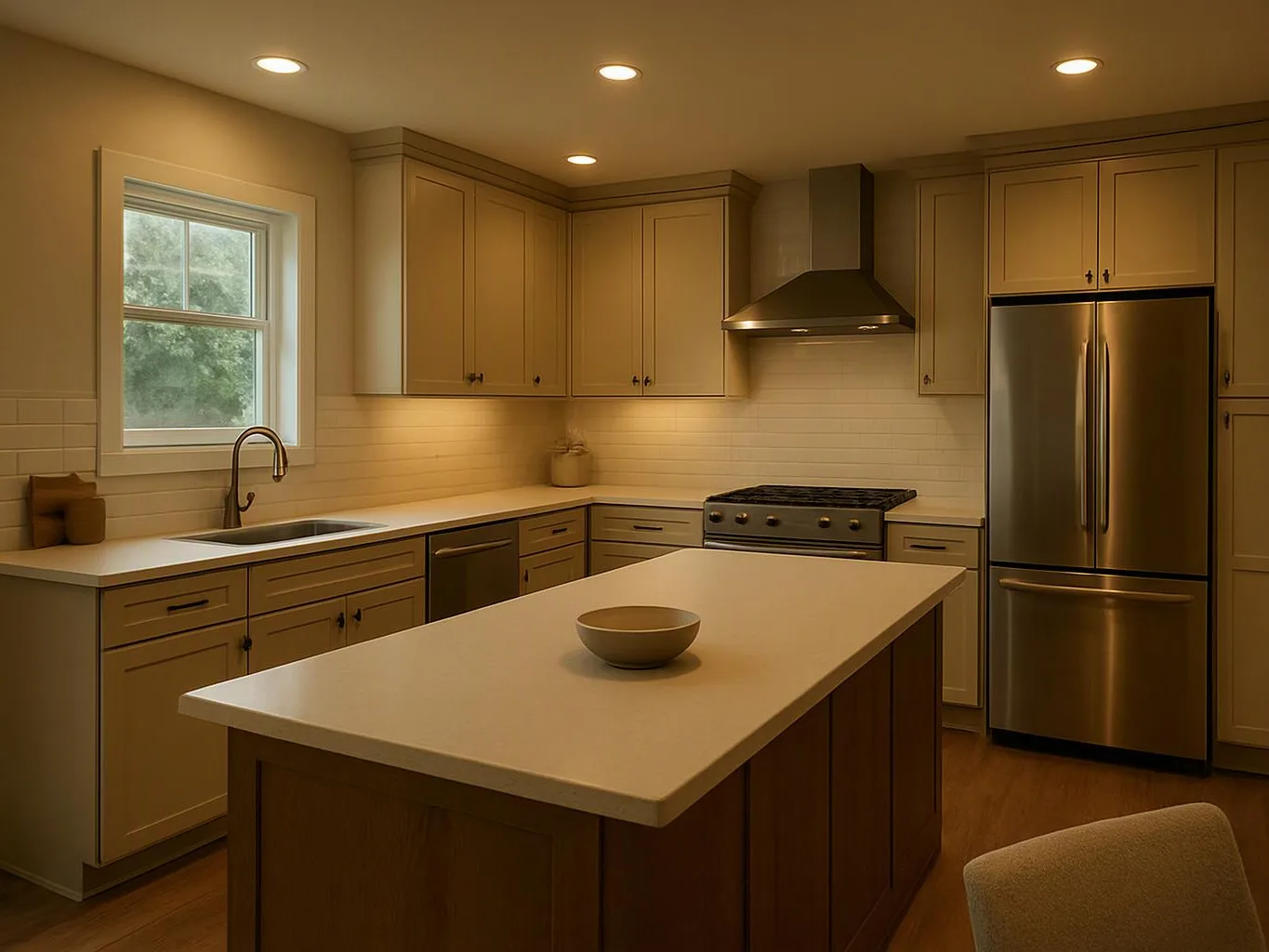
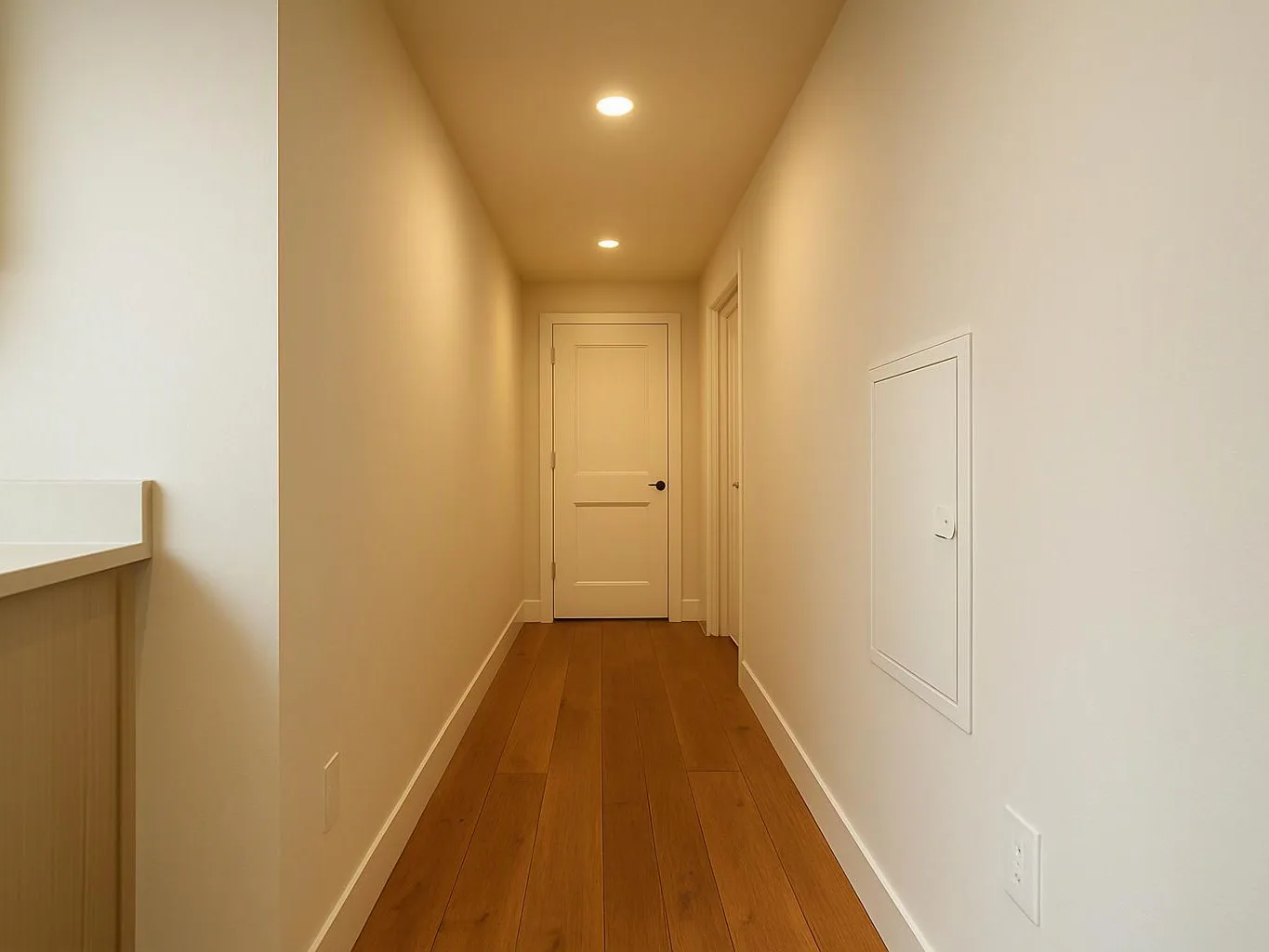
Recessed lighting installation planning should account for ceiling structure, insulation, fixture housing, light distribution, switch placement, and access for wiring. We review the ceiling before deciding where housings can be placed.
Ceiling joists can affect the lighting layout and the path for new electrical wiring. Insulation can also affect housing selection and installation requirements, so we identify those conditions before cutting or wiring the ceiling.
Trim and beam spread shape the finished appearance and the way light covers the room. We connect those choices with the room function, switch layout, and available ceiling access.
What Lighting Options Suit Outdoor Spaces?
Landscape lighting options should match the outdoor area, desired visibility, fixture placement, wiring route, weather exposure, and control method. We plan the layout around safe outdoor wiring and the way the space is used.
Path lighting can guide movement, while accent lighting can highlight planting, walls, or architectural features.
A weather-resistant fixture helps suit exposed locations, while low-voltage lighting may fit a planned landscape system. We review lighting controls, wiring routes, and connections before completing a landscape lighting installation.
What Should You Consider for Security Lighting Installation?
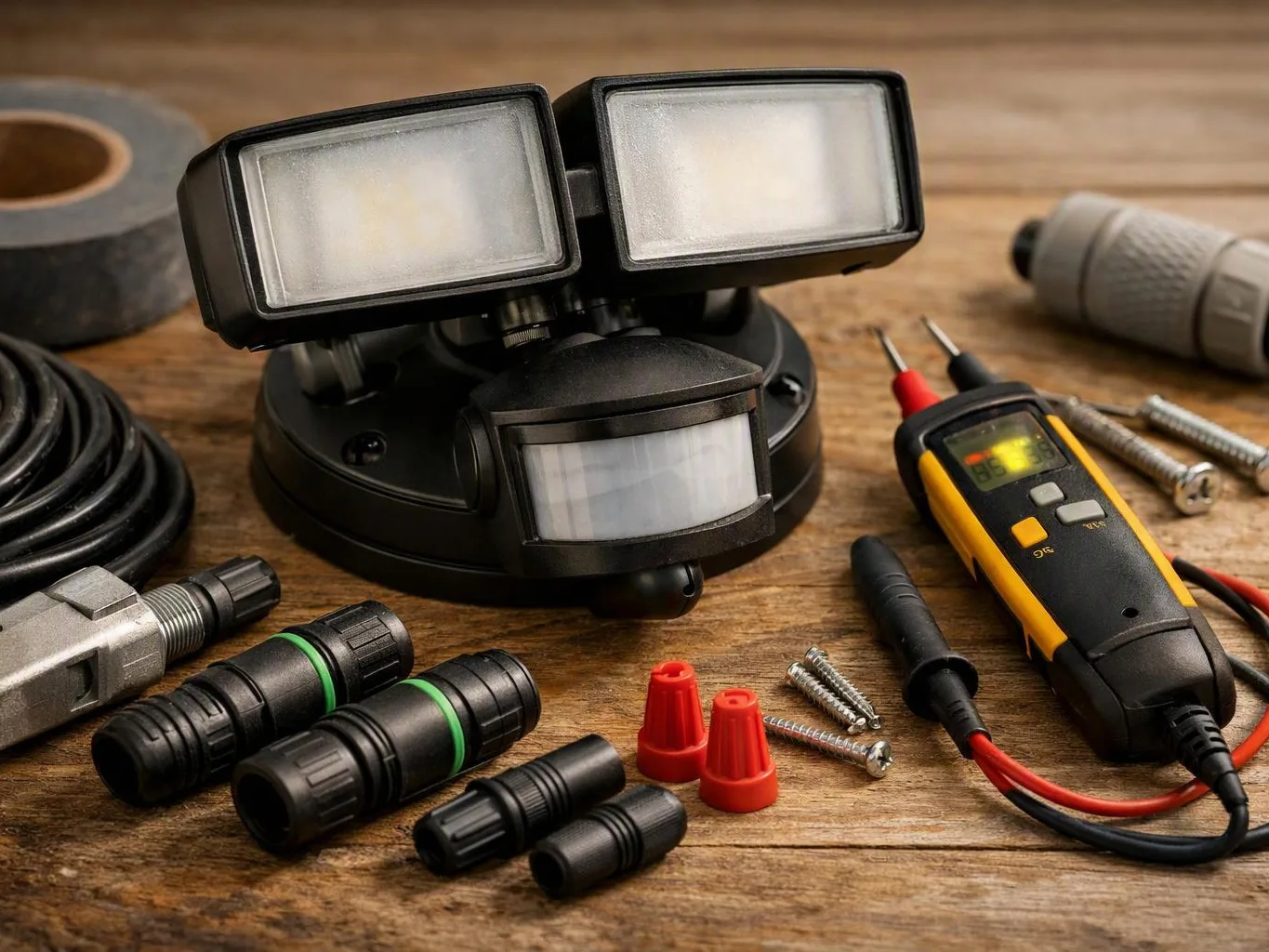
Security lighting installation should balance coverage, sensor placement, glare control, entry visibility, operating conditions, and compatibility with other outdoor electrical equipment. We assess the property areas that need light and the controls that fit the use.
A motion sensor can activate lighting when movement is detected, while a dusk-to-dawn control can operate entry lighting during low-light conditions. We position controls so they respond to the intended area without unnecessary triggers.
We review lighting coverage, fixture direction, and outdoor wiring before installation.
How Does Ceiling Fan Repair Connect With Lighting Work?
Ceiling fan repair connects with lighting work when the fan, light kit, controls, or shared wiring cause the same symptom or require coordinated access to the ceiling box. We test the fan wiring and light circuit together when the symptoms overlap.
A fan light kit may use a wall control or remote control, and those controls can affect how the light operates. We check the control setup, ceiling box, connections, and compatibility before repairing or replacing parts.
Homeowners can note whether the fan, light, or both stop working and whether the symptom changes with the wall control or remote. We use that information to plan safe access and avoid disturbing a sound part of the system.
What Does Center Electric Service Check Before Recommending Lighting Work?
Center Electric Service checks the existing electrical system, the planned installation location, and the lighting design goals before recommending lighting work. Our review connects safety conditions with the requested result.
How Do You Request a Lighting Repair or Installation Quote?
Lighting repair quotes and fixture installation quotes should be based on the reported symptoms, requested fixtures, wiring condition, access requirements, and project scope. We review those details so the quote reflects the actual work involved.
Share photos when useful, identify affected switches or breakers, and provide fixture specifications if you have selected a product. Tell us whether the project includes indoor lighting, outdoor wiring, a ceiling fan, or a broader lighting design.
Center Electric Service provides Free Estimates Available after reviewing the project details. Contact us through Lighting Repair to discuss the work and request a quote.
Questions About Lighting Repair and Installation
What information should I give an electrician about a flickering light?
Center Electric Service needs to know when the flickering started, whether one fixture or several lights are affected, which light switch controls the fixture, and whether a circuit breaker trips. Tell us about a burning smell, heat, noise, or visible damage before we test the wiring.
Can a dimmer switch cause lighting problems?
Yes, a dimmer switch can cause lighting problems when the switch, fixture, bulb, or wiring is not compatible. We test dimmer compatibility and inspect the connections before recommending a switch repair or fixture change.
What should I check before replacing a light fixture?
Before replacing a light fixture, check the mounting location, fixture weight, electrical box, switch type, and fixture compatibility. We verify the box, grounding, wiring condition, and mounting support before installing the replacement.
Can recessed lighting be added to an existing ceiling?
Yes, recessed lighting can be added to an existing ceiling when the ceiling structure, insulation, housing, wiring access, and circuit capacity support the planned layout. We inspect those conditions before planning the installation.
We design the wiring route and fixture locations around how each outdoor area is used.
Should security lights use motion sensors or dusk-to-dawn controls?
Security lights should use motion sensors for responsive activity-based lighting or dusk-to-dawn controls for consistent low-light operation, depending on the coverage goal. We assess sensor placement, entry visibility, glare, camera visibility, and the desired operating pattern.