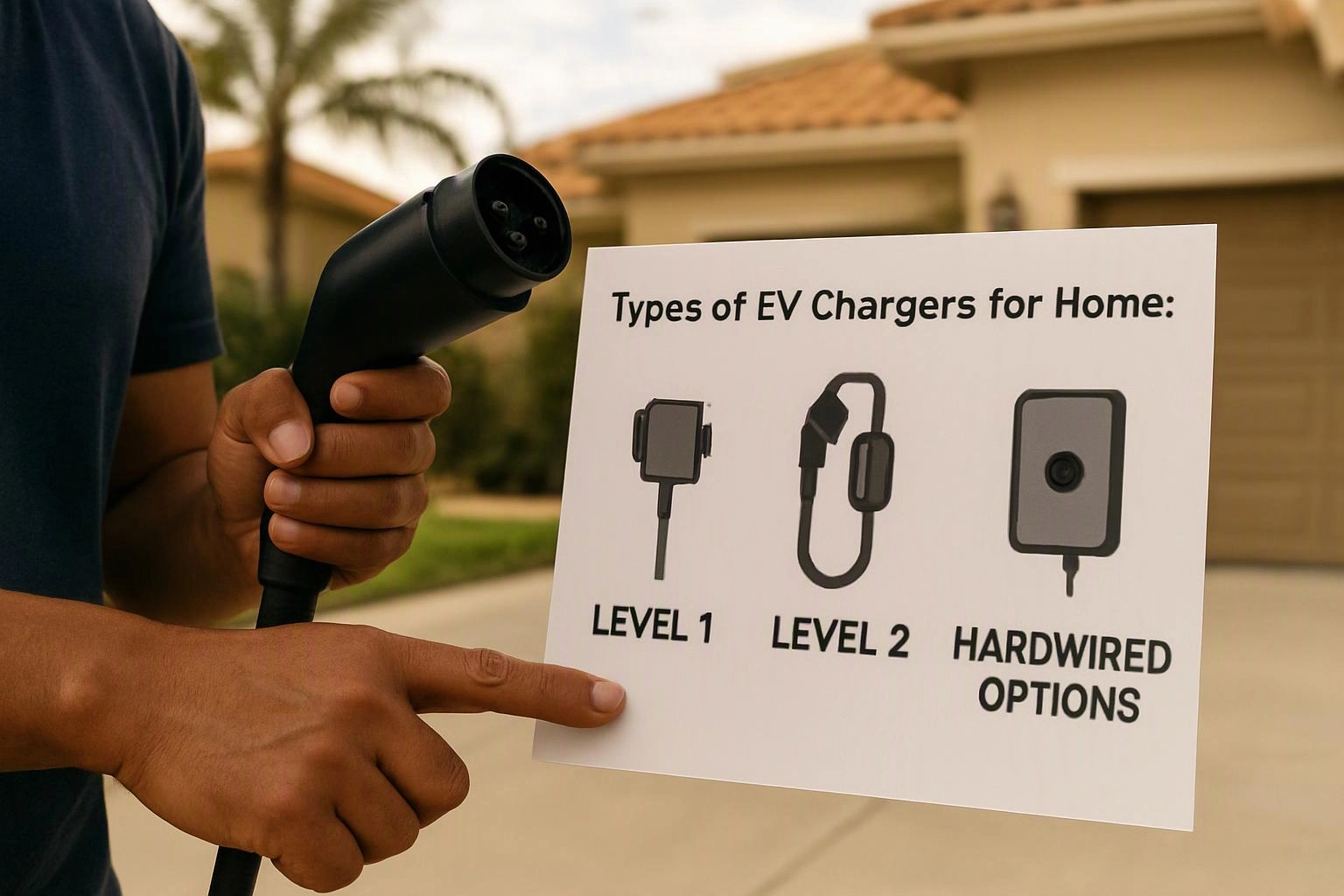
Types of EV Chargers for Home: Level 1, Level 2, and Hardwired Options
Home EV chargers include Level 1, plug-in Level 2, and hardwired Level 2 options. Center Electric Service checks your vehicle, parking location, electrical panel, and circuit needs to recommend and install the appropriate setup. Free Estimates Available.
Which Types of EV Chargers Can You Use at Home?
Home EV chargers generally fall into Level 1, plug-in Level 2, and hardwired Level 2 categories. The best option depends on your charging needs, parking location, and electrical conditions.
A home EV charger can use a portable charging cable, a wall-mounted charger, or a permanent electrical connection. We review the vehicle charging port and home wiring before recommending an EV charger installation.
Home EV Charger Types Compared
The comparison depends on charging capability, circuit requirements, installation method, and the condition and capacity of the home's electrical system. Cost varies with equipment, wiring, access, and any panel work.
| Type | Key Features | Electrical Circuit | Installation Method | Cost | Best For |
|---|---|---|---|---|---|
| Level 1 charger | Portable cable and standard household outlet | Dedicated circuit may be needed | Plug-in connection | Varies | Modest daily driving and overnight charging |
| Plug-in Level 2 charger | Faster charging and wall-mounted equipment | Dedicated 240-volt circuit | NEMA outlet and plug | Varies | Drivers who want faster charging with portability |
| Hardwired Level 2 charger | Permanent connection and no receptacle | Dedicated circuit with circuit protection | Direct electrical connection | Varies | Permanent indoor or outdoor charging |
What Is a Level 1 EV Charger?
A Level 1 charger is a basic home charging setup that uses a standard household outlet and suits drivers with modest daily charging needs.
Level 1 charging commonly uses the vehicle's portable charging cable. We check the outlet, wiring condition, and dedicated circuit needs before you rely on the setup for overnight charging.
What Is a Plug-In Level 2 EV Charger?
A plug-in Level 2 charger is a higher-capacity home charger that connects to a suitable 240-volt circuit and supports faster charging than Level 1.
The charger uses a NEMA outlet and a dedicated circuit sized for the equipment. We inspect the receptacle location, breaker, wire sizing, and wall-mounted charger requirements before installation.
What Is a Hardwired Level 2 EV Charger?
A hardwired EV charger is a permanently connected home charging unit installed directly into the electrical system without a plug and receptacle.
Hardwired charging can suit outdoor installation where weather exposure makes equipment placement and protection important. We plan the dedicated circuit, conduit, disconnecting means, grounding, and connection based on the charger instructions and site conditions.
Which Home EV Charger Fits Your Driving and Parking Setup?
The right home EV charger depends on how much charging your vehicle needs, where you park, whether portability matters, and how the charger connects to the home's electrical system.
Level 1 can fit a garage with convenient outlet access and a flexible charging schedule. A plug-in Level 2 charger can fit a garage or driveway when you want faster charging and a removable connection. A hardwired Level 2 charger can fit a permanent indoor charging or outdoor charging location.
When Does an EV Charger Installation Need an Electrical Panel Upgrade?
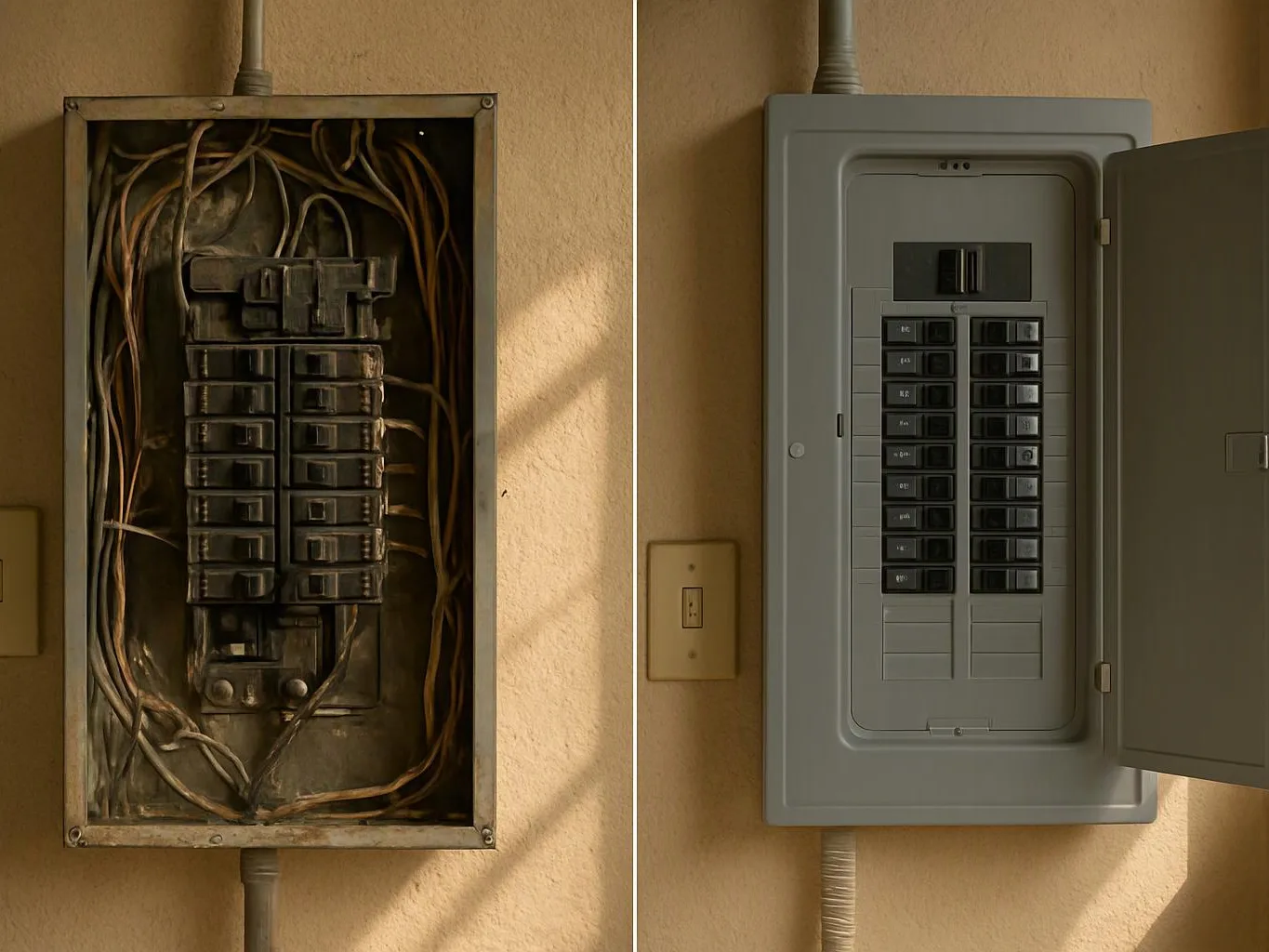
An EV charger installation may need an electrical panel upgrade when the existing service, panel space, or available capacity cannot safely support the required dedicated circuit.
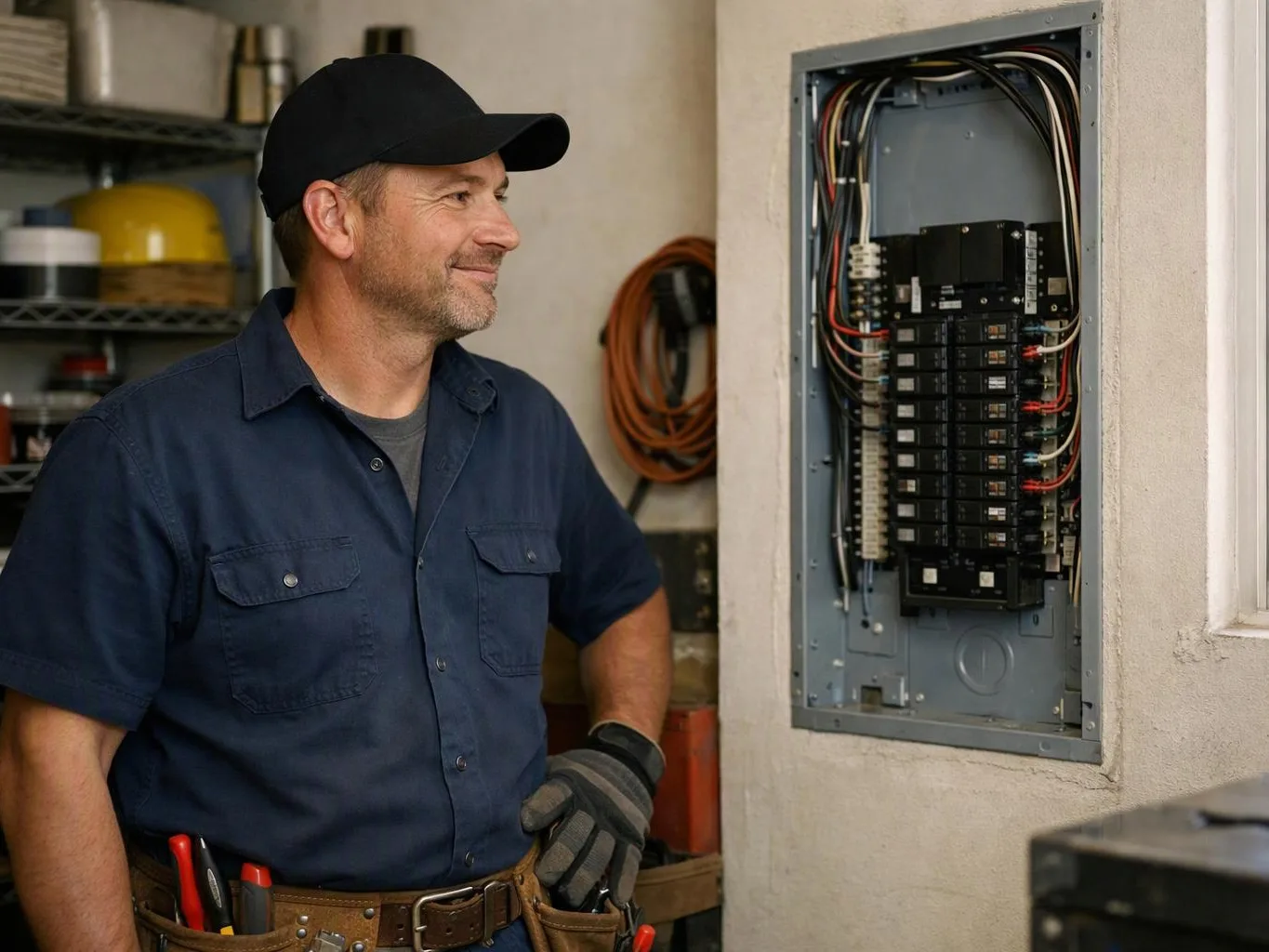
We review the service rating, breaker space, panel capacity, and existing household loads. Our team completes a load calculation to determine whether the panel can support the charger or whether an electrical panel upgrade is needed.
What Does Center Electric Service Check Before Installing a Home EV Charger?
Center Electric Service checks the vehicle requirements, installation location, electrical panel, circuit path, and equipment specifications before preparing an installation estimate.
What Changes the Cost of a Home EV Charger Installation?
The cost of a home EV charger installation changes with the charger type, circuit route, wiring requirements, panel capacity, installation location, and any electrical panel upgrade.
Indoor installation may have a shorter circuit route, while outdoor installation can require additional conduit and weather-rated equipment. Hardwired connection work also differs from plug-in connection work because the equipment connects directly to the electrical system.
We review these conditions during the site assessment and explain what the quote includes before work begins.
How Do You Choose Between Plug-In and Hardwired EV Charging?
Choose a plug-in Level 2 charger when an appropriate receptacle and some portability matter. Choose a hardwired charger when the installation calls for a permanent connection and the equipment supports it.
What Should You Have Ready for an EV Charger Estimate?
An EV charger estimate is easier to prepare when you provide the vehicle details, proposed charging location, parking arrangement, and access to the electrical panel.
Share the EV make and model, the charger type you prefer, and whether you want indoor charging or outdoor charging. Center Electric Service uses those details to review vehicle compatibility, circuit routing, and the installation scope.
Our team can then explain the electrical work included in the estimate and identify any panel capacity concerns.
Questions About Choosing a Home EV Charger
Can you install an EV charger outside the garage?
Yes, Center Electric Service can plan an outdoor EV charger installation when the equipment, location, conduit, grounding, and weather exposure requirements are suitable.
Do all electric vehicles use the same home charger?
No, electric vehicles can differ in charging connectors, equipment requirements, and charging capability. We confirm vehicle compatibility before selecting the home charging equipment.
Can a Level 1 charger use an extension cord?
A Level 1 charger should use the connection method allowed by the vehicle and charger instructions. We can inspect the outlet and charging location when the existing setup does not provide a suitable connection.
Does a plug-in Level 2 charger need a dedicated outlet?
Yes, a plug-in Level 2 charger needs a suitable dedicated outlet connected to the required 240-volt circuit. We verify the receptacle, breaker, wire sizing, and circuit protection.
Can an EV charger share a circuit with another appliance?
No, an EV charger generally needs a dedicated circuit designed for its electrical demand. We review the panel and existing loads to plan safe circuit protection.
What information should I provide to get an EV charger estimate?
Provide the EV make and model, charger location, parking arrangement, electrical panel location, preferred charger type, and possible circuit route. We use those details to prepare the installation scope and Free Estimates Available.
Center Electric Service reviews the vehicle, parking setup, panel capacity, and circuit design to help you choose suitable home charging equipment.
Request an estimate for your planned EV charger installation and we will explain the electrical setup for your home.
Free Estimates Available.
Contact Center Electric Service
Get a Free Estimate