Skip to content

Bidirectional EV Backup-Power Installation in Chino Hills, California

Energy management starts with a load check in Chino Hills. We match the electric vehicle, charging inlet, and main panel to the backup-power plan.

Licensed & InsuredFree EstimatesSame-Day ServiceServing 61 Communities

Quick Summary: Bidirectional EV backup power installation in Chino Hills, California

Bidirectional EV backup-power installation in Chino Hills is provided by Center Electric Service for homeowners and businesses. The work covers energy management checks, main panel review, charging inlet work, and electrical installation throughout Riverside, surrounding communities, and the Inland Empire.

  • What we do: Center Electric Service provides bidirectional EV backup-power installation for Chino Hills, California homes and businesses.
  • What is included: We check the electric vehicle, charging inlet, main panel, load, wiring, and backup-power connection.
  • What you get: The customer receives a checked electrical path for bidirectional EV backup power and a defined installation scope.

Why does bidirectional EV backup power keep failing in Chino Hills, California?

Repeated faults can come from a panel limit, an unsuitable charging inlet, circuit wiring, or a mismatch between the vehicle and backup equipment. We isolate the fault, check the load, and test the connection before recommending the installation scope.
Bidirectional EV backup-power installation for Chino Hills properties

This service fits a buyer who wants an electric vehicle to support property power during an outage or planned energy use. The job centers on the vehicle, charging inlet, main panel, wiring path, and the equipment that controls power flow.

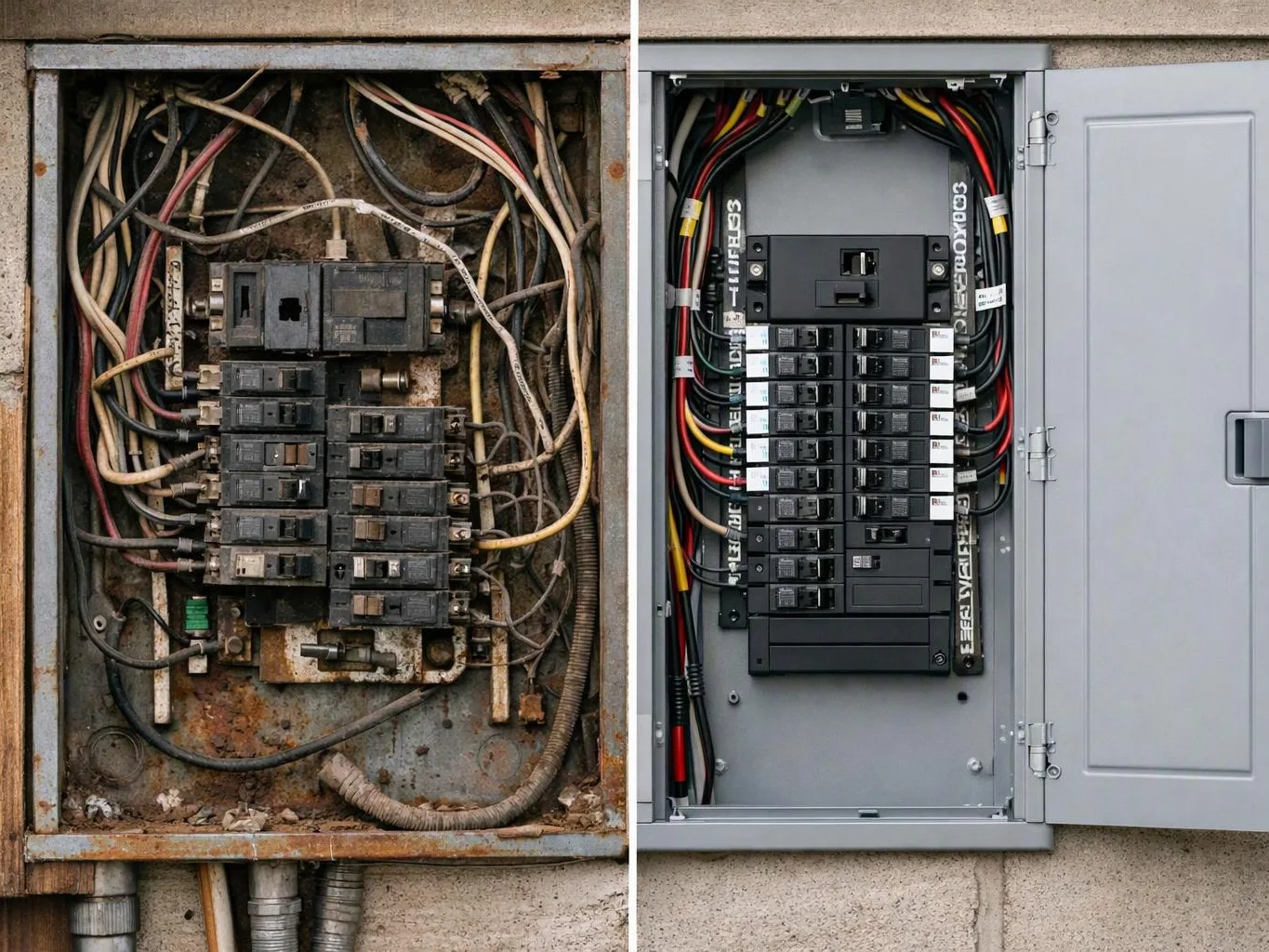
The main decision is whether the existing electrical system can support the planned setup. We check the panel, trace relevant circuits, review available load, and identify changes needed for a safe installation. A standard EV charger alone does not provide the same bidirectional function.

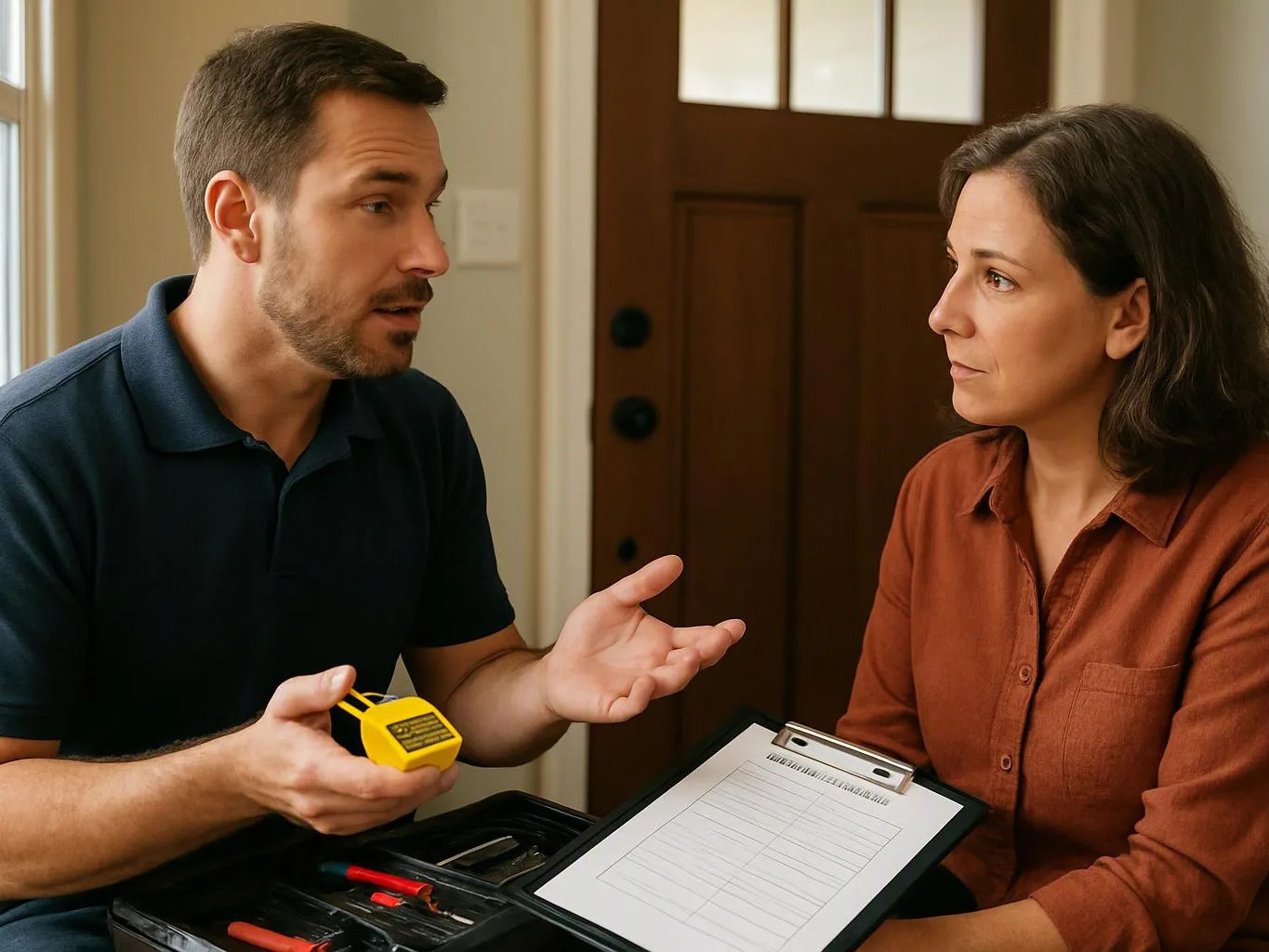
Every engagement in Chino Hills begins with a clear assessment of your goals and requirements.

  • Confirm the electric vehicle supports bidirectional power use.
  • Check the main panel and available electrical load.
  • Review the charging inlet and power path.
  • Trace circuits that may need backup power.
  • Define testing, verification, and installation requirements.
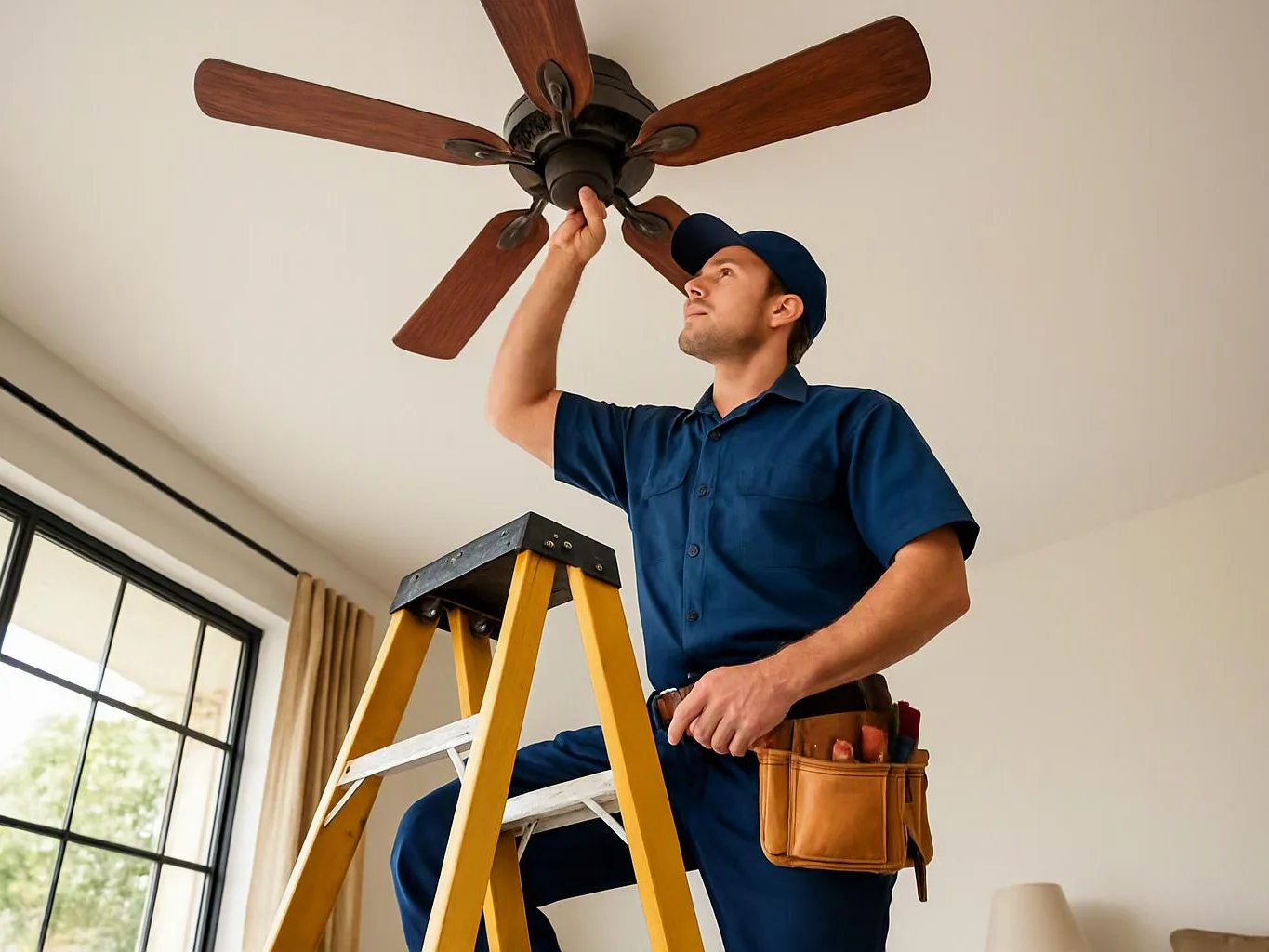
A man in a blue uniform stands on a yellow ladder adjusting a ceiling fan in a bright room

Service Overview

Bidirectional EV backup-power installation is an electrical service that lets a compatible electric vehicle exchange power with a property through connected equipment.

  • This work differs from standard EV charging installation because the power path must support both charging and controlled power flow back toward the property.
  • Center Electric Service provides this work for homes and businesses in Chino Hills.

What this bidirectional EV power installation includes

Center Electric Service provides comprehensive Bidirectional EV backup-power installation in Chino Hills. Here's what you get:

  • We inspect the main panel and review the available load for the planned equipment.
  • We check the electric vehicle and charging inlet for compatibility with bidirectional power use.
  • We trace the wiring path between the charging equipment and the main panel.
  • We identify panel, circuit, grounding, or surge protection work that the installation may require.
  • We install the agreed electrical equipment and complete testing and verification.
  • We explain the completed setup and the conditions that affect safe backup-power use.

What bidirectional EV backup power changes

The electric vehicle can become part of the property's planned backup-power system.

A load review helps identify panel limits before equipment is installed.

Circuit tracing shows which property loads belong in the backup-power plan.

Testing and verification give the customer a defined electrical handoff.

The finished scope supports safer, more informed energy decisions.

Process

How we install bidirectional EV backup power

1

Review the vehicle and charging inlet

We confirm the electric vehicle and charging inlet support the proposed bidirectional setup.

2

Check the main panel load

We inspect the main panel, review available load, and trace circuits connected to the planned backup loads.

3

Define the electrical work

We identify wiring, grounding, surge protection, panel, and connection work needed for the agreed scope.

4

Install the approved equipment

We complete the electrical installation and connect the equipment through the planned power path.

5

Test and verify the connection

We test the installation, check the circuits, and explain the completed setup before handoff.

What customers get from this installation

A checked electrical path

The first step is a load and panel review, not an equipment guess. We check the vehicle, charging inlet, wiring, and main panel before setting the installation scope.

A clear equipment decision

Bidirectional power needs more than a standard charging connection. We explain which parts belong in the work and which existing circuits may need attention.

A defined service limit

This service is not the right job when the vehicle or charging equipment cannot support bidirectional power. We identify that limit during the assessment and explain other electrical options when they fit.

Bidirectional EV power equipment decisions

These options differ by the power direction they support and the electrical checks they require.

Electrical optionPower directionMain buyer question
Standard EV chargingProperty to vehicleDoes the customer only need vehicle charging?
Bidirectional EV backup powerProperty to vehicle and controlled vehicle-to-property flowDoes the vehicle and panel support backup-power use?

The Center Electric Service Standard

  • Urgent Assistance
  • Issue Diagnosis
  • Safety First
  • Clear Recommendations

Questions about bidirectional EV backup power

What equipment is needed for bidirectional EV backup-power installation?

Energy management equipment, a compatible electric vehicle, a charging inlet, control equipment, and a suitable main-panel connection form the core setup.

  • We check the vehicle and charging inlet.
  • We review panel capacity and circuit paths.
  • We install and test the agreed electrical equipment.

Equipment choices depend on the vehicle and property.

Which part of the property decides the installation scope?

The main panel usually sets the electrical scope because it controls capacity, circuit access, and the connection point. We inspect the panel, trace the planned backup circuits, and check grounding and surge protection. The charging inlet location also matters because the wiring path can change the work. We explain the findings before preparing the quote.

Which material changes how long the installation takes?

The wiring path and panel condition often change the work time because they affect access and connection steps. We check conductor condition, panel space, grounding, and the distance between the charging inlet and panel. A clean path needs different work from a path that needs circuit changes or panel correction.

How does a bidirectional EV backup-power visit move from the first call to the last step?

The visit moves from equipment review to panel checks, installation, and testing.

  1. We review the electric vehicle and charging inlet.
  2. We inspect the main panel and trace circuits.
  3. We define the quote and approved scope.
  4. We install, test, and explain the completed connection.

When should a property owner request this service?

A property owner should request an assessment before buying equipment or changing the panel. The review confirms whether the vehicle, charging inlet, wiring, and panel fit the intended backup-power plan. In Chino Hills, California, Center Electric Service serves both residential and commercial properties for this electrical work.

Why can a standard EV charger fail to support backup power?

A standard EV charger may only move power into the vehicle, while backup power needs controlled two-way power flow. The vehicle, charging inlet, control equipment, and panel connection must work together. We check those parts and explain whether the requested setup needs bidirectional equipment or a different electrical service.

What should I provide before requesting an installation quote?

Vehicle details, charging equipment information, panel photos, and the backup loads help define the quote. Clear photos should show the panel label and charging connection without opening electrical covers. We use that information to plan the assessment, then verify the equipment and wiring at the property.
Contact

Request a Bidirectional EV Backup-Power Installation Estimate

Have questions about your electric vehicle, panel, or charging inlet? Request an estimate from Center Electric Service, and urgent requests get priority scheduling.

A gloved hand uses a screwdriver to adjust a recessed ceiling light in a room

ZIP Codes We Serve in Chino Hills, California

91709

Bidirectional EV backup-power installation in Other Areas

(951) 577-3540