Skip to content

Bidirectional EV Backup-Power Installation in Riverside, California

We install bidirectional EV backup systems for Riverside homes and businesses. We're licensed and insured, and free estimates are available.

Licensed & InsuredFree EstimatesSame-Day ServiceServing 61 Communities
Bidirectional EV backup-power installation helps Riverside homeowners and businesses use an electric vehicle as backup power. Center Electric Service checks the electrical system, identifies the intended backup loads, and plans the connection. We're open 24 hours a day, every day, for urgent electrical needs.

What bidirectional backup power changes at your property

Selected lights, refrigeration, communications, or business circuits can remain powered during an outage.

The installation gives an EV battery a planned role beyond vehicle charging.

Load planning helps you choose essential circuits before electrical work begins.

Testing confirms that the backup connection and transfer sequence operate as planned.

What Bidirectional EV backup-power installation Covers

Bidirectional EV backup-power installation is an electrical service that connects a compatible EV and charger to selected building loads for backup power.
  • Bidirectional backup power differs from standard EV charging because the system sends electricity from the vehicle back to the building.
  • The Riverside service scope includes system assessment, wiring, safety checks, and testing for residential and commercial properties.
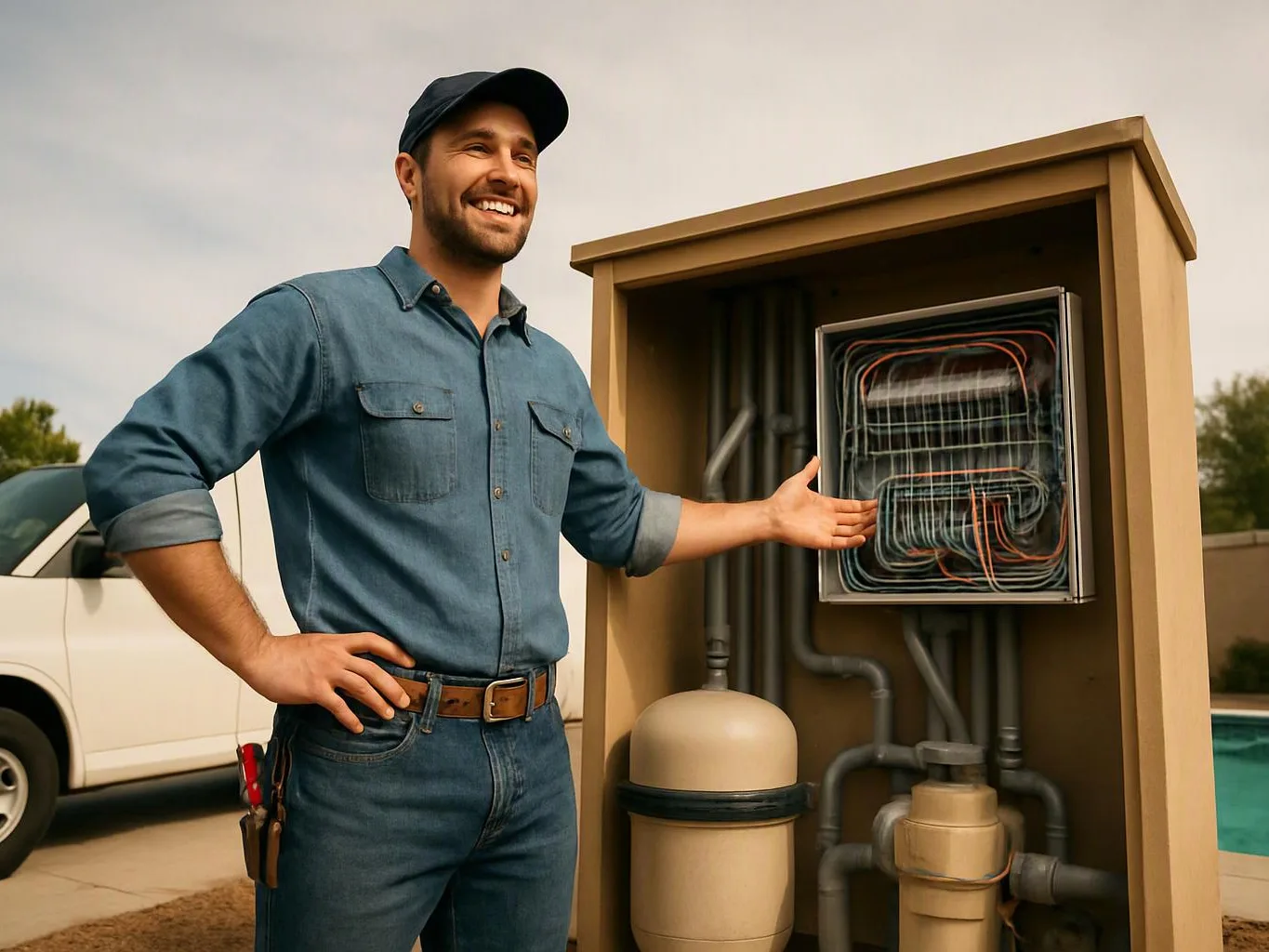
A smiling man in denim points at an open utility cabinet with pipes and wiring outside near a white van and pool
About

How bidirectional EV backup power fits your electrical system

Bidirectional EV backup-power installation links a compatible vehicle, charging equipment, building wiring, and selected backup circuits. The work starts with a system assessment, because the vehicle and charger must match the intended power flow. We review the service panel, available capacity, grounding, and backup-load plan. A load calculation helps show whether the existing electrical system can support the installation. A panel upgrade or subpanel installation may be needed when the available capacity does not fit the planned loads. The main buyer decision is how much of the property needs backup power. Supporting selected circuits can reduce the electrical work compared with serving the whole building. We explain the trade-off before work begins, so the backup plan fits the property and the customer's priorities. Cost rises when the project needs new circuits, panel work, difficult wiring access, or larger backup loads. Budgets are often wasted when a customer buys equipment before checking vehicle compatibility and electrical capacity. We assess those points first and provide a free estimate.

Process

How we install bidirectional EV backup power

1

Review the EV and backup goal

We discuss the compatible vehicle, charging equipment, property use, and circuits you want supported during an outage.

2

Assess the panel and load

We inspect the service panel, grounding, circuit layout, and available capacity. A load calculation helps define the right electrical scope.

3

Plan the backup connection

We select the backup circuits and map the wiring path. If the existing panel cannot support the plan, we explain the needed panel or subpanel work.

4

Install the electrical equipment

We complete the wiring, protective devices, transfer equipment, and EV charging connection that the approved plan requires.

5

Test power flow and controls

We test charging, power export, transfer operation, grounding, breakers, and selected backup loads before handing over the completed system.

What to prepare before bidirectional EV backup installation

A few details help us assess compatibility and plan the electrical work.

  • Have the EV make, model, and charging equipment details ready.
  • List the lights, appliances, or business circuits you want backed up.
  • Keep clear access to the service panel and proposed equipment locations.
  • Share any breaker trips, dead outlets, buzzing sounds, or other electrical symptoms.
  • Tell us about planned panel upgrades, EV charging work, or other electrical installations.

The Center Electric Service Standard

Issue Diagnosis

We diagnose the EV connection, panel capacity, transfer controls, and backup circuits before recommending installation work.

Safety First

We check grounding, breaker protection, wiring, and power-flow controls before testing the backup connection.

Clear Recommendations

We explain the backup-load plan, required electrical changes, and estimate before beginning the installation.

Questions about bidirectional EV backup power

Who installs bidirectional EV backup power in Riverside?

Center Electric Service installs bidirectional EV backup-power systems for Riverside homes and businesses. We assess vehicle compatibility, panel capacity, grounding, transfer equipment, and selected backup circuits. Our electricians also handle related panel work, EV charging installation, troubleshooting, and safety inspections. Licensed and insured electricians provide the electrical service.

What changes the cost of a vehicle-to-home backup installation?

The main cost drivers are equipment compatibility, backup-load size, panel capacity, wiring access, and needed electrical upgrades. A project costs more when circuits must be relocated or the service panel needs changes. We inspect the system first, explain the required scope, and provide a free estimate before work begins.

Can an EV power my entire house during an outage?

An EV may support selected home circuits, but whole-house backup depends on vehicle output, equipment, service capacity, and the property's electrical demand. We compare the intended loads with the available backup capacity. Our plan may focus on essential circuits when the full building load exceeds the system's design.

What equipment does bidirectional backup power need?

Bidirectional backup power needs a compatible EV, compatible charging equipment, a controlled building connection, suitable breakers, and wiring that matches the planned loads. The exact equipment depends on the vehicle and property. We check compatibility and panel capacity before recommending an installation path.

Why does backup power need transfer equipment?

Transfer equipment controls how backup power reaches building circuits and helps separate the property from the utility supply. The connection must match the EV equipment and selected loads. We inspect the transfer path, grounding, breakers, and controls, then test the system before it is used for backup power.

Can I install a bidirectional EV charger on an existing circuit?

An existing circuit can serve the equipment only when its capacity, wiring, protection, grounding, and location fit the planned installation. We inspect the circuit and panel before using it. A new circuit, subpanel, or panel upgrade may be needed when the existing setup cannot support the backup load.

What should I do if the backup system trips a breaker?

A tripped breaker during backup operation means the circuit, load, wiring, or equipment needs inspection. Stop repeated resets if the breaker trips again, and keep the affected equipment off. We diagnose the electrical issue, check the backup connection, and recommend the appropriate repair or installation change.

Key Points About Bidirectional EV backup-power installation

  • Vehicle compatibility determines whether power can flow back to the building.
  • A load calculation helps match backup circuits to electrical capacity.
  • Selected circuits can limit the required electrical scope.
  • Transfer equipment controls the connection between the EV and building loads.
  • Testing must cover charging, export, transfer, grounding, and backup circuits.
Contact

Request a Bidirectional EV Backup Installation Estimate in Riverside

Start with a review of your EV, panel, and planned backup loads; urgent requests get priority scheduling.

A white recessed light trim sits beside a small LED disc, wire connectors, and a hole saw on a wooden surface
Scenarios

When Customers Call Us About Bidirectional EV backup-power installation

1

Backup Power for Essential Home Loads

A homeowner wants the EV battery to support selected lights, refrigeration, and communication equipment during an outage. The key issue is matching those circuits to the vehicle and bidirectional charger, not simply connecting the car to the panel. We review the load list, inspect the service equipment, and prepare an installation plan before wiring begins.

2

Commercial Equipment During Power Loss

A Riverside business wants limited backup power for essential operations while keeping the electrical scope controlled. Commercial panels, operating loads, and access can change the work plan, so we start with circuit mapping and a load assessment. The next step is a free estimate based on the required backup circuits and connection path.

3

EV Charger Trips During Backup Testing

A vehicle charges normally but trips its breaker when backup operation begins. That symptom can point to a capacity issue, wiring fault, grounding problem, or equipment mismatch. We isolate the charging circuit, inspect the panel connection, and test the transfer path before recommending a repair or installation change.

Our Other Services

Emergency ElectricianA sudden outage, burning smell, or sparking outlet needs attention before it damages your property. We trace the fault, isolate unsafe circuits, and restore essential power with careful emergency electrical repairs.
Generator RepairA generator that fails to start can leave critical appliances without backup power during an outage. We inspect the battery, transfer switch, fuel system, and electrical connections, then repair the cause of failure.
Ceiling Fan RepairA wobbling fan, humming motor, or failed wall control can make a room uncomfortable and unsafe. We inspect the fan bracket, capacitor, wiring, and switch, then correct the fault for steady operation.
Recessed Lighting InstallationRecessed lights can brighten kitchens, hallways, and living areas without taking up ceiling space. We plan fixture placement, install approved housings, connect dimmable LED trims, and protect nearby insulation as required.
Lighting RepairFlickering fixtures, dead ceiling lights, and tripped lighting circuits interrupt normal routines. We test lamps, switches, sockets, and wiring to find the fault, then restore consistent light without unnecessary replacement.
Home battery backup critical-load panel installationBattery backup works best when essential circuits are separated from heavy household loads. We install a critical-load panel for selected lights, refrigeration, internet equipment, and other priority circuits during outages.
(951) 577-3540