Skip to content

Bidirectional EV Backup-Power Installation in Jurupa Valley

Island detection protects the utility grid during backup operation in Jurupa Valley. We check the disconnect path before bidirectional power can flow.

Licensed & InsuredFree EstimatesSame-Day ServiceServing 61 Communities

Quick Summary: Bidirectional EV Backup-Power Installation in Jurupa Valley, California

Bidirectional EV backup-power installation in Jurupa Valley is provided by Center Electric Service for residential and commercial properties. The service covers island detection, automatic disconnects, grounding checks, and utility interlock review, with free estimates available.

  • What we do: Center Electric Service installs bidirectional EV backup-power systems in Jurupa Valley, California, with checks for island detection, automatic disconnects, grounding, and utility interlock.
  • What is included: We assess the service panel, trace connected circuits, check grounding, and verify the disconnect path for bidirectional EV backup power.
  • What you get: The completed installation gives the property a checked path for EV backup power and utility-safe disconnection.

Why does island detection matter during bidirectional EV backup-power installation in Jurupa Valley, California?

Island detection stops backup power from feeding an energized utility line during an outage. We verify that the system can separate from the grid before backup operation begins.
Bidirectional EV Backup-Power Installation for Jurupa Valley Properties

Bidirectional EV backup-power installation links an EV, charging equipment, service panel, and selected backup circuits. The buyer's key decision is whether the property can support that power path safely, not just whether an EV charger can be added.

We review the existing panel, available capacity, grounding, and circuit layout. Automatic disconnects and a utility interlock must work together so backup power does not feed the utility line during an outage.

The service fits property owners who want EV charging and backup power in one planned electrical system. It isn't the right job for a standard charger that only receives power from the panel, or for a property that needs basic outage repair first.

  • Confirm whether the existing service panel can support bidirectional power flow.
  • Identify which circuits need backup power and which should remain outside the backup load.
  • Check grounding, disconnect access, and the utility interlock path.
  • Ask how testing will verify separation from the utility during an outage.
A close-up shows a white light bulb screwed into a brushed metal fixture on a ceiling

Service Overview

Bidirectional EV backup-power installation is an electrical service that lets an equipped EV send power back to selected property circuits.

  • Unlike standard EV charging installation, bidirectional work must manage power flow in both directions and isolate the property from the utility when needed.
  • Center Electric Service provides this installation for homes and businesses in Jurupa Valley.

What Bidirectional EV Backup Power Changes

The EV can support selected property circuits when the installation and equipment support two-way power flow.

A planned disconnect path helps separate backup power from the utility supply during an outage.

Load review helps match backup use to the panel and circuits the property can support.

One electrical plan can address EV charging and backup-power needs together.

Testing gives you a documented point to discuss before the system is placed into regular use.

How We Approach Bidirectional EV Backup-Power Work

Start with the service panel

The service panel, grounding path, and connected loads determine whether the proposed setup fits. We inspect those parts before setting the work scope, and our electricians are licensed and insured.

Separate utility and backup power

Automatic disconnects and a utility interlock control the change between utility supply and EV backup power. We check the path as a complete system, not as isolated parts.

Know when another job fits

A standard EV charging installation is the better fit when the vehicle only needs to receive power. We handle bidirectional work when the property also needs a planned backup-power connection.

Process

How We Install Bidirectional EV Backup Power

1

Inspect the service panel

We inspect the panel, service entrance, grounding, and connected circuits. The inspection shows whether the existing electrical system can support the planned backup load.

2

Map the backup circuits

We identify the circuits that need backup power and trace their connections. This step keeps selected loads separate from circuits that the EV will not supply.

3

Plan the disconnect path

We set the automatic disconnect and utility interlock path based on the panel and backup circuits. The plan also accounts for access to the equipment.

4

Complete the electrical work

We install the needed wiring and panel connections for the approved bidirectional power path. Our licensed and insured electricians follow safe electrical work practices.

5

Test utility separation

We test the disconnect, grounding, and backup connection. Testing and verification confirm that the system changes between utility power and backup power as planned.

What Bidirectional EV Backup-Power Installation Includes

Center Electric Service provides comprehensive Bidirectional EV backup-power installation in Jurupa Valley. Here's what you get:

  • We inspect the service panel and trace the circuits that may receive backup power.
  • We review the load calculation for the EV charging and backup-power connection.
  • We plan the automatic disconnect path between the property and utility supply.
  • We check grounding and look for conditions that could affect safe operation.
  • We install the required electrical connections and related panel components for the approved design.
  • We test the system and verify the backup and utility-disconnect functions.

Bidirectional Backup Power or Standard EV Charging

The main choice is whether the EV only receives power or also supplies selected property circuits.

Electrical optionPower directionMain planning need
Standard EV charging installationPower flows from the property to the EVCircuit capacity and charging connection
Bidirectional EV backup-power installationPower can flow between the EV and selected property circuitsLoad calculation, utility separation, grounding, and interlock testing

The Center Electric Service Standard

  • Urgent Assistance
  • Issue Diagnosis
  • Safety First
  • Clear Recommendations

Questions About Bidirectional EV Backup Power

What safety feature protects bidirectional EV backup-power installation?

Island detection protects the grid by stopping backup power from feeding an energized utility line. We verify island detection with the automatic disconnect and utility interlock before the system is used.

The check includes the service panel, backup circuits, and grounding path. A warning or failed test needs diagnosis before the system operates in backup mode.

Who installs bidirectional EV backup-power systems for this service area?

Center Electric Service installs bidirectional EV backup-power systems for residential and commercial properties. Our licensed and insured electricians inspect the panel, map backup circuits, and test the disconnect path.

The quote explains the work needed for the property's existing electrical setup. We also provide emergency electrical service for urgent electrical problems.

How is the installation matched to the property before work starts?

The installation is matched through a panel inspection, load calculation, circuit mapping, and grounding check.

  • We identify the available electrical capacity.
  • We select the circuits that need backup power.
  • We plan the automatic disconnect and utility interlock.

The property layout and equipment connection determine the final work scope.

Which property condition changes the work for bidirectional backup power?

The existing panel capacity and grounding path can change the work required for bidirectional backup power. We also check circuit layout, service entrance condition, and access to the disconnect point.

A panel upgrade or grounding correction may be needed before the EV can supply selected circuits. We explain those findings before installation work begins.

What should I ask before agreeing to this installation?

Ask which circuits receive backup power, how utility separation is tested, and what work the quote includes.

  • Ask how the load calculation supports the selected circuits.
  • Ask where the automatic disconnect will be installed.
  • Ask how the utility interlock will be checked.

These answers show whether the plan fits the property and the way you expect to use backup power.

Why might a standard EV charger be the better choice?

A standard EV charger is the better choice when the vehicle only needs to receive power from the property. Bidirectional equipment adds a reverse power path, utility separation, and backup-circuit planning.

Our team reviews the intended use before quoting the work. A customer who does not need backup power may need only EV charging installation.

When should a customer request an inspection of the backup-power path?

A customer should request an inspection when the EV system shows a warning, backup power fails to start, or a breaker trips during testing. We isolate the affected circuit and check the disconnect, grounding, and panel connection.

In Jurupa Valley, we provide this work for homes and businesses. We explain whether the issue calls for repair or a new installation assessment.
Contact

Get a Free Estimate for Bidirectional EV Backup Power

Request a quote for the disconnect and backup-circuit assessment, and urgent requests get priority scheduling.

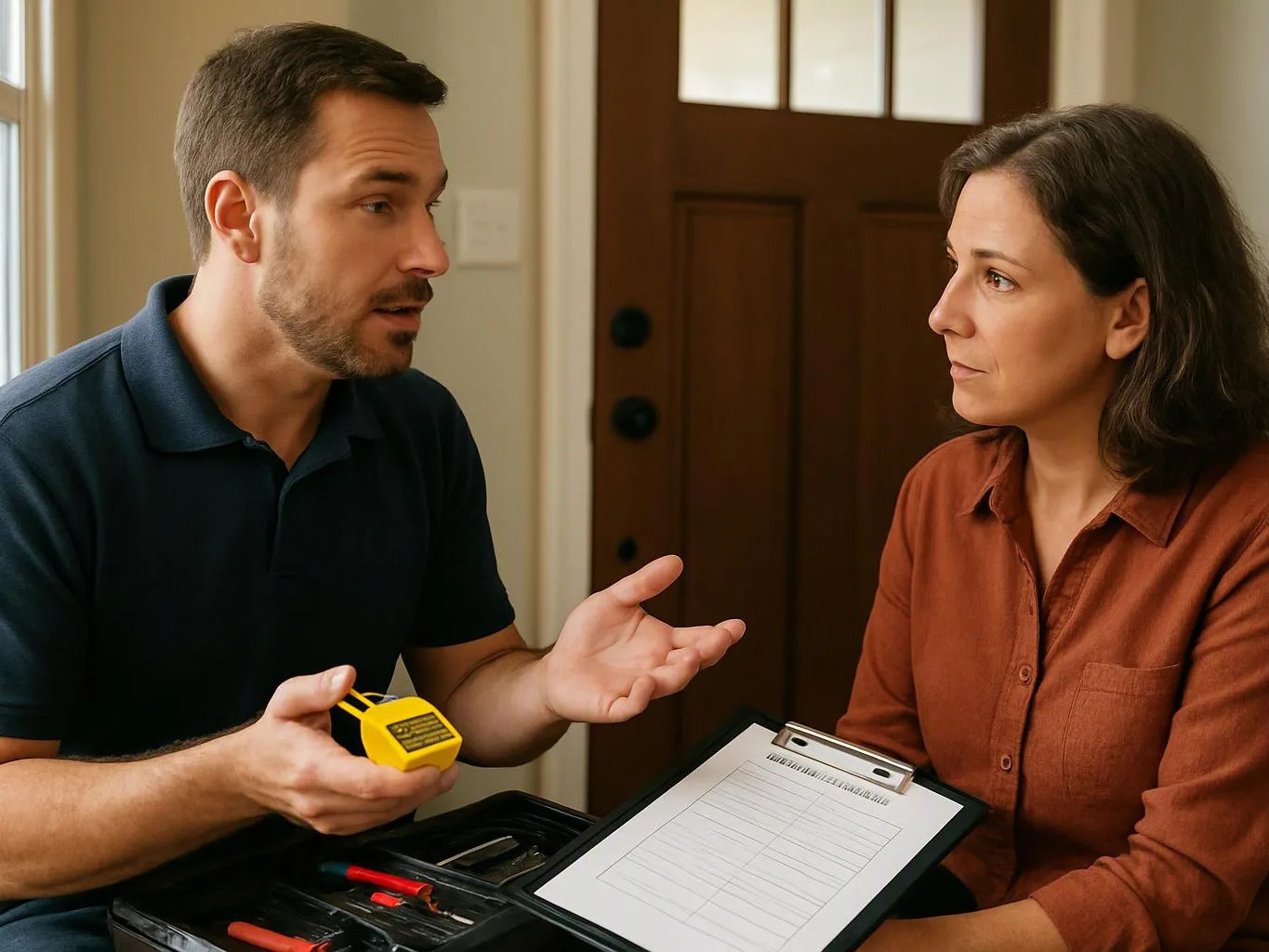
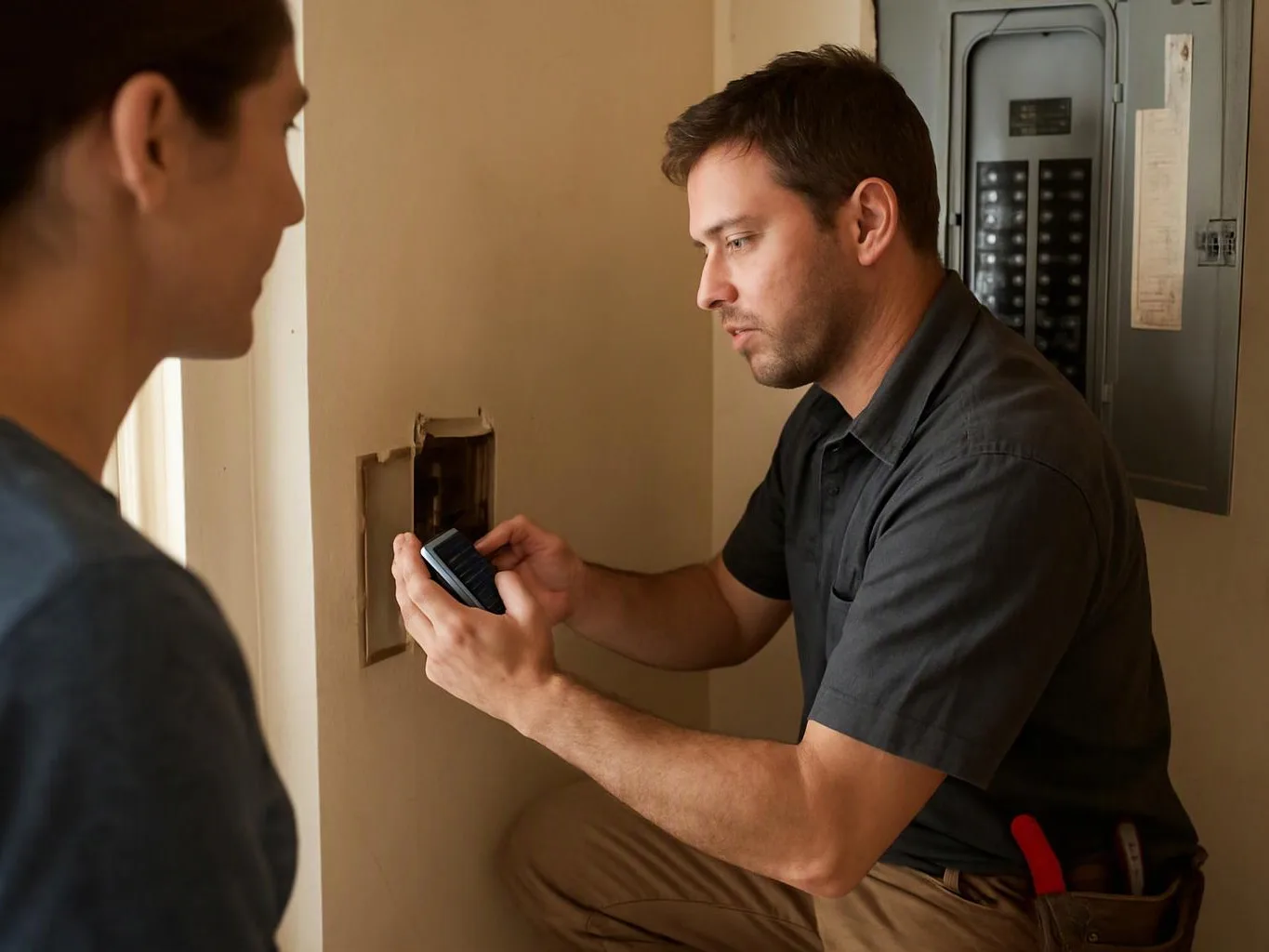
A man kneels by a wall opening, inspecting wiring with a small device while another person watches nearby

Bidirectional EV backup-power installation in Other Areas

(951) 577-3540