Skip to content

Bidirectional EV Backup-Power Installation in Corona, California

Main panel safety and code checks guide bidirectional EV backup-power installation in Corona. We connect the charging inlet and energy management controls to the planned backup setup.

Licensed & InsuredFree EstimatesSame-Day ServiceServing 61 Communities

Quick Summary: Bidirectional EV Backup Power in Corona, California

Bidirectional EV backup-power installation in Corona is provided by Center Electric Service for residential and commercial properties. The service covers equipment checks, charging inlet wiring, energy management, and related electrical installation, with phone support available 24 hours.

  • What we do: Center Electric Service provides bidirectional EV backup-power installation for Corona, California homes and businesses.
  • What is included: Key capabilities include main panel assessment, electric vehicle charging inlet work, circuit tracing, energy management connections, testing, and electrical inspections.
  • What you get: The property receives a planned bidirectional EV backup-power setup with connected equipment and verified electrical operation.

Why does my electric vehicle show a backup-power warning?

A backup-power warning can point to an equipment, wiring, control, or power-path issue. We inspect the charging inlet, energy management settings, and connected electrical equipment before deciding whether the installation needs correction or further testing.
Bidirectional EV Backup-Power Installation for Corona Properties

Bidirectional EV backup-power installation connects an electric vehicle, charging inlet, backup equipment, and property wiring. The job is for owners who want their EV system considered as part of a backup-power plan, not only as a vehicle charging point.

Customers need to decide whether the existing electrical layout suits the planned equipment. We check the main panel, circuit paths, grounding, and control connections before we define the work. The installation may also involve circuit tracing, an electrical inspection, and testing after the connections are made.

This service has a clear limit. It doesn't replace every form of generator installation or repair, and it won't solve a utility outage by itself without compatible bidirectional equipment and controls. We identify that fit before quoting the project.

  • Confirm that the electric vehicle and backup equipment support bidirectional power flow.
  • Check the main panel, available circuits, grounding, and service connections.
  • Review the charging inlet location and the path for electrical wiring.
  • Plan energy management controls for the intended backup-power use.
  • Test the installed connections and document any needed electrical corrections.
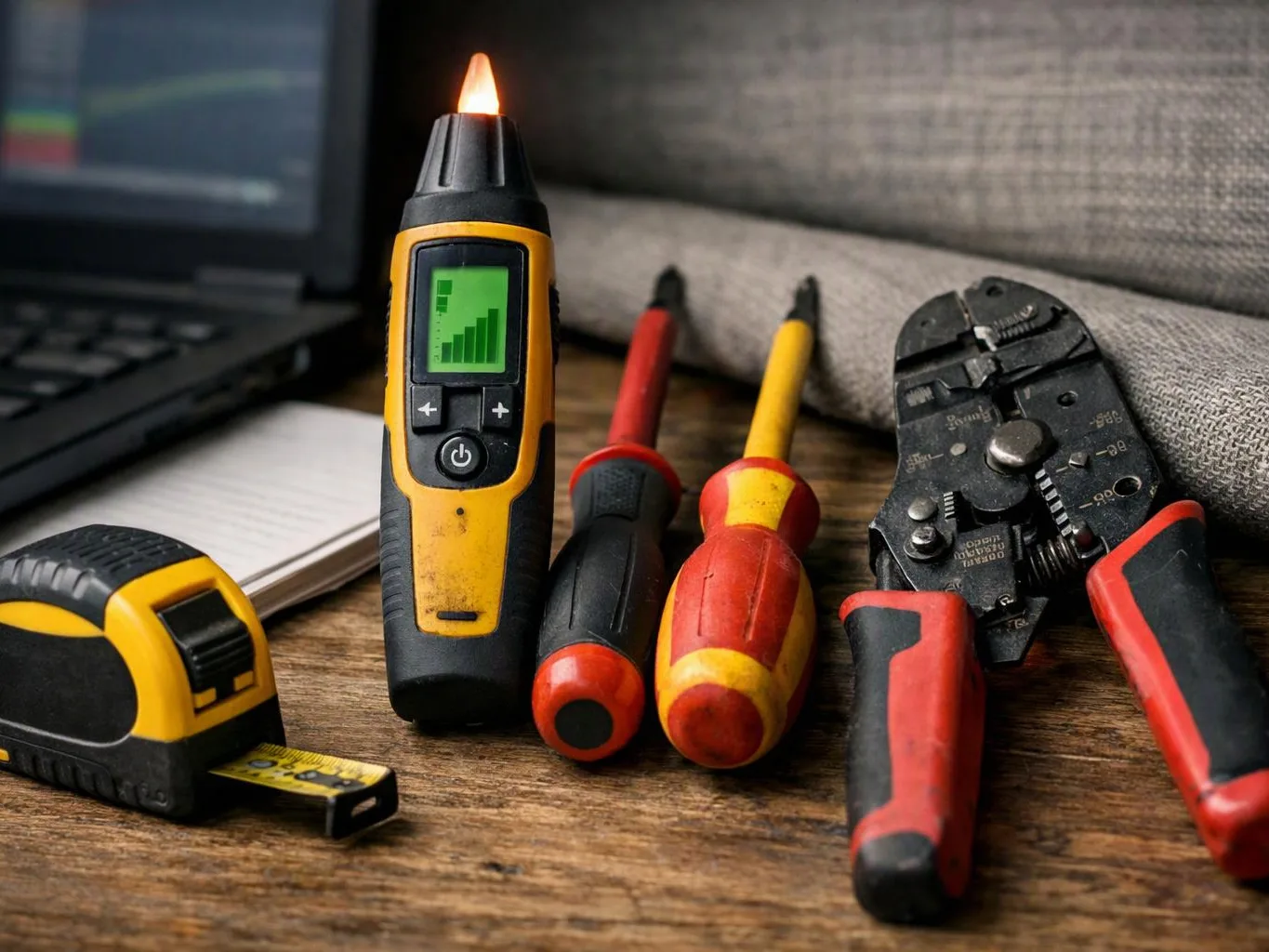
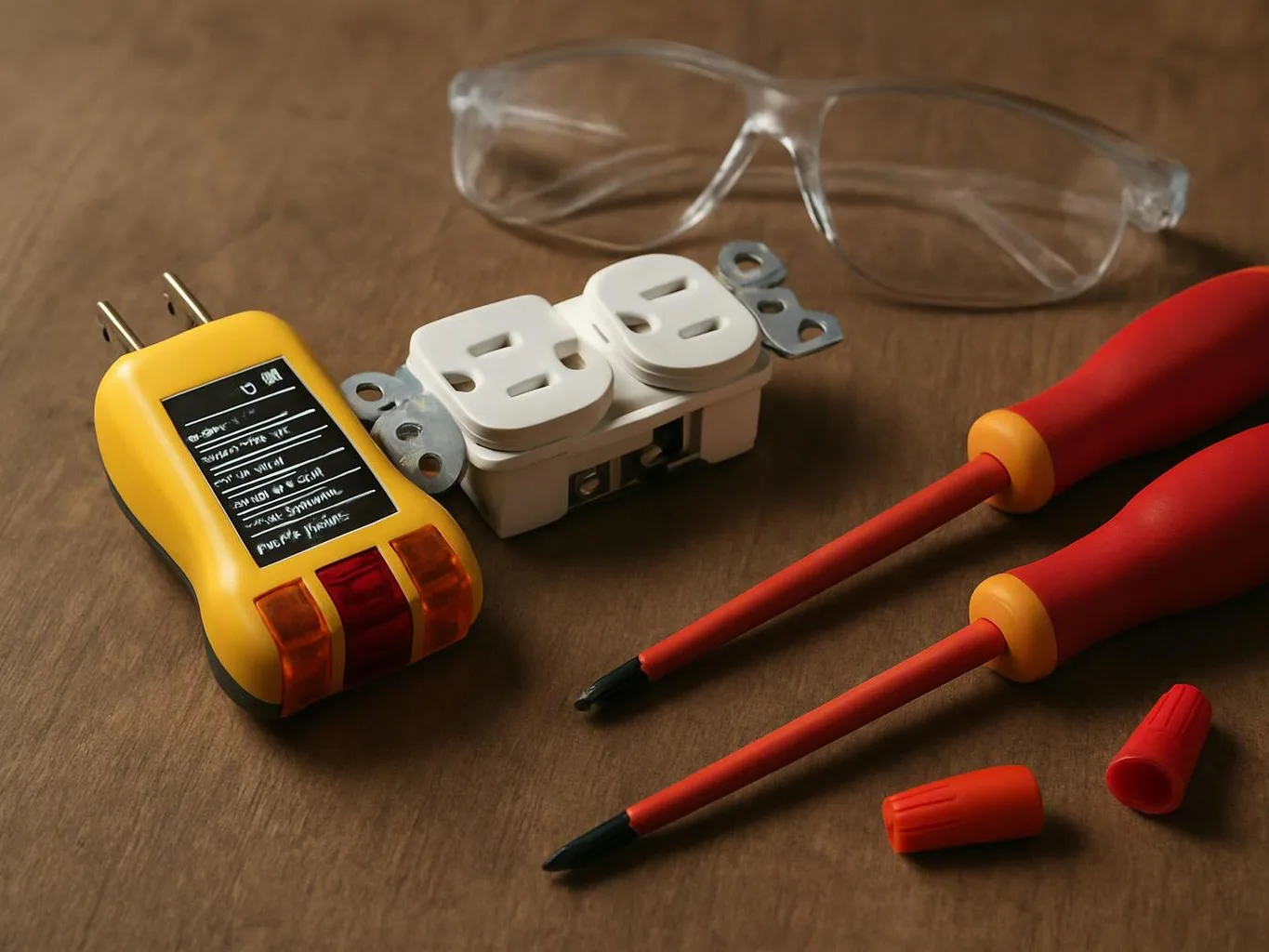
Electrical tools and safety gear rest on a wooden surface, including a tester, outlet, screwdrivers, wire nuts, and glasses

Service Overview

Bidirectional EV backup-power installation is an electrical service that connects an electric vehicle to equipment designed to move power in both directions.

  • Unlike a standard EV charging installation, this work also addresses backup-power controls, energy management, and the electrical path back to the property.
  • Center Electric Service provides this work for residential and commercial properties in Corona.

What This EV Backup-Power Installation Includes

Center Electric Service provides comprehensive Bidirectional EV backup-power installation in Corona. Here's what you get:

  • We assess the main panel and connected circuits for the planned equipment.
  • We inspect the electric vehicle charging inlet and its electrical connection.
  • We plan wiring between the charging inlet, energy management controls, and backup equipment.
  • We perform circuit tracing when existing wiring makes the power path unclear.
  • We complete installation work that fits the property's electrical scope.
  • We test the connections and explain the operating setup after the work.

What Bidirectional EV Backup Power Changes

A compatible electric vehicle can become part of a planned property backup-power system.

Energy management helps organize how power moves between connected equipment and the property.

A checked charging inlet gives customers a clearer view of the equipment path.

Testing helps identify wiring or control issues before the system is placed into regular use.

The assessment separates a suitable installation from a project that needs different backup equipment.

How We Approach EV Backup-Power Equipment Decisions

Start with equipment compatibility

Customers need compatible bidirectional equipment before installation can proceed. We check the electric vehicle, charging inlet, controls, and property wiring as one connected system.

Trace the power path

Circuit tracing shows where power enters, moves through, and leaves the system. That check helps us plan wiring and find conflicts with existing electrical loads.

Know when another service fits

This service is the wrong job when the electric vehicle or backup equipment doesn't support bidirectional operation. We explain that limit before work begins.

Process

How We Install Bidirectional EV Backup Power

1

Review the vehicle and equipment

We identify the electric vehicle, charging inlet, backup equipment, and energy management controls planned for the property.

2

Check the electrical path

We inspect the main panel, trace relevant circuits, review grounding, and identify wiring changes required for the equipment.

3

Plan the installation scope

We explain the needed connections, access points, testing, and any electrical corrections before preparing a free estimate.

4

Connect and test the system

We complete the approved electrical work, connect the planned equipment, and test the installation for proper operation.

Standard EV Charging Compared With Bidirectional Backup Power

These two electrical projects differ in the direction of power flow and the equipment each one must support.

Installation typePrimary power directionMain planning focus
Standard EV charging installationProperty to electric vehicleCharging circuit, inlet, and vehicle connection
Bidirectional EV backup-power installationProperty and electric vehicle can exchange powerCharging inlet, energy management, backup equipment, and testing

The Center Electric Service Standard

  • Urgent Assistance
  • Issue Diagnosis
  • Safety First
  • Clear Recommendations

Questions About EV Backup-Power Installation

What equipment is needed for bidirectional EV backup-power installation?

The main panel, electric vehicle, charging inlet, and energy management controls form the core equipment group. Center Electric Service checks how these parts connect before installation.

  • We review vehicle and equipment compatibility.
  • We inspect the charging inlet and wiring path.
  • We test the connected electrical system after installation.

How can I tell whether this installation fits my property?

Property fit depends on compatible equipment, available electrical capacity, wiring access, and a suitable control path. We inspect the electrical layout and compare it with the planned vehicle and backup equipment. Customers receive a scope decision based on the actual property conditions, not only the vehicle model.

Which part of the property decides the installation scope?

The electrical service area usually decides the installation scope because wiring, circuits, grounding, and equipment access meet there. We inspect the panel location, charging inlet path, and connected loads. Existing wiring can change the work needed, so we trace circuits before preparing the estimate.

Which material changes how long the installation takes?

Existing wiring material and its condition can change the installation time because damaged, unsuitable, or hard-to-access wiring needs more work. We inspect conductors, connections, and the route between equipment. Customers should share any known wiring concerns before the assessment.

Why might a charging inlet need more work before backup power?

A charging inlet may need more work when its circuit, wiring, controls, or equipment rating doesn't match bidirectional power flow. We inspect the connection and trace its circuit before making changes. The required correction depends on the installed equipment and the property's electrical layout.

When should a business request this electrical assessment?

A business should request the assessment before buying or connecting backup-power equipment. We review electrical access, connected loads, charging equipment, and energy management needs. Early planning helps the business understand the work involved before installation affects normal operations.
Contact

Request a Bidirectional EV Backup-Power Installation Estimate

Get a clear estimate for the equipment and electrical work in Corona, California. Urgent requests get priority scheduling.

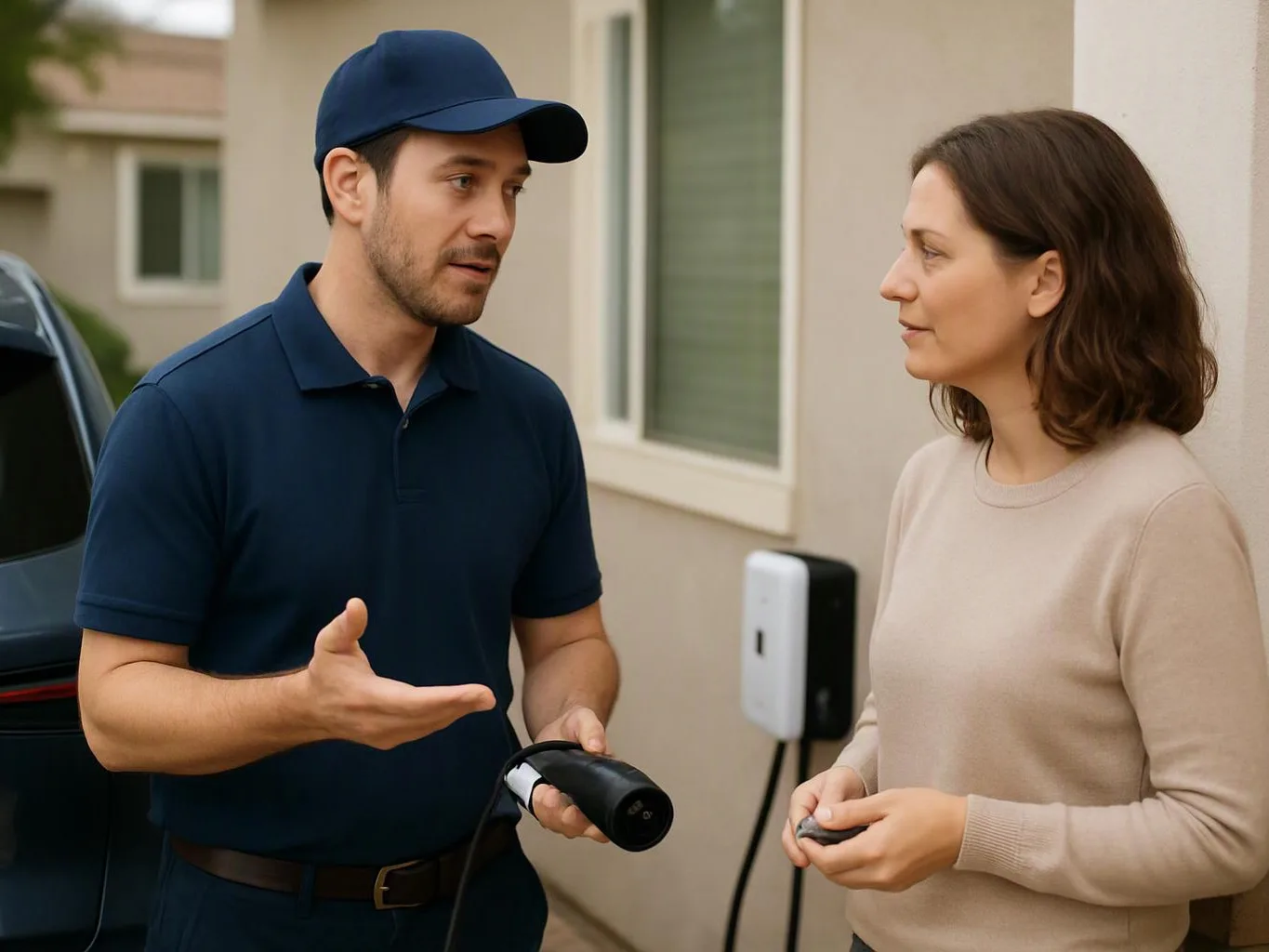
Two adults stand beside a house, talking while one holds a black charging connector near an electric car plug in the driveway

ZIP Codes We Serve in Corona, California

92877928789287992880928819288292883

Bidirectional EV backup-power installation in Other Areas

(951) 577-3540