Skip to content

Bidirectional EV Backup-Power Installation in Colton, California

Battery storage planning in Colton helps you decide how an electric vehicle can support selected backup circuits. We provide licensed and insured electrical work for homes and businesses.

Licensed & InsuredFree EstimatesSame-Day ServiceServing 61 Communities

Quick Summary: Bidirectional EV Backup-Power Installation in Colton, California

Bidirectional EV backup-power installation in Colton is provided by Center Electric Service for homeowners and businesses across Riverside, nearby communities, and the Inland Empire. The work connects an approved bidirectional charger to selected backup circuits, with licensed and insured electrical service.

  • What we do: Center Electric Service installs bidirectional EV backup-power systems for homes and businesses in Colton, California.
  • What is included: panel checks, load calculation, bidirectional charger wiring, transfer switch installation, backup circuit selection, and testing.
  • What you get: The completed work gives selected backup circuits a planned connection to bidirectional EV power.

Why does bidirectional EV backup power keep dropping out in Colton, California?

Bidirectional EV backup power can drop out when the load, charger, transfer switch, or backup circuit wiring does not match. We trace the circuit, check the panel, and test the connection before recommending a repair or installation change.

Scope and Service Overview for Colton

Bidirectional EV backup-power installation connects an electric vehicle to selected backup circuits through a bidirectional charger and transfer switch. The work suits property owners who want planned backup power from an equipped vehicle, not customers seeking a basic outlet or standard one-way EV charger.

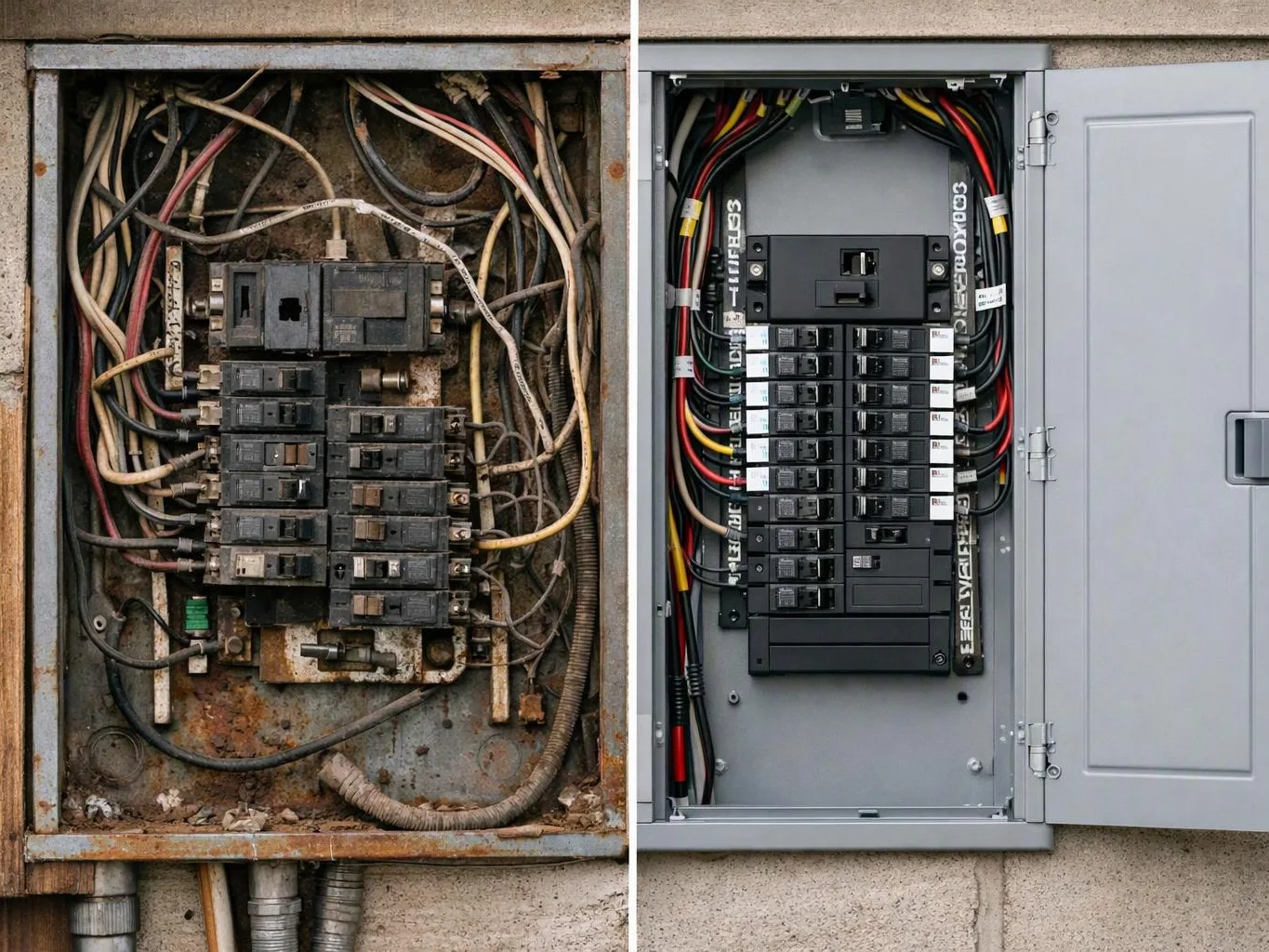
The key decision is which circuits should receive power during an outage. We review the electrical panel, complete a load calculation, and trace the circuits that matter most. A refrigerator, lighting circuit, or selected business equipment may fit the plan, but the final choice depends on the panel and the connected load.

This service covers the electrical work needed to connect and test the system. It does not turn every EV into a backup source, and it does not promise whole-property power. We explain equipment limits, circuit choices, and the work needed to keep the installation safe and up to code.

  • Confirm that the vehicle and bidirectional charger support power export.
  • Review the main panel and available electrical capacity.
  • Choose backup circuits that match the planned load.
  • Check transfer switch placement and cable routing.
  • Test the system and verify each selected circuit.
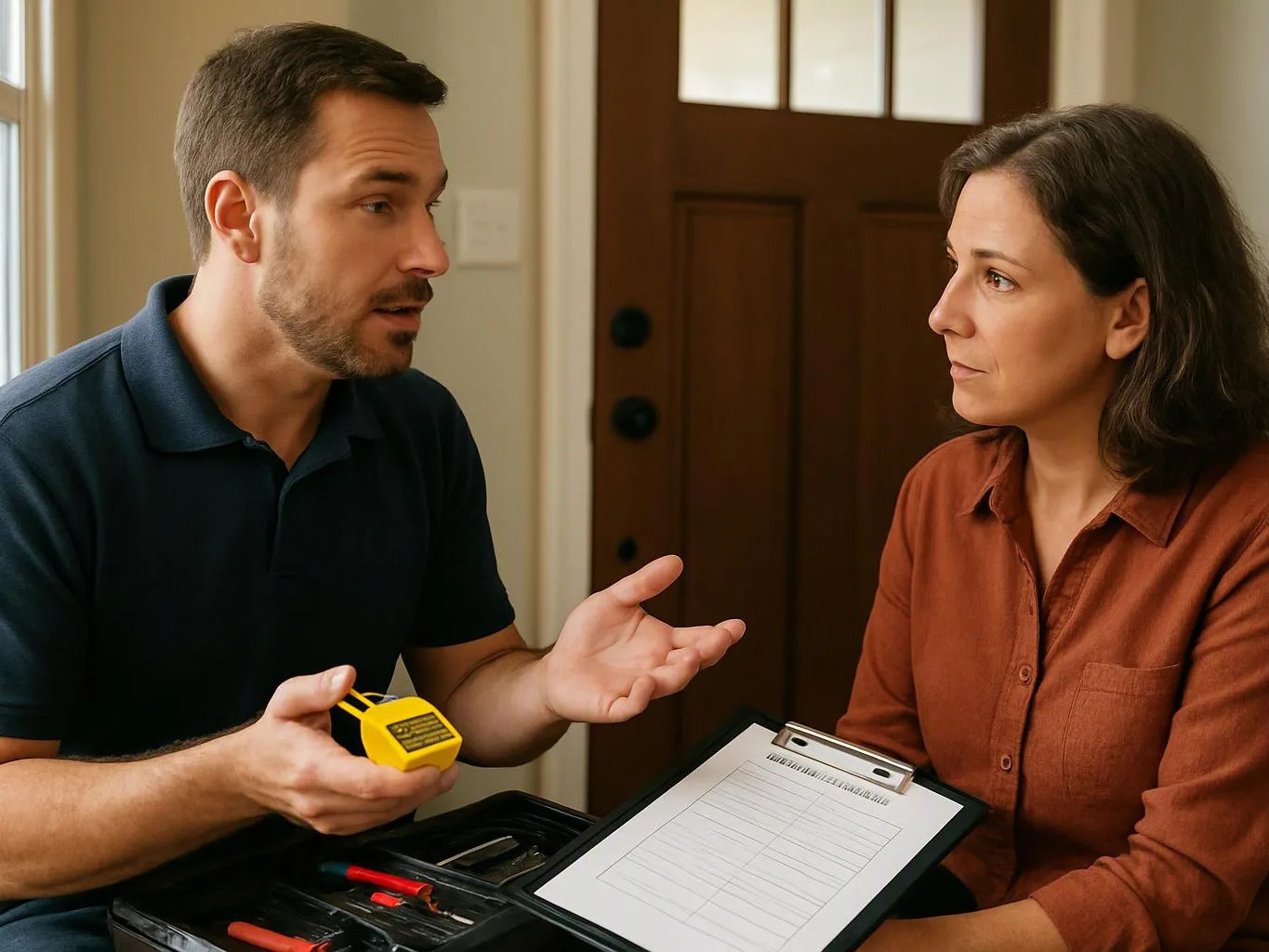
A man shows a yellow device to a woman while they sit beside a clipboard and tool case indoors

Service Overview

Bidirectional EV backup-power installation is an electrical service that lets an equipped electric vehicle send power to selected building circuits.

  • This work differs from standard EV charging installation because power must safely move from the vehicle back through a charger and transfer equipment.
  • Center Electric Service provides this installation for homes and businesses in Colton.
Process

How We Install Vehicle Backup Power

1

Inspect the electrical panel

We check the panel, service connection, available capacity, and circuit layout before planning the installation.

2

Calculate the selected load

We complete a load calculation and identify which backup circuits fit the planned vehicle and charger setup.

3

Plan the charger connection

We set the bidirectional charger location and trace the wiring path to the panel and transfer equipment.

4

Install the transfer switch

We connect the transfer switch so selected circuits can receive power through the planned backup path.

5

Test and verify each circuit

We test the connection, verify the selected circuits, and explain the system before the work is complete.

The scope this service is meant to handle

A typical property decision involves a homeowner who wants selected lights, refrigeration, or communication equipment backed up during an outage. We inspect the panel, trace the chosen circuits, check the load, and set the transfer equipment around those circuits. The work scope also accounts for required electrical review and safe testing before use.

How We Approach This Backup-Power Work

Start with the panel and load

The first decision is whether the existing panel and selected circuits fit the planned equipment. We inspect the panel and calculate the load before setting the work scope.

Separate charging from power export

A standard EV charger sends power to a vehicle. Bidirectional equipment must also manage power moving back to the building, so the charger and transfer switch need compatible wiring.

Choose circuits with care

Backup power is the wrong job when the goal is to power every large load in the property. We help select circuits that match the equipment and the planned use.

What Bidirectional EV Backup Power Changes

Selected circuits can draw from an equipped electric vehicle when the system is set up for backup use.

A load calculation helps match backup power to the circuits that matter most.

A transfer switch gives the backup connection a defined path through the electrical system.

Circuit labels make it easier to understand which loads belong to the backup plan.

Testing helps identify wiring or load issues before the system is placed into regular use.

What This Backup-Power Installation Includes

Center Electric Service provides comprehensive Bidirectional EV backup-power installation in Colton. Here's what you get:

  • We inspect the electrical panel and review the available capacity for the planned system.
  • We complete a load calculation for the circuits selected for backup power.
  • We install or connect the bidirectional charger as the equipment plan requires.
  • We install a transfer switch that manages the connection between building circuits and vehicle power.
  • We connect selected backup circuits and label the related electrical equipment.
  • We perform testing and verification before explaining the system to you.

Charging Installation or Vehicle Backup Power

These options differ by the direction of power flow and the equipment required.

Electrical optionPower directionMain work focus
Standard EV charging installationBuilding to vehicleEV charging circuit and equipment
Bidirectional EV backup-power installationBuilding to vehicle and vehicle to selected circuitsBidirectional charger, transfer switch, backup circuits, and testing

The Center Electric Service Standard

  • Urgent Assistance
  • Issue Diagnosis
  • Safety First
  • Clear Recommendations

Questions About Vehicle Backup-Power Installation

How does battery storage work with bidirectional EV backup power?

Battery storage works with bidirectional EV backup power when the vehicle, charger, and transfer equipment support power export. The charger manages the power flow, while the transfer switch connects selected circuits. We check the panel and load before installation. The system is then tested so the backup path matches the planned circuits.

What does the crew look at first during installation?

The electrical panel is the first place we inspect during installation. We check the service connection, circuit layout, available capacity, and condition of the wiring. The selected backup loads then guide the load calculation. This review shows whether the planned charger and transfer switch fit the property.

Which part of the job changes the estimate most?

The electrical scope changes the estimate most when the panel, wiring path, charger connection, or selected load needs more work. A longer route or added circuit changes the materials and labor involved. We review those conditions before giving a free estimate. Our quote reflects the property and the requested backup circuits.

When should backup circuits be chosen?

Backup circuits should be chosen after we review the panel and calculate the planned load. Customers often select essential lighting, refrigeration, or communication equipment. Large loads may not fit the vehicle and charger capacity. We document the selected circuits so the finished system has a clear operating plan.

Why can a standard EV charger fail as backup equipment?

A standard EV charger may only send power into the vehicle. Backup operation needs a bidirectional charger, compatible vehicle controls, transfer equipment, and suitable wiring. We inspect the existing charger and panel before planning changes. That review shows whether the current setup supports power export.

What should be checked before installation is scheduled?

Vehicle compatibility, charger capability, panel capacity, backup circuit load, and transfer switch placement should be checked first. We also need access to the panel and the proposed equipment location. These details shape the work scope. A property review gives you a clear estimate before scheduling the installation.

Who installs bidirectional EV backup-power systems?

Center Electric Service installs bidirectional EV backup-power systems for residential and commercial properties. We handle panel checks, load calculations, charger wiring, transfer switch work, circuit connections, and testing. Our electricians are licensed and insured. We also provide 24-hour emergency electrician availability for urgent electrical concerns.
Contact

Get a Free Estimate for Vehicle Backup Power in Colton

Request a quote for bidirectional EV backup-power installation, and urgent requests get priority scheduling.

A bright kitchen shows wood cabinets, a white island, stainless appliances, and a bowl of green apples

ZIP Codes We Serve in Colton, California

92324

Bidirectional EV backup-power installation in Other Areas

(951) 577-3540