Skip to content

Bidirectional EV Backup-Power Installation in Pomona, California

How much load can backup circuits support in Pomona? We size the system around your home or business and the power you need during an outage.

Licensed & InsuredFree EstimatesSame-Day ServiceServing 61 Communities

Quick Summary: Bidirectional EV Backup-Power Installation in Pomona, California

Bidirectional EV backup-power installation in Pomona is provided by Center Electric Service for residential and commercial properties throughout Riverside, surrounding communities, and the Inland Empire. The work covers backup circuits, electrical checks, and connection planning, with emergency electrical availability when urgent power problems arise.

  • What we do: Center Electric Service installs bidirectional EV backup-power systems for Pomona, California homes and businesses.
  • What is included: Backup-circuit planning, load calculations, panel checks, transfer-switch installation, circuit testing, and electrical inspections.
  • What you get: The finished system connects selected electrical loads to stored vehicle power through a tested backup connection.

Why do backup circuits stop working during bidirectional EV backup-power installation?

Backup circuits stop working when circuit capacity, transfer equipment, wiring, or control settings do not match the planned load. We trace the circuit, inspect the panel, and test the connection before setting the final scope.
Scope and Service Overview for Pomona

Bidirectional EV backup-power installation links an EV, a bidirectional charger, and selected property circuits. The work suits owners who want their vehicle to support essential loads when utility power is unavailable.

The key decision is capacity. We review the service panel, perform a load calculation, and identify which circuits fit the planned backup load. A larger property load may call for panel work or a different electrical design.

This page focuses on backup-power wiring and circuit selection, not general EV charging. Customers comparing both services should ask whether the equipment can send power back into the property and how the transfer equipment will isolate that power safely.

  • Confirm which circuits need backup power.
  • Check panel capacity and service entrance wiring.
  • Review the load calculation before equipment is selected.
  • Plan the bidirectional charger and transfer switch connection.
  • Test circuit isolation and power flow after installation.
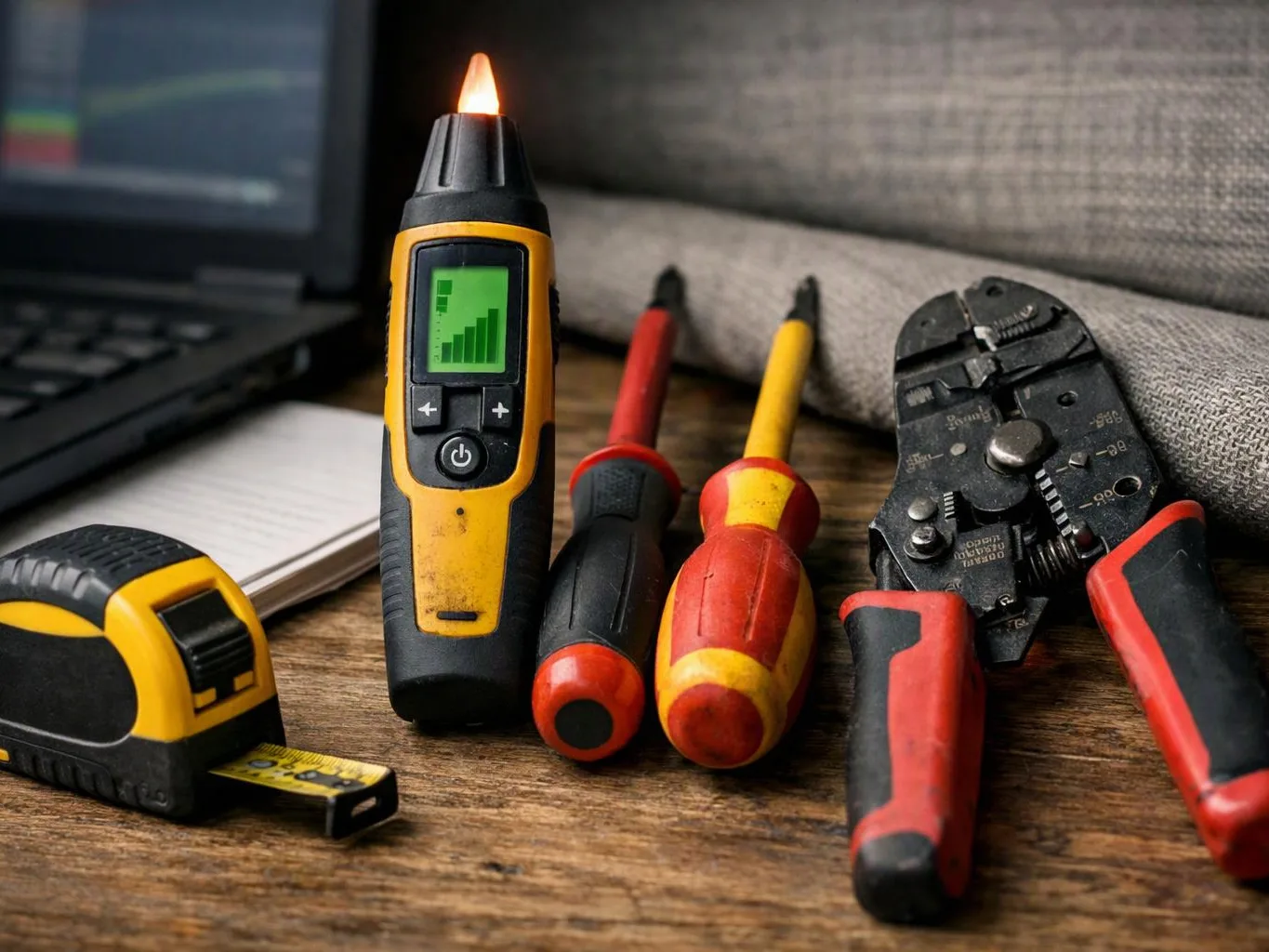
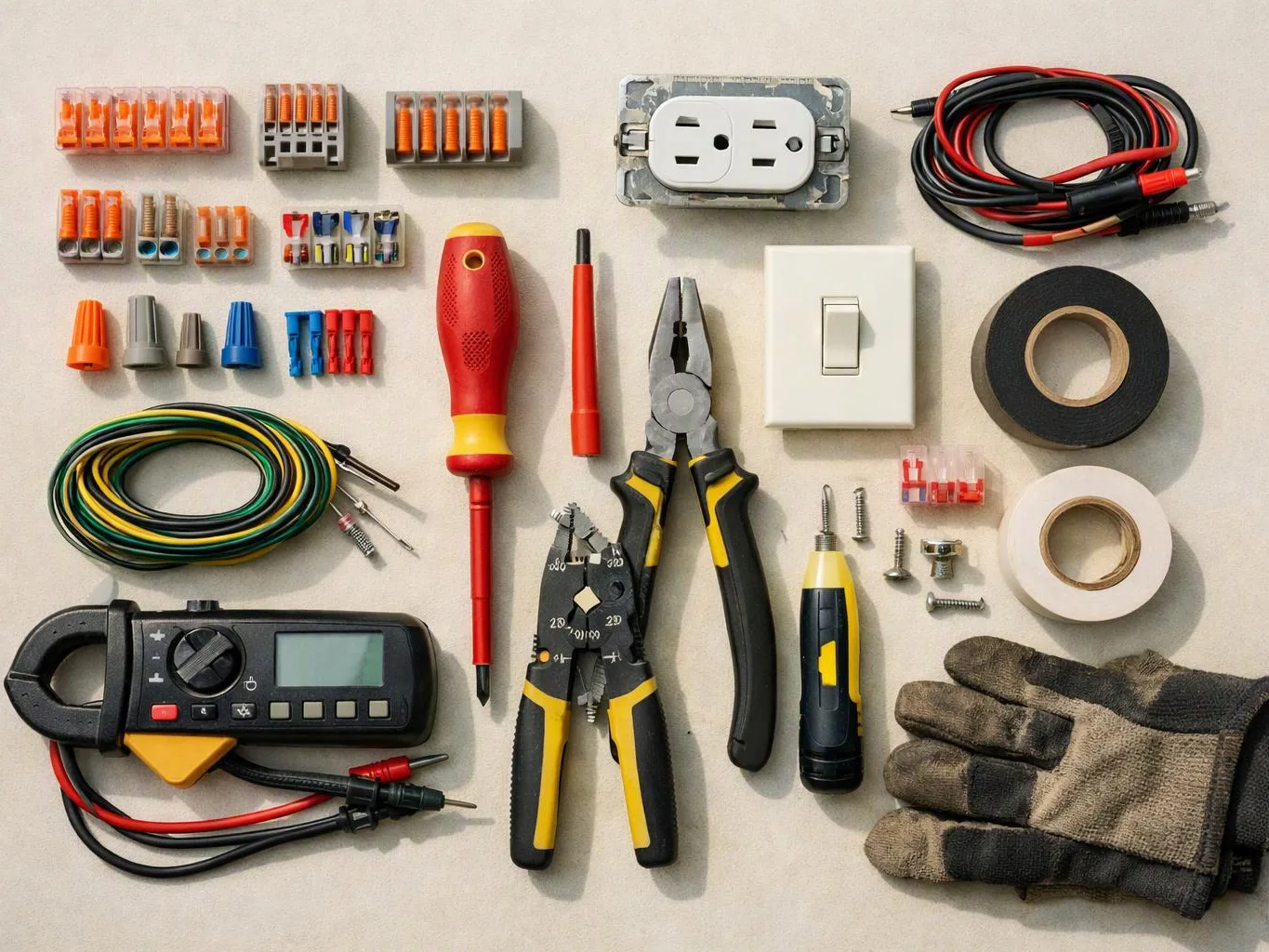
A neatly arranged set of electrical tools, wires, outlets, tape, gloves, and connectors sits on a light surface

Service Overview

Bidirectional EV backup-power installation is an electrical service that lets an EV send stored power to selected property circuits.

  • This work differs from standard EV charging installation because power flows from the vehicle to the property during an outage.
  • We provide this service for homes and businesses in Pomona.

What Bidirectional EV Backup-Power Installation Includes

Center Electric Service provides comprehensive Bidirectional EV backup-power installation in Pomona. Here's what you get:

  • We inspect the electrical panel and map the circuits that may need backup power.
  • We complete a load calculation for the planned backup circuits.
  • We plan the connection between the bidirectional charger and the property wiring.
  • We install or connect transfer equipment when the design requires it.
  • We check grounding, circuit protection, and conductor condition.
  • We test the system and explain which loads the backup connection serves.

What This EV Backup System Changes for You

Selected circuits can draw power from the EV when utility power is unavailable.

The load calculation gives you a clearer basis for choosing which circuits to back up.

A planned transfer connection helps separate vehicle power from utility power.

Circuit testing helps identify wiring or panel issues before the system is placed in service.

Residential and commercial owners can plan backup power around their actual electrical loads.

A situation this service fits

A typical property decision starts with a homeowner or business owner choosing which circuits must stay available during an outage. We inspect the panel, trace those circuits, complete a load calculation, and set the backup scope around the available capacity. The final design may include a bidirectional charger and transfer switch, with code review and testing before use.

What You Get From This Backup-Power Work

A load-based installation plan

Customers get a plan based on circuit demand, panel capacity, and the loads they want to keep running. We are licensed and insured electricians, and we explain the work before installation.

A clear transfer point

The transfer switch or related control equipment needs to separate vehicle power from utility power. We inspect that connection and test the selected circuits after the work.

A defined service limit

This service is the wrong fit when the goal is only to charge an EV. Standard EV charging installation may be the better match for one-way power use.

Process

How We Install EV Backup Power

1

Map the selected circuits

We identify the circuits the customer wants to support and trace them back to the electrical panel.

2

Check capacity and grounding

We inspect the panel, service entrance, grounding, and circuit protection before choosing the installation scope.

3

Complete the load calculation

We compare the planned backup load with available capacity and explain any panel or circuit concerns.

4

Connect transfer equipment

We install or connect the transfer switch and bidirectional charger according to the approved electrical design.

5

Test power flow and circuits

We test circuit isolation, backup operation, grounding, and the selected loads before explaining the completed setup.

EV Charging or EV Backup Power

These options serve different electrical goals, so the right choice depends on how power needs to flow.

Electrical optionPower directionBest fit
Standard EV charging installationUtility power flows to the EVCharging an EV for normal driving
Bidirectional EV backup-power installationPower can flow between the EV and selected property circuitsSupporting planned loads during utility outages

The Center Electric Service Standard

  • Urgent Assistance
  • Issue Diagnosis
  • Safety First
  • Clear Recommendations

Questions About EV Backup-Power Installation

How does bidirectional EV backup-power installation work?

Backup circuits receive power from the EV through a bidirectional charger and transfer equipment. Center Electric Service first checks the panel and load calculation.

  • We map the selected circuits.
  • We review capacity and grounding.
  • We connect and test the transfer equipment.

The final setup supports only the circuits included in the approved electrical scope.

Who is a good fit for bidirectional EV backup-power installation?

Homeowners and businesses with compatible EV equipment and defined backup loads are good candidates. We review the panel, service capacity, and circuit goals before quoting the work.

The service may not fit a property that only needs one-way EV charging. Our team explains whether backup installation, panel work, or standard charging better matches the electrical need.

What does the crew look at first during this installation?

The electrical panel is the first major checkpoint because it shows available capacity, circuit layout, and protection. We inspect the service entrance and grounding next.

Customers should identify the loads they want to keep running. That list guides circuit tracing and the load calculation, which then shapes the transfer equipment and wiring plan.

When does a panel need work before EV backup power?

A panel needs work when its capacity, condition, or circuit protection cannot support the planned backup load. We check the panel before setting the installation scope.

A service entrance upgrade, panel upgrade, or circuit change may be needed. We explain the reason for each proposed change and include it in the estimate.

Which circuits should a property owner back up?

Essential circuits should match the owner’s actual power needs and the available EV capacity. We help identify suitable loads during circuit mapping.

Common planning targets include selected lighting, refrigeration, communications, or business equipment. The final list depends on the load calculation and the electrical condition of the property.

Why does the transfer switch matter in this setup?

The transfer switch controls how backup power reaches selected circuits and helps separate that source from utility power. We inspect its connection and test the switching path.

Customers should ask which circuits the switch serves and how the system handles utility restoration. Those answers clarify the limits of the backup design.

What changes the price of backup-circuit installation?

Panel capacity, wiring access, circuit count, transfer equipment, and required panel work change the price. We review those items before preparing a free estimate.

A simple circuit layout may need less work than a property with limited capacity or difficult wiring paths. The quote should show the planned electrical scope and testing.
Contact

Get a Free Estimate for EV Backup Power in Pomona

Request a panel and backup-circuit assessment, and urgent requests get priority scheduling.

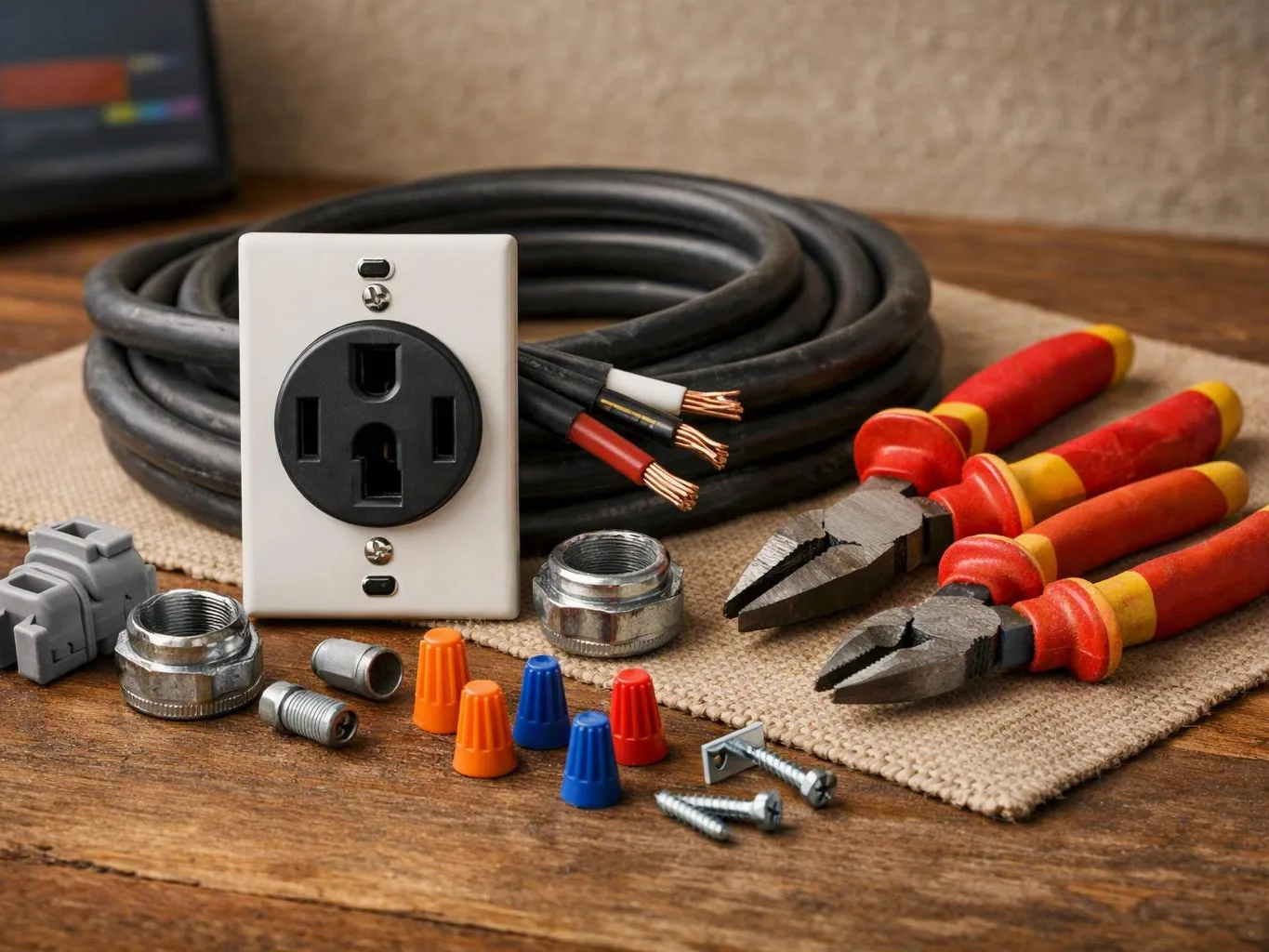
Electrician tools and wire fittings surround a wall outlet on a wooden table

ZIP Codes We Serve in Pomona, California

91766917679176891769

Bidirectional EV backup-power installation in Other Areas

(951) 577-3540