Skip to content

Bidirectional EV Backup-Power Installation in Home Gardens, California

Flickering lights or a tripping main panel can signal energy management needs in Home Gardens. We install bidirectional EV backup-power systems for homes and businesses.

Licensed & InsuredFree EstimatesSame-Day ServiceServing 61 Communities

Quick Summary: Bidirectional EV Backup-Power Systems in Home Gardens, California

Bidirectional EV backup-power installation in Home Gardens is provided by Center Electric Service for residential and commercial properties. The service covers equipment checks, charging inlet work, main panel review, and electrical installation, with 24-hour emergency electrician availability.

  • What we do: Center Electric Service installs bidirectional EV backup-power systems for homes and businesses in Home Gardens, California.
  • What is included: We inspect the electric vehicle, charging inlet, main panel, load needs, wiring, grounding, and connection points.
  • What you get: The finished installation gives the property a connected EV backup-power system with tested electrical connections.

Why does my main panel trip during bidirectional EV backup-power use?

A main panel can trip when the connected EV equipment and property loads exceed available electrical capacity. We check the panel, wiring, breakers, grounding, and load calculation before recommending installation changes.
Bidirectional EV Backup-Power Installation for Home Gardens Properties

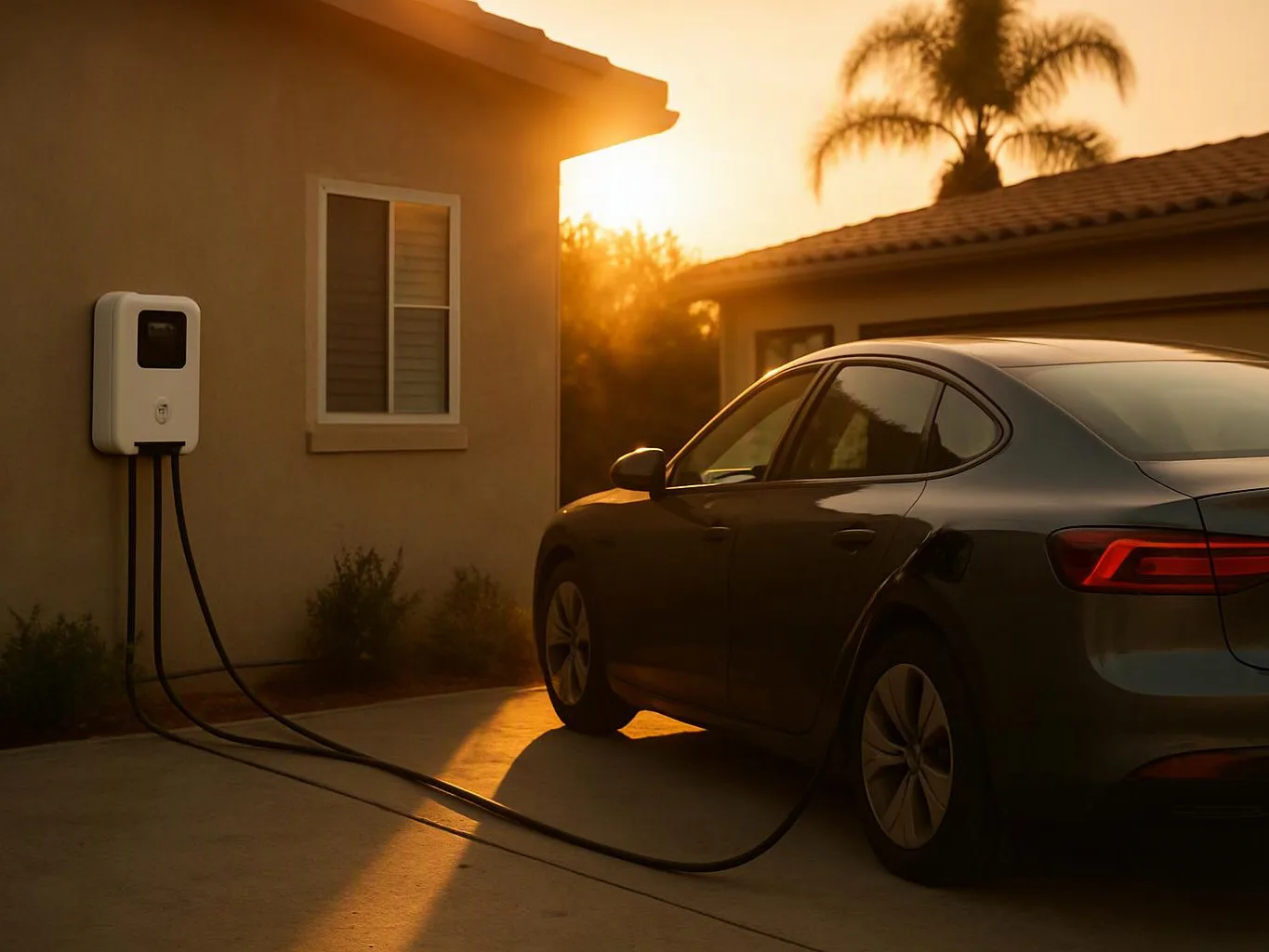
Bidirectional EV backup-power installation connects an electric vehicle, a charging inlet, control equipment, and the property's electrical system. The job suits owners who want their EV to support selected backup loads.

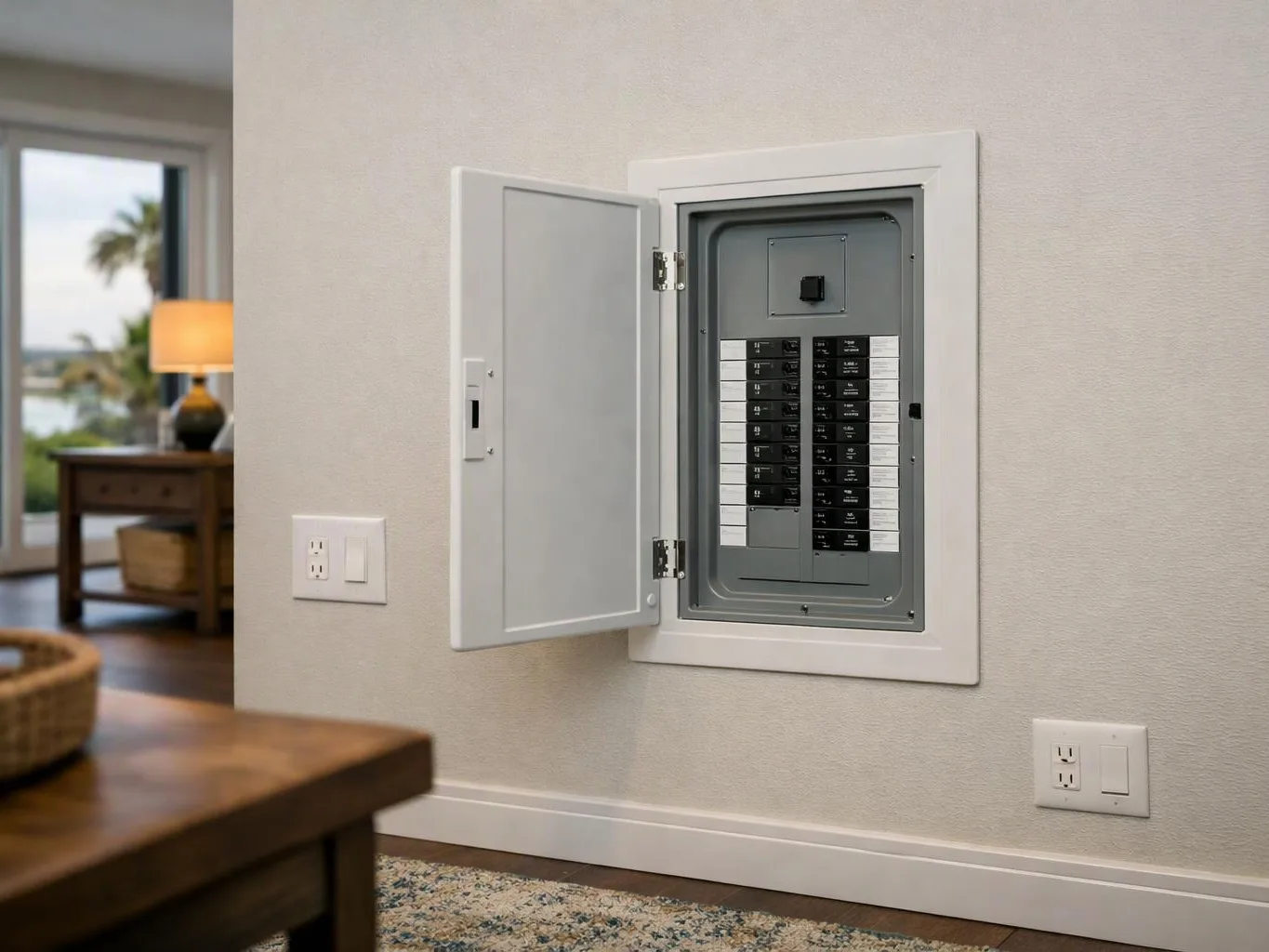
The key decision is whether the existing main panel and service can support the equipment. We inspect the panel, trace circuits, review grounding, and complete a load calculation before we recommend the installation scope.

This page focuses on equipment fit and connection planning. A standard EV charging installation only charges the vehicle, while bidirectional work also requires equipment that manages power in both directions.

  • Confirm the electric vehicle supports bidirectional power use.
  • Inspect the charging inlet and cable path.
  • Review the main panel and available capacity.
  • Check grounding, breakers, and circuit connections.
  • Match backup loads to the planned electrical setup.
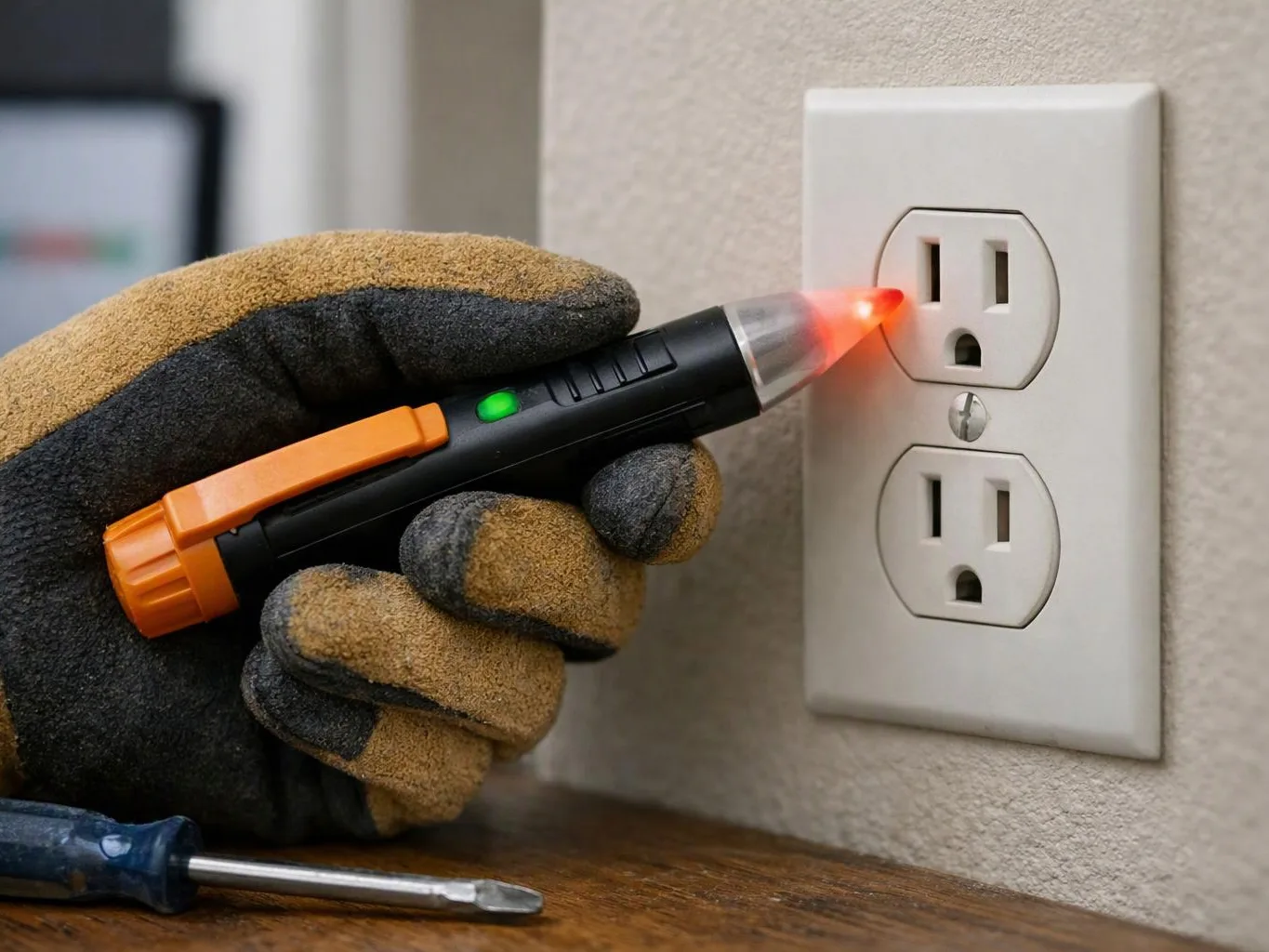
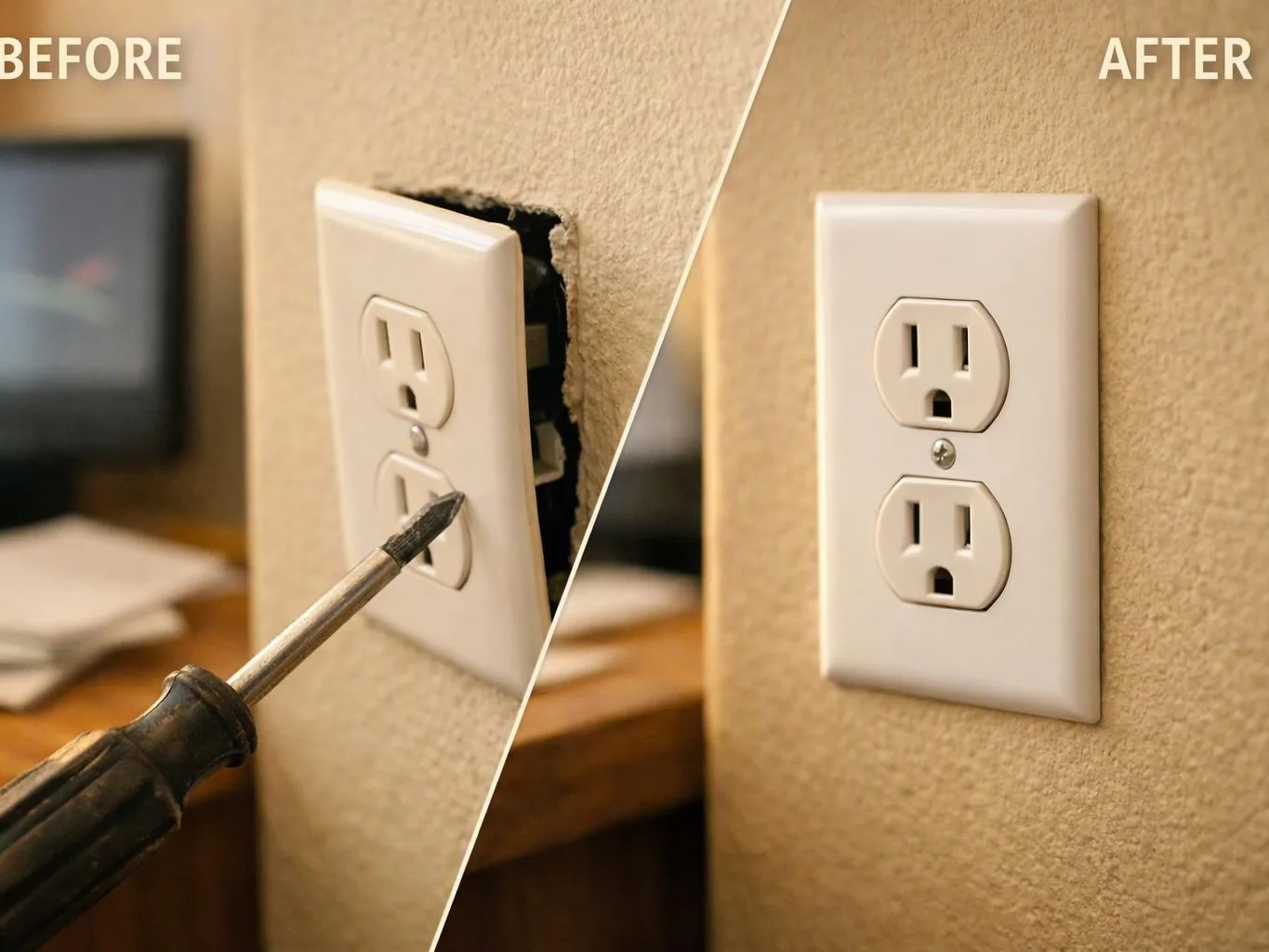
A split before-and-after image shows a screwdriver fixing a wall outlet, then the outlet neatly installed on a beige wall

Service Overview

Bidirectional EV backup-power installation is an electrical service that connects an electric vehicle to approved equipment for two-way power flow.

  • EV charging installation sends power into the vehicle, while bidirectional equipment also manages power moving back toward selected property circuits.
  • We provide this work for homes and businesses in Home Gardens.

What Customers Get From This EV Power Installation

Equipment fit before installation

The main decision is equipment compatibility. We check the EV, charging inlet, panel, and planned loads before setting the installation scope.

Panel capacity review

A bidirectional system needs a suitable electrical path. We use circuit tracing and load review to identify panel or subpanel work that the project may require.

A clear limit for this service

This work is not the right job for a vehicle or charging inlet that does not support bidirectional power. We identify that fit issue before installation begins.

Process

How We Complete the EV Backup-Power Installation

1

Check the vehicle and charging inlet

We confirm the EV and charging inlet support the planned bidirectional connection, then inspect the cable path and connection points.

2

Review the main panel

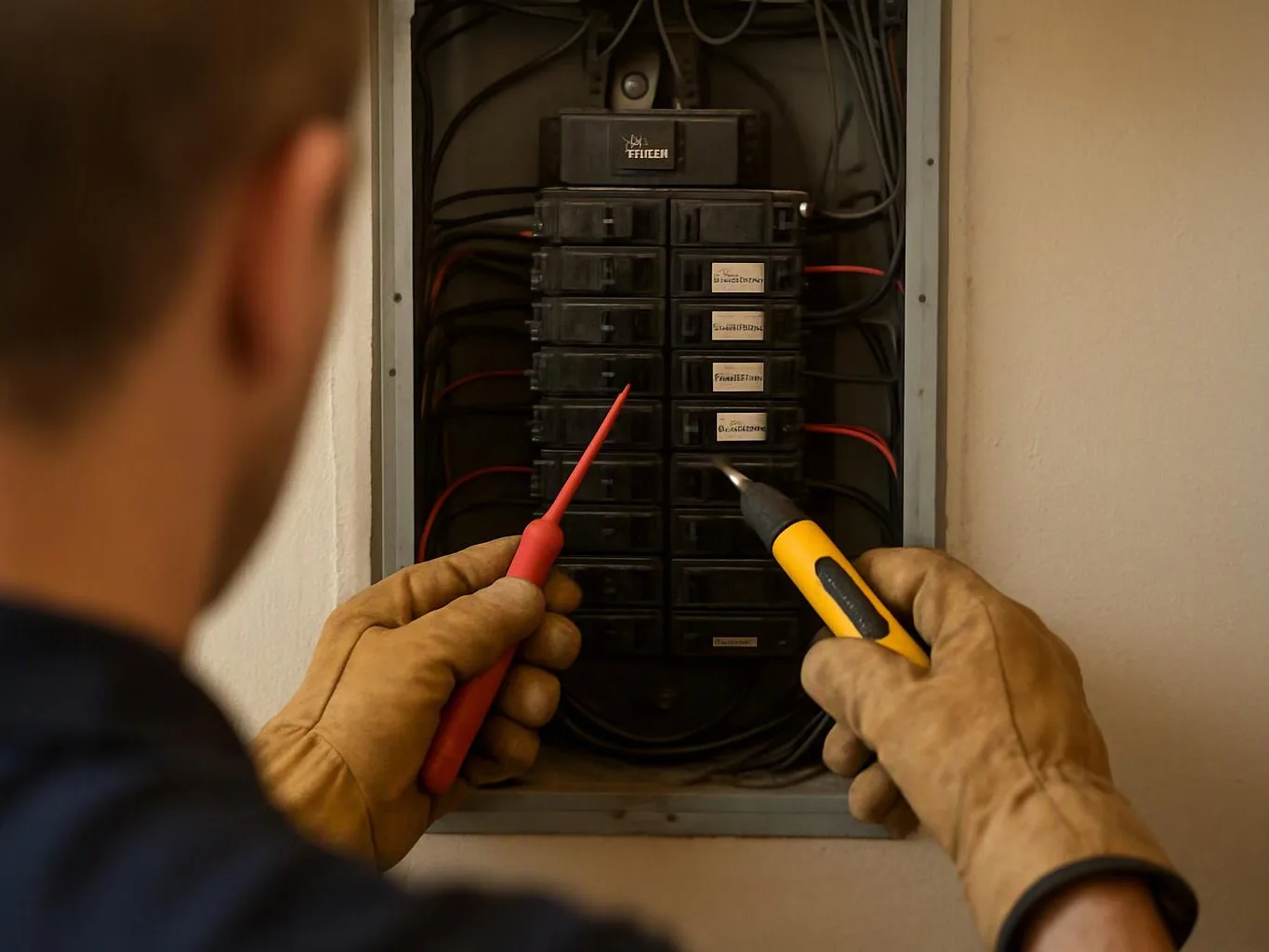
We inspect breakers, grounding, circuit capacity, and panel condition. A load calculation helps define the electrical work.

3

Set the backup circuit scope

We identify the circuits that the system will support and explain any panel, subpanel, or wiring changes in the quote.

4

Install and connect equipment

We install or connect the approved equipment and complete the electrical connections within the agreed scope.

5

Test power flow and safety

We test breakers, grounding, circuit connections, and the bidirectional power path before explaining the finished setup.

What This EV Backup-Power Work Changes

The electric vehicle becomes part of a planned backup-power setup.

Selected electrical loads receive a clear connection plan.

A load calculation helps identify panel capacity concerns before installation.

Testing checks whether breakers, grounding, and connection points work together.

The property owner receives a defined scope for the EV and main panel.

What the Bidirectional EV Backup-Power Installation Includes

Center Electric Service provides comprehensive Bidirectional EV backup-power installation in Home Gardens. Here's what you get:

  • We inspect the electric vehicle and confirm the planned equipment matches its power connection.
  • We check the charging inlet, wiring path, disconnects, and connection points.
  • We review the main panel and complete a load calculation for the planned loads.
  • We install or connect the required bidirectional power equipment within the agreed work scope.
  • We test circuits, grounding, breakers, and power-flow connections after installation.
  • We explain the finished setup and identify the circuits connected to backup power.

EV Charging and Bidirectional Backup-Power Choices

These options differ by the direction of power flow and the equipment the property needs.

Electrical optionPower directionMain planning focus
Standard EV charging installationProperty to electric vehicleCharging circuit, inlet, breaker, and panel capacity
Bidirectional EV backup-power installationProperty to vehicle and vehicle toward selected circuitsCompatible vehicle, control equipment, backup loads, panel, and grounding

The Center Electric Service Standard

  • Urgent Assistance
  • Issue Diagnosis
  • Safety First
  • Clear Recommendations

Questions About EV Backup-Power Installation

What equipment is needed for bidirectional EV backup-power installation?

Energy management equipment needs a compatible electric vehicle, charging inlet, control hardware, suitable wiring, breakers, and a sound main panel. We check each connection before quoting the work. The final equipment list also depends on the backup circuits and the vehicle's approved power features.

What does the crew look at first during this installation?

The electric vehicle and charging inlet come first because they determine whether two-way power connections are possible. We then inspect the main panel, grounding, breakers, and wiring path. Those checks help us define the safe installation scope before equipment is connected.

What should be checked before the installation is scheduled?

The vehicle's bidirectional capability, charging inlet, main panel, circuit capacity, grounding, and planned backup loads should be checked first. We also need access to the electrical equipment. This review helps identify panel or wiring work that belongs in the quote.

Which part of the job changes the installation price?

The main panel and wiring path often shape the installation price because added circuit work changes the project scope. We review panel capacity, grounding, breakers, cable access, and selected backup loads. A quote reflects those site-specific requirements, not a preset amount.

How does bidirectional work differ from EV charging installation?

Bidirectional equipment manages power into the vehicle and back toward selected property circuits. Standard EV charging sends power into the vehicle only. We inspect the panel and control connections more broadly because backup-power use adds another direction of electrical flow.

When is a panel upgrade part of this project?

A panel upgrade becomes part of the project when the existing panel cannot support the planned EV equipment and backup loads. We make that decision after inspecting breakers, wiring, grounding, and available capacity. The quote will show panel work separately from the vehicle connection.

Why does the main panel trip during EV backup-power use?

The main panel can trip when connected equipment and property loads exceed available circuit capacity. We test the affected breaker, trace the circuit, inspect wiring, and review the load calculation. Do not keep resetting a breaker that trips repeatedly, especially if the panel smells hot or buzzes.

Bidirectional EV backup-power installation in Other Areas

Contact

Request a Free Estimate for EV Backup-Power Installation in Home Gardens

Request a free estimate for your bidirectional EV backup-power installation, and urgent requests get priority scheduling.

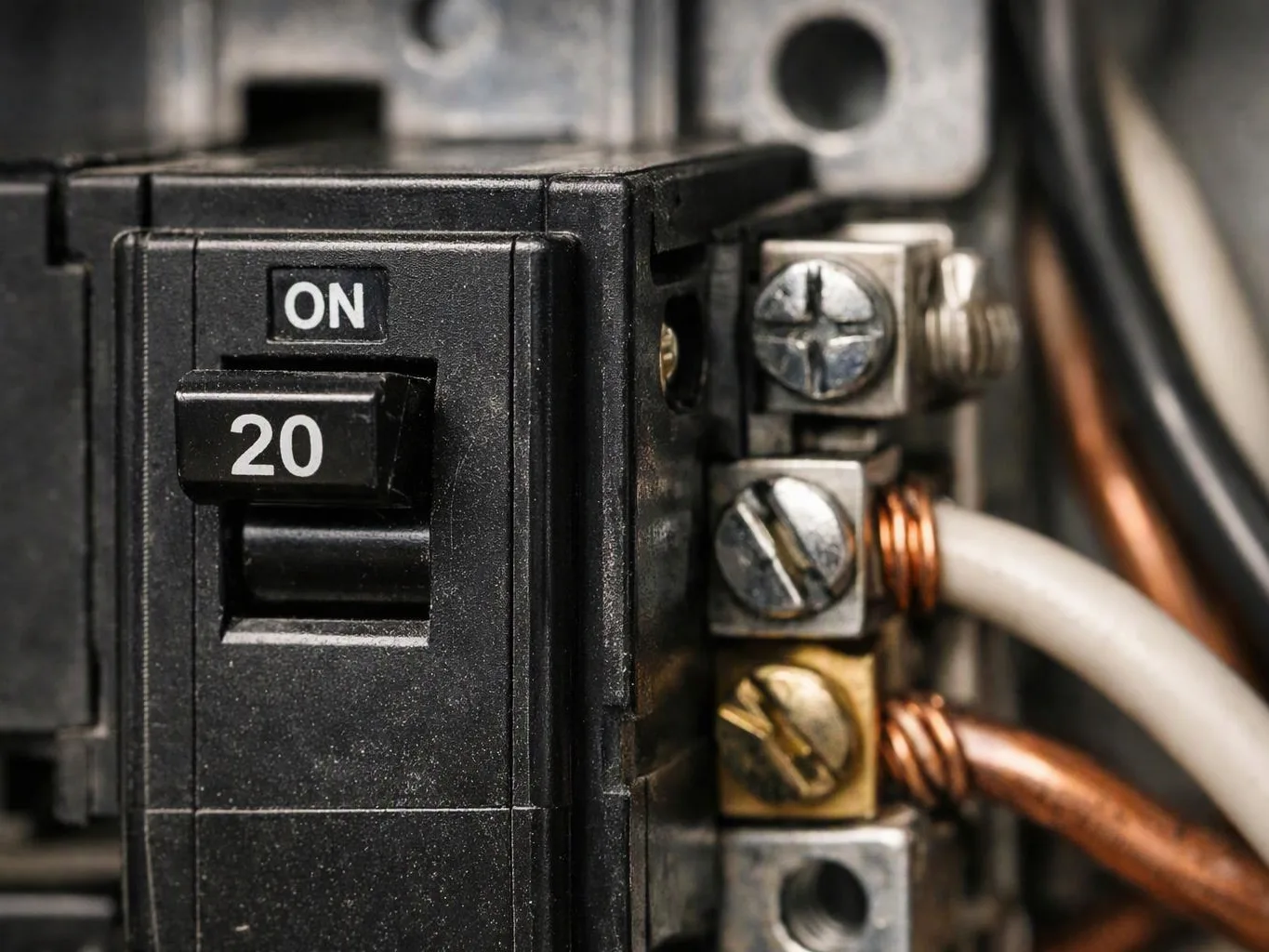
Close-up of a black 20-amp breaker switch with attached electrical wires and metal terminals
(951) 577-3540