Skip to content

Bidirectional EV Backup-Power Installation in Loma Linda, California

When an electric vehicle needs equipment replacement, the scope differs from a simple adjustment in Loma Linda. We check the charging inlet, energy management, and main panel before work starts.

Licensed & InsuredFree EstimatesSame-Day ServiceServing 61 Communities

How We Serve Clients in Loma Linda

Bidirectional EV backup-power installation in Loma Linda is provided by Center Electric Service for homeowners and businesses. The service covers equipment checks, charging inlet work, energy management, and main panel connections, with phone support available around the clock.

  • What we do: Center Electric Service provides bidirectional EV backup-power installation for homes and businesses in Loma Linda, California.
  • What is included: Charging inlet checks, energy management setup, main panel assessment, circuit tracing, load calculation, and testing.
  • What you get: The property receives a checked and connected backup-power system that matches the available electrical equipment.

Why does bidirectional EV backup power stop working after an equipment change?

A changed charging inlet, energy management unit, or main panel connection can interrupt bidirectional power exchange. We trace the circuit, check connections, and test the system before recommending repair or replacement.
Bidirectional EV Backup-Power Installation for Loma Linda Properties

Bidirectional EV backup-power installation connects an electric vehicle system with the property's electrical equipment. The job may include a charging inlet, energy management controls, circuit tracing, and a main panel review.

The key buyer decision is whether existing equipment needs an adjustment or replacement. We inspect the current setup first, then explain which parts need work and how the connection will be tested. This page focuses on equipment fit, not a general electrical repair visit.

  • Confirm whether the charging inlet needs adjustment or replacement.
  • Review the main panel and available electrical capacity.
  • Check energy management controls and connection points.
  • Trace circuits before connecting backup-power equipment.
  • Test power flow after installation work is complete.
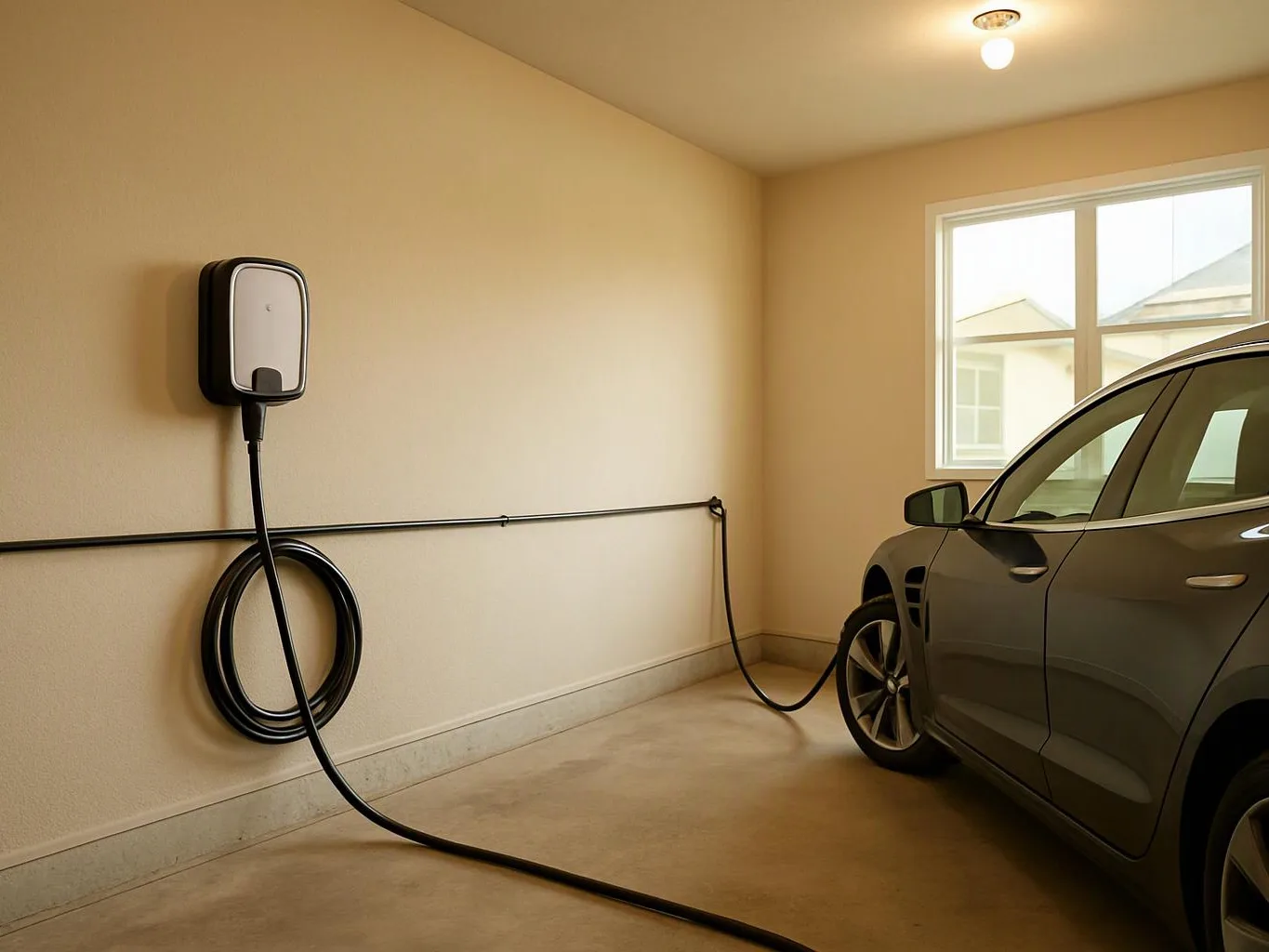
An electric car charges in a beige garage beside a wall-mounted charger and window

Service Overview

Bidirectional EV backup-power installation is an electrical service that lets compatible vehicle equipment exchange power with a property.

  • This work differs from basic EV charging installation because it checks both power delivery to the vehicle and power flow back to the property.
  • We provide this service for homes and businesses in Loma Linda.
Process

How We Complete the Bidirectional EV Backup-Power Installation

1

Inspect the existing equipment

We inspect the charging inlet, vehicle connection, energy management controls, and main panel.

2

Calculate the electrical load

We review the property's electrical demand and identify panel or circuit limits that affect the planned work.

3

Trace the connection path

We trace circuits and check the wiring path between the vehicle equipment and the main panel.

4

Set the installation scope

We explain whether the work calls for an adjustment, equipment replacement, or related panel work.

5

Connect and test the system

We complete the supported electrical connections and test power flow through the equipment.

How We Approach Bidirectional EV Backup-Power Work

Equipment fit before connection

The charging inlet, energy management controls, and main panel must work together. We check those points before setting the work scope.

Load calculation guides the plan

The property's electrical load affects the equipment path and panel work. We use the load calculation to explain the practical choices.

A clear limit protects the project

This service is the wrong job for a property that only needs standard EV charging or a separate electrical repair. We identify that difference before installation.

What Customers Gain From Bidirectional EV Backup Power

You get a clearer answer about which equipment needs adjustment or replacement.

A load calculation helps match the planned work to the property's electrical capacity.

Energy management checks help organize power flow between the vehicle and the property.

Testing gives you a documented point of reference after the electrical work.

Homeowners and businesses can plan the project around their existing panel and circuits.

What This Bidirectional EV Backup-Power Work Includes

Center Electric Service provides comprehensive Bidirectional EV backup-power installation in Loma Linda. Here's what you get:

  • We inspect the charging inlet and its connection to the electrical system.
  • We review the main panel and perform a load calculation for the planned equipment.
  • We check energy management controls that direct power between the vehicle and property.
  • We trace related circuits before making connections or corrections.
  • We install supported electrical equipment for bidirectional power exchange.
  • We test the completed connections and explain the work performed.

Equipment Decisions for Bidirectional EV Backup Power

This table compares the main equipment questions we review before setting the installation scope.

Equipment areaWhat we checkWhy it matters
Charging inletConnection, condition, and wiringIt affects whether power can move between the vehicle and property.
Energy managementControls, settings, and power pathIt directs power use and supports the planned operating mode.
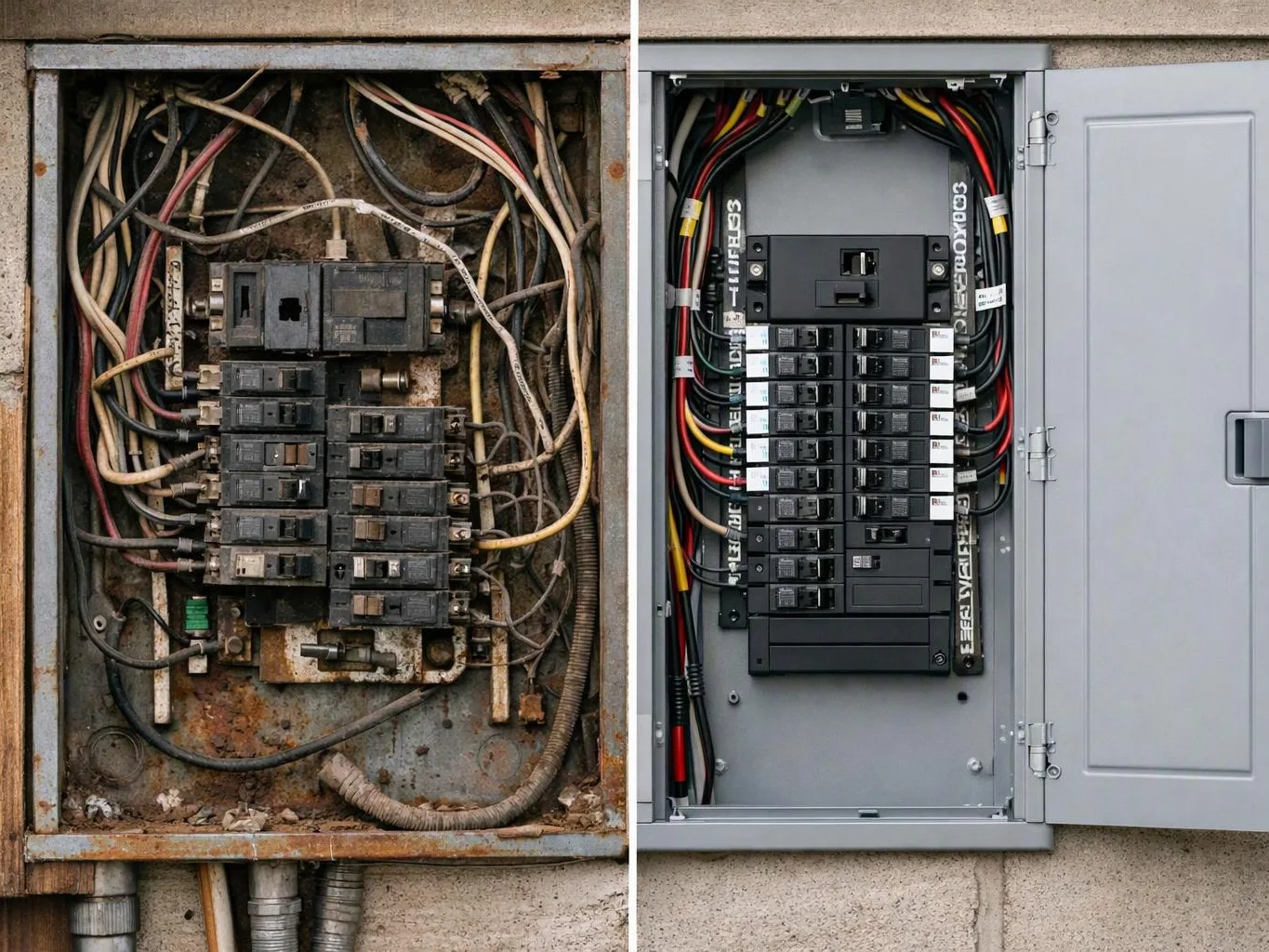
Main panelCapacity, circuits, and connection spaceIt determines how the equipment ties into the property.

The Center Electric Service Standard

  • Urgent Assistance
  • Issue Diagnosis
  • Safety First
  • Clear Recommendations

Questions About Bidirectional EV Backup-Power Equipment

What equipment is needed for bidirectional EV backup-power installation?

Center Electric Service installs and checks the charging inlet, energy management equipment, circuit connections, and main panel interface.

  • The charging inlet connects the vehicle system.
  • Energy management controls power direction and use.
  • The main panel ties the equipment to the property.
  • Testing confirms the completed connection.

How is the system matched to the property before work starts?

Property matching starts with a load calculation and an inspection of the main panel. We review circuit capacity, the charging inlet, and energy management controls before setting the installation scope. Circuit tracing helps confirm the connection path. The review shows whether the property needs adjustment work, replacement equipment, or related panel service.

Which property condition changes the installation scope?

Main panel capacity changes the installation scope when the existing electrical system cannot support the planned equipment. We also check the charging inlet, circuit path, wiring condition, and energy management controls. Those findings determine whether we adjust one connection or plan broader electrical work. The estimate explains the parts tied to that condition.

What should be ready before the installation starts?

Access to the vehicle equipment, charging inlet, energy management controls, and main panel should be ready before work starts. Photos of labels and equipment can help us prepare for the estimate. Keep the panel area accessible, and share any warning messages or recent equipment changes. We still inspect the system before setting the final scope.

When does a charging inlet need replacement?

A charging inlet needs replacement when inspection shows damage or a failed connection that adjustment cannot correct. We check the inlet, wiring, terminals, and related controls before recommending that step. A vehicle that charges but cannot exchange backup power needs testing across the full connection path. The result guides the repair or replacement decision.

Why does the main panel matter in this installation?

The main panel matters because it connects the property circuits with the bidirectional equipment. We check panel capacity, circuit routing, grounding points, and connection space during the assessment. A panel review also helps separate an equipment problem from a wider electrical issue. The panel condition can change the work needed for a safe connection.
Contact

Request a Free Estimate for Bidirectional EV Backup Power in Loma Linda

Get a clear equipment and panel assessment for your planned installation. Urgent requests get priority scheduling.

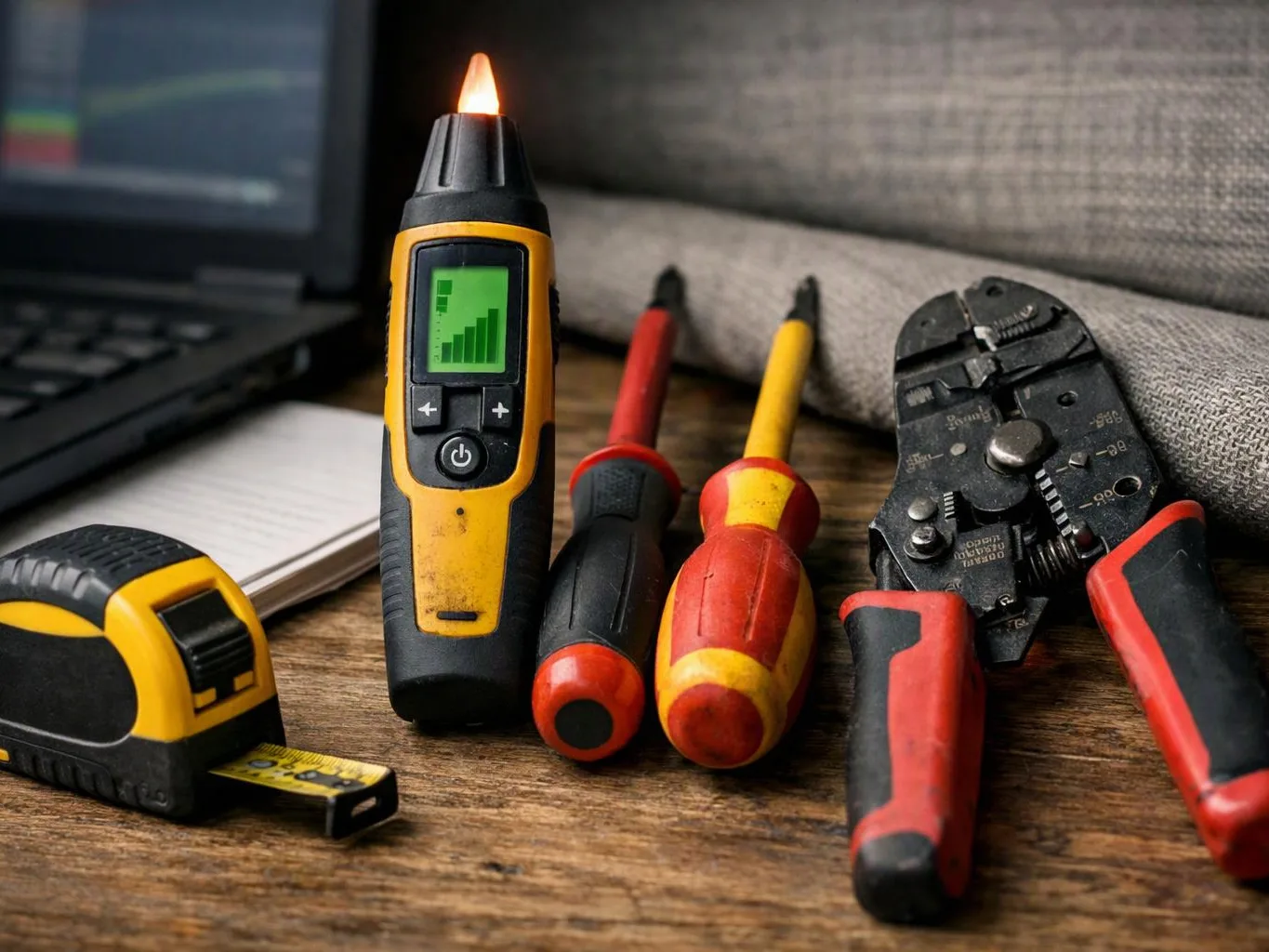
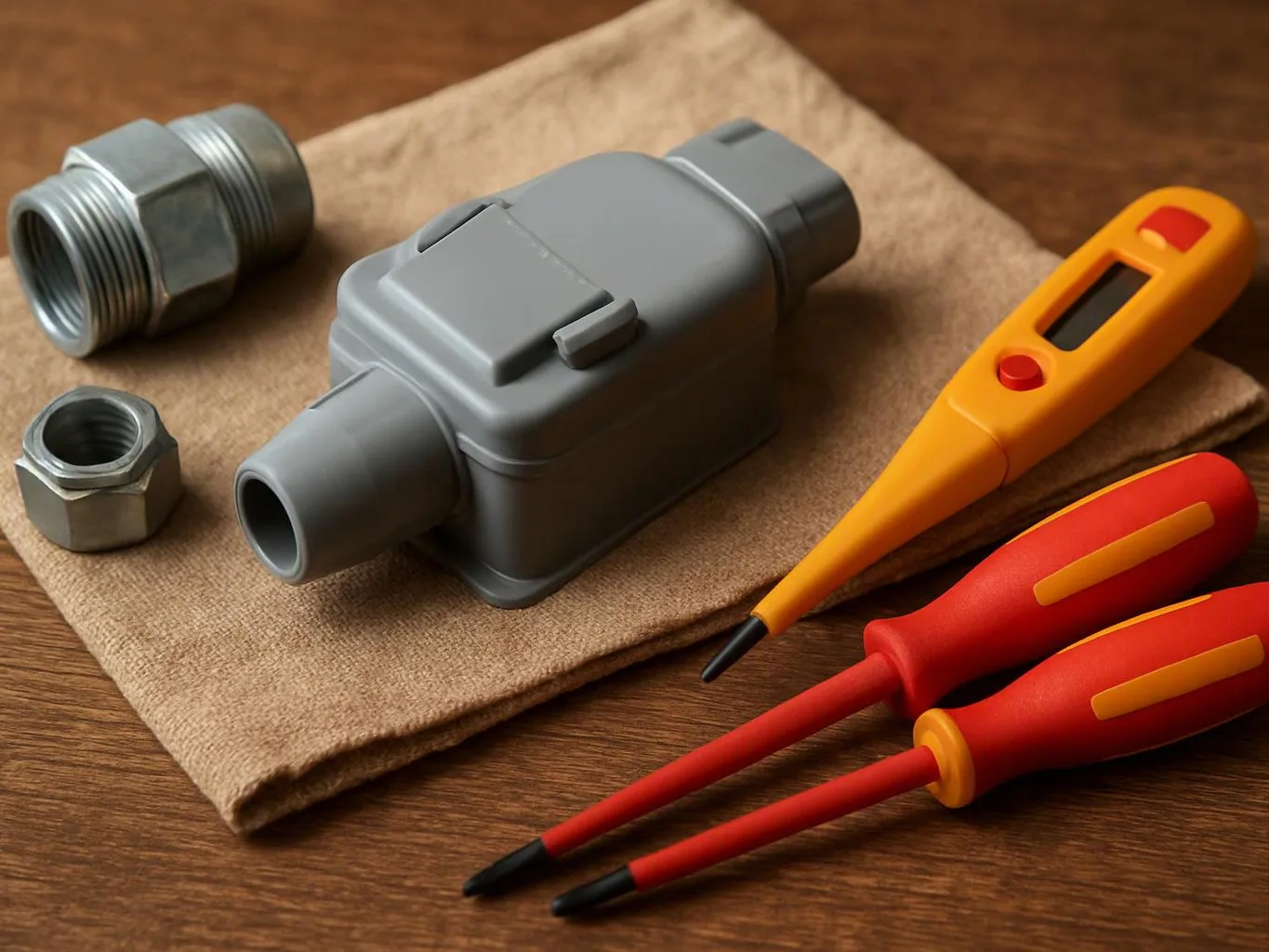
Electrical fittings and test tools rest on a folded cloth on a wooden table

ZIP Codes We Serve in Loma Linda, California

923509235492357

Bidirectional EV backup-power installation in Other Areas

(951) 577-3540