
Skip to content

Carbon Monoxide Detector Installation in Lake Arrowhead

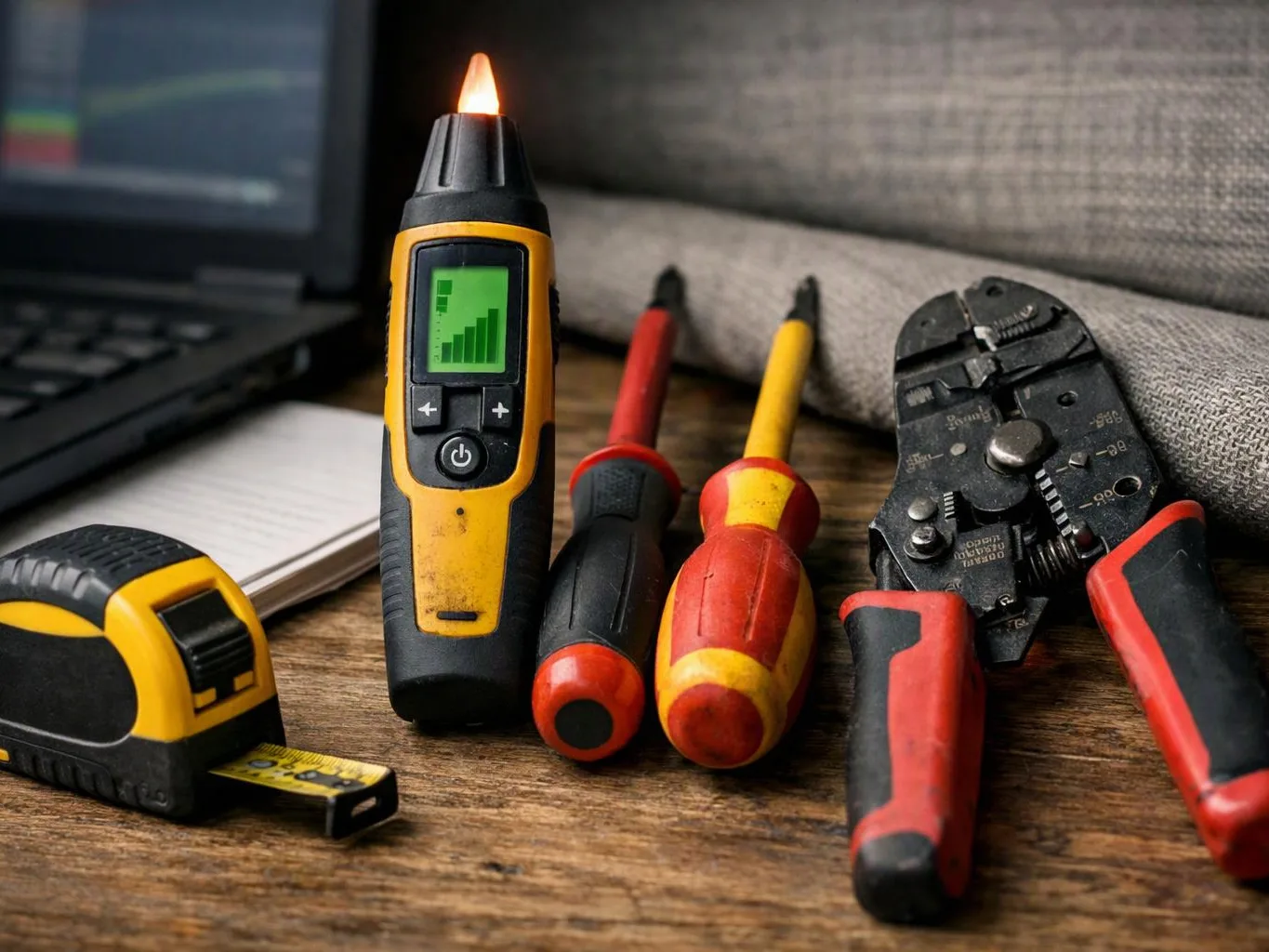
A digital display helps prevent silent alarm confusion in Lake Arrowhead. We install carbon monoxide detectors for homes and businesses.

Licensed & InsuredFree EstimatesSame-Day ServiceServing 61 Communities

Quick Summary: Carbon Monoxide Detector Installation in Lake Arrowhead, California

Carbon Monoxide Detector Installation in Lake Arrowhead is provided by Center Electric Service for homes and businesses. The service covers detector placement, power connections, alarm controls, and battery backup, with phone service available 24 hours.

  • What we do: Center Electric Service provides Carbon Monoxide Detector Installation for Lake Arrowhead, California homes and businesses.
  • What is included: We install plug-in and hardwired detectors, connect battery backup, and check alarm operation.
  • What you get: The property receives a working carbon monoxide alarm with a clear display and suitable power source.

Why does my carbon monoxide detector keep warning me after installation?

A warning can signal carbon monoxide, low battery power, sensor trouble, or an end-of-life alarm. Leave the area if the alarm sounds and call emergency services when danger is suspected. We can inspect the detector, power source, wiring, and surrounding conditions. A replacement may be needed when the sensor has reached its service limit.
Local Expertise in Lake Arrowhead

Carbon monoxide detector installation gives a property an alarm for a gas that people cannot see or smell. The job suits homeowners, landlords, property managers, and businesses that need a new alarm or a safer replacement.

The buyer's key choice is the detector type. A plug-in model uses an existing outlet, while a hardwired detector connects to the building's electrical system. Battery backup keeps the alarm powered during an outage when the unit supports that feature.

A digital display is useful when the alarm records a carbon monoxide reading or shows a fault message. We explain what the display means, but an alarm should never be ignored. Leave the property when an active warning suggests immediate danger, then seek emergency help.

  • Choose between a plug-in detector and a hardwired detector.
  • Check whether the selected unit includes battery backup.
  • Confirm that the alarm display and controls are easy to read.
  • Review the detector's power connection and alarm condition.
  • Request a quote based on the property and installation scope.
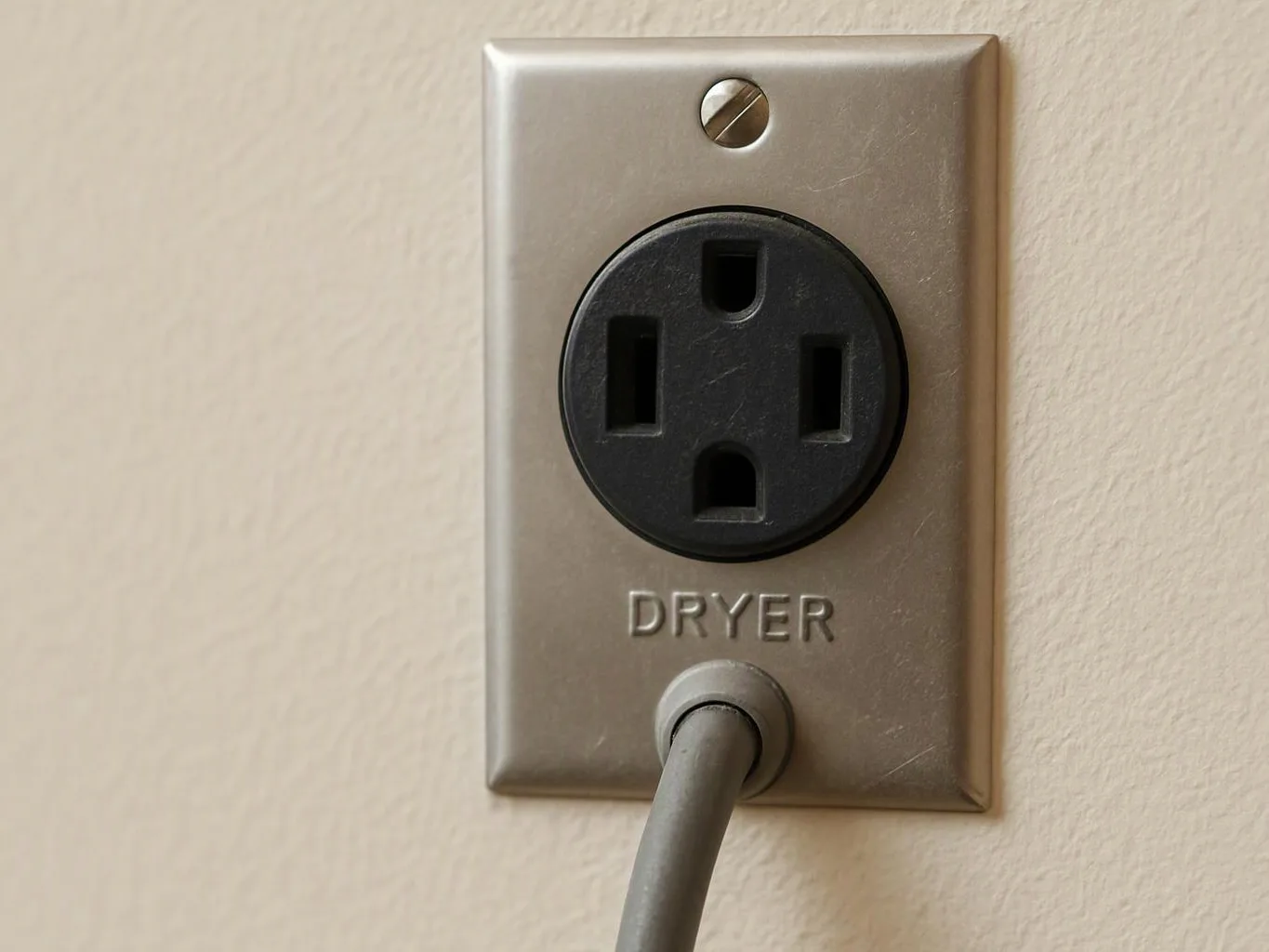
A close-up of a wall outlet labeled DRYER with a plug inserted into it

Service Overview

Carbon monoxide detector installation is the fitting and connection of an alarm that senses this odorless gas.

  • The work differs from electrical troubleshooting because it focuses on alarm placement, power, display controls, and sensor operation.
  • Center Electric Service provides this work for homes and businesses in Lake Arrowhead.

What Carbon Monoxide Detector Installation Includes

Center Electric Service provides comprehensive Carbon Monoxide Detector Installation in Lake Arrowhead. Here's what you get:

  • We review the detector type and the property's available power source.
  • We install a plug-in detector when an existing outlet suits the selected unit.
  • We connect a hardwired detector to the electrical system when that option fits the work.
  • We fit or check battery backup where the detector supports it.
  • We test the alarm controls and explain the digital display.
  • We identify electrical concerns that need separate troubleshooting or repair.
Process

How We Install Carbon Monoxide Detectors

1

Review the detector and property

We discuss the detector type, property use, existing alarms, and the reason for the installation.

2

Check the power connection

We inspect the outlet or wiring that will supply the alarm. The check helps separate detector work from a larger electrical repair.

3

Install the selected detector

We fit the plug-in or hardwired detector and connect battery backup when the selected unit supports it.

4

Test the alarm controls

We check the alarm function, display, power status, and user controls, then explain the result in plain language.

What You Get From This Detector Installation

A detector matched to the power source

The power connection matters because plug-in and hardwired detectors need different installation steps. We check the available setup before recommending the work. This service is the wrong job when the property has an active carbon monoxide alarm or suspected gas exposure, because safety evacuation and emergency response come first.

Plain guidance for display warnings

We explain the digital display, alarm controls, and battery backup. You leave with a clearer view of what each warning means.

Electrical work for both property types

Our residential and commercial electrical experience supports detector work in homes, offices, and other business spaces.

What New Carbon Monoxide Detectors Change

A digital display gives you more information than an alarm tone alone.

Battery backup helps keep the alarm powered during an electrical outage.

A hardwired connection can provide a fixed power source for the selected detector.

Clear alarm instructions help household members and staff respond safely.

A planned installation helps you decide whether a replacement or electrical repair is needed.

Detector Options For This Installation

The table compares the main detector choices by power source and user information.

Detector optionPower sourceUseful feature
Plug-in detectorExisting electrical outletSimple access to the unit
Hardwired detectorProperty electrical wiringFixed electrical connection
Battery backupBackup battery where supportedPower support during an outage

The Center Electric Service Standard

  • Urgent Assistance
  • Issue Diagnosis
  • Safety First
  • Clear Recommendations

Questions About Carbon Monoxide Detector Installation

What type of carbon monoxide detector should be installed?

A digital display detector is a strong choice when you want readings or fault information. Plug-in models suit properties with a suitable outlet, while hardwired units fit projects that call for a fixed electrical connection. Battery backup adds power protection during outages. We compare these features with the property's electrical setup before installation.

What does the crew look at first during detector installation?

The power source comes first because the connection determines whether a plug-in or hardwired detector fits. We also review the existing alarm, display, controls, and battery backup option. That inspection helps us identify separate wiring concerns before we set the work scope.

What should be checked before installation is scheduled?

The existing detector, available outlet or wiring, property use, and access should be checked first. We also need to know whether the alarm shows a fault or sounds continuously. An active warning requires immediate safety action, not routine scheduling, until the property is safe.

Who is a good fit for this service, and who needs different help?

Homeowners, landlords, property managers, and businesses are good fits for planned detector installation. Active carbon monoxide exposure needs emergency action and evacuation first. Electrical faults such as dead outlets or damaged wiring may also require troubleshooting before the detector can be installed.

Which installation detail changes the estimate?

The detector type and power connection affect the estimate most. A plug-in unit may use an existing outlet, while a hardwired detector can require electrical access and connection work. Access, battery backup, and repairs found during inspection also shape the scope. We explain those factors in the free estimate.

How does a hardwired detector differ from a plug-in model?

A hardwired detector connects to the property's electrical wiring, while a plug-in detector uses an outlet. Hardwired work requires a check of the electrical connection and available access. A plug-in model may fit when the outlet is suitable. We select the approach after reviewing the property and detector requirements.

When should an existing detector be replaced?

An existing detector should be replaced when it shows a fault, fails its controls, or reaches the end of its service life. Repeated warnings also need attention because they can indicate gas, power, or sensor trouble. We inspect the unit and electrical connection before recommending replacement or separate troubleshooting.
Contact

Get A Free Estimate For Detector Installation

Request your carbon monoxide detector installation estimate in Lake Arrowhead, and urgent requests get priority scheduling.

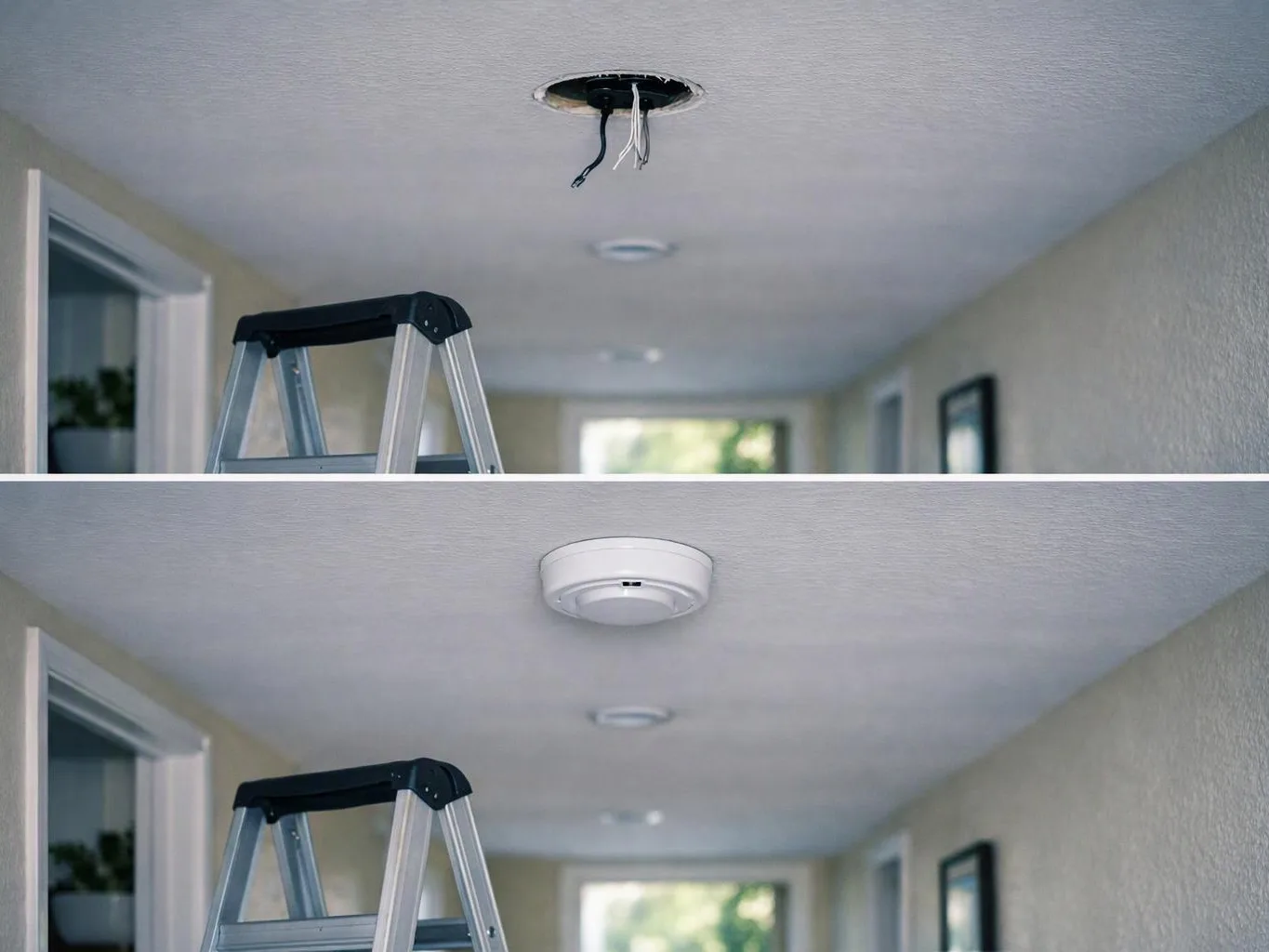
A hallway ceiling shows a smoke detector being replaced on a ladder, with the new white detector installed below

ZIP Codes We Serve in Lake Arrowhead, California

92352

Carbon Monoxide Detector Installation in Other Areas

(951) 577-3540