What can cause carbon monoxide detector installation issues?
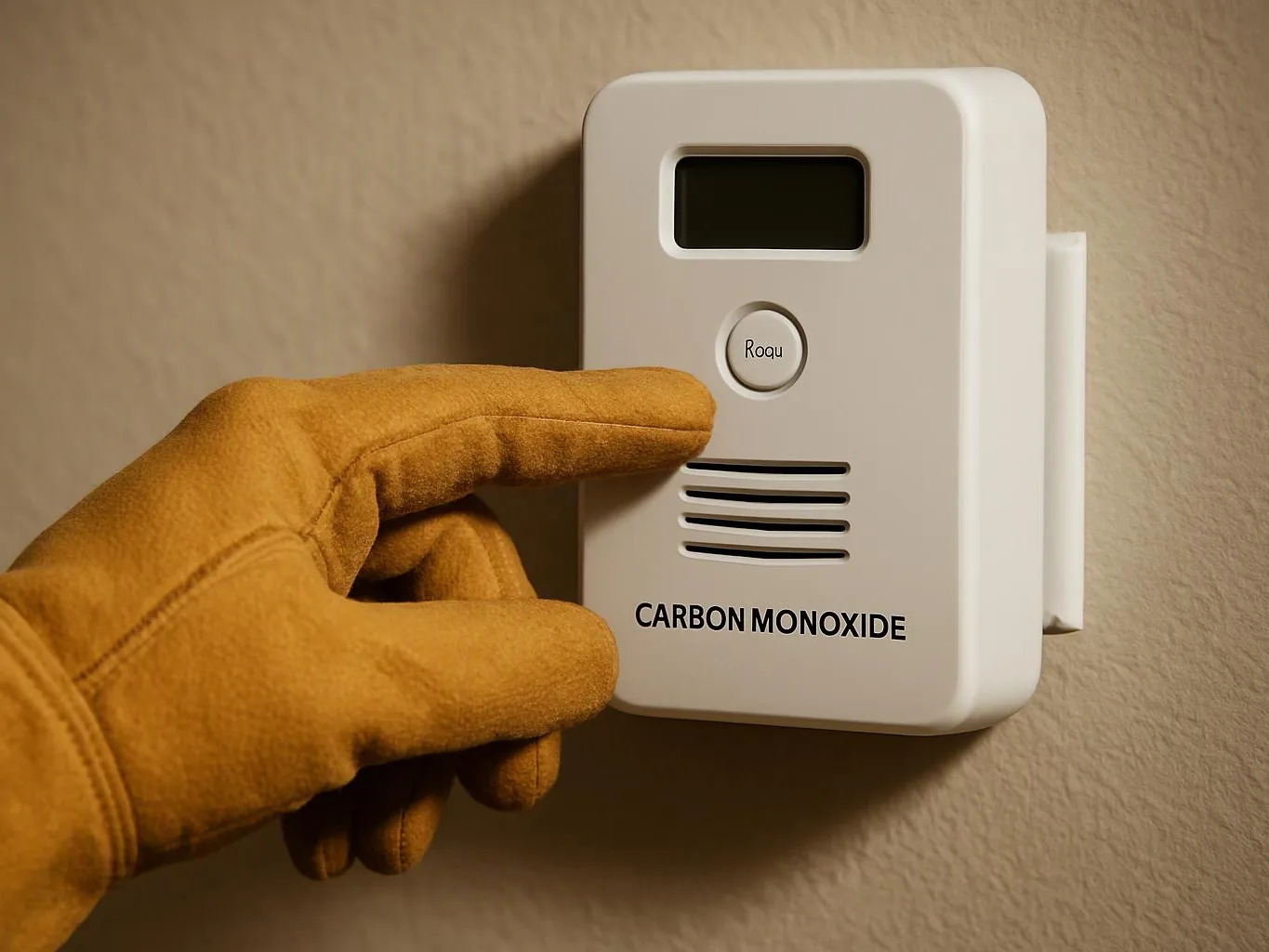
Improper placement is the main setup concern, while blocked vents, low batteries, and sensor failure can create other issues. We inspect the location, access, battery compartment, and power connection. If the detector sits near an obstruction, we explain whether relocation is suitable. A confirmed carbon monoxide event needs immediate safety action beyond routine installation.
What does the crew look at first during detector installation?
The proposed location comes first because access and warning audibility shape the installation. We then check nearby vents, visible obstructions, and the detector’s power source. A hardwired unit receives a connection check, while a battery unit receives a battery and compartment check. Those findings define the installation scope.
What should be checked before installation is scheduled?
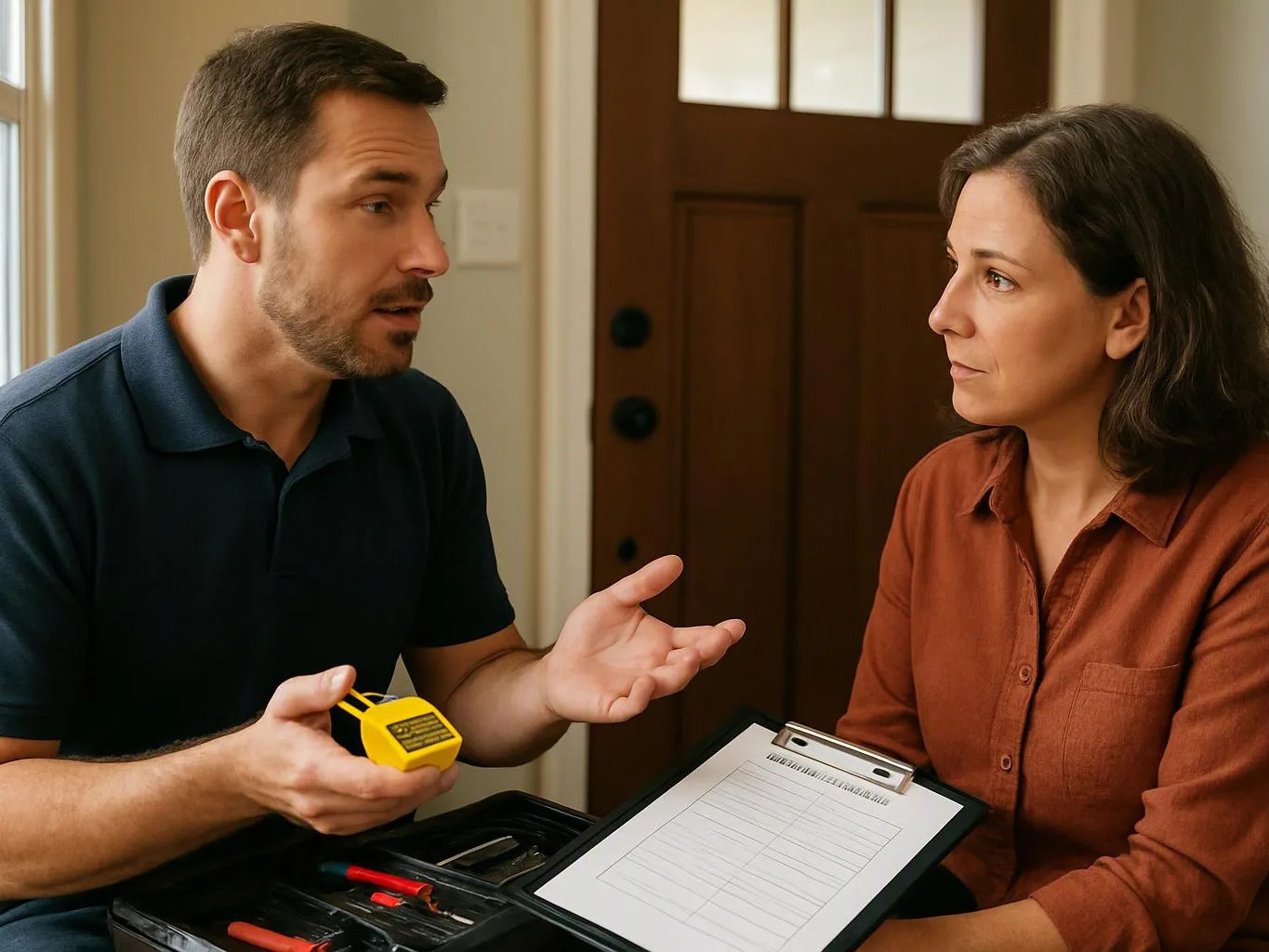
The detector location, power type, access, and visible wiring should be checked before scheduling. We also need to know whether the unit is new, already installed, or giving a warning. Photos of the detector and surrounding area can help explain the request, but we still assess the site before setting the final scope.
Who is a good fit for detector installation, and who needs a different service?
Homeowners and businesses needing a new detector, relocation, or power check are good fits for this service. We handle the installation and related electrical checks. A confirmed carbon monoxide alarm, active burning smell, or wider electrical hazard needs urgent safety action and may require emergency electrical troubleshooting.
Which part of the job changes the estimate?
The power connection and access usually shape the estimate because hardwired work and difficult locations require different labor. Detector relocation, added wiring, blocked access, and separate circuit faults can also change the scope. We review those conditions and provide a quote before the work proceeds.
When should a detector be moved?
A detector should be moved when its location blocks access, limits audibility, or places it beside an obstruction. We inspect the area and check the power connection before recommending relocation. The correct scope may be a move, a new connection, a battery change, or a separate electrical repair.
Why does a detector keep warning after a battery change?
A continuing warning can point to sensor failure, a power issue, or a condition affecting the detector. We inspect the battery compartment, fixed wiring when present, and the surrounding installation area. If the detector itself has failed, installation work may include replacement, while unrelated circuit faults need separate troubleshooting.