What problems can cause flickering lights?
An overloaded circuit, loose wiring, faulty switch, voltage fluctuation, or neutral fault can cause flickering lights. We inspect the fixture, switch, circuit, and panel to separate local faults from wider wiring problems. A burning smell, buzzing panel, or repeated breaker trip needs urgent attention because it can signal a fire risk.
How does a troubleshooting visit move from the first call to the last step?
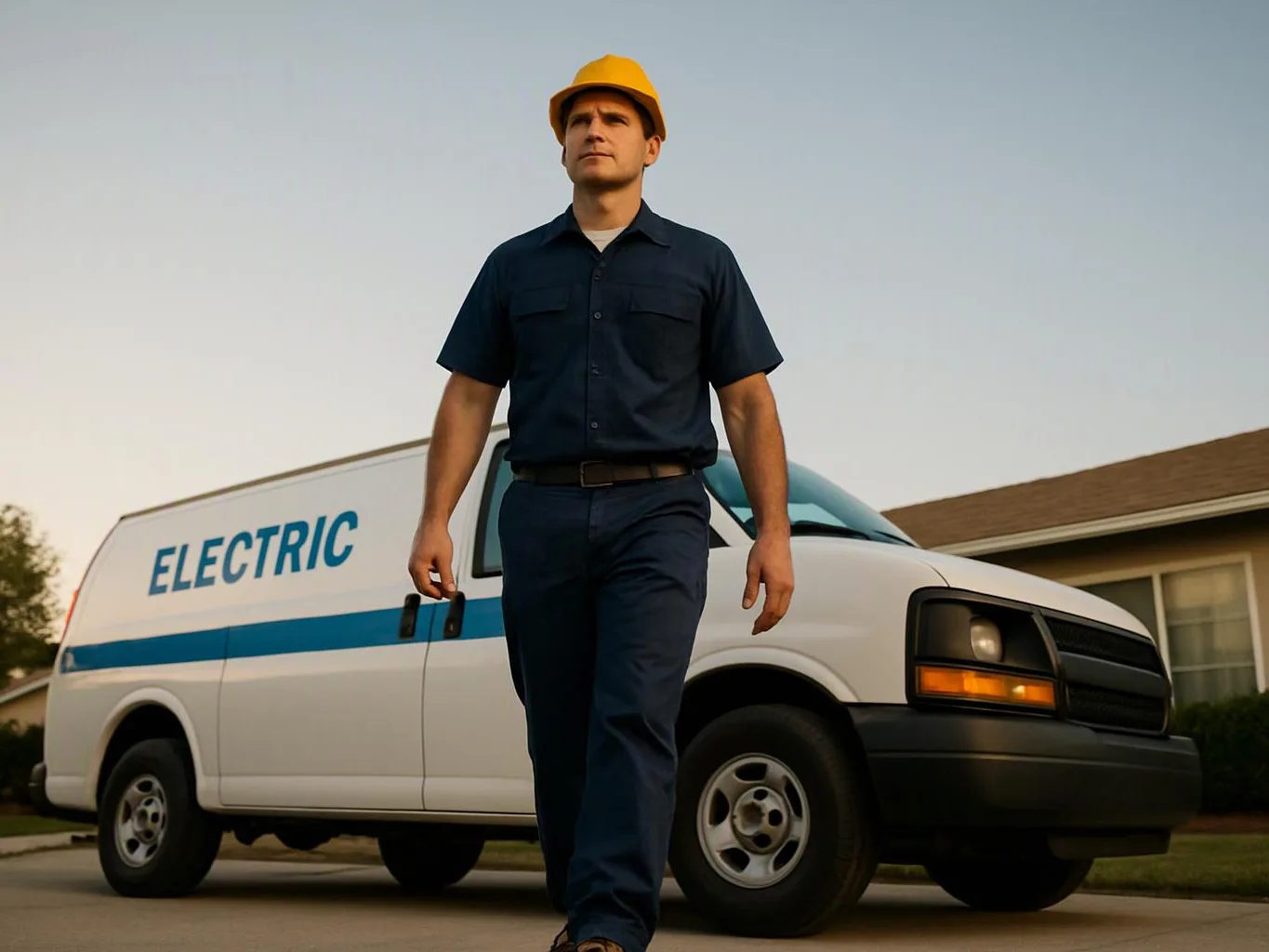
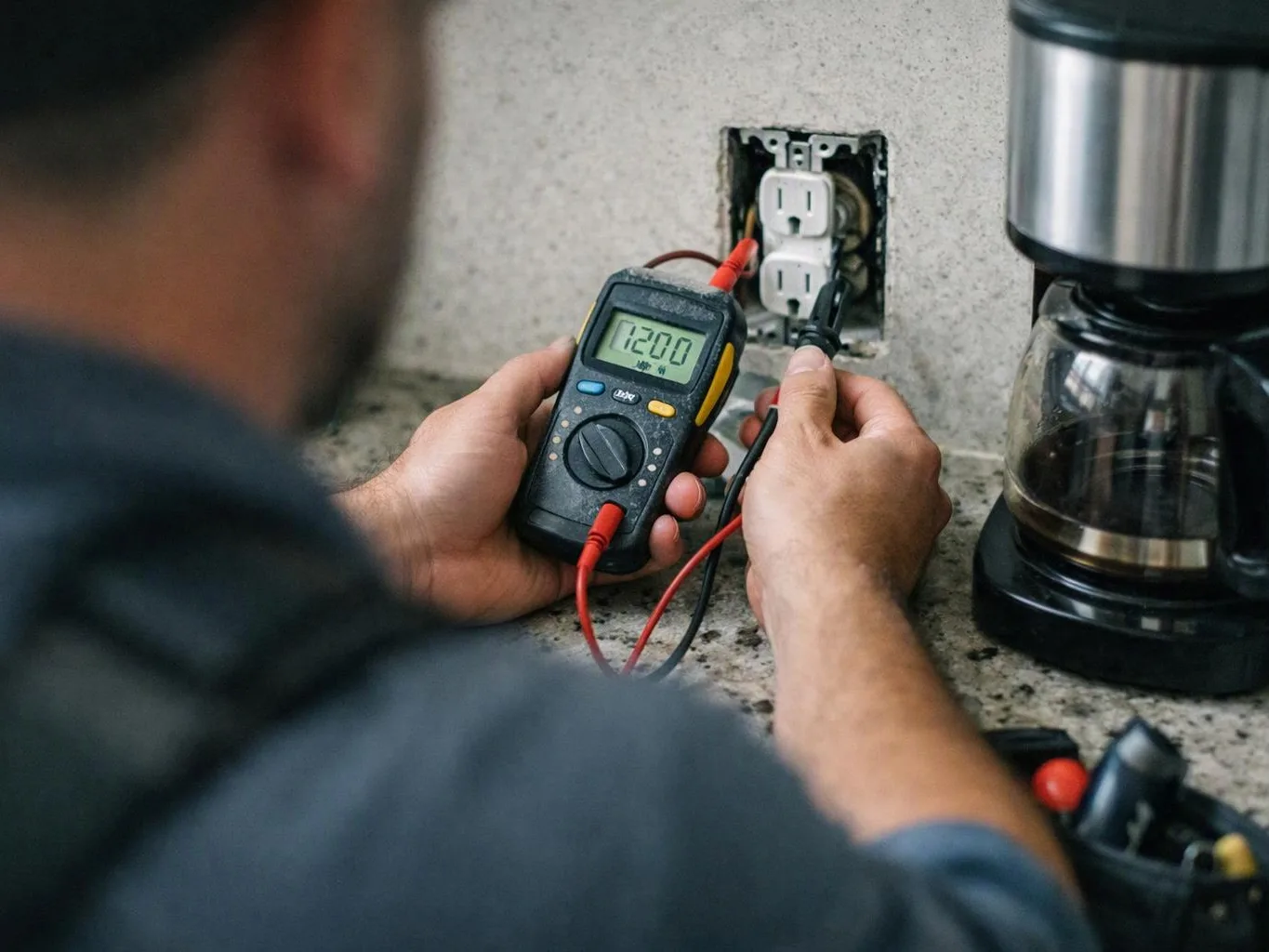
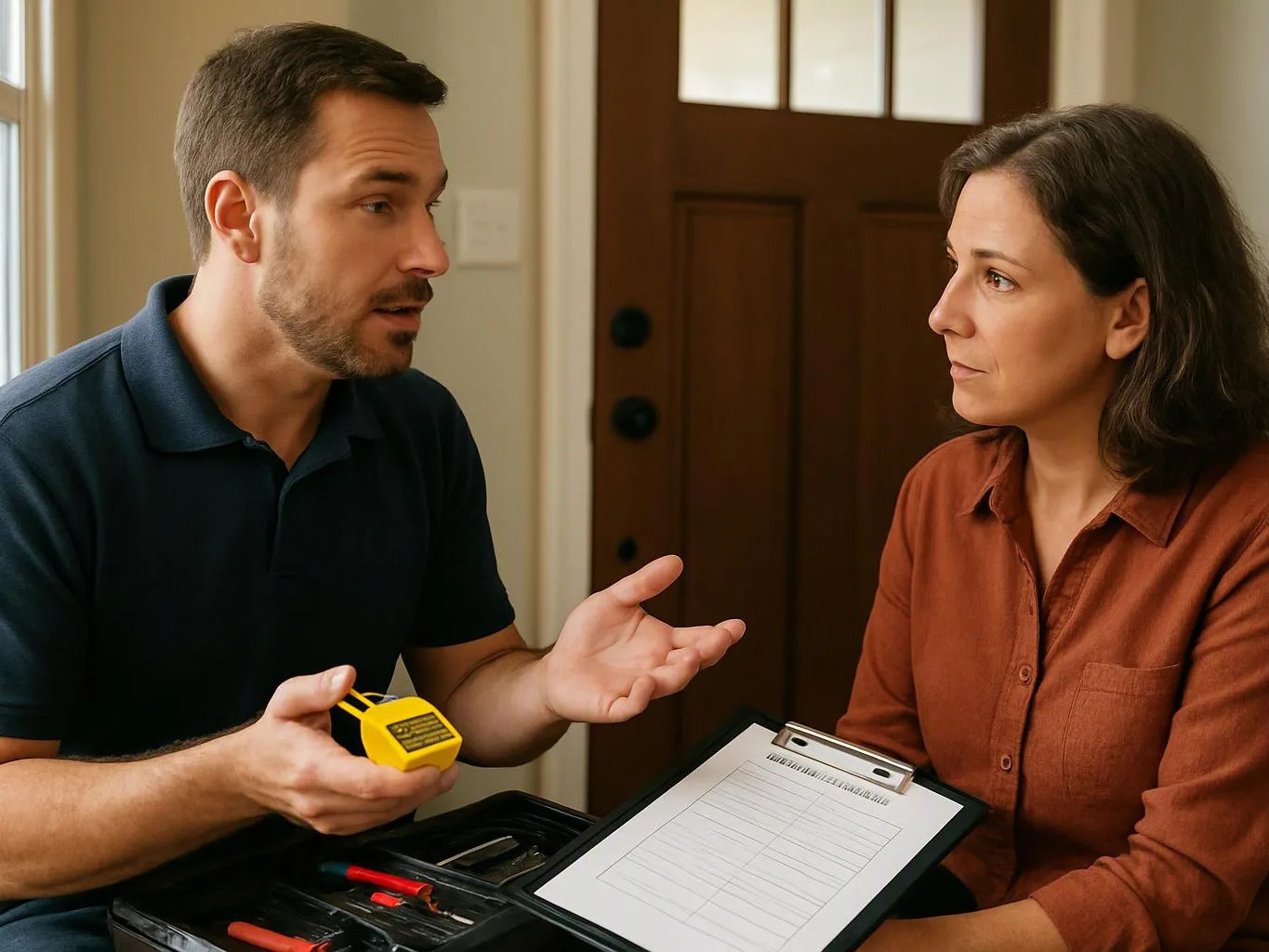
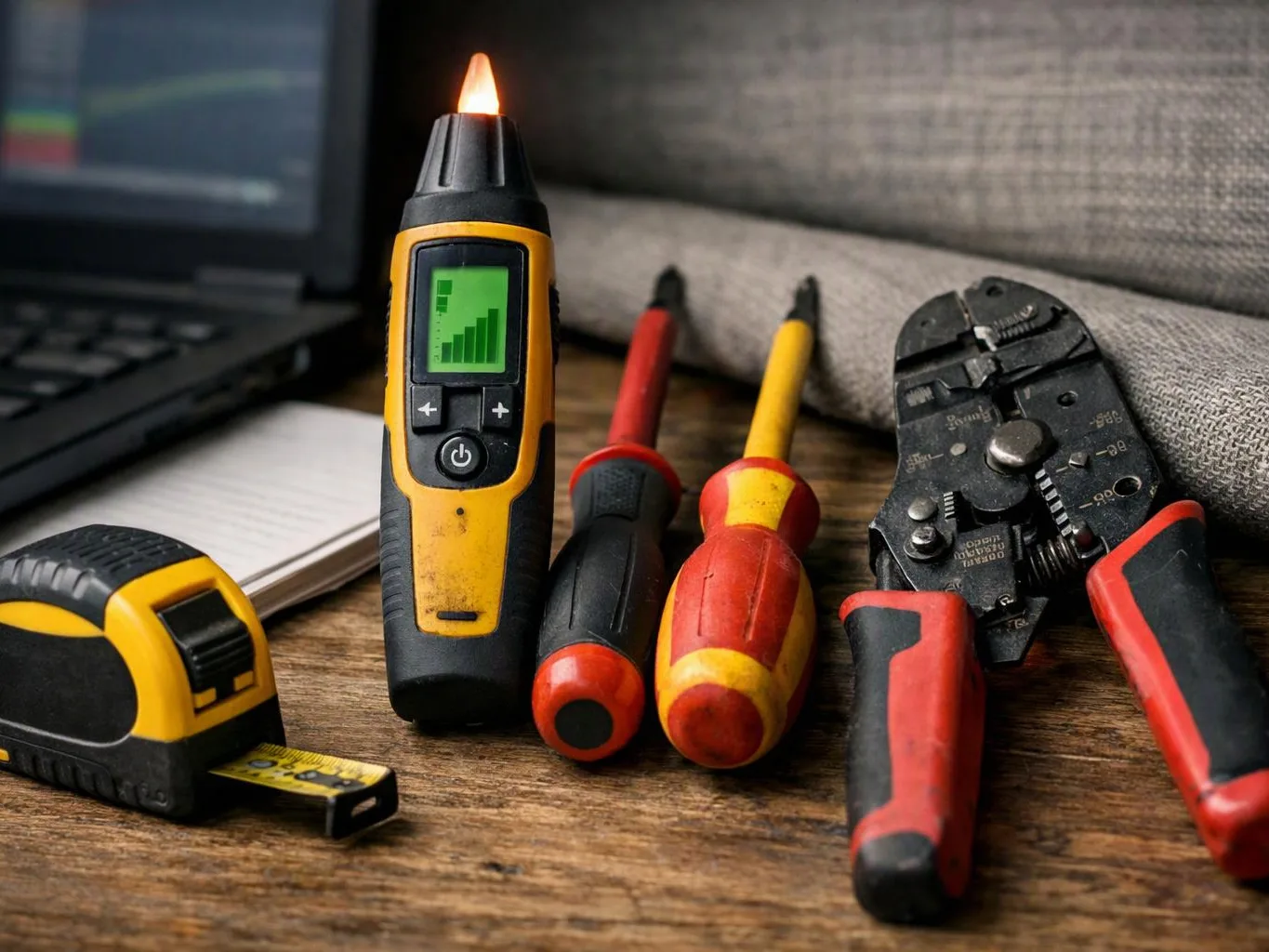
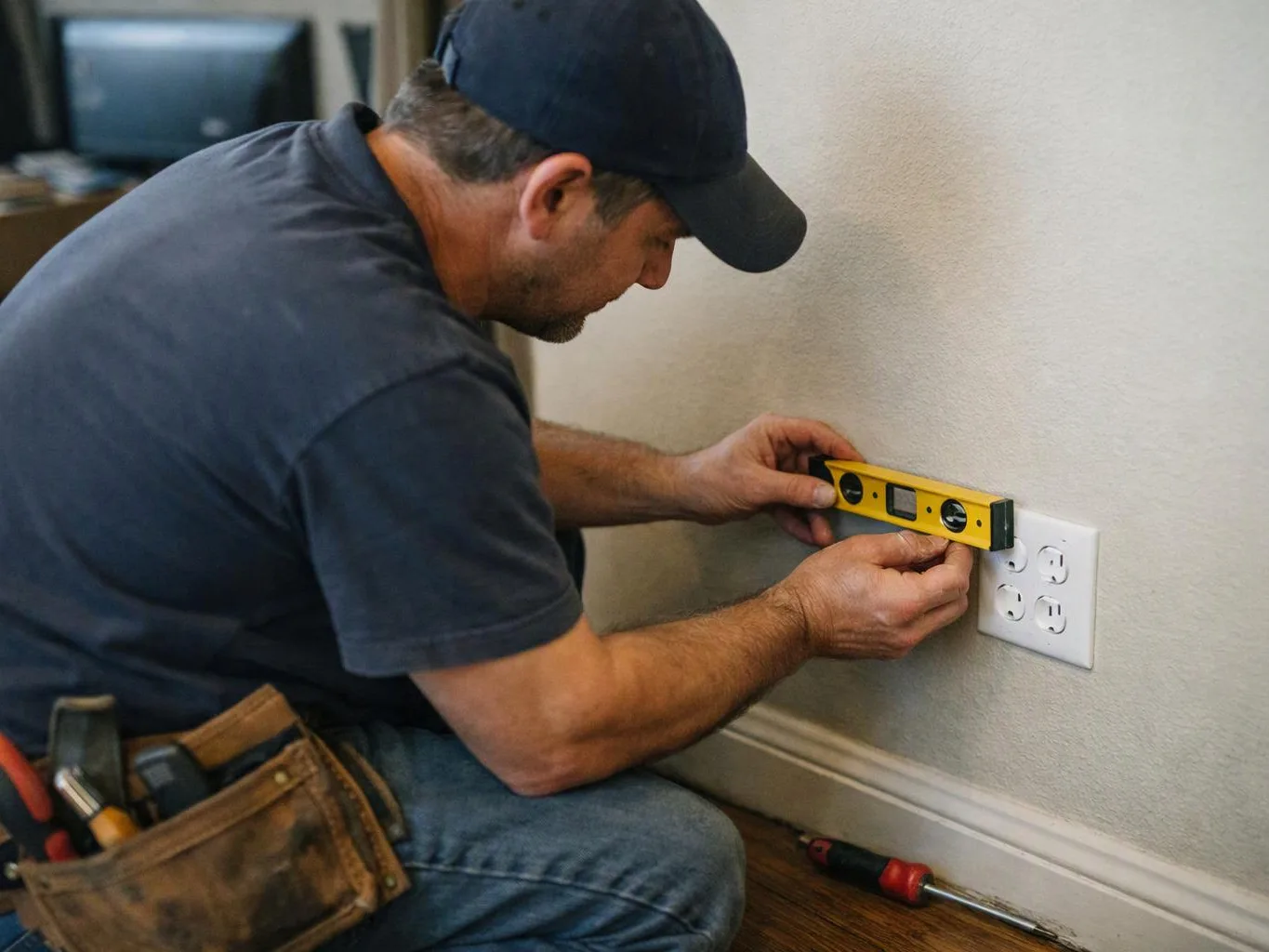
The visit starts with symptom questions and ends with testing and a repair decision. We inspect the affected parts, trace the circuit, test voltage and breaker operation, then explain the scope. If the issue needs rewiring, a panel upgrade, or another service, we identify that before work proceeds.
How can I tell whether electrical troubleshooting fits my property?
Electrical troubleshooting fits a property with an unexplained electrical symptom, such as flickering lights, dead outlets, breaker trips, or a buzzing panel. We diagnose the fault before recommending repair. A new light, fan, outlet, or circuit without an existing problem belongs under installation work.
Which part of the property decides the scope of the diagnosis?
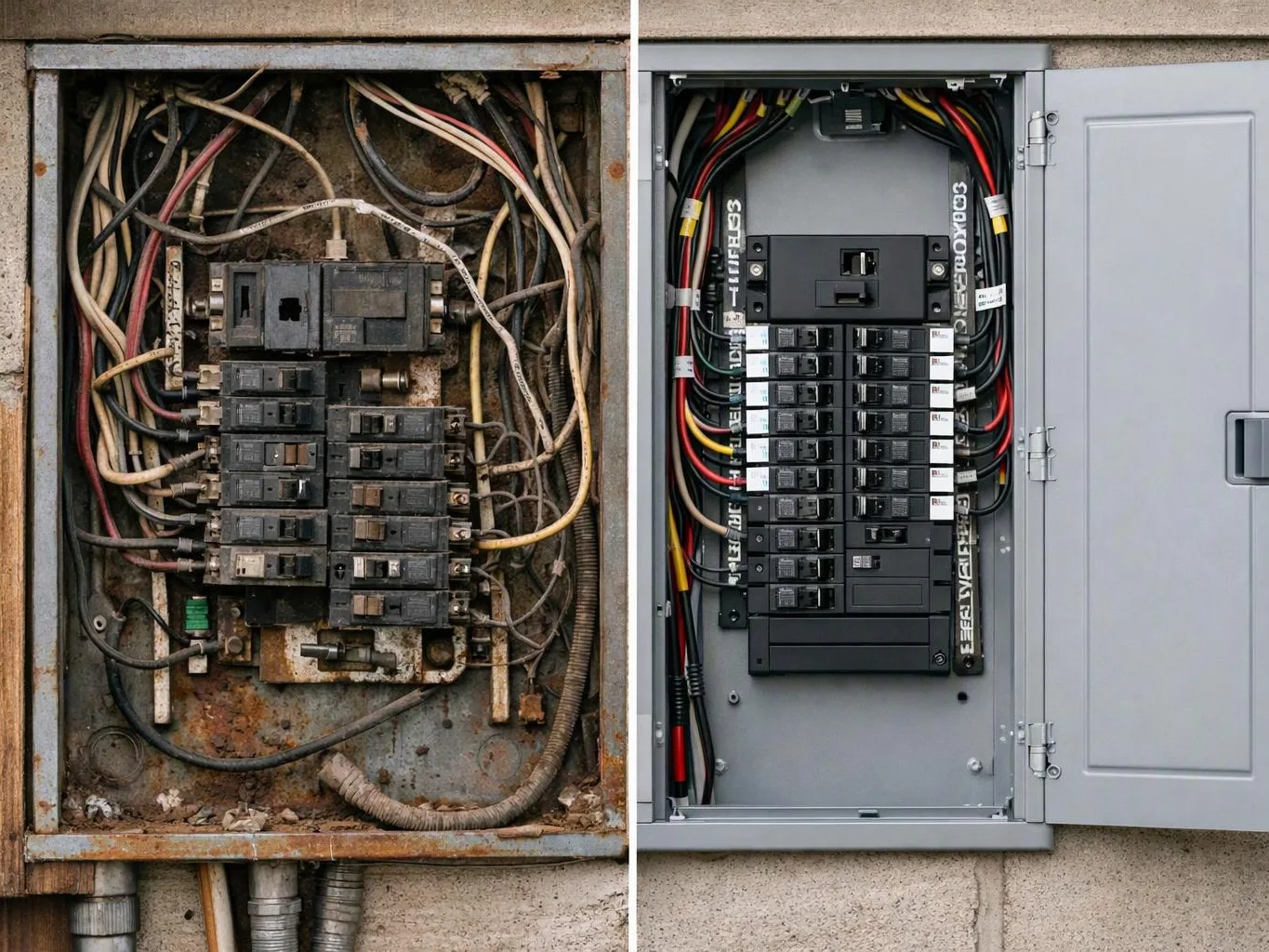
The affected circuit and its access points decide the diagnostic scope. We inspect the fixture, switch, outlet, wiring path, breaker, and panel connection. Symptoms in one room may need a focused circuit check, while problems across several areas call for broader circuit mapping and panel testing.
Why does a breaker keep tripping after I reset it?
A repeated trip can point to excess load, a short, damaged wiring, or a failing breaker. We inspect the connected circuit and test the breaker before resetting it again. Keep clear of damaged outlets, burning smells, and warm switches, and request urgent electrical help when those warning signs appear.
What should I do before electrical troubleshooting starts?
Write down the symptoms and stop using any outlet, switch, or appliance that shows heat, sparks, or burning odor. Keep access clear around the panel and affected room. Don't remove covers or handle exposed wiring, because those steps can add risk and hide the original fault.
Which electrical work may follow a flickering-light diagnosis?
The follow-up work may be a switch repair, wiring repair, breaker replacement, circuit correction, rewiring, or panel upgrade. The inspection findings decide the fit. We explain the affected part and the repair scope before moving from diagnosis into approved electrical work.