What type of carbon monoxide detector should be installed?
A plug-in detector suits many properties with a suitable outlet and a need for flexible placement. We check the power point, alarm location, battery backup, and requested display before recommending the setup. Hardwired detectors may fit planned electrical work, while digital displays add visible device information. The property layout and electrical condition guide the final choice.
Who is a good fit for carbon monoxide detector installation?
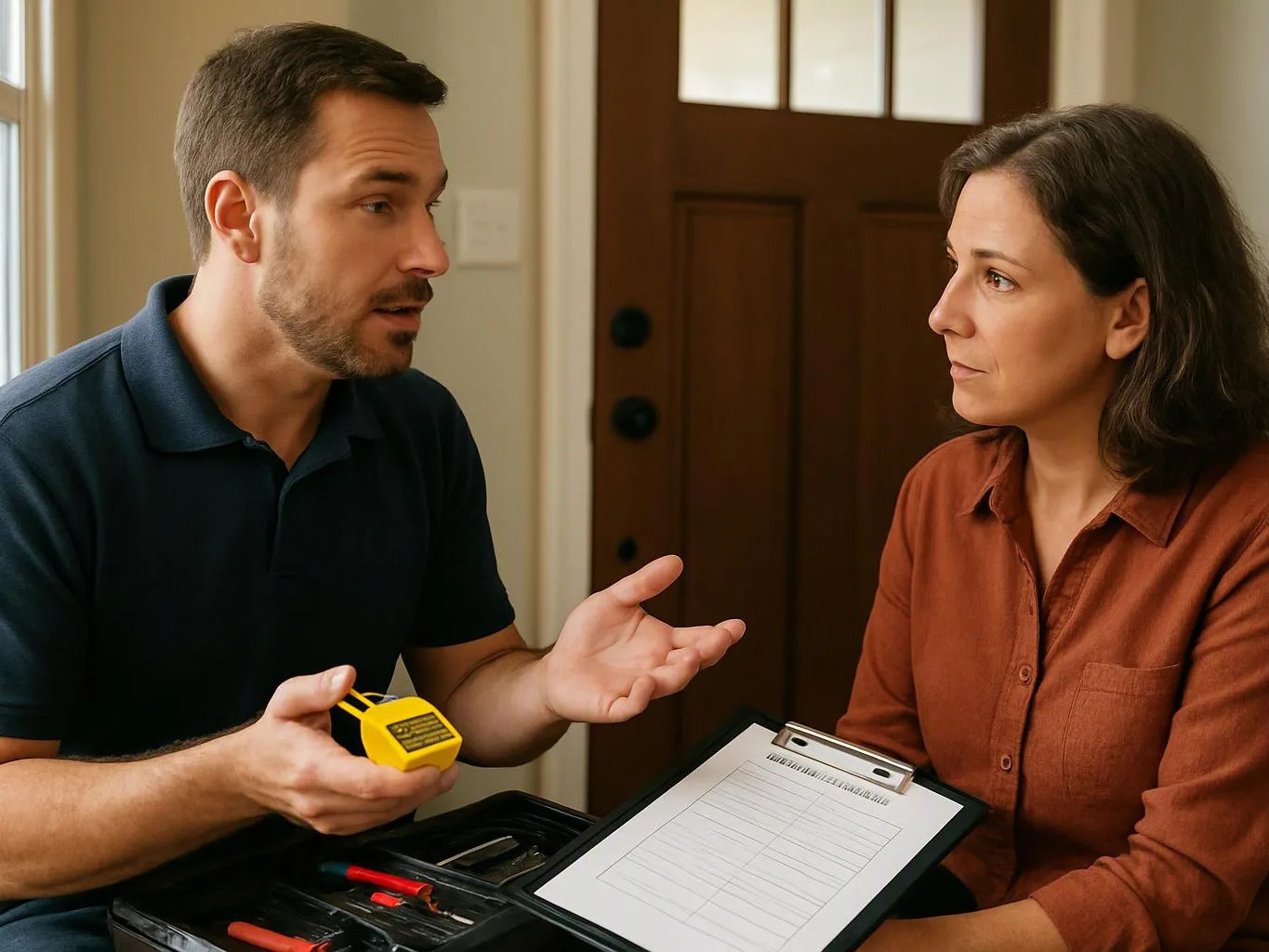
Center Electric Service installs detectors for homeowners and businesses that need a new alarm, replacement, or electrical connection. The service fits properties with a clear installation need and safe access to the power point. A property with a burning smell, sparking outlet, or active wiring fault needs urgent electrical repair before routine detector work.
What should be checked before detector installation is scheduled?
The selected outlet, detector type, installation location, and access should be checked first. We also review whether the property needs plug-in, hardwired, battery backup, or digital display features. Photos of the outlet and existing alarm can help explain the request, but we confirm the electrical condition during the assessment.
What happens at each stage of detector installation?
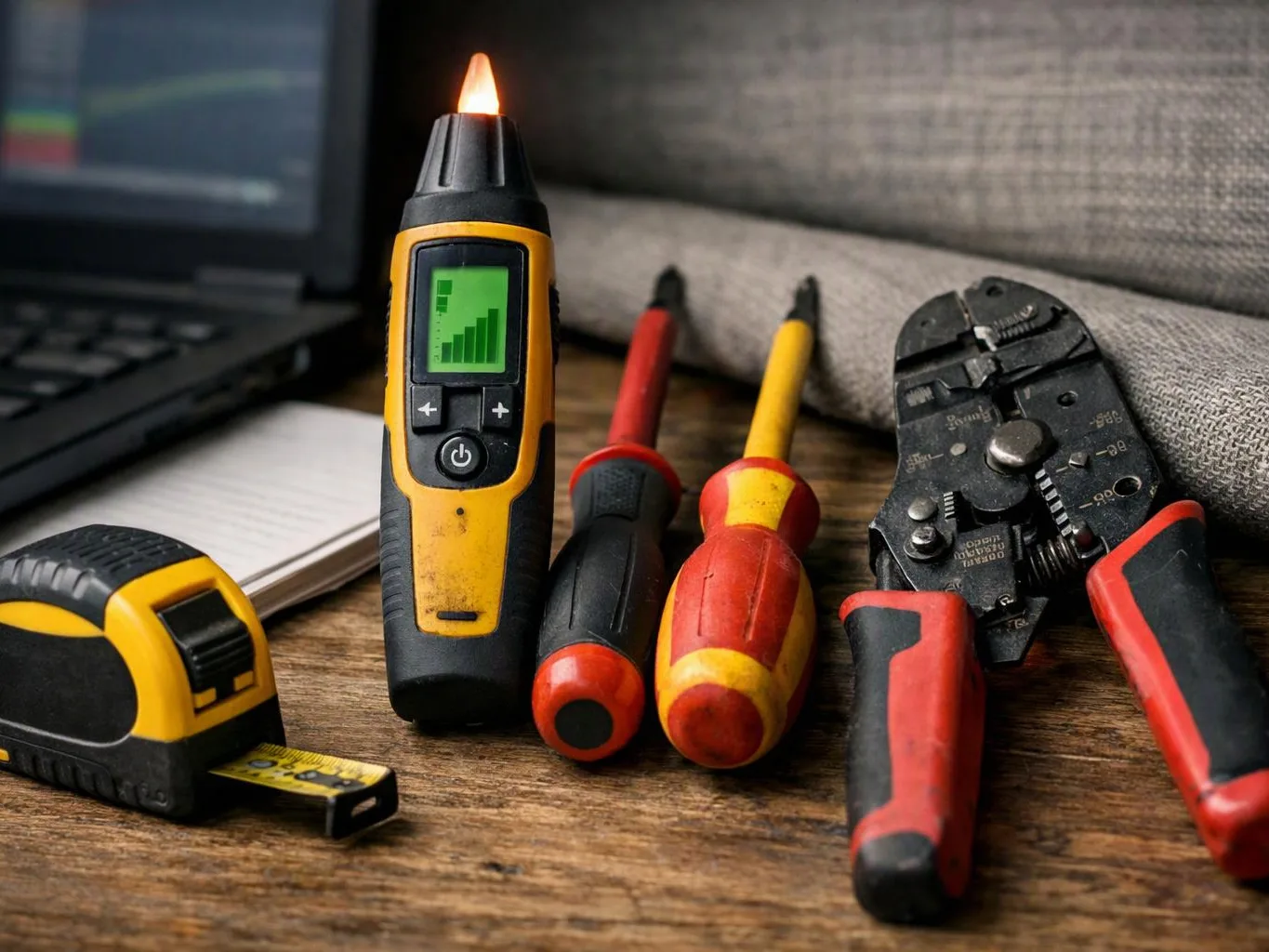
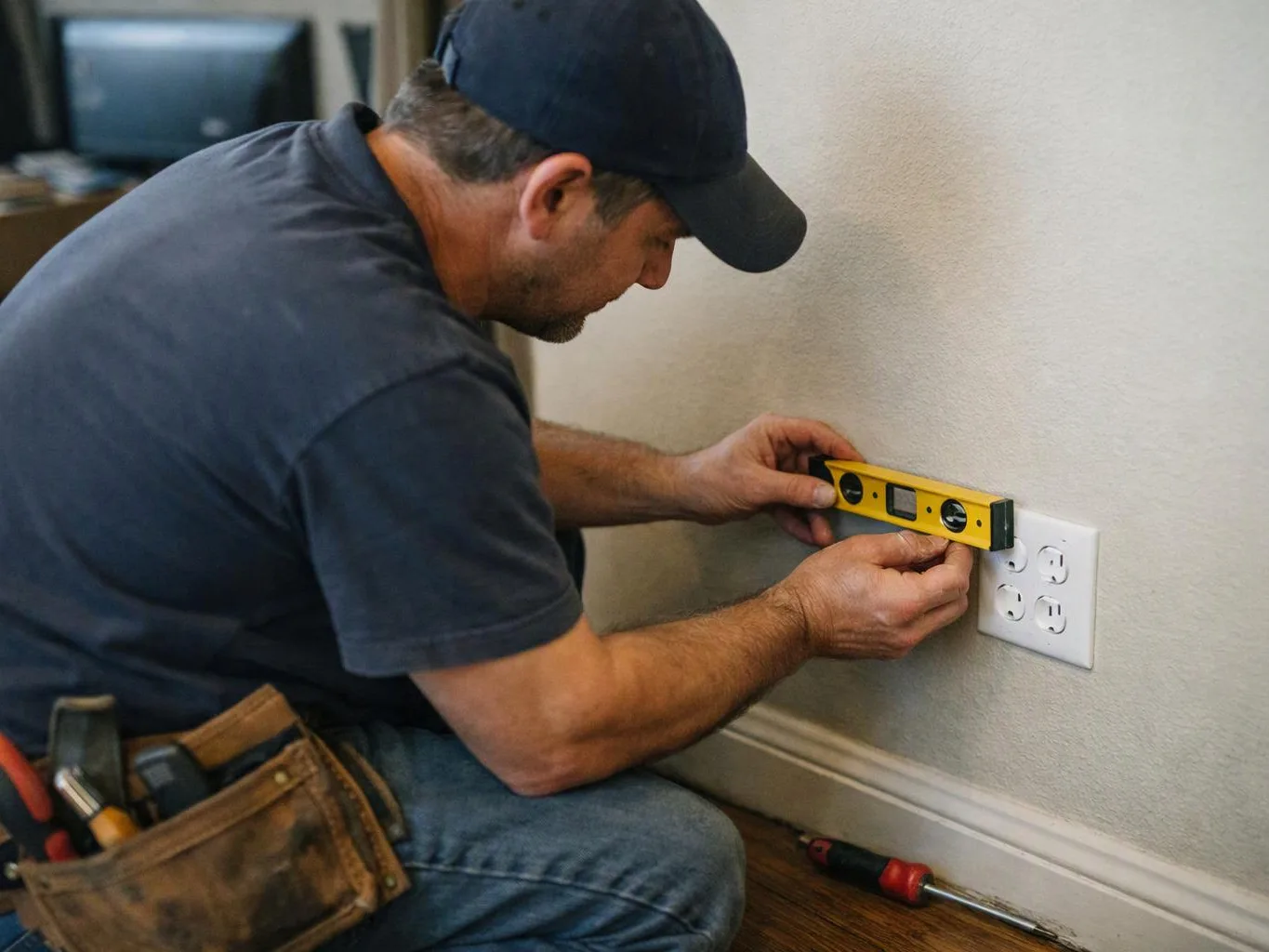
The work starts with a scope review, followed by a power check, detector installation, and alarm test. We inspect the outlet or wiring point, connect the selected device, check battery backup, and verify the warning controls. The owner receives an explanation of the installed features before the job is complete.
Which part of this installation changes the estimate?
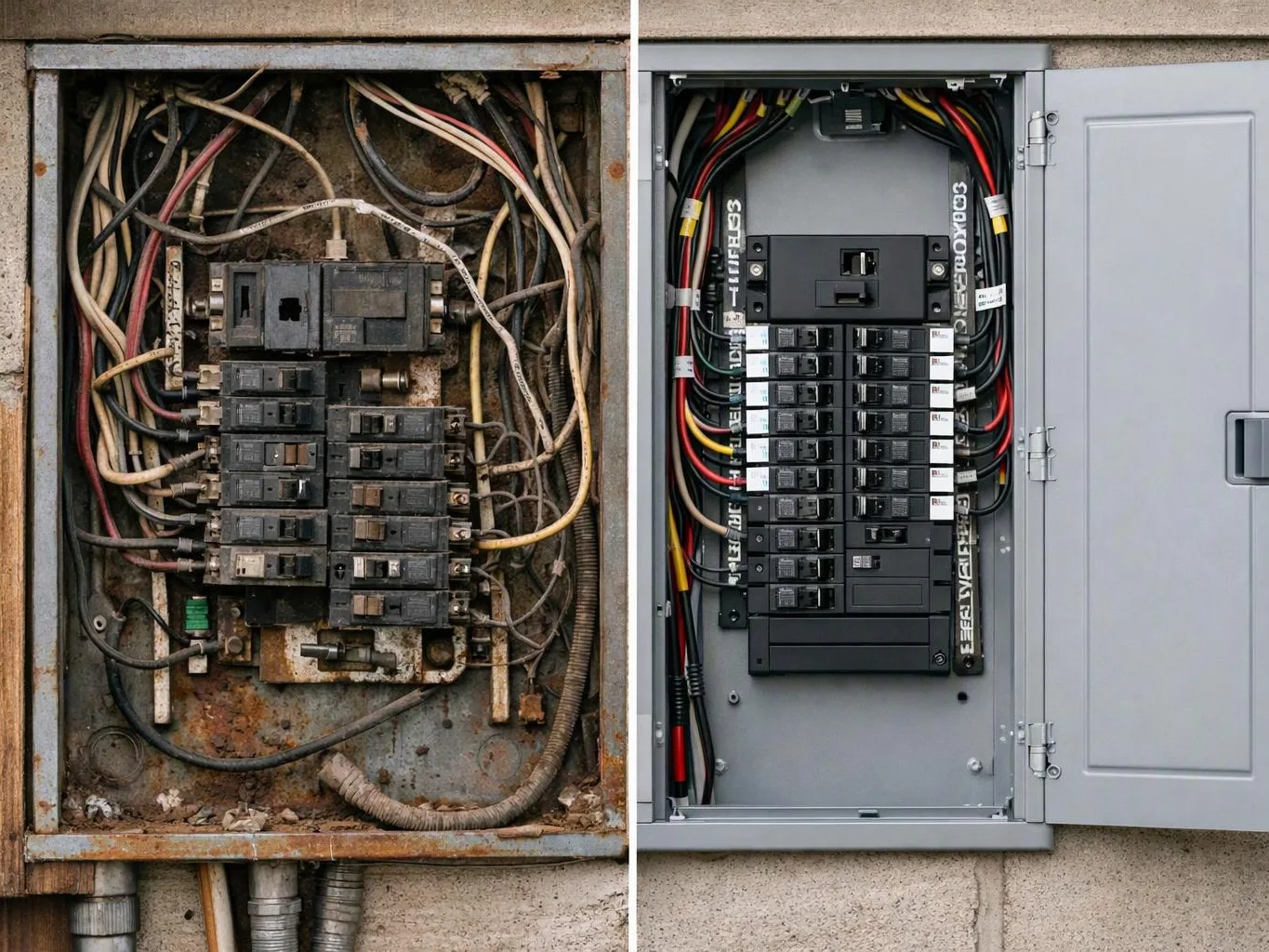
The detector type and power access have the greatest effect on the estimate. Plug-in work may involve an existing outlet, while hardwired installation can require wiring access and related electrical work. Device features, placement, and repairs also affect the scope. We review those details and provide a free estimate.
Why does a detector chirp after the battery is changed?
A chirp can signal an end-of-life warning, a power problem, or a device fault after the battery change. We check the battery fit, outlet power, alarm status, and detector condition. A replacement may be needed when the device has reached its service limit or does not pass its control test.
How does a hardwired detector differ from a plug-in unit?
A hardwired detector connects to the property's wiring, while a plug-in unit uses an existing outlet. Hardwired work can suit a planned electrical project, but it needs access to the wiring location. We check the available power, installation point, and requested backup features before selecting either approach.