Skip to content

Electrical Troubleshooting and Diagnostics in Mead Valley, California

We trace recurring electrical faults in homes, businesses, and commercial properties. Our checks focus on circuit testing, breaker trips, and safe next steps.

Quick Summary: Electrical Diagnostics in Mead Valley, California

Electrical troubleshooting and diagnostics in Mead Valley is provided by Center Electric Service for homes, businesses, and commercial properties. The service covers circuit testing, circuit tracing, breaker checks, and electrical safety inspections.

  • What we do: Center Electric Service provides electrical troubleshooting and diagnostics for properties in Mead Valley, California.
  • What is included: Key capabilities include circuit testing, circuit tracing, load measurement, breaker checks, wiring inspection, and electrical safety inspections.
  • What you get: The customer receives a clearer fault location and a practical decision about repair, replacement, or further inspection.

Why do breaker trips keep happening after the breaker is reset?

Recurring trips often point to an overloaded circuit, short circuit, ground fault, or damaged wiring. We test the circuit, measure its load, and trace connected devices to identify the fault.

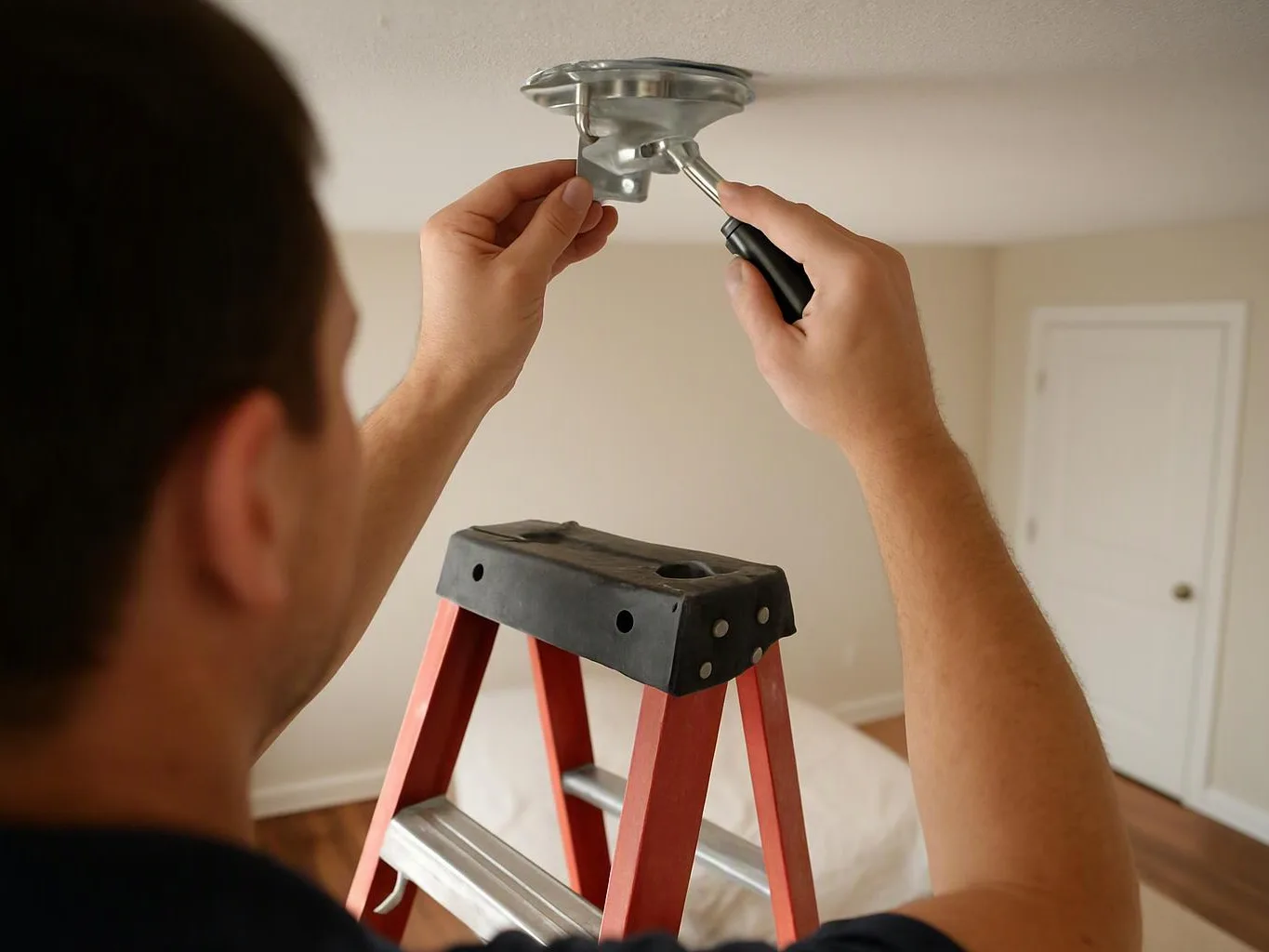
Electrical Troubleshooting and Diagnostics for Breaker Trips and Circuit Faults

Recurring breaker trips need a cause-based check, not repeated resets. A circuit may carry too much load, or a short circuit and ground fault may affect the wiring.

We begin with the symptom you noticed and the circuit it affects. Our team checks the panel, devices, wiring, and connections that serve that circuit.

The buyer's main choice is whether to repair one fault, change the circuit, or plan a wider upgrade. We explain what the tests show so you can choose the next step with better information.

  • Note which breaker trips and which outlets, lights, or appliances lose power.
  • Record whether the trip happens during use or without a clear trigger.
  • Keep any sparking outlet, burning smell, or buzzing panel out of service until we assess it.
  • Share recent repair details, panel work, or new equipment connected to the circuit.
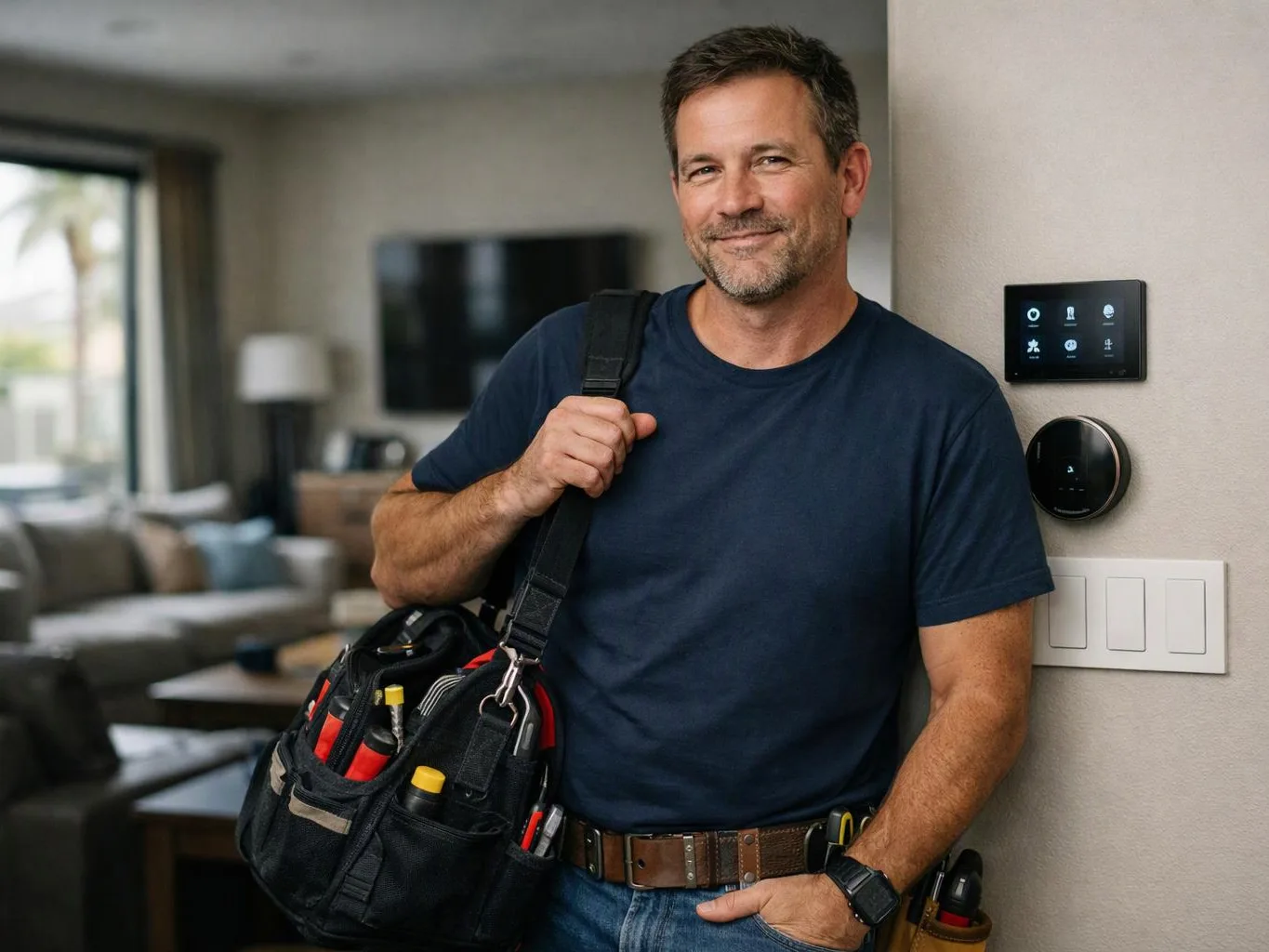
A smiling man stands indoors with a tool bag beside a wall-mounted thermostat and light switches

Service Overview

Electrical troubleshooting and diagnostics is a method that tests circuits and traces faults in electrical systems.

  • Repair work replaces or corrects the failed part, while diagnostics identifies the cause before that work begins.
  • Center Electric Service provides this service for homes, businesses, and commercial properties in Mead Valley.

What Electrical Troubleshooting Includes for a Faulty Circuit

Center Electric Service provides comprehensive Electrical troubleshooting and diagnostics in Mead Valley. Here's what you get:

  • We inspect the electrical panel and identify the breaker linked to the reported problem.
  • We test the affected circuit and trace connections to outlets, switches, lights, and fixed equipment.
  • We measure circuit load to check whether demand is contributing to repeated trips.
  • We look for signs of a short circuit, ground fault, loose connection, or insulation damage.
  • We explain the likely repair scope and note any related safety or code-compliance concern.
  • We discuss whether the issue calls for a repair, panel work, wiring work, or further inspection.
Process

How We Diagnose a Recurring Breaker Trip

1

Review the reported symptom

We note which breaker trips, what loses power, and when the problem occurs. Recent appliances, lighting changes, or repairs also help set the test scope.

2

Inspect the panel and circuit

We inspect the breaker, panel connections, circuit path, outlets, switches, and visible wiring. We look for heat marks, loose parts, and signs of damage.

3

Measure the circuit load

We measure the circuit load while checking connected equipment. This helps separate an overload from a fault within the wiring or a connected device.

4

Trace and isolate the fault

We trace the circuit and isolate sections or devices linked to the trip. Testing helps identify a short circuit, ground fault, open connection, or insulation damage.

5

Explain the repair scope

We explain the finding and the available repair path. The next step may involve a device repair, wiring repair, circuit change, or panel upgrade.

How We Approach Breaker Trips and Hidden Electrical Faults

Circuit testing before repair

Circuit testing starts with the reported symptom and follows the affected path through the panel, devices, and wiring. This service is the wrong fit when you only need a planned installation with no fault to diagnose.

Load measurement for repeat trips

Load measurement shows whether connected equipment is drawing more current than the circuit should carry. The result helps separate an overload from a short circuit or ground fault.

Clear repair choices

We explain whether the finding points to a part replacement, wiring repair, circuit change, or panel upgrade. You can then request a quote for the work that matches the diagnosed issue.

What Better Fault Testing Changes for Your Property

Testing helps separate a failing device from a circuit-wide wiring problem.

A traced fault gives you a clearer choice between repair and added electrical work.

Load measurement can show whether new equipment is pushing an existing circuit too hard.

Panel and wiring checks help identify conditions that should not be ignored.

Written findings support planning for repairs, upgrades, or remodeling work.

Breaker Trip Causes We Check

These fault types need different tests and different repair decisions.

Fault typeWhat we checkPossible next step
Overloaded circuitConnected equipment and measured loadRedistribute load, change the circuit, or plan an upgrade
Short circuitConductors, devices, and unwanted current pathsRepair or replace the damaged part
Ground faultGrounding path, outlets, equipment, and wiringCorrect the fault and test the circuit again
Insulation damageExposed or deteriorated wire insulationRepair affected wiring or define further access needs

The Center Electric Service Standard

  • System Assessment
  • Safe Solutions
  • Systematic Troubleshooting
  • Tailored Electrical Work

Questions About Breaker Trips and Electrical Faults

How do electricians diagnose recurring breaker trips?

Circuit testing identifies whether a recurring trip comes from an overload, short circuit, ground fault, or damaged wiring. Center Electric Service inspects the panel, measures circuit load, and traces connected devices. We then isolate the affected section and explain the repair scope. Repeatedly resetting the breaker can leave the cause unresolved, so keep the circuit off if it shows heat, sparks, or a burning smell.

Which part of the property decides the scope of electrical diagnostics?

The affected circuit decides the scope because its panel position, wiring path, devices, and connected load guide the testing. We check the breaker and follow power to outlets, switches, lights, or equipment. A single device may need a focused check, while several dead points can require circuit tracing through more of the property.

What material changes how long electrical troubleshooting takes?

Insulation damage can expand the testing scope because we must locate where conductors no longer remain protected. We inspect accessible wiring and connections, then test the affected circuit in sections. Aluminum wiring, older wiring methods, or concealed runs can also affect access and repair planning when those materials are present.

When should I stop resetting a tripped breaker?

Stop resetting a breaker when it trips again, feels warm, buzzes, or connects to a burning smell. We inspect the circuit before it returns to normal use. Repeated trips can point to an overload, short circuit, ground fault, or damaged insulation, and each condition needs a different repair decision.

Why does one outlet stop working while the breaker stays on?

A dead outlet can result from a loose connection, open circuit, failed outlet, or fault at another device. We test the outlet and trace the circuit back toward the panel. Nearby switches and receptacles can affect downstream power, so the visible outlet is not always the source of the problem.

Which information should I share before requesting an estimate?

The most useful information includes the affected room, tripped breaker, connected equipment, and when the problem began. Photos of the panel and outlet can also help us understand access and visible conditions. We use those details to discuss the assessment and prepare a free estimate when the scope is clear.
Contact

Get a Free Estimate for Electrical Troubleshooting in Mead Valley

Tell Center Electric Service what keeps tripping, buzzing, or losing power. We'll discuss the first assessment, the circuit details to share, and the estimate process.

A modern kitchen shows pendant lights over a large island, with a window view and stainless steel stove in the background

Electrical troubleshooting and diagnostics in Other Areas

(951) 577-3540