Skip to content

Electric Vehicle Charger Installation in Lakeland Village, California

Cable gauge helps match charging capacity to your Lakeland Village property. We check the circuit rating, voltage supply, and panel load before installation.

Licensed & InsuredFree EstimatesSame-Day ServiceServing 61 Communities

Quick Summary: Electric Vehicle Charging Setup in Lakeland Village, California

Electric Vehicle Charger Installation in Lakeland Village is provided by Center Electric Service for homes and businesses throughout Riverside and the Inland Empire. The service covers circuit checks, charger wiring, load review, and testing, with free estimates available.

  • What we do: Center Electric Service installs electric vehicle chargers for homes and businesses in Lakeland Village, California, with circuit checks and final testing.
  • What is included: We review panel capacity, circuit rating, voltage supply, charger wiring, load management, and testing.
  • What you get: The customer receives a connected vehicle charger with its electrical supply checked and its operation tested.

Why does my electric vehicle charger keep charging slowly in Lakeland Village, California?

Slow charging can result from limited cable gauge, low circuit capacity, voltage drop, or load management settings. We inspect the charger circuit, panel, and supply so the cause is clear before any work begins.

Electric Vehicle Charger Installation for Lakeland Village Properties

Electric vehicle charger installation gives a home or business a dedicated way to charge an electric vehicle. The job may involve a new circuit, panel work, conduit, grounding, and connection to the selected charging unit.

The main decision is whether the existing electrical system can support the charger. We review charging capacity, circuit rating, voltage supply, and available panel space before setting the work scope. A panel upgrade or subpanel installation may be needed when the existing system cannot support the added load.

This page focuses on matching charging demand to the property’s electrical system. That review helps buyers understand what work belongs in the estimate and when a charger installation should be paired with broader electrical repairs.

  • Check available panel capacity before choosing the charger circuit.
  • Review the planned charging level and expected electrical load.
  • Confirm circuit routing, grounding, and access to the installation point.
  • Test the charger circuit after wiring is complete.
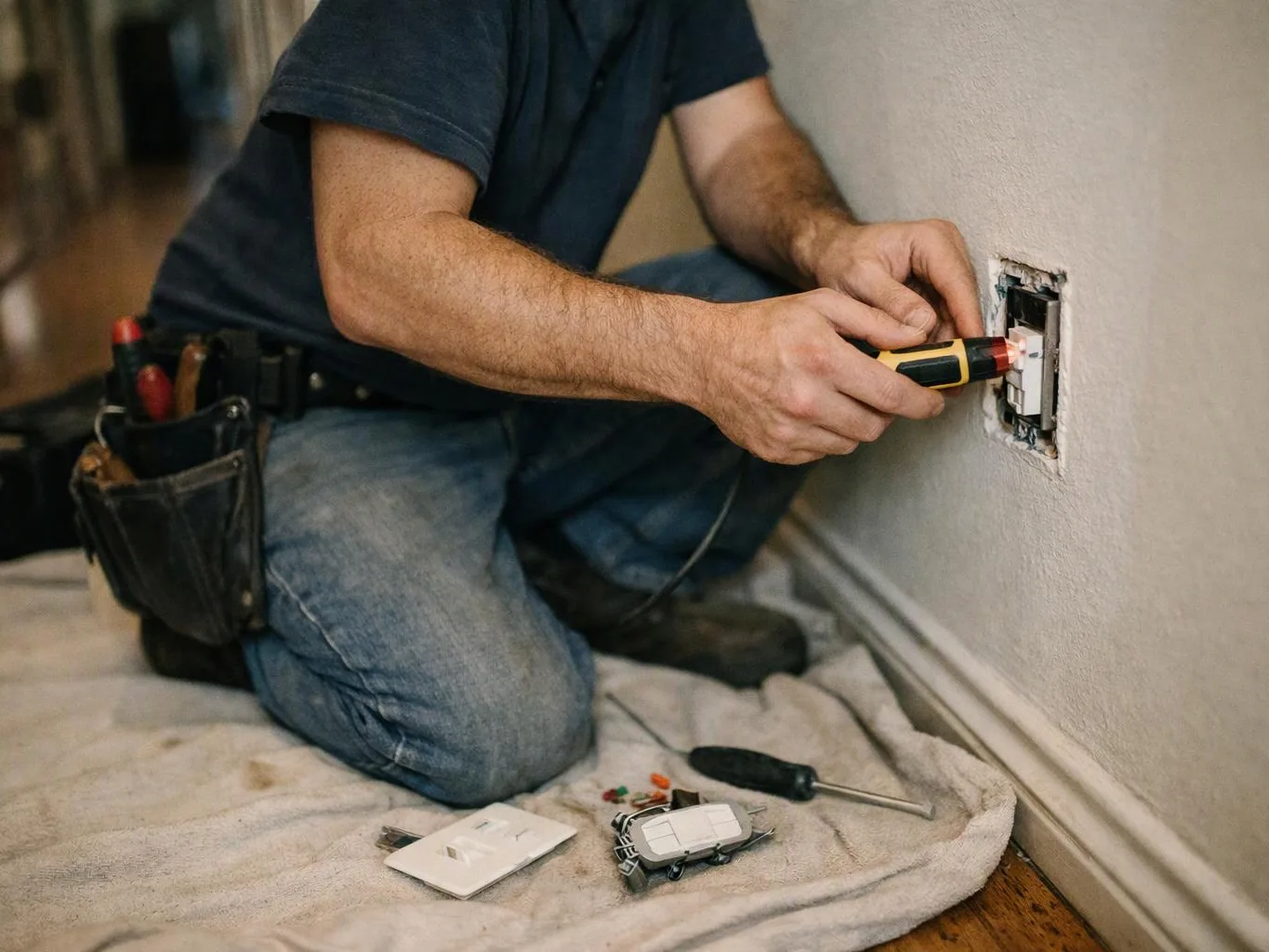
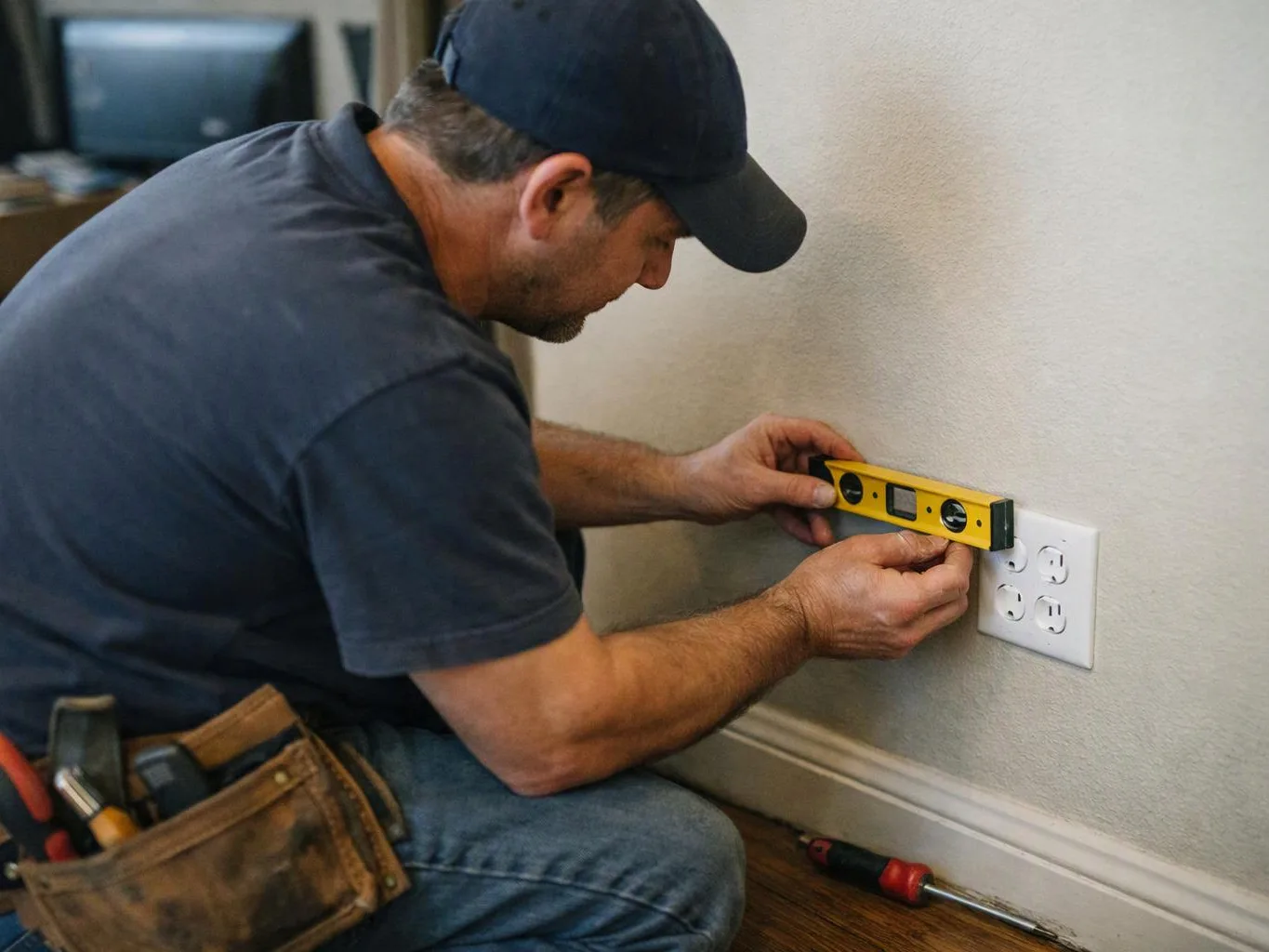
A kneeling worker installs a wall outlet with a screwdriver, surrounded by tools on a drop cloth

Service Overview

Electric vehicle charger installation is electrical work that connects a vehicle charging unit to a property’s power system.

  • Unlike a basic outlet installation, the work includes load review, dedicated circuit wiring, grounding, and charger testing.
  • Center Electric Service provides this service for homes and businesses in Lakeland Village.

What Electric Vehicle Charger Installation Includes

Center Electric Service provides comprehensive Electric Vehicle Charger Installation in Lakeland Village. Here's what you get:

  • We inspect the electrical panel and identify a suitable charger circuit.
  • We review the charger’s electrical demand against the property’s available capacity.
  • We install the required wiring, circuit protection, grounding, and connection points.
  • We use conduit and related electrical materials when the installation calls for them.
  • We test the circuit and charger connection after the work is complete.
  • We explain the work scope and provide a free estimate before planned installation.

How We Approach Charger Installation Decisions

Match charging demand to the panel

The key choice is charging capacity, not just the charger model. We review the panel, circuit rating, voltage supply, and expected use before recommending the work. This service is the wrong job when the issue is a utility outage or a vehicle fault.

Plan the circuit path

The charger needs a safe path from the panel to its connection point. We assess access, wiring needs, grounding, and circuit protection so the estimate reflects the actual electrical work.

Check the finished connection

Testing follows installation. We verify the circuit and charger connection, then explain any operating limits tied to the property’s electrical supply.

Licensed and insured electrical work

Our licensed and insured electricians provide residential and commercial electrical service, including charger installations and related panel work.

A client scenario this service addresses

A homeowner plans to add a charger but does not know whether the existing panel can support it. We inspect the panel, trace available circuits, review the charging load, and set a safe installation scope. If the panel needs more capacity, the estimate can address that electrical work before the charger is connected.

Process

How We Complete Electric Vehicle Charger Installation

1

Review the charging load

We discuss the vehicle, charger needs, expected use, and charging capacity so the electrical scope starts with the right demand.

2

Inspect the electrical panel

We check panel space, circuit rating, breakers, wiring, grounding, and the available supply before selecting the circuit approach.

3

Plan the wiring route

We assess the path from the panel to the charger connection point and identify conduit, wire, protection, and access needs.

4

Install the charger circuit

We complete the wiring, circuit protection, grounding, and charger connection for the approved work scope.

5

Test the finished system

We test the circuit and charger connection, check operation, and explain any limits tied to the property’s electrical capacity.

What Better Charger Sizing Changes

Correct sizing helps the charger work within the property’s available electrical capacity.

A dedicated circuit reduces confusion with unrelated household or business loads.

Load management can help control charging demand when other equipment runs at the same time.

Testing gives the customer a clear check of the new circuit and charger connection.

A planned electrical review can identify panel or breaker issues before they affect charging.

Charger Installation Decisions

The right installation approach depends on the property’s electrical capacity and planned charging demand.

Electrical conditionWhat we checkPossible installation direction
Available panel capacityExisting loads and spare breaker spaceDedicated charger circuit
Limited circuit capacityBreaker rating, wiring, and voltage supplyCircuit change or panel work
Several major loadsOverlapping equipment demandLoad management review

The Center Electric Service Standard

  • Urgent Assistance
  • Issue Diagnosis
  • Safety First
  • Clear Recommendations

Questions About Electric Vehicle Charger Installation

How does cable gauge support faster electric vehicle charging?

Cable gauge supports faster charging when it matches the charger’s electrical demand and circuit rating. We select wiring based on the planned load, voltage supply, circuit protection, and installation path. A cable that does not match the circuit can limit charging or create a safety concern. We verify the finished connection after installation.

What should be ready before charger installation starts?

The property should have the selected charger information, panel access, and a clear plan for the charging location. We also need to review expected charging demand and the electrical path. Keep the panel area accessible, and share any breaker trips, warm outlets, or charging faults before work begins.

Which panel checks matter before adding a vehicle charger?

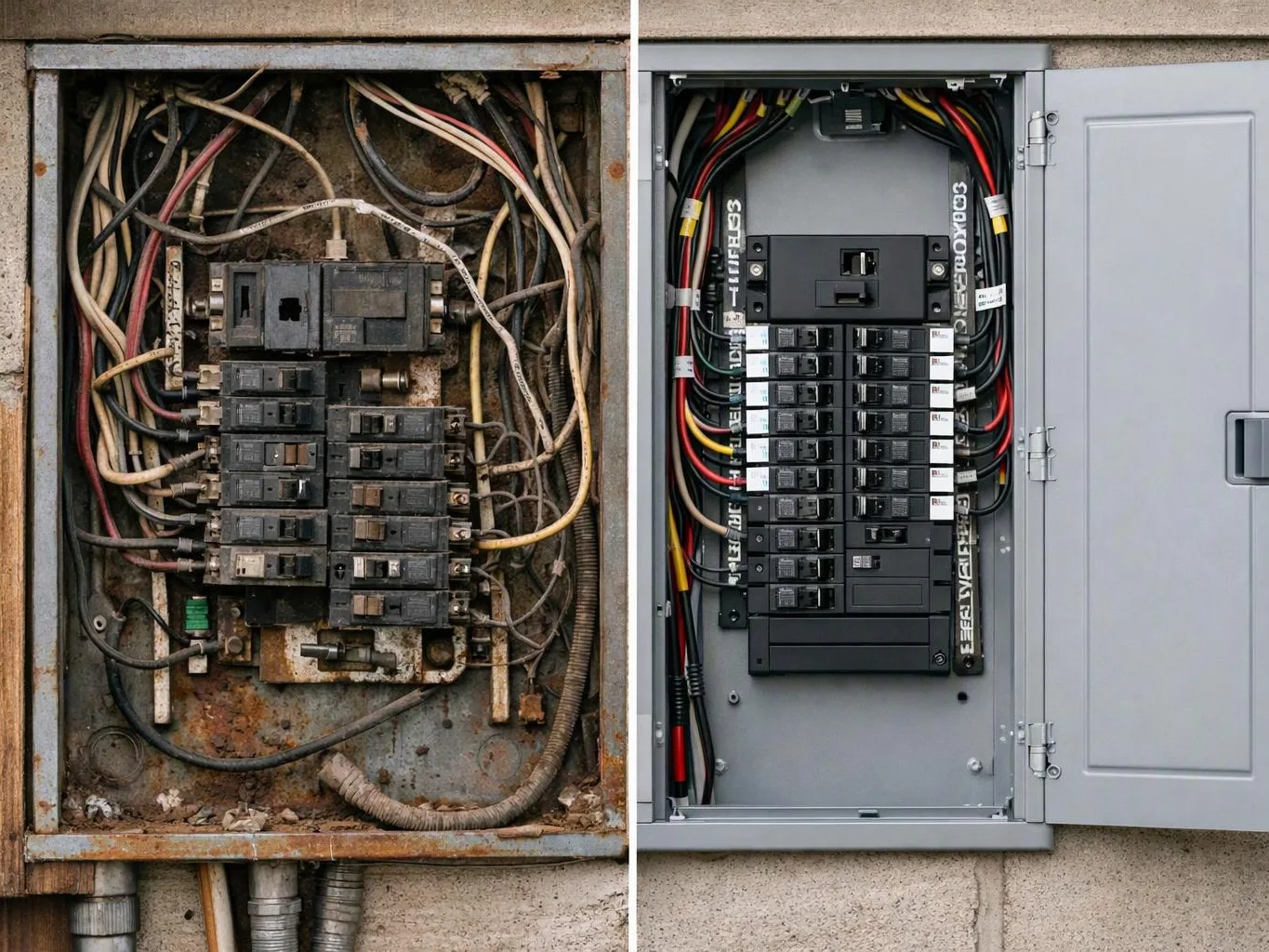
Panel capacity, available breaker space, circuit rating, grounding, and existing electrical loads matter before adding a charger. We inspect these points and trace circuits when the panel layout is unclear. The review shows whether a dedicated circuit is suitable or whether panel work belongs in the estimate.

When should load management be part of the installation?

Load management belongs in the plan when charging demand could overlap with other major electrical loads. We review equipment connected to the property and compare that demand with the charger circuit. The result helps determine whether managed charging, a circuit change, or added capacity fits the property.

Why does a charger breaker keep tripping?

A tripping charger breaker can point to overload, wiring trouble, a faulty breaker, or a charger problem. We isolate the circuit and inspect the panel, wiring, grounding, and charger connection. Leave the charger off until the cause is checked, especially if you notice heat, sparks, or a burning smell.

What should a customer ask before agreeing to charger installation?

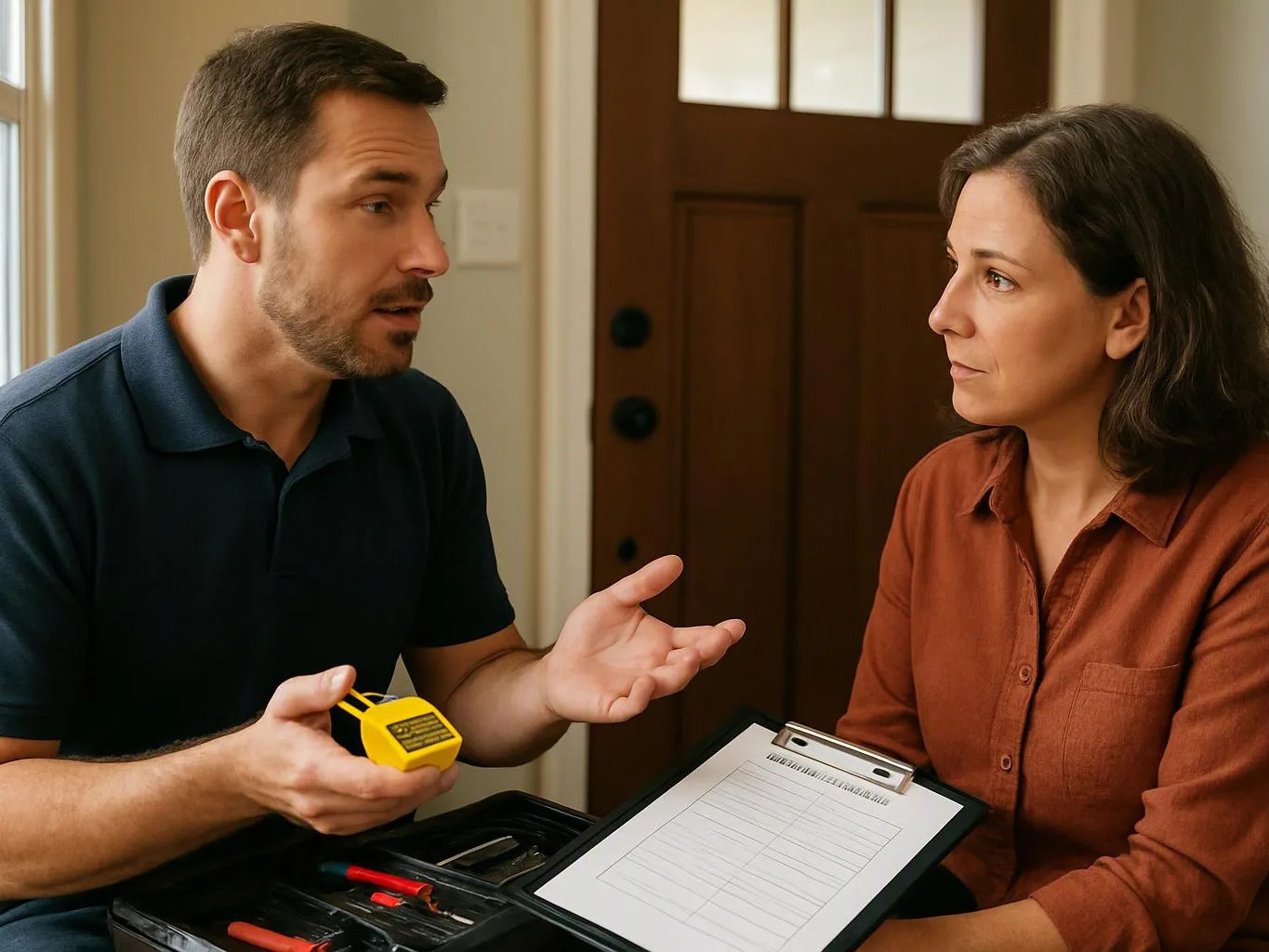
Customers should ask which circuit work is included, how the panel load was reviewed, and what testing follows installation. We explain the wiring path, circuit protection, grounding, and any panel or subpanel work in the estimate. That discussion helps the customer understand the full electrical scope before approving planned work.

Who installs vehicle charging circuits for homes and businesses?

Center Electric Service installs vehicle charging circuits for residential and commercial properties. Our licensed and insured electricians review the panel, size the circuit, connect the charger, and test the finished work. We also handle related breaker, wiring, panel, and grounding issues when the installation requires them.

Electric Vehicle Charger Installation in Other Areas

Contact

Request A Free Charger Installation Estimate In Lakeland Village

Ask about electric vehicle charger installation in Lakeland Village, and urgent requests get priority scheduling.

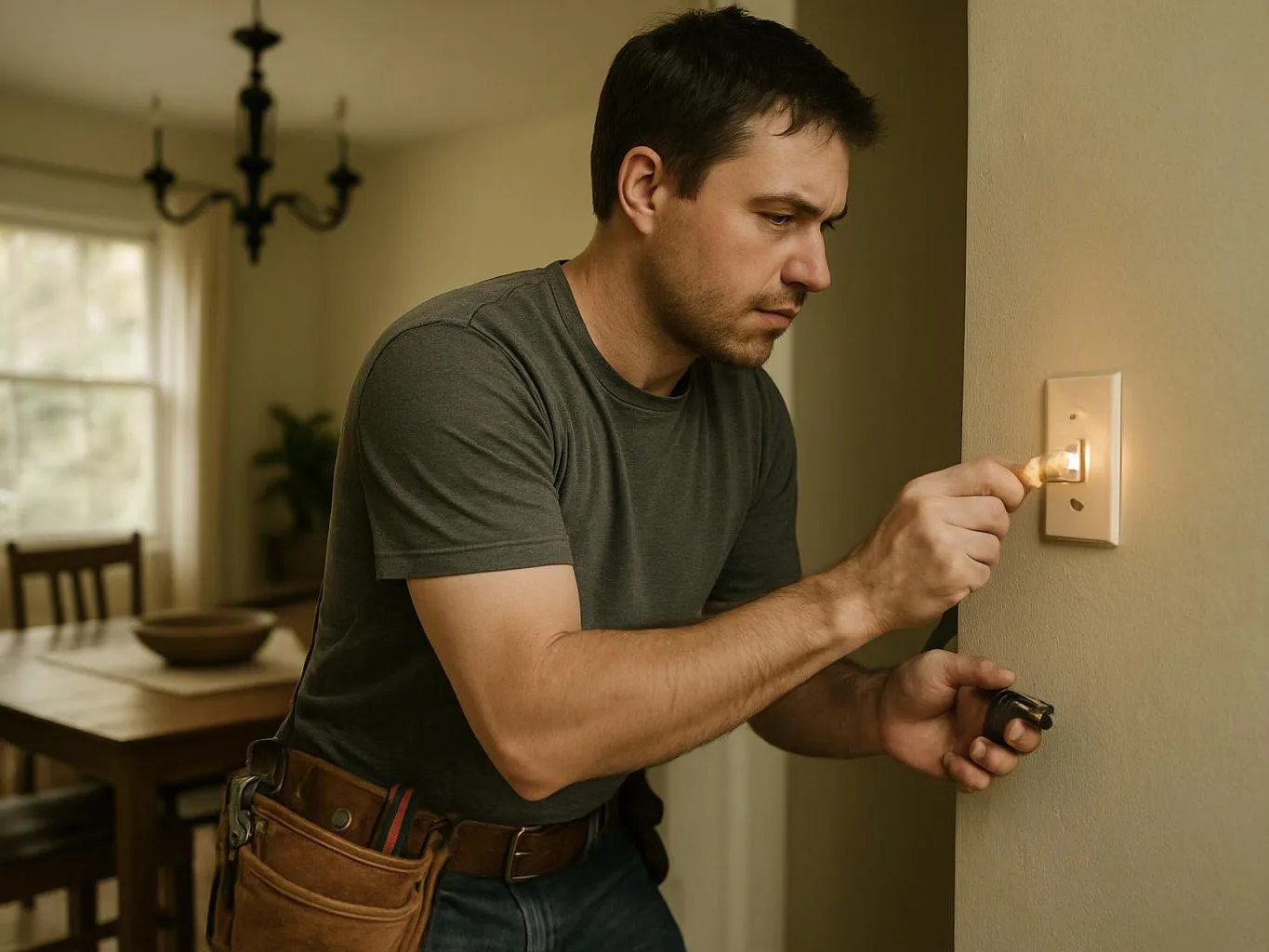
A man changes a light switch plate in a dim dining room, holding a tool and a bulb
(951) 577-3540