Should smoke detectors use hardwired power or battery power?
Battery backup supports both options, but hardwired alarms suit properties with usable alarm wiring and battery backup needs. Battery-only alarms fit locations without that wiring. We inspect the power source, alarm layout, and interconnection plan before recommending the installation method.
How does the installation match the property before work starts?
The property layout determines alarm locations, access needs, mounting points, and wiring routes. We review the rooms, existing detectors, ceiling surfaces, power sources, and linked alarm requirements. That inspection lets us set a scope that fits the actual property instead of treating every alarm change as the same job.
What should be ready before smoke alarms are installed?
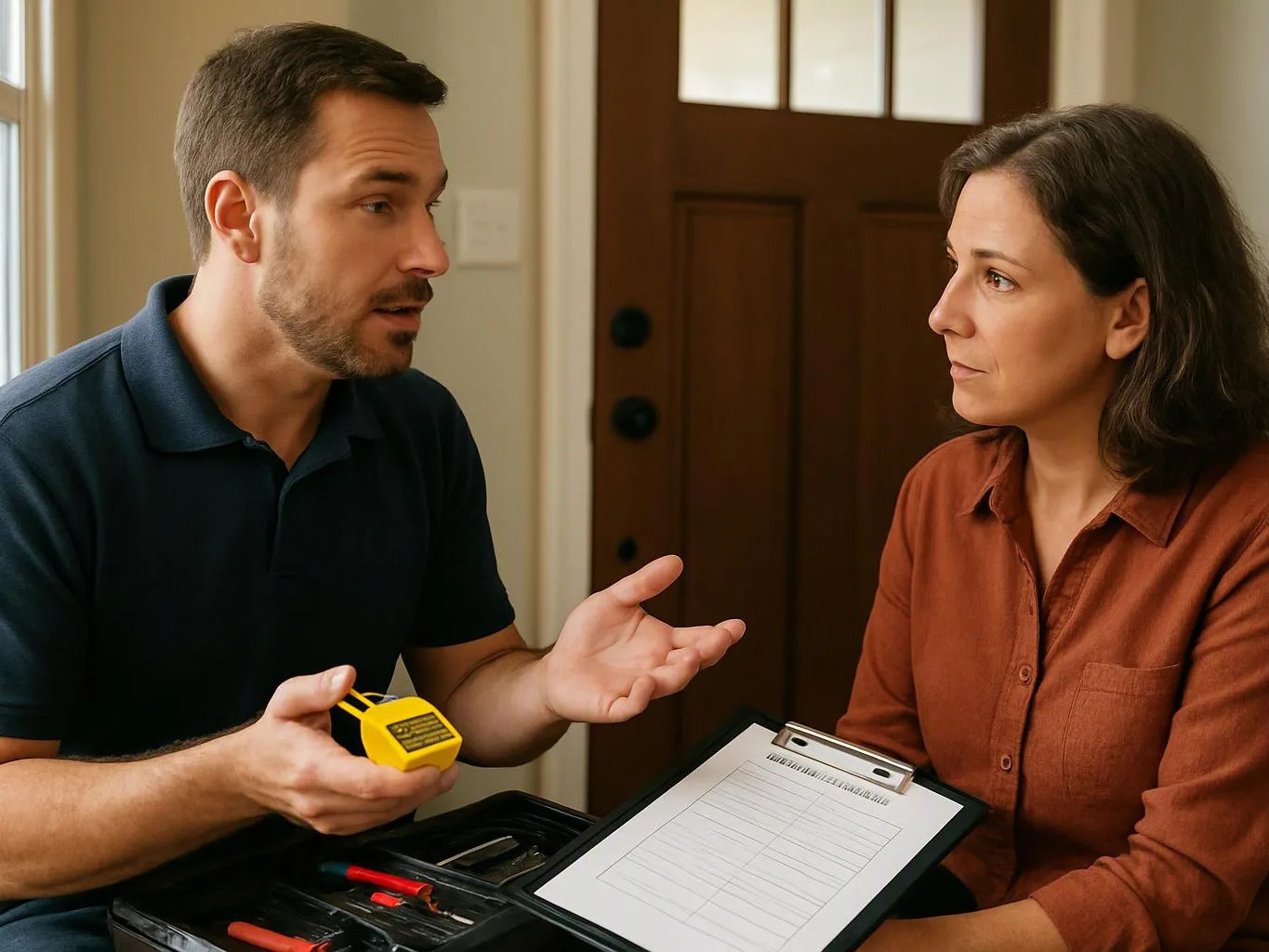
Clear access to the planned alarm locations helps the installation start with fewer interruptions. Please identify existing detectors, note any chirping or false alarms, and share known wiring concerns. We then check the mounting surface, power source, battery backup, and circuit access before setting the work plan.
Which part of the job changes the estimate most?
Wiring access often changes the estimate because new interconnection wiring requires more work than replacing a battery-only unit. Ceiling access, alarm count, mounting surfaces, and circuit repairs also affect the scope. We include those conditions in a free estimate before work begins.
When should a chirping detector receive electrical attention?
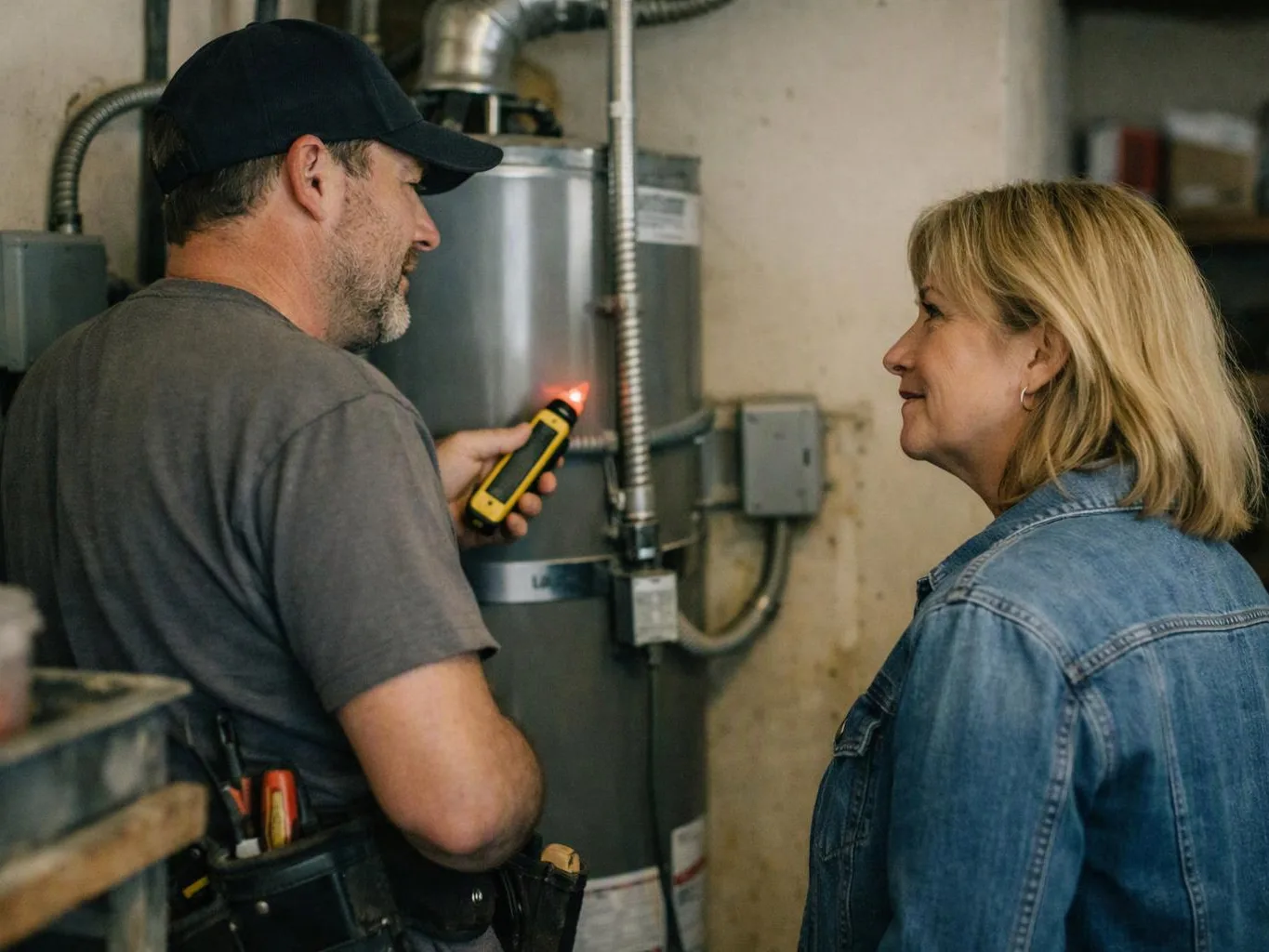
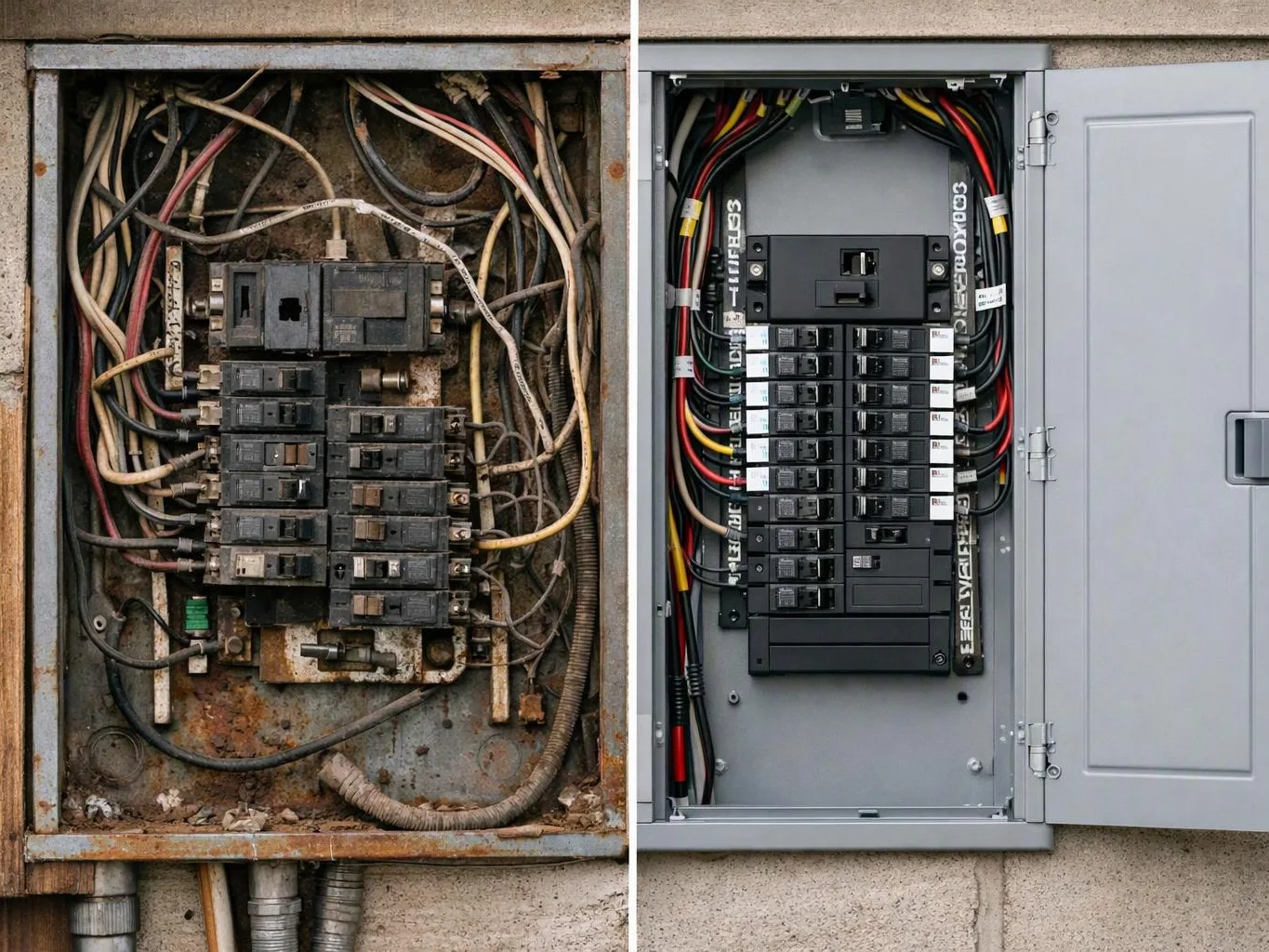
A chirping detector needs electrical attention when a fresh battery does not stop the warning. We check the battery contact, hardwired supply, alarm age, and nearby circuit condition. A burning smell, buzzing panel, or sparking outlet calls for urgent electrical repair before detector installation continues.
Why might linked alarms fail to sound together?
Linked alarms may fail together when interconnection wiring is damaged, disconnected, or incompatible with the selected detectors. We trace the connections, inspect the terminals, and test the alarms as a group. The repair scope depends on whether the fault is at one alarm, the wiring, or the power source.
What should a customer ask before agreeing to installation?
Ask which alarms will be battery-powered, which will be hardwired, and whether the units will interconnect. Also ask what mounting work, wiring access, testing, and electrical repairs the estimate includes. We explain those points so the planned scope is clear before you approve the work.