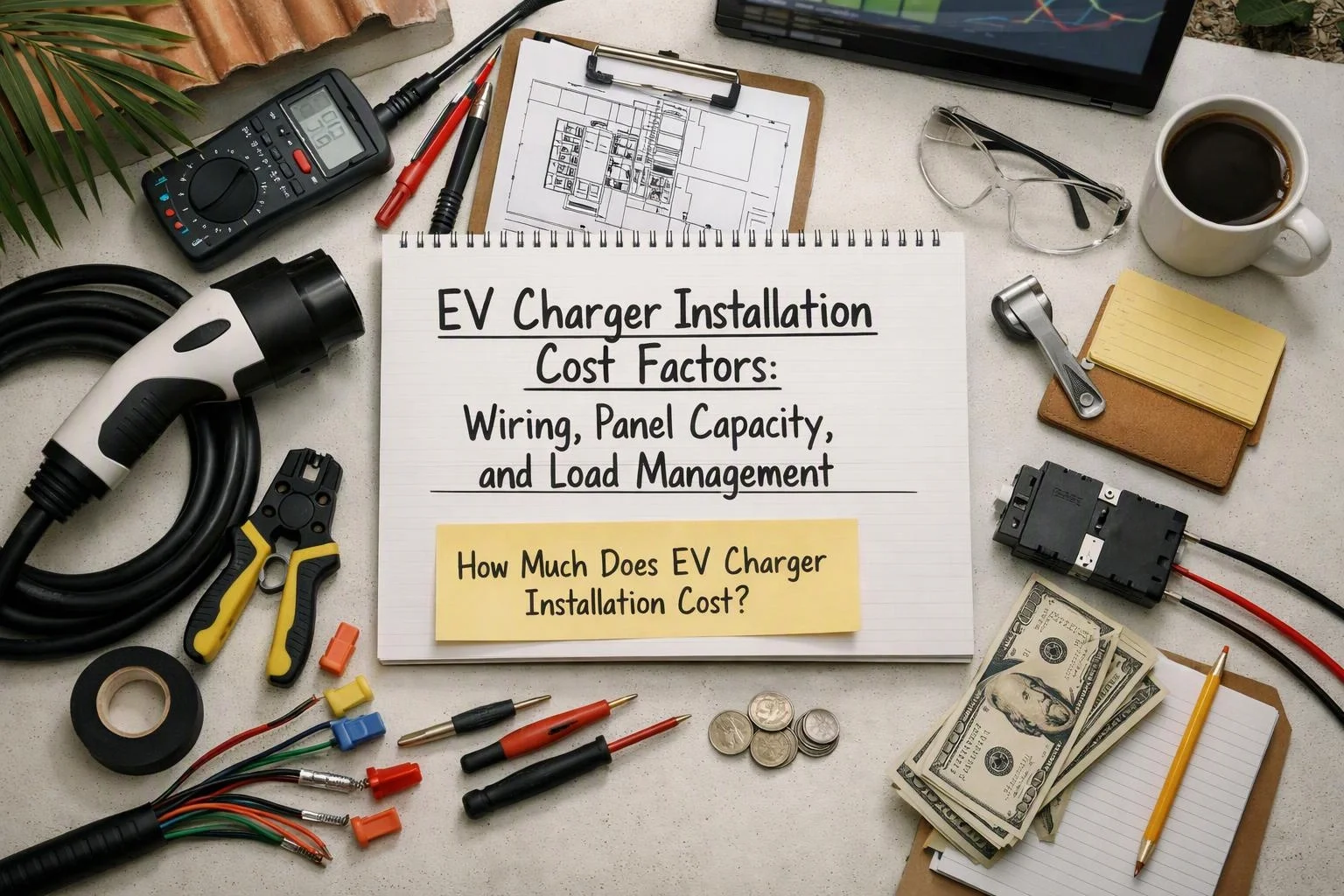
EV Charger Installation Cost Factors: Wiring, Panel Capacity, and Load Management in Riverside, California
EV charger installation cost depends on the existing wiring, available panel capacity, charger requirements, load-management needs, and project access; Center Electric Service checks these factors and prepares an exact quote for the required work.
Get a Free EstimateWhat Determines EV Charger Installation Cost in Riverside, California?
EV charger installation cost is determined by the electrical work required to connect the charger safely and support its operating load.
We review the charger type, electrical wiring, electrical panel capacity, load management, and installation conditions. Lower-elevation residential properties in Riverside, California can experience sustained cooling-related electrical demand, so available panel capacity is a relevant part of our assessment.
Our team connects the project scope to the actual site conditions. We then prepare an exact quote that explains the required electrical work.
Which Wiring Factors Change the Installation Cost?
Wiring cost changes when the charger needs a longer cable route, larger conductors, new conduit, or additional electrical equipment.
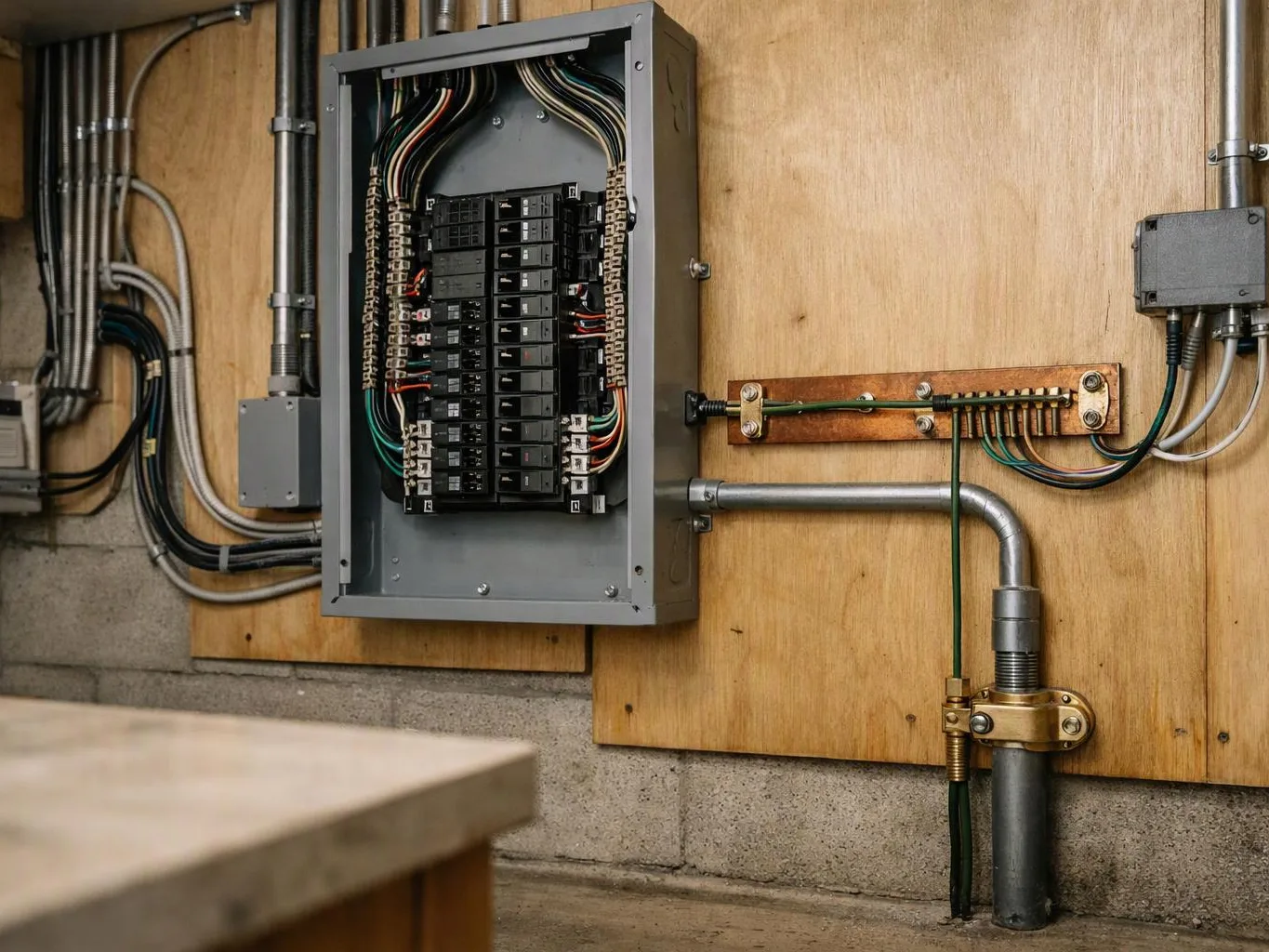
A Level 2 EV charger commonly requires a dedicated circuit sized for its voltage and amperage. We check the wire gauge, conductor size, voltage drop, breaker space, and charging circuit route before selecting the installation method.
Indoor installation may use an accessible route through finished or unfinished areas. Outdoor installation can require surface mounting, weather protection, a disconnect, and careful conduit placement. Our crew reviews the route and connects the charging equipment safely.
How Does Panel Capacity Affect the Quote?
Panel capacity affects the quote when the existing electrical service cannot support the charger's added load alongside the home's other major circuits.
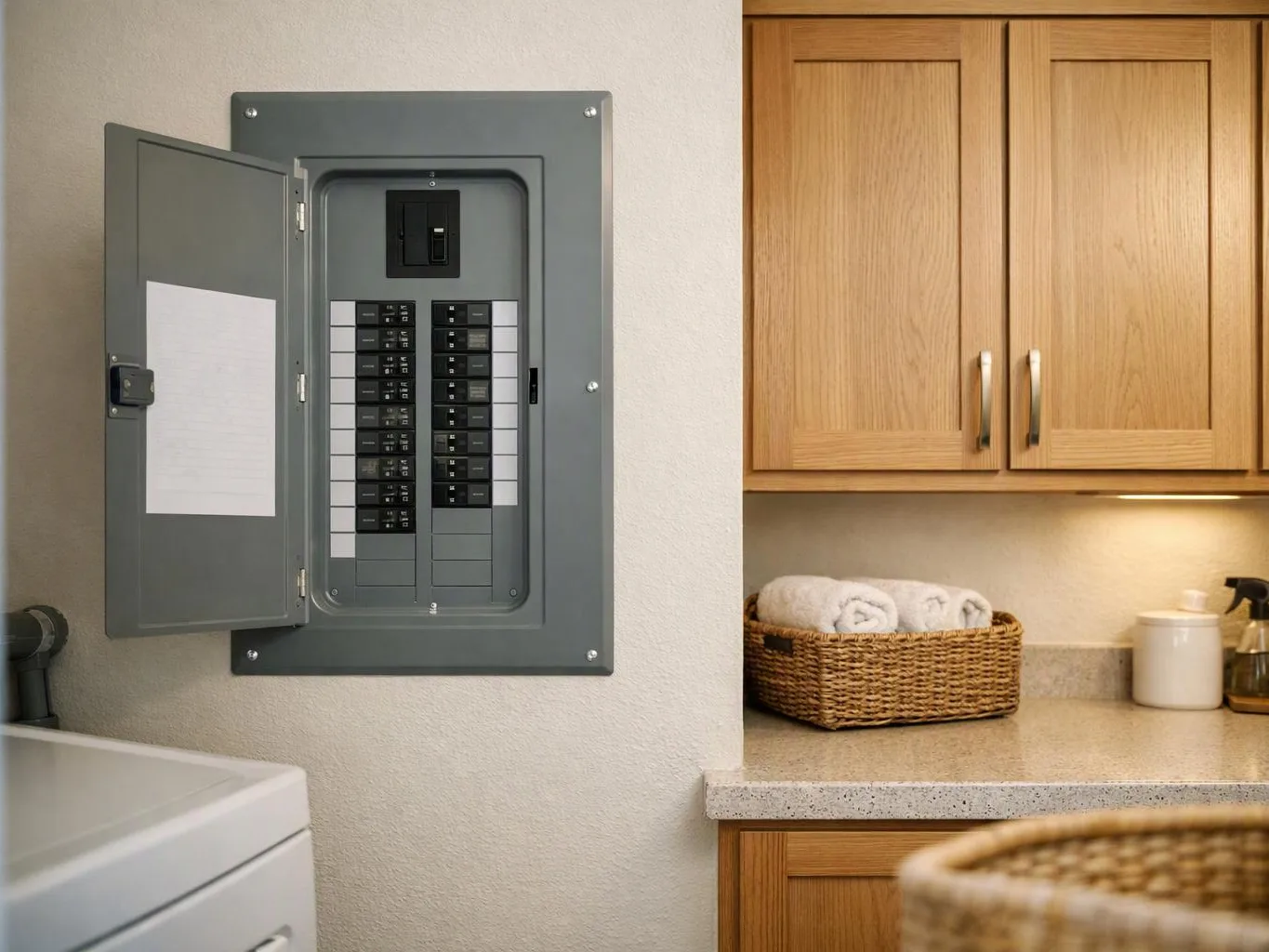
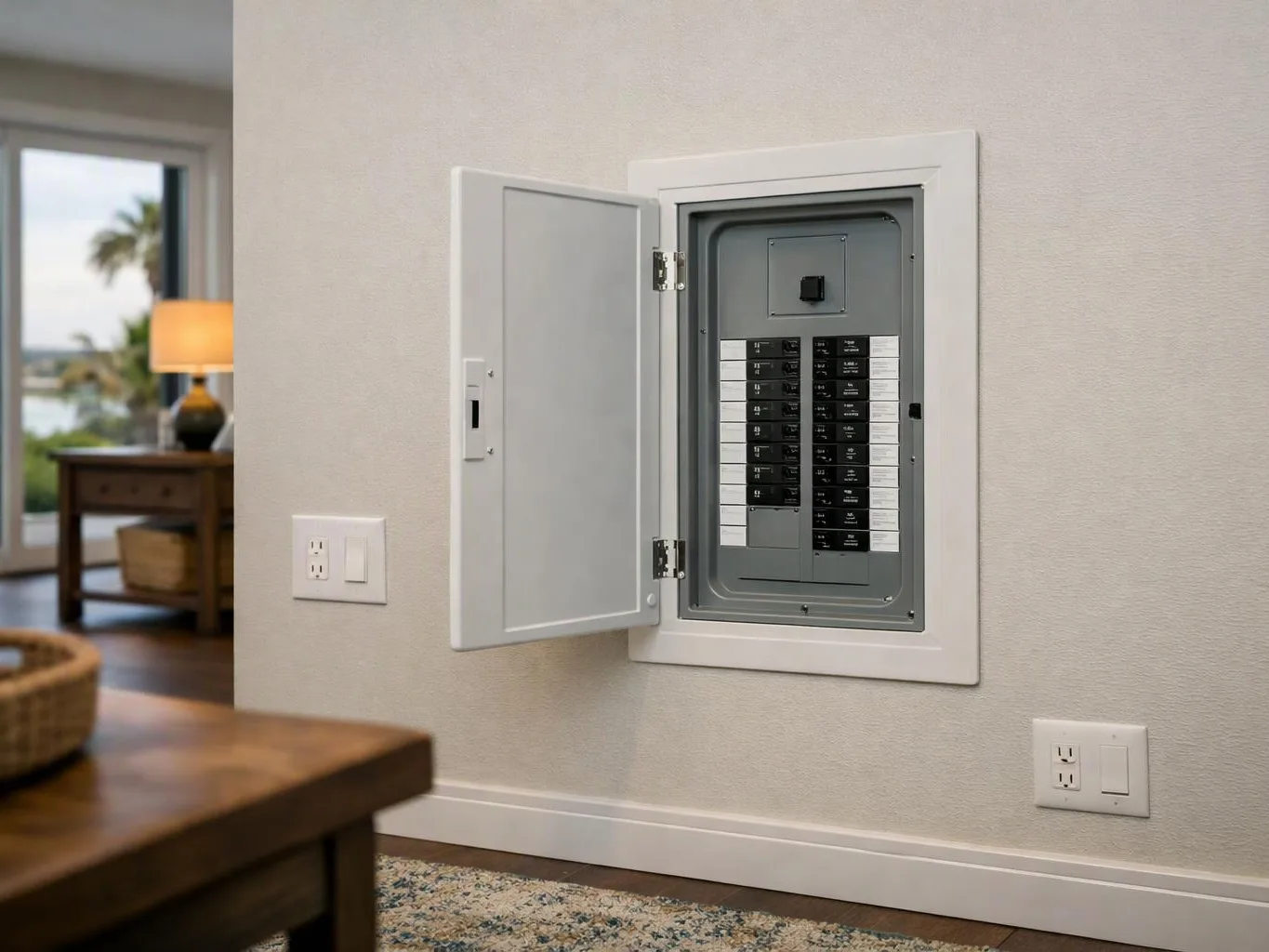
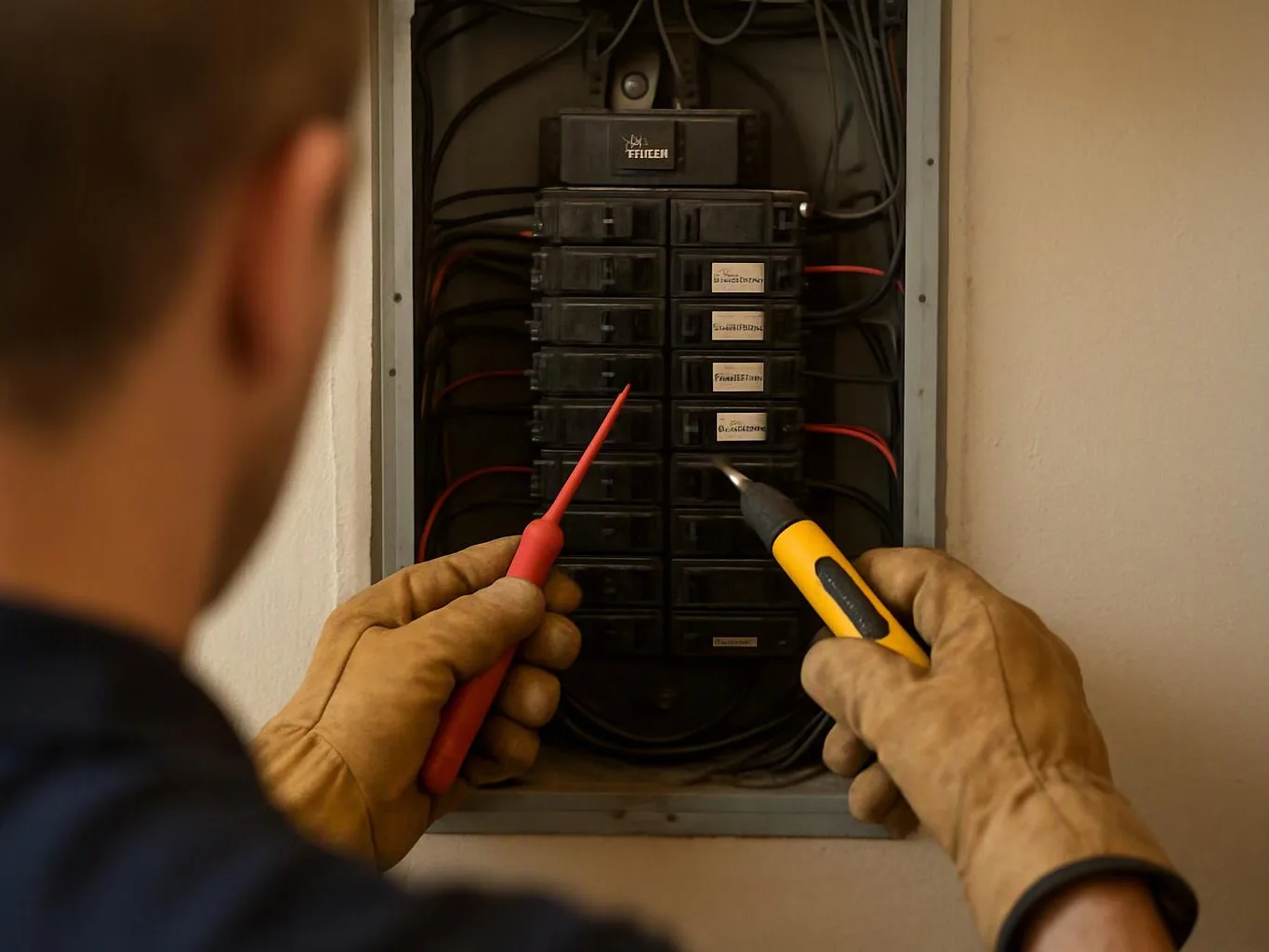
We inspect the main electrical panel, main breaker, available breaker space, and service load. Our team completes a load calculation to compare the charger's demand with the whole-home load.
If the electrical service has limited capacity, the work may require a panel upgrade, service changes, or a different charging approach. We explain the relationship between the circuit breaker, electrical service, and charger before preparing the quote.
When Does EV Charger Load Management Make Sense?
EV charger load management makes sense when charging must be coordinated with other electrical loads to stay within available service capacity.
An energy management system can respond to the whole-home load and electrical service capacity. Smart charging may reduce the need for simultaneous high demand from the EV charger, cooling equipment, cooking equipment, and other major circuits.
We evaluate the home's simultaneous loads and determine whether an EV charger load-management installation fits the electrical design. Our quote identifies the equipment and wiring required for that approach.
EV Charger Installation Cost Factors at a Glance
The quote reflects the combination of equipment needs and site conditions. Each factor can change the amount of electrical work without relying on a standard installation assumption.
We use the following factors to organize the site assessment and explain the scope clearly.
| Factor | Why it changes the cost | What to prepare |
|---|---|---|
| Charger type | Different charging equipment can require different circuit, connection, and control arrangements. | Charger specifications and vehicle charging requirements. |
| Wiring route | Longer or less accessible routes may require more conduit, conductors, and protection. | Preferred mounting location and parking location. |
| Panel capacity | Limited service capacity can require circuit changes or a panel upgrade. | Electrical panel details and existing major circuits. |
| Load management | Energy management equipment adds design and installation work. | Information about simultaneous household loads. |
| Mounting location | Indoor and outdoor locations can require different mounting and protection methods. | A clear view of the wall or equipment location. |
| Grounding | Grounding continuity and the grounding conductor affect safe equipment operation. | Existing grounding and electrical equipment information. |
| Permit and inspection coordination | Required coordination can add planning and closeout work to the installation scope. | Property access and project scheduling details. |
Which Project Conditions Can Add Electrical Work?
Project conditions add electrical work when the charger location requires difficult access, exposed equipment protection, trenching, or additional grounding work.
Wall access, attic access, and crawlspace access can change how we route the conduit and conductors. Trenching may be needed when the parking location is separated from the building, while surface mounting may be better for an exposed route.
Our crew also checks weather exposure, equipment placement, and grounding continuity. These details help us select a safe installation method for the charging equipment.
How Can You Keep the Installation Scope Efficient?
A clear charger location and early panel evaluation help keep the electrical scope focused. We use these details to plan the shortest practical route and account for future charging needs.
Our team can review the following choices during the site assessment:
What Should You Prepare for an Accurate EV Charger Quote?
The most useful quote information includes the vehicle charging requirements, charger model, electrical panel, preferred mounting location, and parking location. Existing electrical equipment details also help us identify the likely connection method.
Prepare these items for our site evaluation:
How We Determine the Work for Your EV Charger Installation
Our site assessment connects the charger requirements to the home's electrical system. We use the findings to define the work and prepare an exact quote.
Which EV Backup-Power Options May Affect the Project?
Bidirectional EV backup power and home battery backup can expand the project because backup circuits, transfer equipment, and critical-load controls may be required.
A critical-load panel separates selected backup circuits from the rest of the home's electrical system. Transfer equipment and load management help control how those circuits receive power.
We review backup circuits, the proposed equipment, and the electrical service before combining EV charging with backup power. Our team explains whether the project needs bidirectional controls, a home battery backup connection, or a dedicated critical-load panel.
Request an Exact EV Charger Installation Quote
Center Electric Service prepares an exact quote after reviewing the charger requirements, wiring route, panel capacity, and load-management needs.
Our team can evaluate the site, inspect the electrical equipment, and explain the installation scope for your EV charging station. Use our Electric Vehicle Charger Installation service page to request the next step.
Share the charger model, vehicle requirements, mounting location, parking location, and panel access so we can connect the quote to the actual work.
Get a Free EstimateQuestions About EV Charger Installation Costs
Does an EV charger always need a dedicated circuit?
Yes, an EV charger generally needs a dedicated charging circuit sized for its equipment requirements. Center Electric Service checks the charger specifications, circuit breaker, conductor size, and panel capacity before planning the connection.
Can load management avoid an electrical panel upgrade?
Yes, load management can sometimes avoid a panel upgrade when charging can be coordinated with the home's simultaneous loads and available service capacity. We complete a load calculation before selecting that approach.
What information does Center Electric Service need for an EV charger quote?
Center Electric Service needs the vehicle charging requirements, charger model, electrical panel access, preferred mounting location, parking location, and existing electrical equipment details.
Can an EV charger work with home battery backup?
Yes, an EV charger can work with home battery backup when the system includes compatible controls, backup circuits, and suitable transfer equipment. We review the critical-load panel and load-management plan before defining the work.
What changes when an EV charger is installed outdoors?
Outdoor EV charger installation can require weather protection, surface mounting, conduit, a disconnect, and careful grounding. We inspect the equipment placement and cable route before preparing the quote.