
Skip to content

Smoke Detector Installation in Ontario, California

Mounting brackets must support a secure, code-compliant alarm location in Ontario. We install smoke detectors for homes and businesses, with licensed and insured electricians available for urgent electrical needs.

Licensed & InsuredFree EstimatesSame-Day ServiceServing 61 Communities

Quick Summary: smoke detector installation in Ontario, California

Smoke Detector Installation in Ontario is provided by Center Electric Service for residential and commercial properties across Riverside, surrounding communities, and the Inland Empire. The work includes detector placement, mounting, wiring checks, and testing by licensed and insured electricians.

  • What we do: Center Electric Service provides Smoke Detector Installation for homes and businesses in Ontario, California, including detector mounting, wiring checks, and testing.
  • What is included: Our capabilities include hardwired alarms, battery-powered units, battery backup, interconnection wiring, mounting brackets, and electrical safety checks.
  • What you get: Smoke detectors are securely mounted, correctly connected, and tested for operation at the end of the installation.

Why does a smoke detector keep chirping after installation?

A chirping smoke detector may have a weak battery, a power connection issue, or a fault inside the alarm. We check the battery, wiring, terminals, and detector condition before choosing the next repair or replacement step.
Smoke Detector Installation in Ontario, California for Safer Properties

Smoke detector installation gives property owners a focused way to add or replace alarms. The job can include battery-powered detectors, hardwired alarms, battery backup, and interconnection wiring.

The main decision is whether the property needs a simple battery unit or a connected electrical installation. We inspect the existing setup, mounting surface, power source, and alarm connections before we set the work scope.

This page is for homeowners, landlords, property managers, and businesses that need new alarms or changes to an existing system. It isn't a substitute for panel repair, full rewiring, or a broader electrical inspection when those issues are present.

  • Confirm whether the alarm uses battery power or building wiring.
  • Check the mounting surface and bracket fit.
  • Inspect wiring, terminals, and interconnection connections.
  • Test each installed detector after setup.
  • Identify related electrical faults that need separate service.
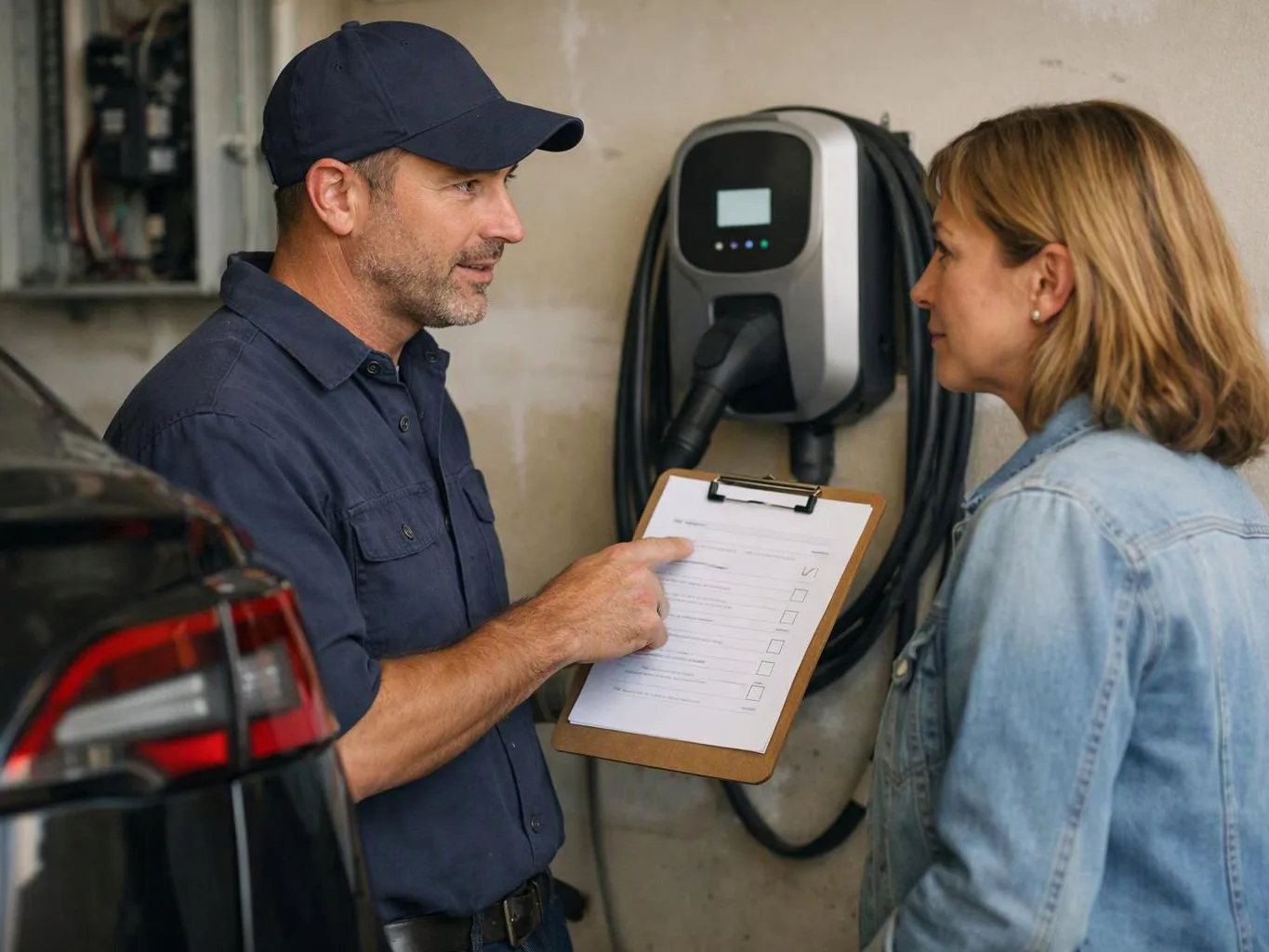
A man in a navy cap shows a clipboard to a woman beside a wall-mounted electric car charger in a garage

Service Overview

Smoke detector installation is an electrical service that mounts alarms, connects power where needed, and tests their operation.

  • The work differs from a general electrical inspection because it focuses on alarm placement, power, interconnection wiring, and detector testing.
  • Center Electric Service provides this work for homes and businesses in Ontario.

What smoke detector installation includes for your property

Center Electric Service provides comprehensive Smoke Detector Installation in Ontario. Here's what you get:

  • We review the existing detector location and mounting surface before installation.
  • We install smoke detectors with the correct mounting hardware for the selected unit.
  • We connect hardwired alarms to the available electrical wiring when the setup supports it.
  • We install or check battery backup for alarms that use a wired power source.
  • We inspect interconnection wiring when multiple alarms need to work together.
  • We test the detector and explain basic operation after the work is complete.

What properly installed smoke detectors change

A secure mounting surface helps keep the detector in its intended position.

Correct wiring checks reduce the chance of leaving a loose or failed connection behind.

Battery backup keeps a hardwired alarm powered during an electrical outage.

Interconnected alarms help multiple units signal together when the system supports that design.

Testing gives you a direct check that the installed detector responds as expected.

What you get from our smoke detector work

A clear power choice

Battery-powered alarms suit some locations, while hardwired alarms fit properties with accessible electrical wiring. We check the setup before recommending the installation path.

Testing after connection

We test the alarm after mounting and wiring, then check the battery backup and interconnection functions when those parts are present.

A defined service boundary

Smoke detector installation is the wrong job when the main issue is a failing panel, damaged branch circuit, or broader wiring fault. We identify those conditions so the next electrical service is clear.

Licensed and insured electrical work

Our licensed and insured electricians handle residential and commercial electrical work, including detector installation and related wiring checks.

A situation this service fits

A typical property may need new alarms while an older detector remains connected to existing wiring. We trace the circuit, inspect the terminals and mounting surface, then choose the suitable battery or hardwired setup. If the wiring shows a wider fault, we explain that separate repair scope before continuing.

Process

Steps we follow for smoke detector installation

1

Review the alarm location

We inspect the current detector location, mounting surface, access, and nearby electrical connections.

2

Choose the power setup

We determine whether the location suits a battery-powered detector or a hardwired alarm with battery backup.

3

Secure the mounting hardware

We fit the mounting bracket to a suitable surface and attach the detector according to its design.

4

Connect compatible wiring

We connect the hardwired alarm and inspect interconnection wiring when the property uses linked detectors.

5

Test every installed alarm

We test the alarm, check the battery backup, and verify the connected units respond as intended.

Choosing a power setup for smoke detectors

These options differ by power source, wiring needs, and the conditions we check before installation.

Alarm setupWhat it usesWhat we check
Battery-powered detectorReplaceable or built-in batteryMounting surface, battery condition, and alarm test
Hardwired alarmBuilding wiring with battery backupPower connection, terminals, backup battery, and test response
Interconnected alarmsCompatible wiring or approved connection methodAlarm compatibility, interconnection wiring, and linked response

The Center Electric Service Standard

  • Urgent Assistance
  • Issue Diagnosis
  • Safety First
  • Clear Recommendations

Questions customers ask about smoke detector installation

Should smoke detectors be hardwired or battery powered?

Mounting brackets support either alarm type, but hardwired detectors suit locations with accessible electrical wiring and battery backup. Center Electric Service checks the power source, mounting surface, and interconnection wiring before choosing the setup. Battery-powered alarms can fit locations without a suitable wired connection. The property and existing electrical layout decide which option fits.

What does the crew look at first during installation?

The installation point comes first because the surface, access, and power path shape the work. We check the existing detector, mounting hardware, wiring, terminals, and battery condition. A loose bracket or damaged wire needs attention before the new alarm is tested. That inspection also shows whether the job includes a related electrical repair.

What happens at each stage of the installation?

The work moves from inspection to mounting, connection, and testing.

  1. We review the alarm location and power setup.
  2. We secure the mounting hardware.
  3. We connect compatible wiring and battery backup.
  4. We test each detector and explain its basic operation.

How do I know whether alarms should be interconnected?

Interconnection is useful when compatible alarms need to signal together across the property. We inspect the existing wiring and alarm compatibility before connecting units. A mixed set of devices may not support the same connection method. We explain the available setup after checking the installed equipment.

Which electrical problems can affect a new detector?

Loose terminals, damaged wiring, missing power, and a failed circuit can affect a new detector. We test the power path and inspect the connection before treating the alarm as defective. If the fault reaches a breaker, panel, or branch circuit, we explain the separate repair needed.

When should smoke detector installation be scheduled?

Installation should be scheduled when alarms fail tests, mounting points loosen, or a property needs new detection coverage. We also assess alarms during renovations when access to wiring is open. In Ontario, California, Center Electric Service handles residential and commercial electrical work for planned installations and urgent electrical concerns.

What should be checked before installation is scheduled?

The property should be checked for alarm type, power source, access, mounting surfaces, and existing wiring. Photos of the current detector and nearby electrical box can help describe the starting point. We use the assessment to separate detector installation from panel, circuit, or rewiring work.
Contact

Request a Smoke Detector Installation Estimate in Ontario

Get a clear estimate for your alarm setup, and urgent requests get priority scheduling.

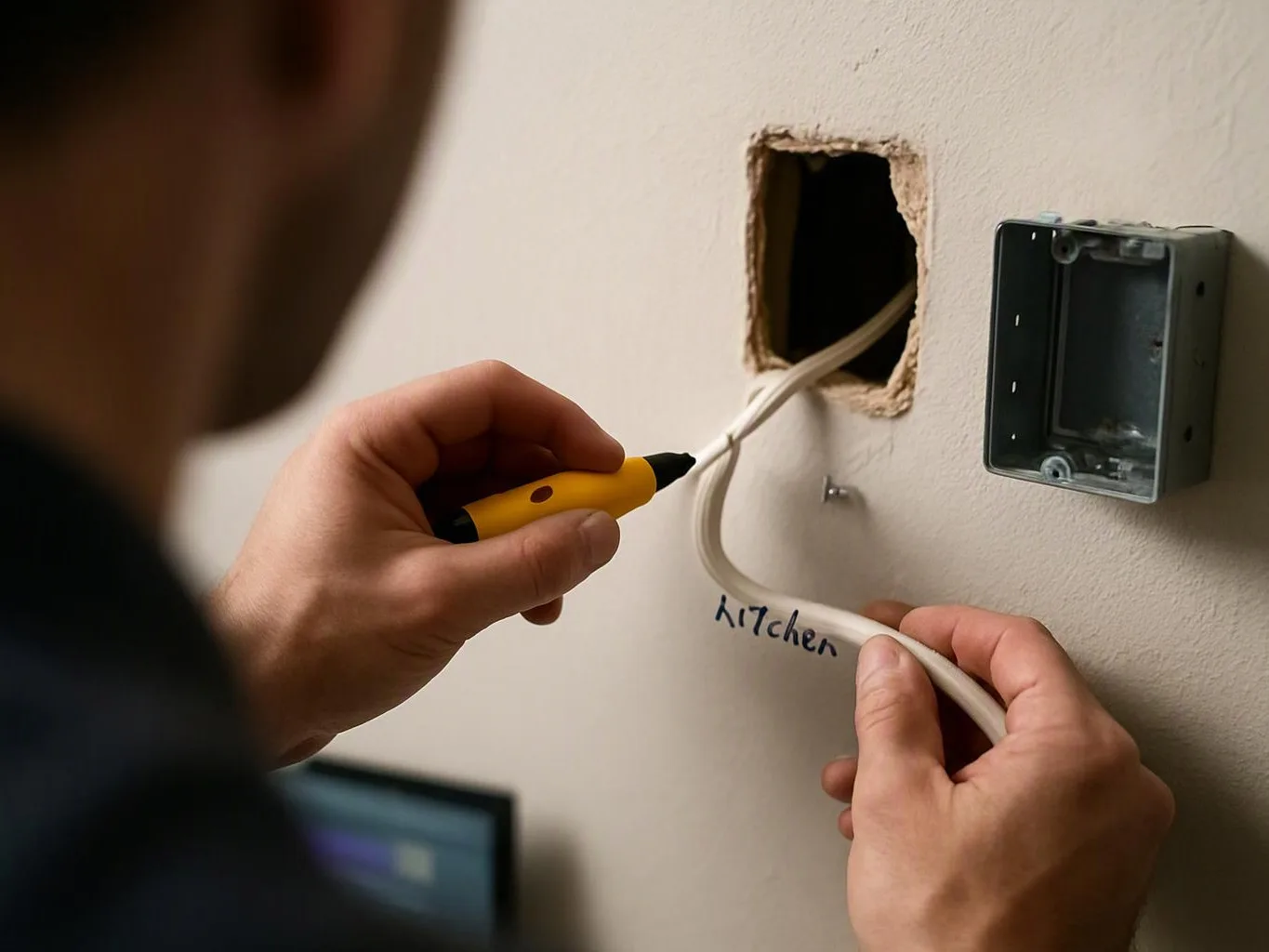
A person feeds a white cable through a wall opening beside an empty electrical box, with “Kitchen” written below

ZIP Codes We Serve in Ontario, California

91758917619176291764

Smoke Detector Installation in Other Areas

(951) 577-3540